The Jerash mass grave in Jordan contains more than 200 bodies rapidly buried during the Plague of Justinian, amounting to roughly 1.5% of the city's peak population. DNA from Yersinia pestis was recovered in at least five skeletons, making this the first mass-plague burial confirmed archaeologically and genetically. The find reveals how pandemics concentrated mobile groups, overwhelmed burial systems, and exposed social vulnerabilities within ancient cities.
Mass Grave in Ancient Jerash Reveals Human Toll and Social Impact of the Plague of Justinian
Human remains from ancient mass grave reveal how people responded to world’s first pandemic
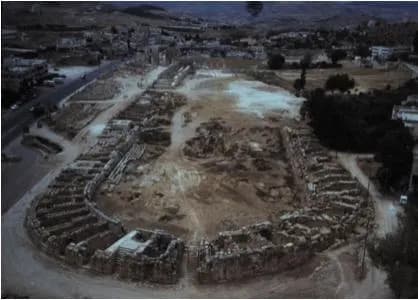
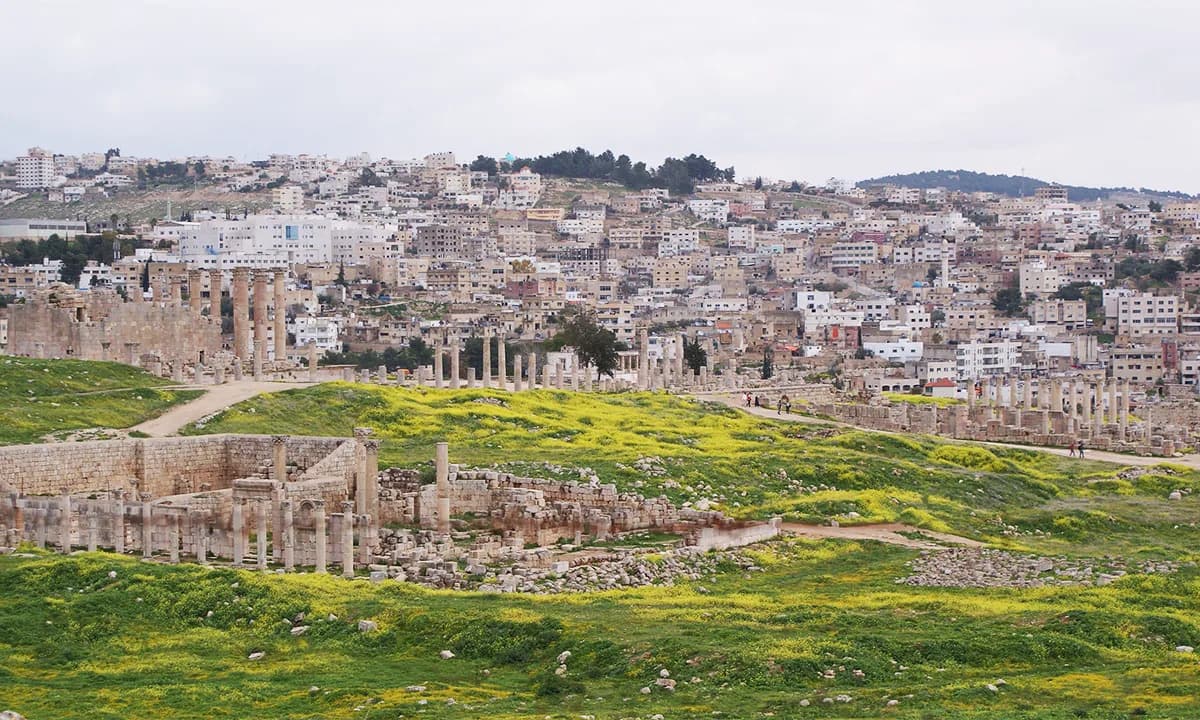
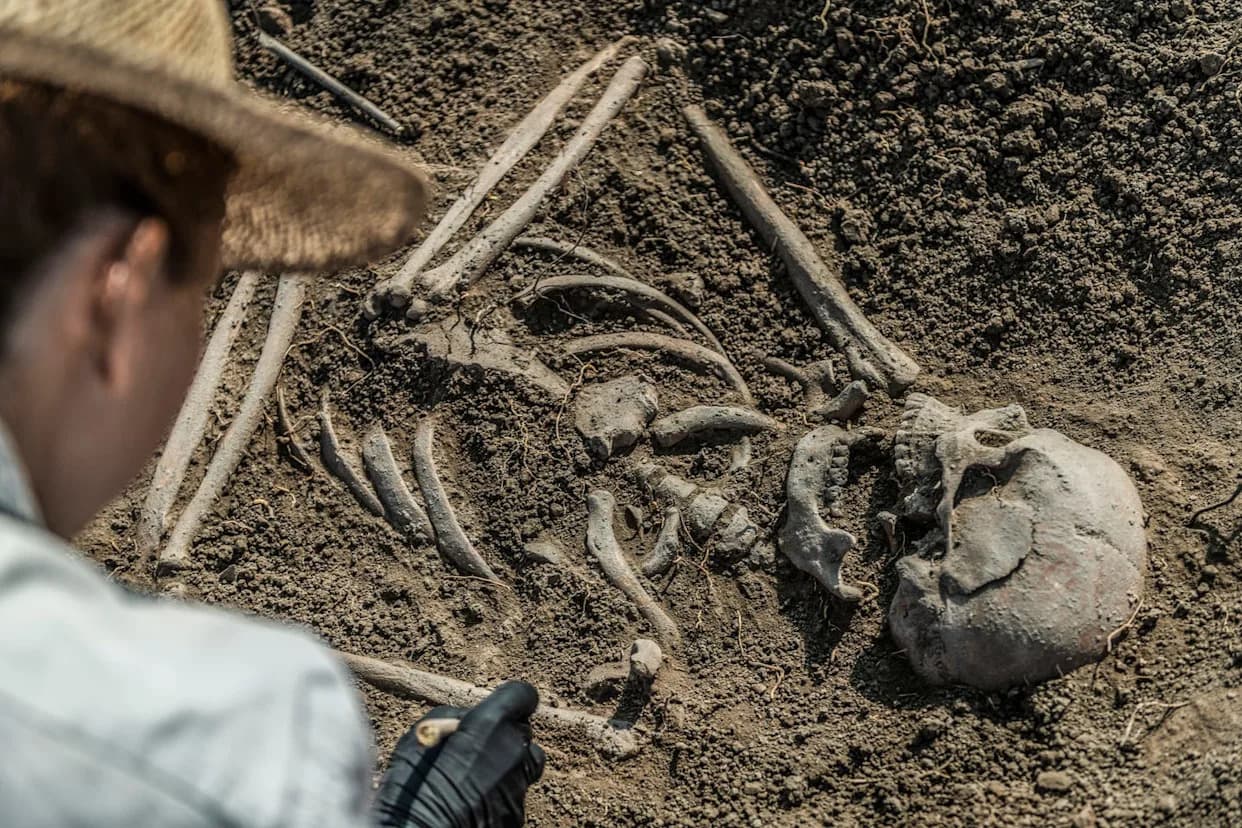
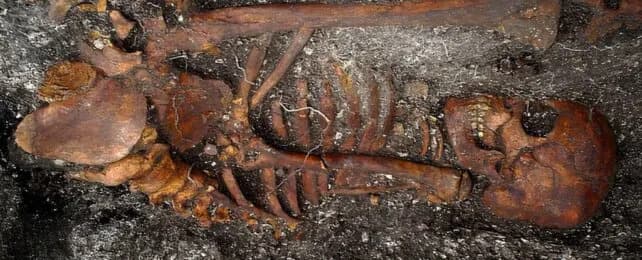
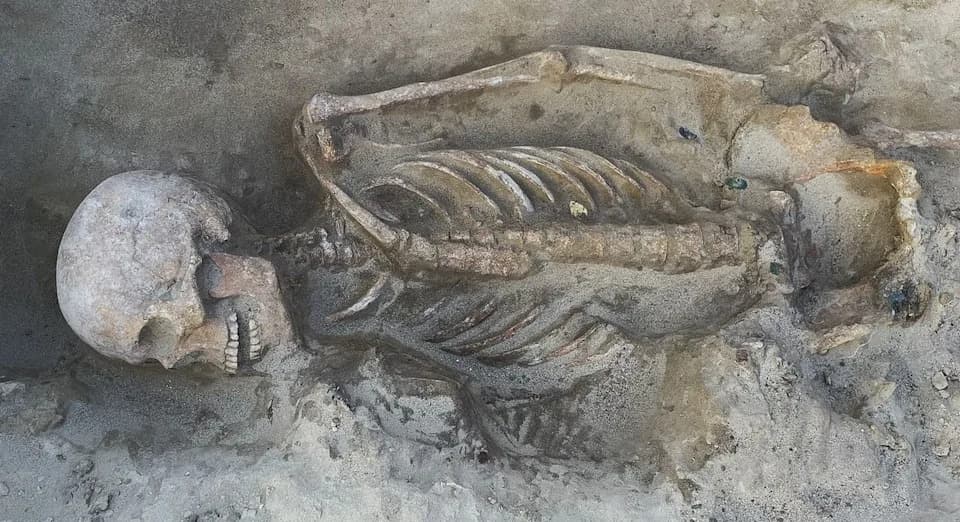
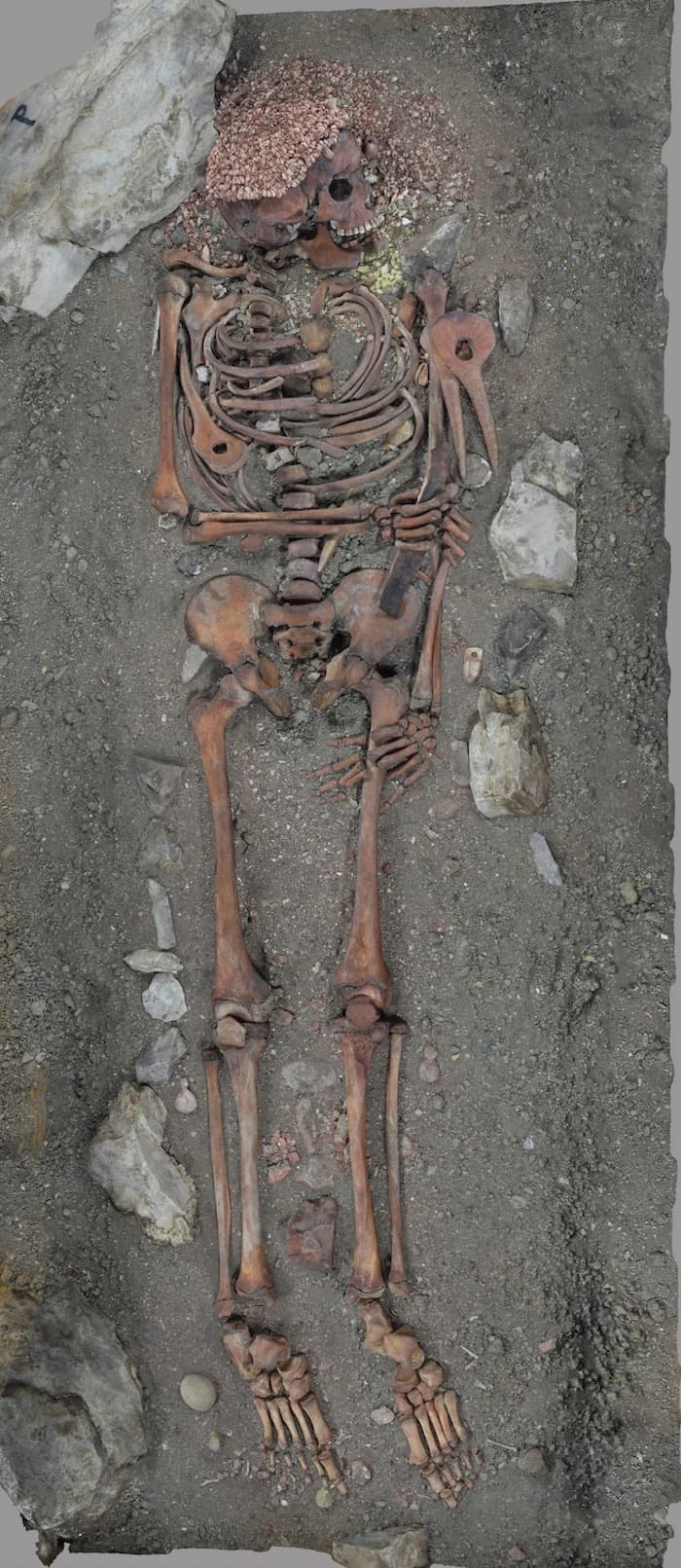
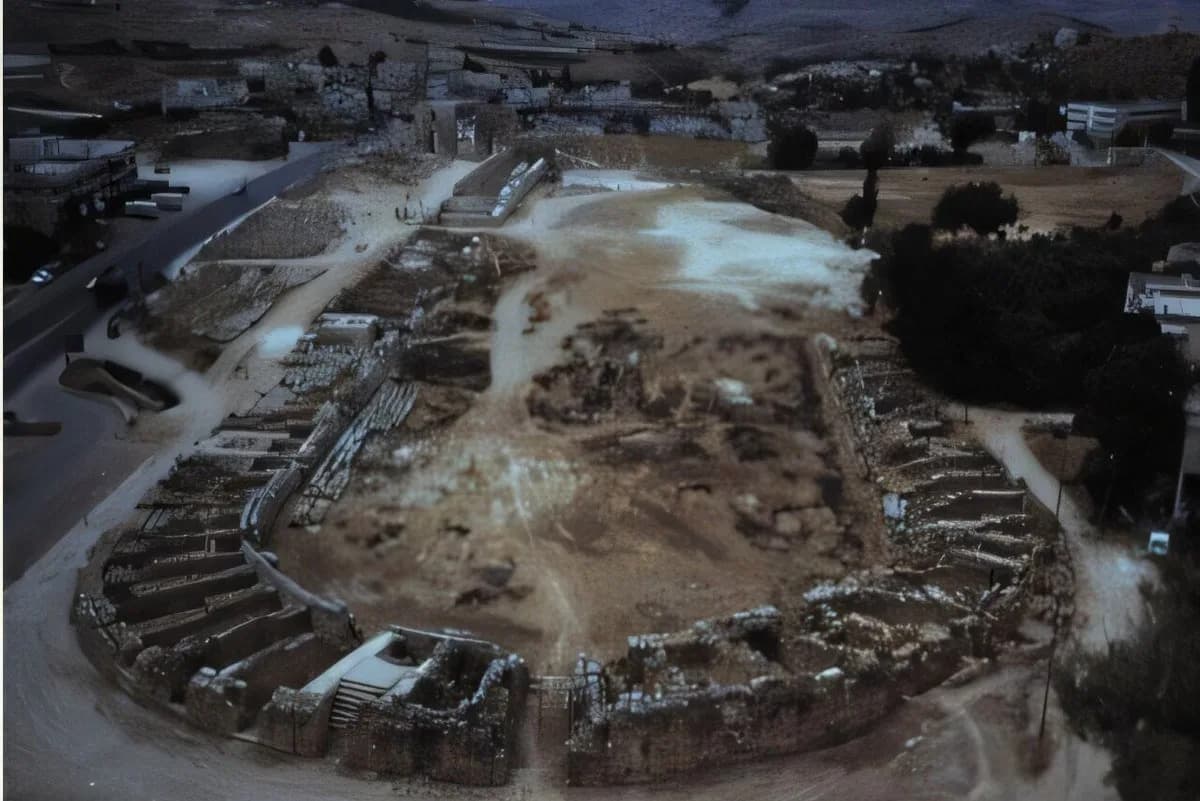
Archaeologists have uncovered more than 200 bodies buried in rapid succession in an abandoned civic area of ancient Jerash, Jordan — evidence of a sudden, catastrophic burial episode during the Plague of Justinian (mid-6th to early 7th century AD).
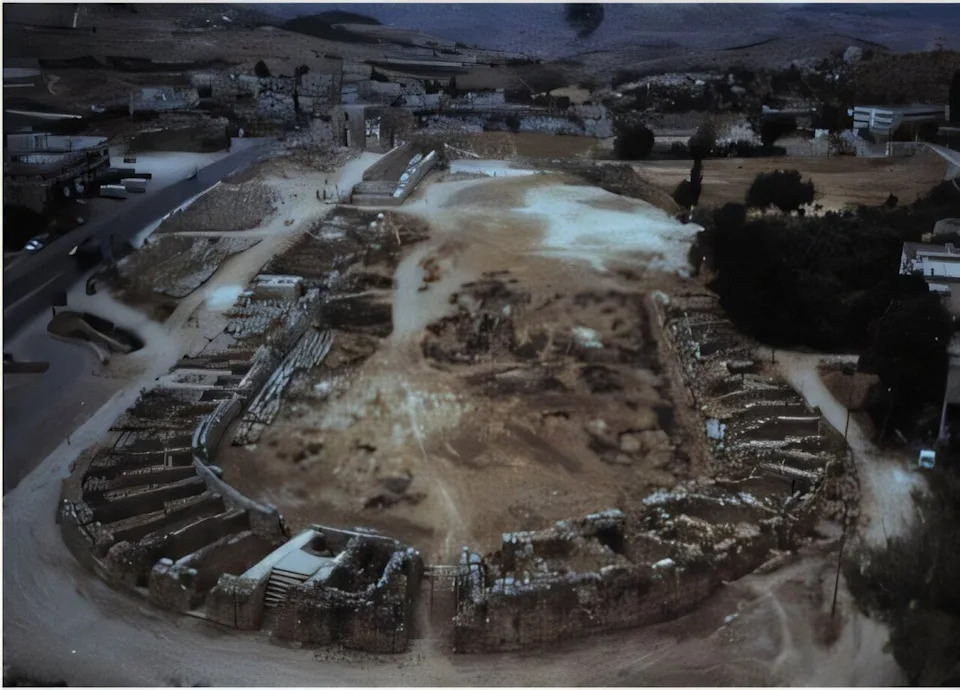
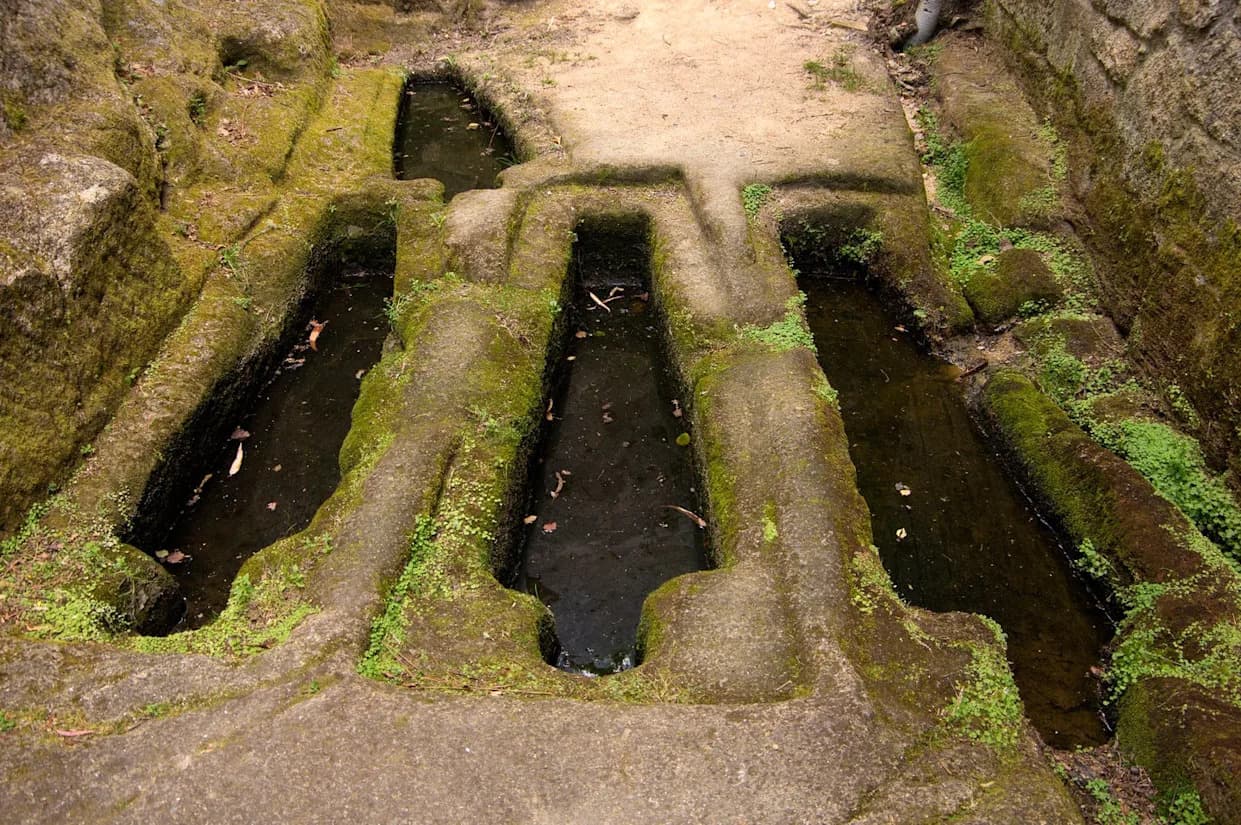
Ancient hippodrome at Jerash, the site of a mass grave from the plague (Karen Hendrix, University of Sydney)
What the Excavation Shows
Excavators found stacked skeletons deposited within days, representing roughly 1.5% of Jerash’s peak population of about 15,000. Dental samples from several individuals produced DNA matching the plague bacterium Yersinia pestis in at least five skeletons, confirming that some of the dead succumbed to the pandemic.
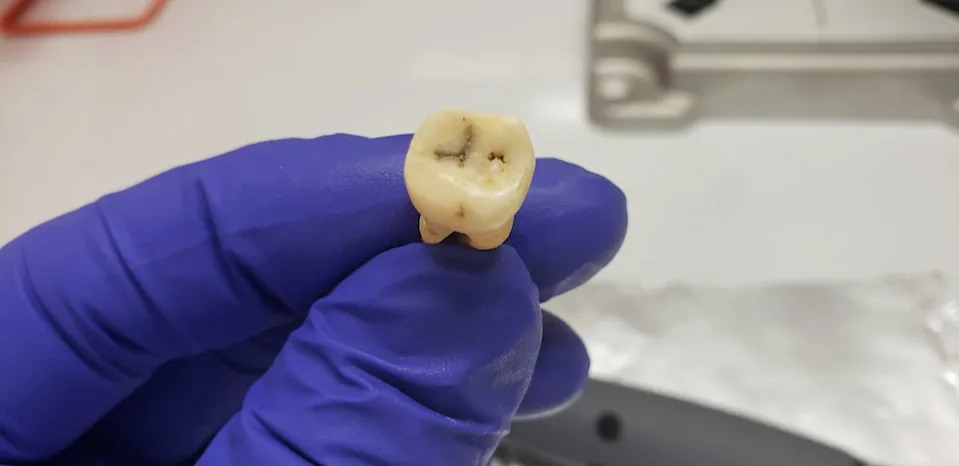
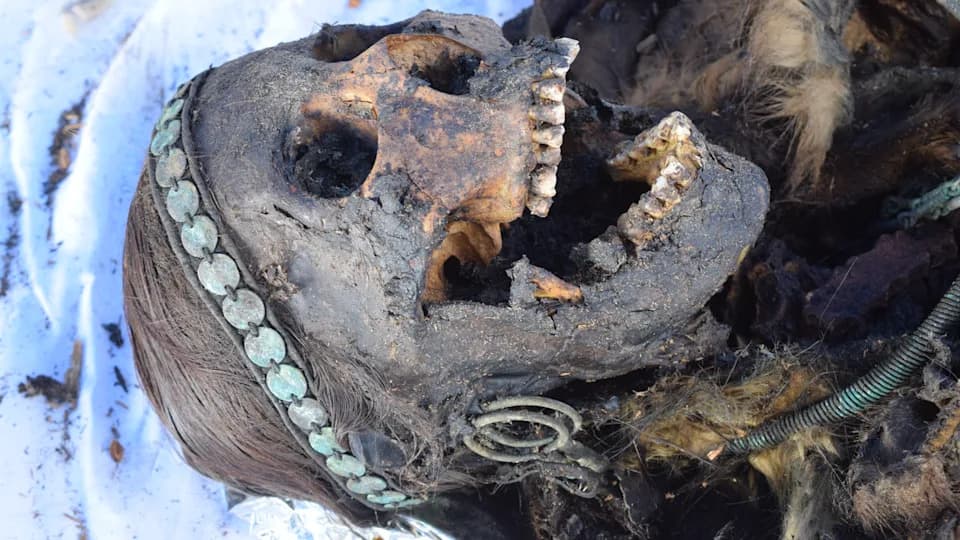
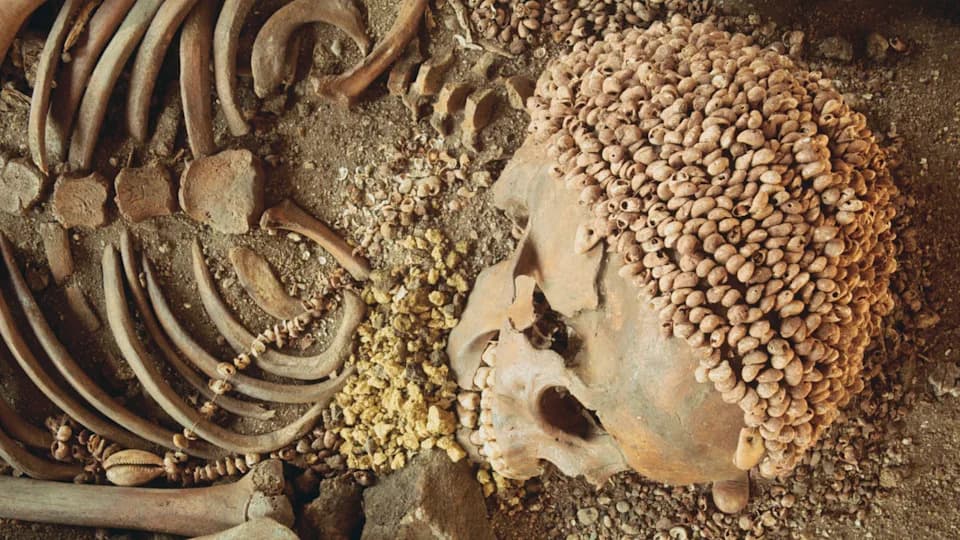
Tooth from the Jerash architectural site (Greg O'Corry Crowe FAU)
Why This Site Matters
This is the first documented mass-plague burial confirmed by both archaeological context and genetic evidence. The scale and rapidity of the burials suggest the epidemic overwhelmed the city’s normal funerary systems and exposed social vulnerabilities in urban life.
“Earlier work identified the pathogen. The Jerash remains translate that genetic signal into a human narrative about who died and how a city endured a crisis,” says Rays Jiang, a systems biologist at the University of South Florida and co-author of the study published in the Journal of Archaeological Science.
Mobility, Burial Patterns, and Social Insights
Researchers found that many of the deceased appear to have been part of mobile groups integrated into Jerash’s wider urban community. The team argues that routine cemeteries tend to dilute migration signals, but an acute event like this pandemic concentrated diverse populations in one place — making longer-term patterns of movement and vulnerability visible at a single moment.
Broader Implications
The Jerash mass burial provides direct, contemporaneous evidence of large-scale pandemic mortality and offers a rare look at how disease reshaped social behavior, movement, and burial practice in antiquity. By combining biological data with archaeological context, the study highlights that pandemics are not only biological events but social ones that affect how people live, move and are cared for in times of crisis.
Location: Jerash (ancient Roman city), Jordan
Estimated Population (peak): ~15,000
Burials recovered: >200 in a single rapid episode
Genetic evidence: Yersinia pestis DNA recovered from at least five individuals
Help us improve.