Researchers from Leipzig University report strong geophysical and coring evidence for a Black Death–era mass grave near Neuses, Thuringia. Electrical resistivity mapping revealed a disturbed 33 × 49 × 11.5 ft area, and core samples recovered human bone fragments dated to the 14th century. The grave's placement in drier soils near the Gera River valley edge aligns with historical burial practices and contemporary miasma beliefs. Excavation is required for conclusive confirmation, but the non‑invasive method offers a model for future searches.
Likely Black Death Mass Grave Near Erfurt Identified Using Geophysical Mapping

Depiction of the fourth horseman of the apocalypse, Death, riding a mythical creature, presumably a winged lion. The depiction was created in Erfurt in the mid-14th century.
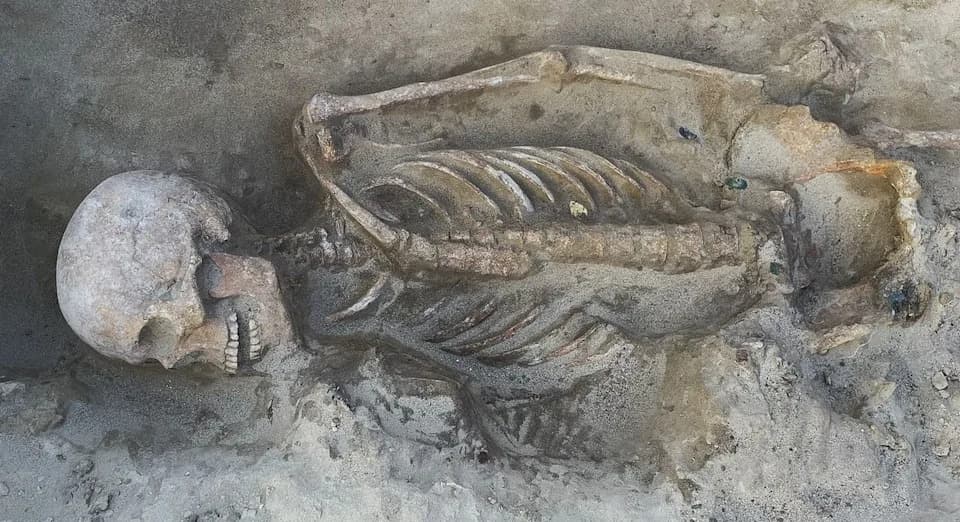
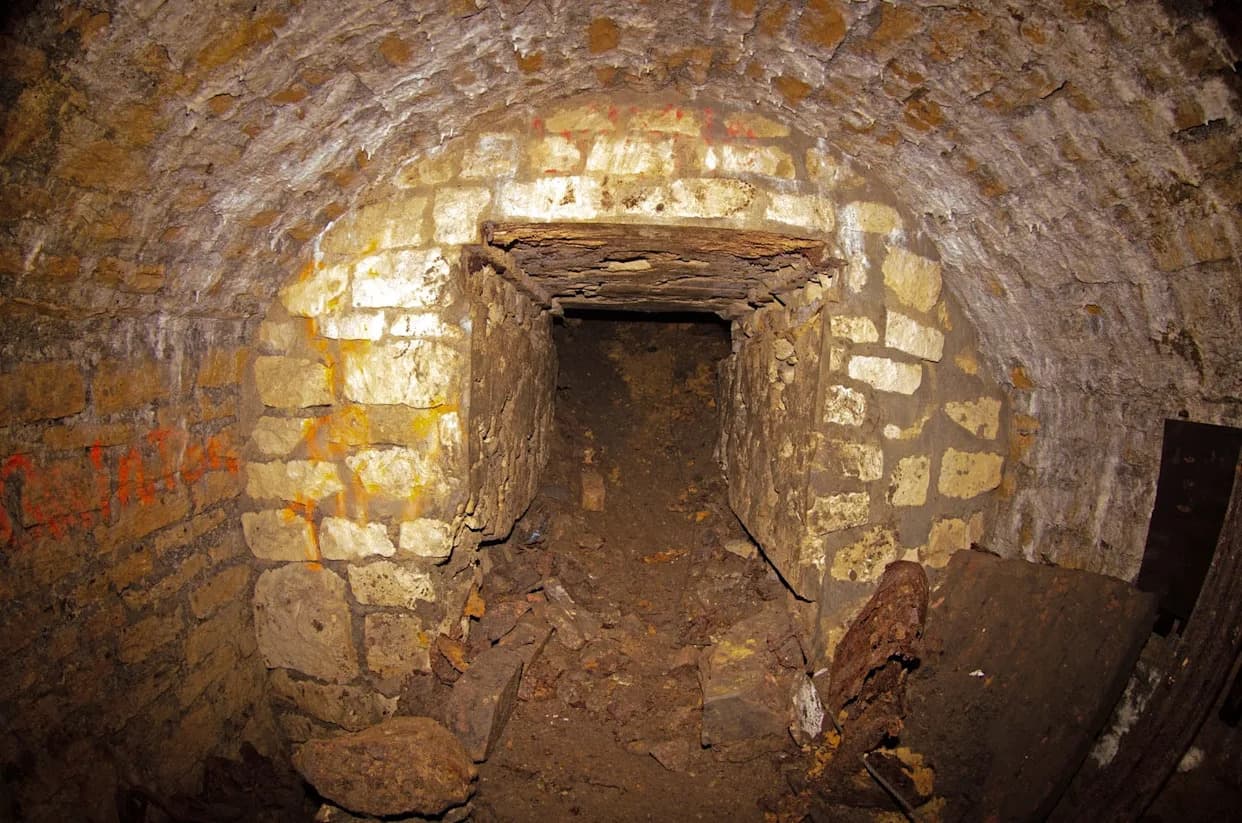
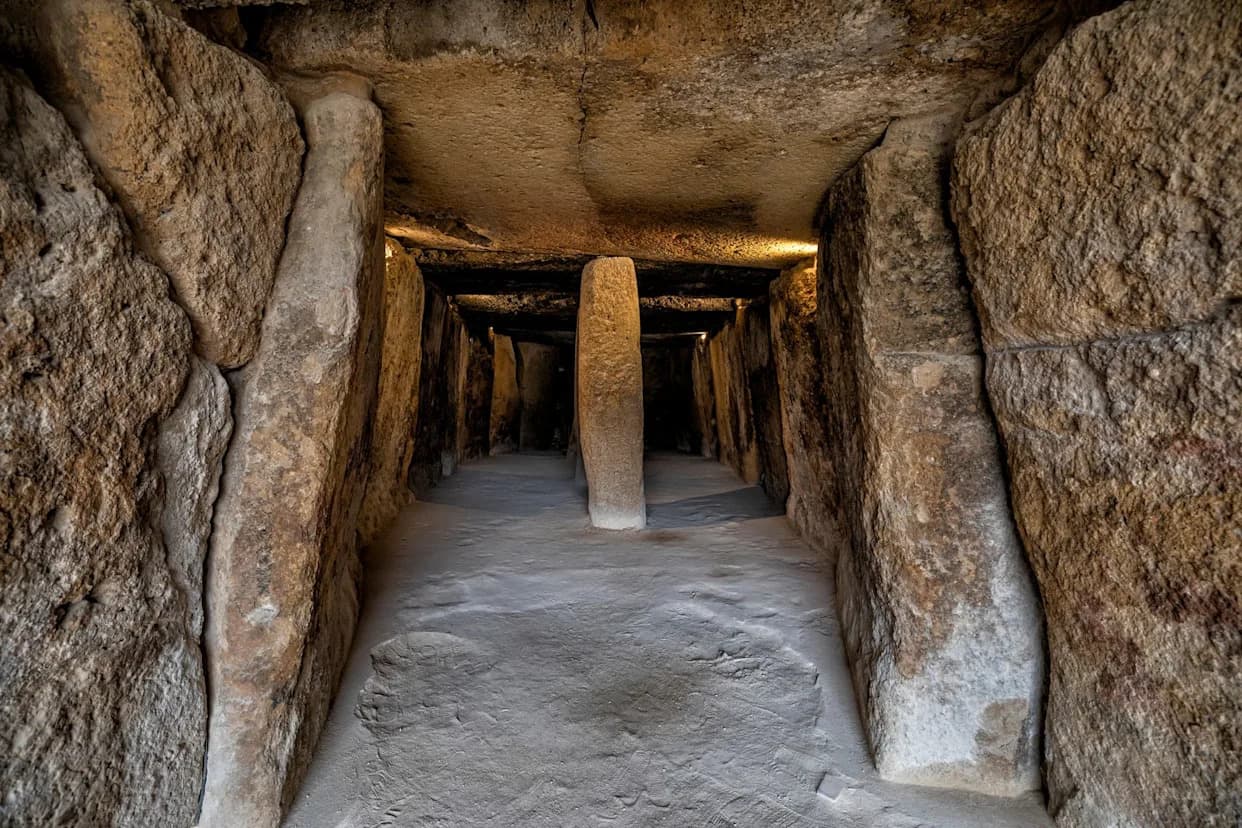
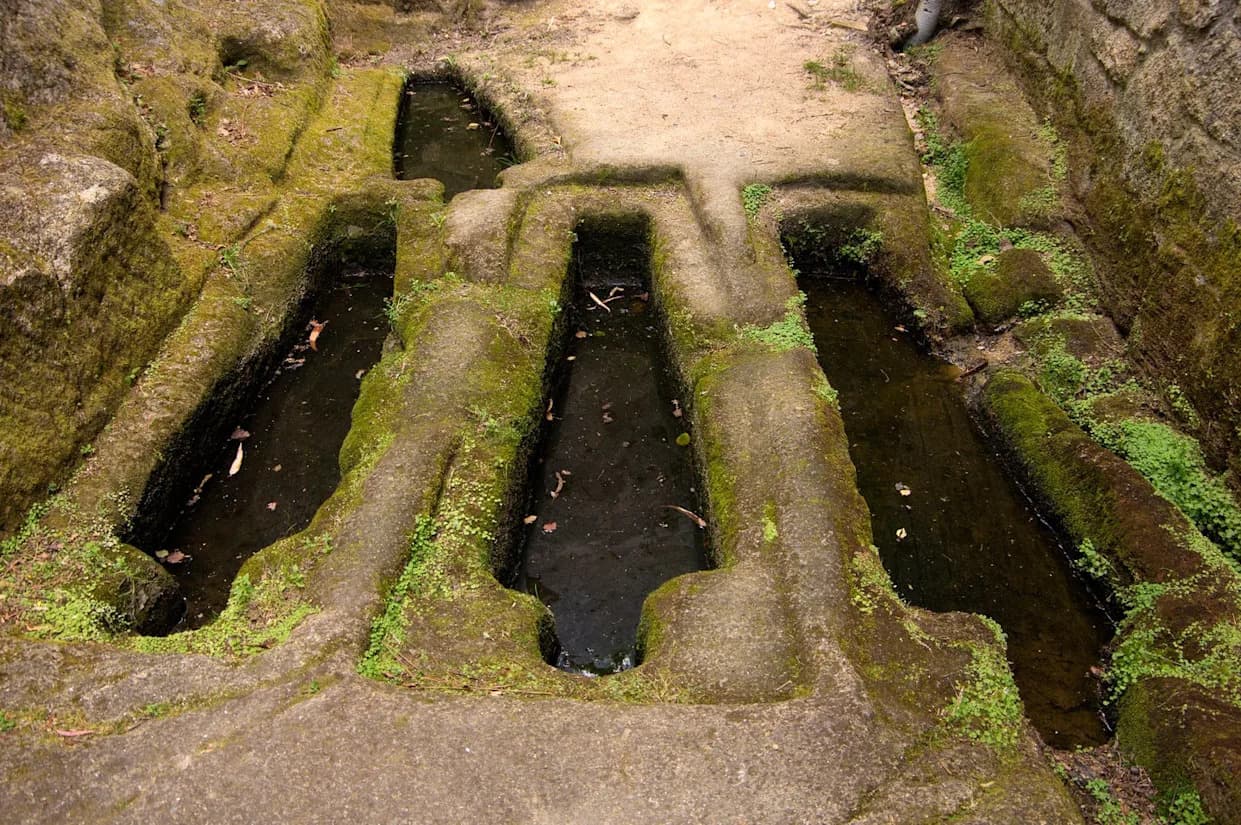
Archaeologists led by researchers from Leipzig University report compelling geophysical and coring evidence for a Black Death–era mass grave near the deserted medieval village of Neuses, close to Erfurt in Thuringia, Germany.
Interdisciplinary Search and Discovery
Rather than discovering remains by accident, the team applied an interdisciplinary, non‑invasive search strategy. Using electrical resistivity mapping—where currents are injected into the ground and resulting voltages are measured to map contrasts in subsurface conductivity—the researchers located a clearly disturbed subsurface area roughly 33 × 49 × 11.5 ft (≈10 × 15 × 3.5 m).
Coring, Dating, and What They Found
Follow-up drilled core samples from the anomalous area recovered mixed sediment layers and fragments of human bone. Radiocarbon dating places the material in the 14th century, consistent with historical accounts of the 1350 Erfurt outbreak. Taken together, the geophysics, coring evidence, and dating strongly indicate the presence of a medieval mass burial.
Context and Interpretation
The suspected grave location also aligns with practical and historical burial considerations. Neuses was settled in part because of fertile chernozem soils nearby, yet the burial pit lies on a drier slope near the Gera River valley edge. This suggests villagers may have chosen drier ground outside the settlement for mass interment—consistent with both pragmatic concerns and the contemporary 'miasma' belief that disease spread from 'bad air' around decaying matter.
"Our results strongly suggest that we have pinpointed one of the plague mass graves described in the Erfurt chronicles," said study co‑author and Leipzig University geographer Michael Hein. "Excavation is still required to confirm the finds," cautioned co‑author Martin Bauch of the Leibniz Institute for the History and Culture of Eastern Europe.
Implications and Next Steps
The authors emphasize that while the evidence is robust, definitive confirmation will require a careful excavation and forensic analysis. Meanwhile, the successful use of electrical resistivity mapping combined with targeted coring offers a powerful, non‑destructive model for locating other historic burial sites and could be adapted for a wide range of archaeological investigations.
Source: Study recently published in PLOS ONE.
Help us improve.