Disease detectives are tracing how fungi travel into new regions and spark outbreaks, often after disasters or via long-hidden environmental routes. Cases from Vancouver Island’s Cryptococcus gattii to tornado-linked Apophysomyces variabilis and valley fever in Washington show how genomics, climate science and archaeology combine to reveal origins. Rising temperatures and extreme weather are expanding fungal risks while limited funding, diagnostics and treatments hamper responses. Experts call for stronger interdisciplinary surveillance and public investment to anticipate and contain future fungal outbreaks.
Disease Detectives: How Scientists Track Fungi, Solve Strange Outbreaks, and Prepare for a Warming World

Disease Detectives: Tracing Fungi From Shorelines to Silent Graves
In 1999 hikers on Vancouver Island began developing mysterious lung nodules; several later died. The culprit was identified as Cryptococcus gattii, a microscopic fungus normally found in tropical forests. Molecular epidemiologists pieced together a startling history: the same strain existed in Brazil a century earlier, likely traveled north in ship ballast after the Panama Canal opened in 1914, persisted offshore for decades, and was driven onto land by the 1964 Great Alaska Earthquake tsunamis. Over roughly 30 years the organism adapted to terrestrial life and grew more virulent before causing human disease.
Disaster Microbiology: A New Detective Field
Scientists such as Arturo Casadevall, David Engelthaler and colleagues call this kind of work "disaster microbiology" — assembling genetics, shipping and soil data, climate history, and even archaeological clues to reconstruct how pathogens reach people. Their cases show that fungi can follow surprising routes: ballast water, tsunamis, tornado plumes, floodwaters, and ancient burials.
“We're missing most of the picture, almost all the picture, if all we're doing is looking at human cases,” says David Engelthaler, summarizing why environmental sleuthing is essential.
When Weather and Earth Rearrange Risk
Climate change and more frequent extreme events are reshuffling environments and creating new opportunities for fungi. The U.S. Centers for Disease Control and Prevention (CDC) estimates fungal illnesses—from superficial infections to serious respiratory disease—cause about 13 million outpatient visits, 130,000 hospitalizations, and over 7,000 deaths in the U.S. annually, with an economic burden near $19.4 billion. Globally, fungi are estimated to cause some 1.5 million deaths each year, and multidrug-resistant strains are on the rise.
Case Studies: Joplin, Candida auris, and Valley Fever
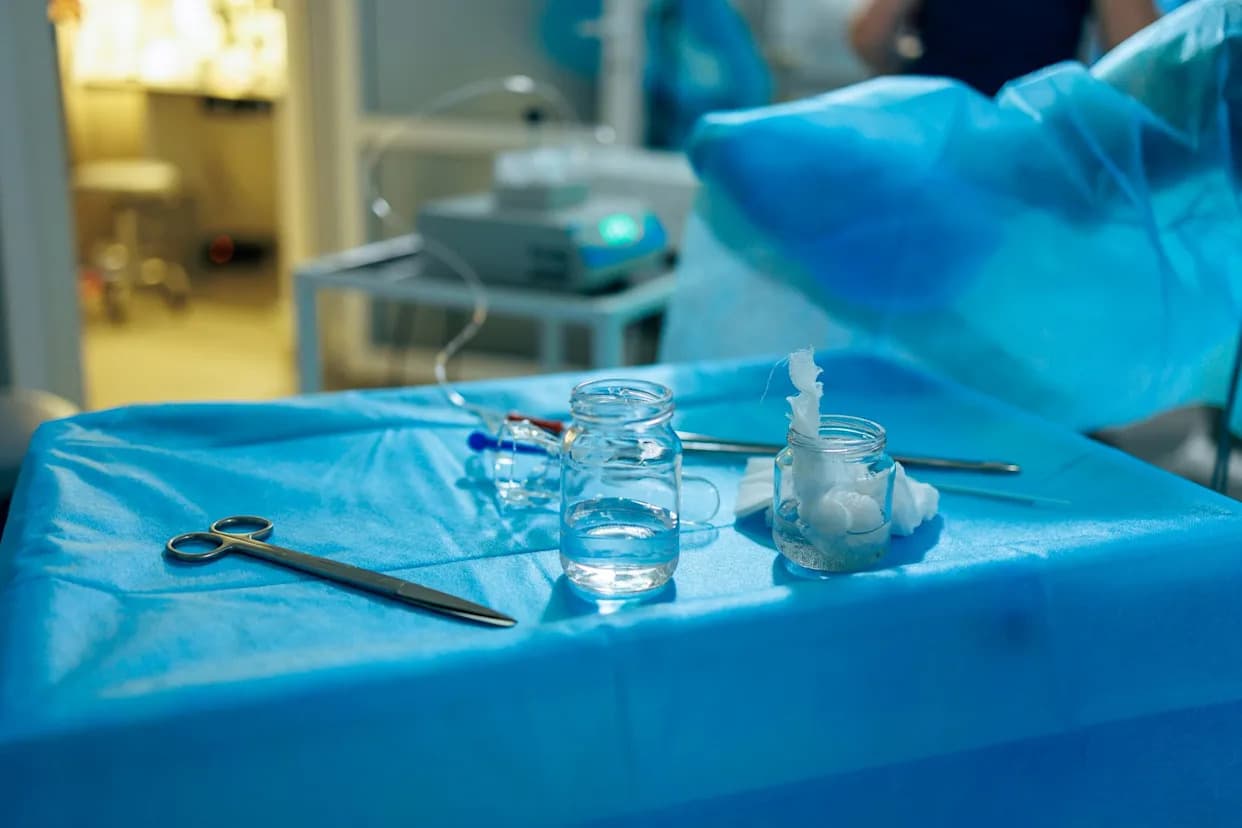
After the 2011 tornado in Joplin, Missouri, hospitals treated patients with deep, rapidly advancing infections from Apophysomyces variabilis. Investigators sampled soil along the tornado’s path and matched genetic signatures from environmental samples to those in patients’ wounds, concluding that the tornado aerosolized contaminated soil, water and debris and introduced the fungus through penetrating injuries. In many cases treatment required radical surgery, including amputations.
In 2019 researchers reported that Candida auris emerged roughly simultaneously across three continents as a drug-resistant human pathogen able to tolerate higher temperatures — suggesting climate change helped it bridge the thermal barrier that usually protects mammals from most fungi.
Valley fever, caused by Coccidioides immitis, illustrates a different dynamic. When the fungus appeared in Washington State in 2010 — well north of its usual range — investigators combined soil science, genomics, paleoclimate and archaeology. The evidence suggested a single, ancient introduction (possibly thousands of years ago) that became locally established and has expanded as regional soils have warmed and dried.
Why Interdisciplinary Work and Surveillance Matter
Solving these outbreaks requires cross-disciplinary collaboration: microbial genomics, soil ecology, climatology, anthropology and forensic-style detective work. The lessons from Joplin, Vancouver Island and Washington have changed how first responders and clinicians prepare for disasters — by anticipating environmental pathogens as part of the likely cascade of post-disaster risks.
Barriers: Funding, Treatments, and Surveillance
Despite growing risk, resources lag. Programs such as the CDC’s Epidemic Intelligence Service (EIS) have faced staffing fluctuations — recent recruiting has been below historical averages and temporary layoffs occurred during a government shutdown. Academic labs working on fungal vaccines and therapeutics, including at Johns Hopkins, face funding pressure. Because fungal diseases often affect regional populations or do not produce large, rapid outbreaks, pharmaceutical investment is limited; many infections lack vaccines, and some pathogens have few effective drugs.
That reality has real consequences. In outbreaks of novel fungal infections, clinicians may have only aggressive surgical options or old antifungals with serious side effects. Public investment in surveillance, diagnostics, and new antifungal strategies is critical to stay ahead of emerging threats.
Conclusion
Fungi are not new, but their behavior in a warming, heavily connected world is changing. The work of disease detectives — combining genomics, environmental sampling, climate data and historical context — provides the best early warning and path to prevention. As Engelthaler warns: "A threat anywhere can become a threat everywhere."
Help us improve.