An unusually wet December triggered a surge of death cap mushrooms in parts of California, producing what officials describe as an unprecedented outbreak of poisonings. The California Department of Public Health reported 35 related illnesses from Nov. 18 to Jan. 6, including three deaths and three liver transplants; victims ranged from 19 months to 67 years old. Many cases involved foragers who mistook death caps for edible species from their home countries. Symptoms typically begin 6–24 hours after ingestion and can escalate to liver failure within days; call 1-800-222-1222 or 911 in an emergency.
Unprecedented California Outbreak: Death Cap Mushrooms Linked to Hospitalizations, Three Deaths and Liver Transplants
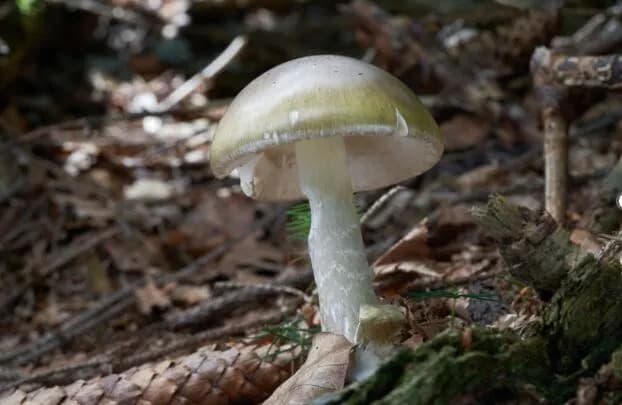
This undated photo provided by California Department of Health shows a Death Cap Mushroom.(California Department of Health via Associated Press)
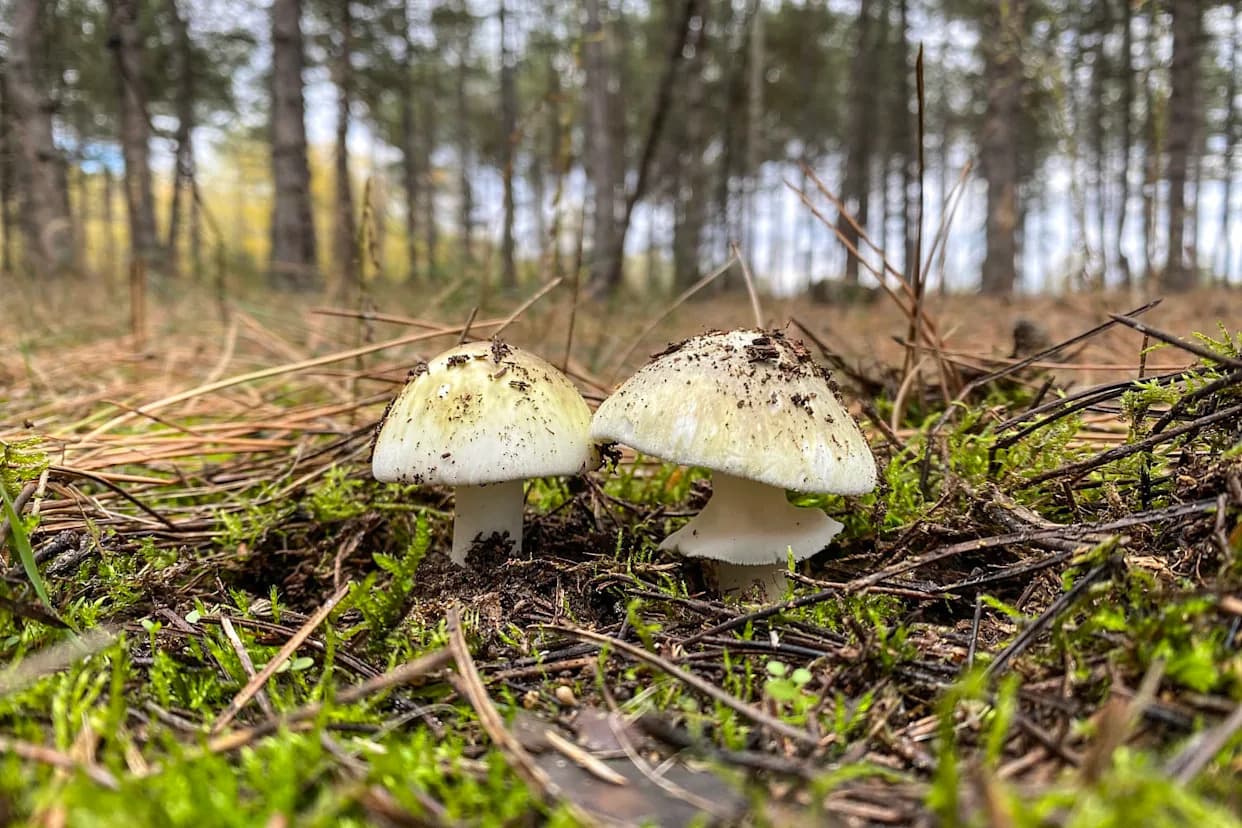
An unusually wet December has produced a surge of death cap mushrooms (Amanita phalloides) across California’s Central Coast and parts of Northern California. Public health officials call this an unprecedented outbreak of severe poisonings among people who foraged and ate the fungi.
State and local authorities have issued repeated warnings this winter urging the public not to forage wild mushrooms. The death cap contains potent toxins that can cause severe liver injury and, in some cases, death. There is no safe amount to eat, and cooking or freezing does not destroy the toxin.
Scope of the Outbreak
The California Department of Public Health reported 35 illnesses linked to death cap ingestion from Nov. 18 to Jan. 6, including three fatalities and three people who required liver transplants. Patients ranged in age from 19 months to 67 years. Craig Smollin, medical director of the San Francisco division of the California Poison Control System, said this is likely the largest outbreak the state has seen in recent history.
Who Is Affected and Where
Many cases involved people who mistook the death cap for edible mushrooms familiar from their home countries. Affected individuals include monolingual speakers of Spanish, Mandarin, Chinese, and Mixteco. Early clusters were reported in Monterey County and the San Francisco Bay Area; hospitalizations have since been recorded in Alameda, Contra Costa, Monterey, San Francisco, San Luis Obispo, San Mateo, Santa Clara, Santa Cruz and Sonoma counties.
What the Death Cap Looks Like
The death cap typically has a smooth, dome-shaped cap with olive to yellowish-green tones, white gills and white spores. It often grows beneath live oak and cultivated cork oak trees in shady, damp locations and proliferates after fall and winter rains. The death cap can resemble edible Volvariella species because both have a volva (a cup-like structure) at the base of the stem — but the death cap lacks an annulus (ring) on the stem that some look-alikes have. Identification is tricky and mistakes can be fatal.
Symptoms and Timeline
Toxins in the death cap typically cause delayed symptoms. Early gastrointestinal signs — which may briefly improve after a day — usually appear 6 to 24 hours after ingestion and include:
- Nausea
- Vomiting
- Diarrhea
- Abdominal pain
- Low blood pressure
- Fatigue and confusion
Within 48 to 96 hours, severe progressive liver injury can develop, potentially leading to full liver failure, the need for transplantation, or death.
Advice From Officials
Public health experts emphasize: do not eat foraged mushrooms unless identified with absolute certainty by a trusted expert. If you or someone you know has eaten a wild mushroom and develops symptoms, call California’s poison control hotline at 1-800-222-1222 for free, confidential help in multiple languages. If the person is in immediate danger, call 911.
“No amount of death cap is safe to consume,” said Craig Smollin. “There’s nothing — no cooking or freezing — that inactivates the toxin.”
This outbreak is a stark reminder of the serious risks of foraging without expert knowledge. Local health departments and mycological societies can provide guidance on safe mushroom practices and identification.
Originally reported in the Los Angeles Times.
Help us improve.