California has seen a sharp rise in poisonings from foraged "death cap" mushrooms, with 35 cases reported between Nov. 18 and Jan. 4 and three deaths since November. The state issued an advisory urging people not to eat wild mushrooms after clusters in Monterey and the Bay Area. Death caps contain amatoxin, which can cause delayed symptoms and fatal liver damage; even a tiny piece can be lethal. Officials advise buying mushrooms only from trusted sources and seeking immediate care for suspected poisoning.
Third Death in California Linked to 'Death Cap' Mushrooms as Foraging Poisonings Surge
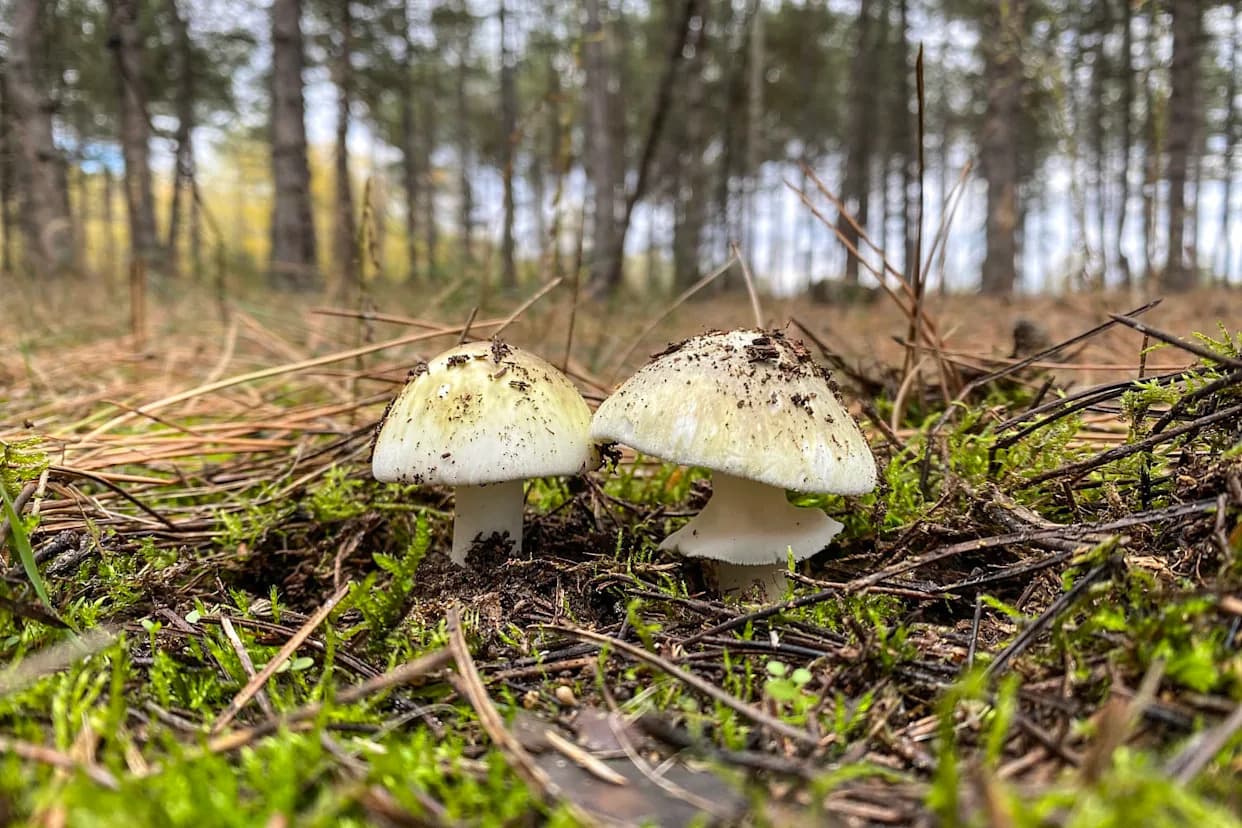
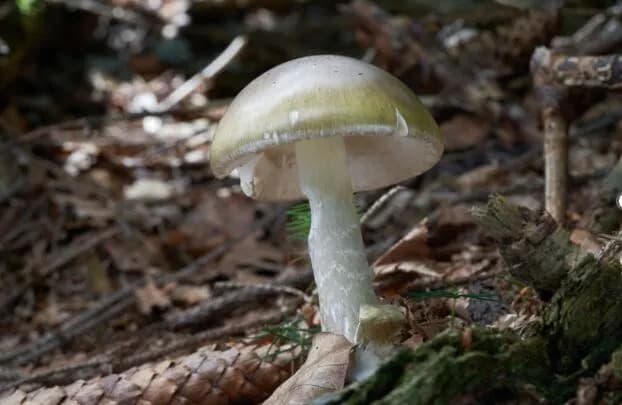
Death cap mushrooms, also called Amanita phalloides. (Anne Pringle)
A California man died last weekend after eating a "death cap" mushroom, marking the third statewide fatality linked to these toxic fungi since November. State health officials say the deaths are part of an unusually large wave of poisonings tied to foraged mushrooms.
What Officials Are Reporting
From Nov. 18 to Jan. 4, health authorities documented 35 cases related to wild mushroom foraging — far above the fewer-than-five cases typically expected in an average year. In response, the California Department of Public Health issued a Dec. 5 advisory strongly discouraging residents from consuming any mushrooms collected in the wild, citing clusters of cases around Monterey and the San Francisco Bay Area.
"The numbers we’re dealing with this year are comparatively off the charts," said Sheri Cardo, a communications specialist for the state health department.
Where The Latest Death Occurred
The most recent fatality was reported in Sonoma County and is the first death from wild mushrooms in that county this season. Dr. Michael Stacey, Sonoma County’s interim health officer, advised residents to buy mushrooms only from trusted grocery stores or retailers because some death cap mushrooms closely resemble edible varieties.
How Dangerous Are Death Cap Mushrooms?
The death cap (Amanita phalloides) contains amatoxin, a potent toxin that can damage the kidneys, liver and gastrointestinal tract. Symptoms may not appear for up to 24 hours and often begin with mild nausea, vomiting, diarrhea and abdominal pain. More severe reactions, including potentially fatal liver failure, can develop within two to three days.
Even a small piece — about the size of a standard sugar cube — can be lethal. This season, three patients in California required liver transplants after wild mushroom poisoning.
Why These Mushrooms Are Appearing
The death cap is an invasive species that likely arrived in California from Europe in the 1930s, probably with imported nursery trees. It commonly grows near oak trees and, less often, pines in Northern California. Officials say early rains and a mild fall contributed to an unusually large crop of these mushrooms this season.
Experts also caution that some people may mistakenly collect death caps because they resemble edible Amanita species commonly foraged in other countries. Officials noted that several poisoned individuals spoke Spanish and might have relied on foraging knowledge from outside the United States.
Advice For The Public
- Do not eat wild mushrooms unless identified by an expert mycologist.
- Purchase mushrooms from trusted stores and retailers.
- If you suspect mushroom poisoning, seek medical attention immediately and contact your local poison control center.
U.S. Poison Centers typically receive about 52 calls a year about amatoxin exposures, though not all cases are reported. Some mushroom experts say the immediate surge in sightings may be waning as winter progresses, but officials continue to urge caution.
Help us improve.