California officials say H3N2 subclade K is driving an uptick in influenza cases and hospitalizations statewide, while overall test positivity remains below last season's peak. Los Angeles County reported 162 hospitalizations and 18 ICU admissions between late 2025 and early 2026. Nationally, the CDC estimates roughly 15 million infections, 180,000 hospitalizations and 7,400 deaths this season. Officials urge vaccination and prompt antiviral treatment to reduce severe illness.
California Sees Rise in Flu Cases as H3N2 Subclade K Spreads — Officials Urge Vaccination and Early Treatment

A person receives both a flu and COVID-19 vaccine at CVS in Huntington Park in August 2024.(Christina House / Los Angeles Times)
California public health officials and infectious disease experts warn that a newly emerged influenza A strain, H3N2 subclade K, is driving an increase in flu cases and hospitalizations across the state. The California Department of Public Health on Tuesday described seasonal flu activity as elevated, noting that test positivity rates have risen in recent weeks, though they remain lower than last season's peak.
Current Picture
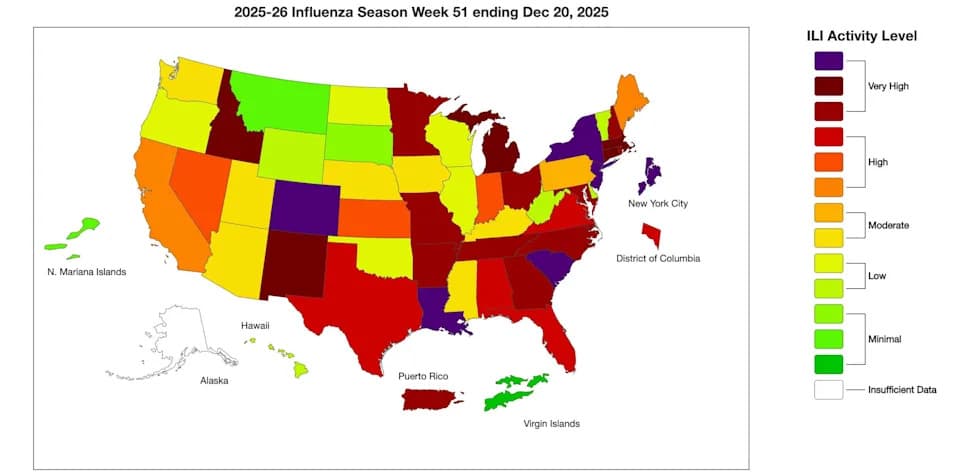
State data show high positivity in Central California and the Bay Area, moderate activity around Sacramento and parts of Southern California, and lower activity in more rural northern counties. In Los Angeles County, health department figures report 162 flu-related hospitalizations and 18 ICU admissions between late 2025 and early 2026.
National Context
The Centers for Disease Control and Prevention estimates this season has produced at least 15 million infections in the U.S., with about 180,000 hospitalizations and 7,400 deaths since late fall — the highest number of cases in more than 30 years. At least two pediatric flu-associated deaths have been confirmed in California.
Why Experts Are Concerned
Researchers say H3N2 subclade K appears to have mutated in ways that may partially evade immunity from this season's vaccine because it emerged after the vaccine formula was finalized. Nevertheless, public health officials emphasize that current seasonal vaccines still reduce the risk of severe illness, hospitalization and death.
Clinical Trends And Healthcare Strain
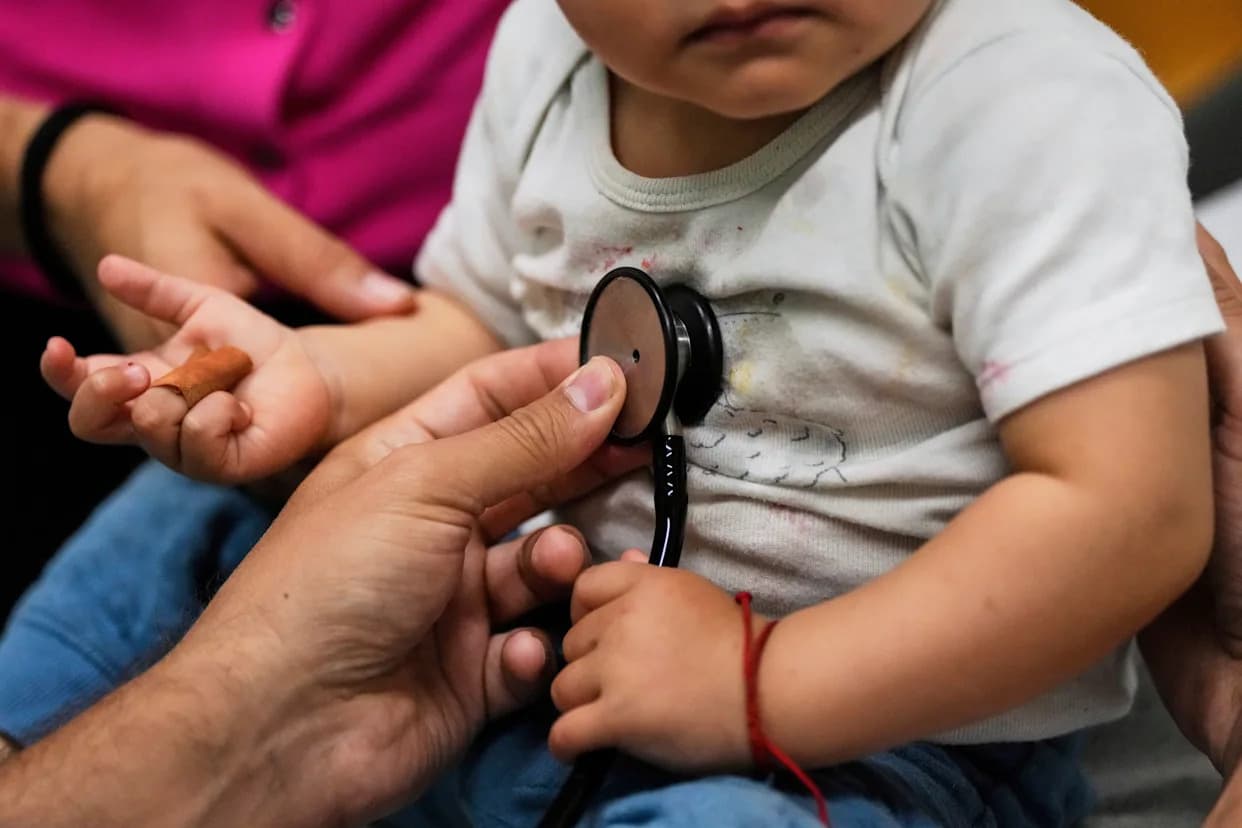
Most flu cases reported so far are being managed without inpatient care, but hospitals are seeing an increased share of admissions among older adults and people with underlying risk factors. Typical symptoms include fatigue, fever, cough and body aches; clinicians warn the illness can hit hard, particularly in young children and other high-risk groups, where complications such as dehydration, pneumonia or inflammation of the brain or heart can occur.
"Flu started to rise, in earnest, by mid-December and rates are still up," said Dr. Elizabeth Hudson, regional physician chief of infectious diseases for Kaiser Permanente. "We are hoping to see some plateauing in the next few weeks, but there’s some delay in data due to recent holidays."
What You Can Do
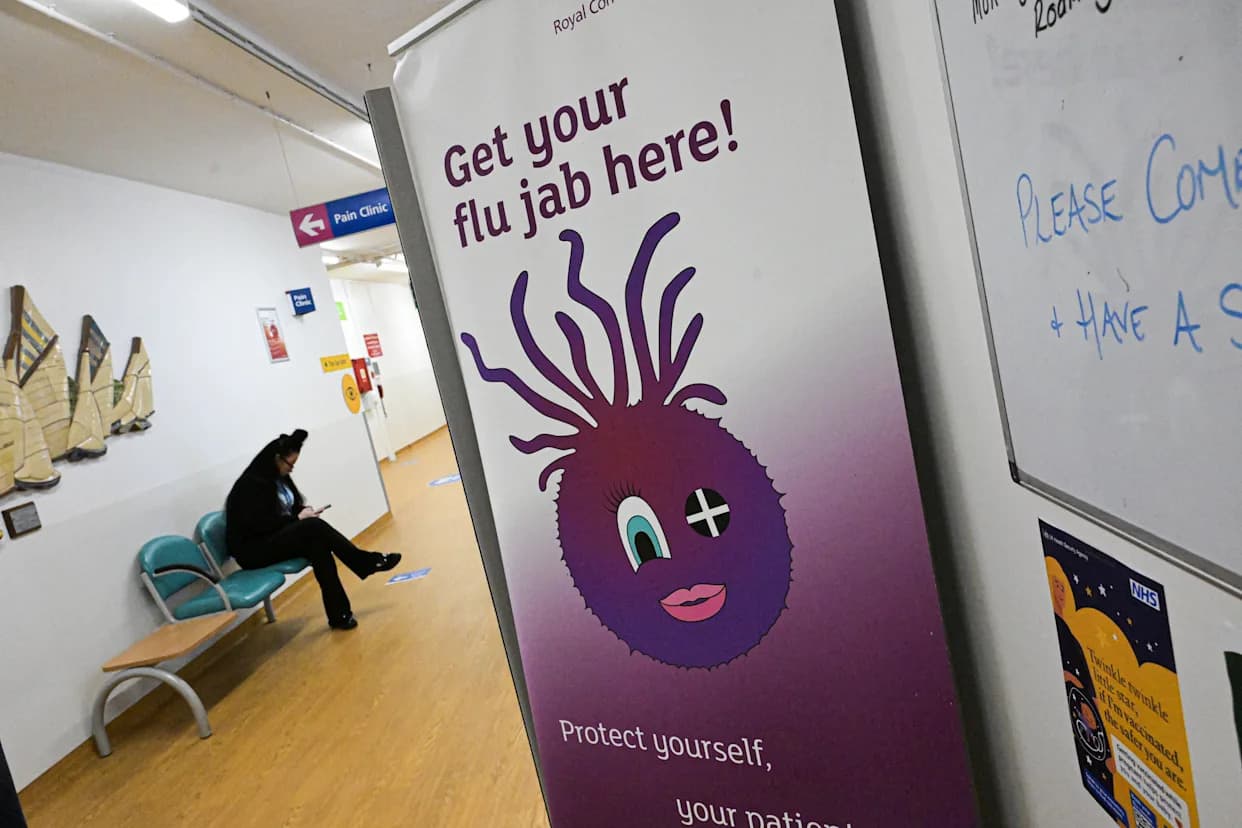
Public health officials urge people — especially those at higher risk (young children, older adults, pregnant people and those with chronic conditions) — to get vaccinated, seek prompt antiviral treatment (such as oseltamivir/Tamiflu) if they develop symptoms, and follow common-sense precautions: stay home when sick, wash hands frequently, and consider masking in crowded or high-risk settings.
The H3N2 subclade K strain has also driven severe seasons in Australia, Japan, the United Kingdom and parts of Europe and Asia, underscoring the global nature of this season's flu activity.
Bottom line: Vaccination and early access to antiviral treatment remain the best tools to reduce severe outcomes. Monitor local health department updates and contact a healthcare provider promptly if you or a loved one develop flu symptoms.
Help us improve.