The Women’s Institute will stop offering formal membership to transgender women after the U.K. Supreme Court ruled — in the context of a challenge to Scottish board representation rules — that trans women should not be treated as women under the Equality Act. CEO Melissa Green said the step is necessary to comply with the judgment but stressed the change applies only to formal membership. The WI plans to set up local "sisterhood groups" to provide social and support opportunities for transgender women outside formal membership. The ruling has already led to policy changes by other bodies, including the Football Association and guidance from the Equality and Human Rights Commission.
Women’s Institute to Bar Transgender Women from Formal Membership After UK Supreme Court Ruling

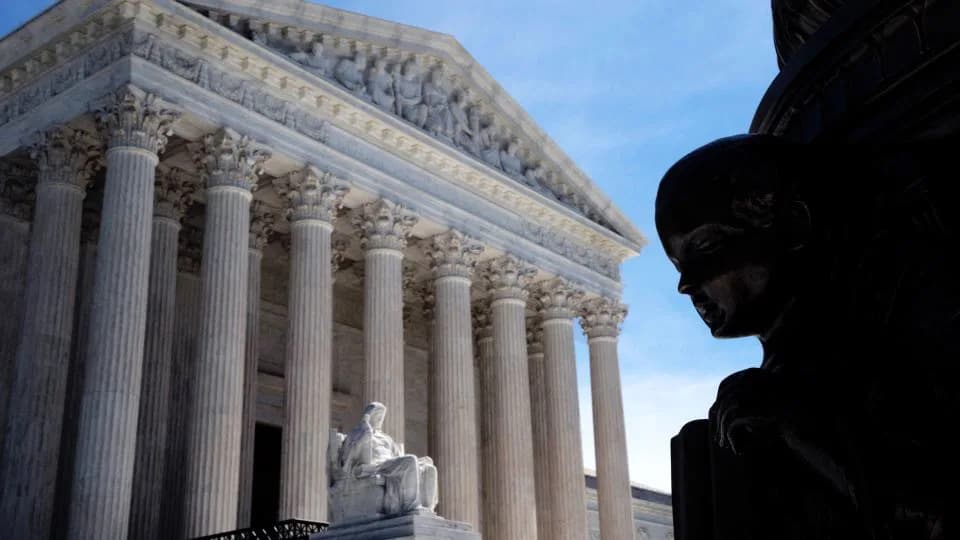
The Women’s Institute (WI), the United Kingdom’s largest women’s membership organisation, has announced it will stop offering formal membership to transgender women following a U.K. Supreme Court ruling earlier this year. CEO Melissa Green said the decision is unavoidable if the WI is to remain a legally recognised women’s organisation and charity.
Green said in a statement that "this is not something we would do unless we felt that we had no other choice" and that the change applies only to the WI’s formal membership policy. "To be able to continue operating as the Women’s Institute — a legally recognised women’s organisation and charity — we must act in accordance with the Supreme Court’s judgment and restrict formal membership to biological women only," she added, while maintaining that the organisation still recognises transgender women.
Legal background
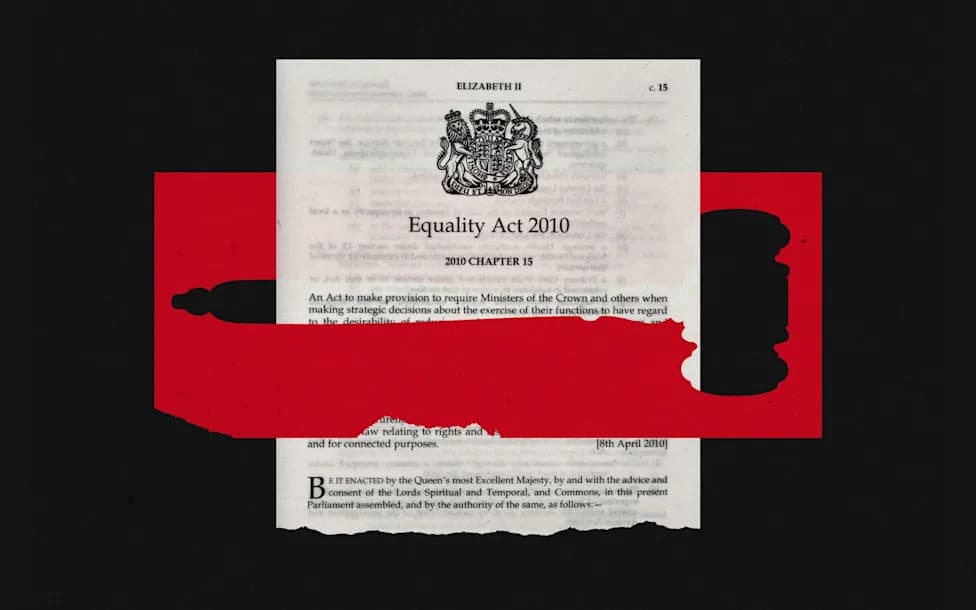
The decision follows a legal challenge to a 2018 Scottish law requiring equal numbers of men and women on public organisation boards. Under that law, trans women with a Gender Recognition Certificate (GRC) could be counted as women. A group called For Women Scotland, which campaigns for what it calls "sex-based rights," challenged that inclusion. After losing in Scottish courts, the group appealed to the U.K. Supreme Court. The court ruled in favour of the challengers, concluding that, for the purposes of the Equality Act in this legal context, trans women are not to be treated as women.
Impact and wider policy changes
The ruling has already prompted policy changes across several organisations. In May, the Football Association moved to bar transgender women from competing in women’s competitions. In August, the Equality and Human Rights Commission (EHRC) issued guidance restricting trans people’s access to certain single-sex facilities in some circumstances; the guidance covers settings such as schools, hospital wards, sports clubs, domestic violence refuges, prisons, charities and some retailers.
WI response and next steps
While formally restricting membership, the WI said it is seeking to continue inclusive ties with transgender women outside of formal membership. In April the organisation plans to launch a national network of local "sisterhood groups" that it says will "offer monthly opportunities for all people, including transgender women, to come together to socialise, learn from each other, and share their experiences of living as women."
Green acknowledged the decision will be painful for many members and said the WI has been exploring alternative ways to extend fellowship and support to transgender women who have been part of the organisation.
Key figures connected to the legal challenge include For Women Scotland and public support from author J.K. Rowling, who helped fund the case. The debate remains highly divisive and is prompting swift policy changes across UK institutions.
Help us improve.