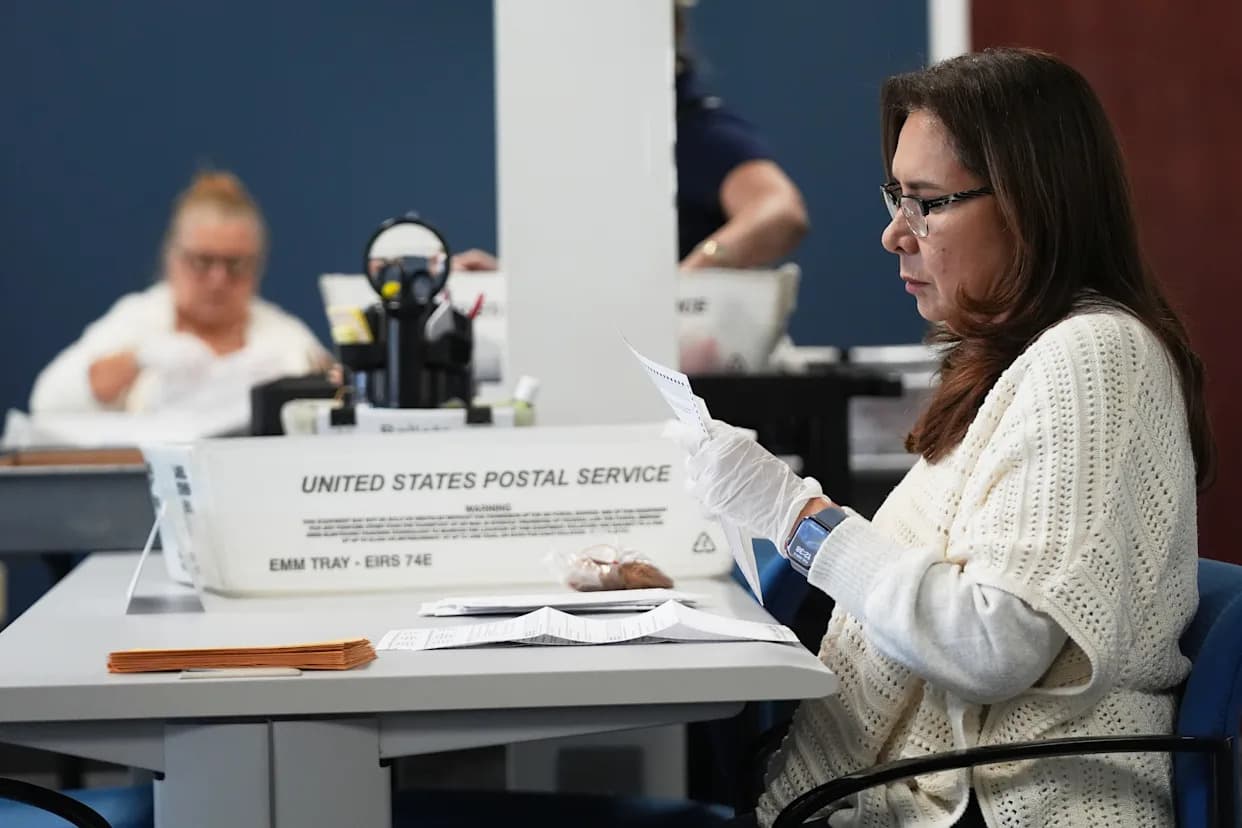
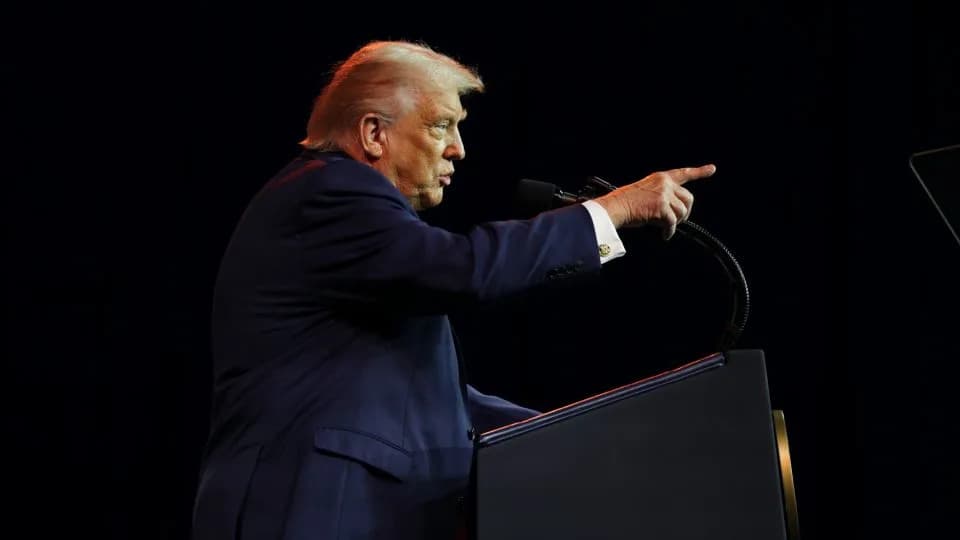
The North Carolina federal trial focuses on whether Senate Bill 747's tighter same-day registration rules discriminate against college students. Witnesses Cleta Mitchell and Jim Womack testified they pushed legislators to curb or end same-day registration and proposed bill language plaintiffs say lawmakers adopted without study. Plaintiffs argue the changes disproportionately affect students—about half of same-day registrants—and could violate the 26th Amendment; defenders deny the activists drove the law. Analysts say the provision would likely change only a few thousand votes out of roughly 5.7 million cast in 2024.
Trump Ally Admitted Push to Eliminate Same-Day Registration, Court Testimony Shows

A federal trial in North Carolina examined whether Senate Bill 747, a 2023 voter-registration law, discriminates against college students by tightening rules for same-day registration. Judge Thomas Schroeder heard a weeklong trial in Winston-Salem and set a deadline for post-trial briefs at the end of November as he weighs whether the law's contested provisions should stand.
Prominent conservative election-integrity activists Cleta Mitchell and Jim Womack testified they urged lawmakers to curb or end same-day registration. Mitchell, a Trump ally and founder of the Election Integrity Network, and Womack, president of the North Carolina Election Integrity Team, both acknowledged advocating for stricter rules and proposed language that plaintiffs say influenced legislators.
What the law does
The challenged provision of SB 747 allows a ballot to be set aside if a single registration confirmation letter sent to a voter's address is returned as undeliverable. It also requires same-day registrants to provide proof of residence—documents such as an electricity bill—requirements not imposed on other registrants.
Key testimony and allegations
According to a plaintiffs' brief filed by Democracy North Carolina, Mitchell testified in deposition that she thought election officials had not made "sufficient effort to confirm residency of college students," though at trial she accepted that in-state college students should be permitted to register and vote. In deposition she also described same-day registration on campuses as a partisan strategy, saying it allowed students to "just roll out of bed, vote, and get back into bed," because, in her view, students tended to favor one party overwhelmingly.
"You create a continuum where you're just breaking little bones all along the arm. Pretty soon you've got a broken arm," Mitchell told the court, arguing same-day registration creates a chain of small irregularities that add up to a serious problem.
Plaintiffs maintain that state lawmakers relied on recommendations and proposed bill language from Mitchell and Womack. Womack acknowledged campaigning to eliminate same-day registration in North Carolina—arguing the state was unique in the South for permitting it and that the practice created a "special class of voters" and opportunities for fraud. At trial he described college voters dismissively, saying their attention often turns to registration only shortly before an election and can be influenced by peers.
Defense and plaintiffs' response
State officials defending the law argued there is "no evidence that legislators adopted any recommendation because of" Mitchell and said plaintiffs' theory largely rests on "guilt-by-association." Plaintiffs counter that legislators adopted the activists' suggested language without studying the provision's likely effects or collecting data on its impact.
Chris Shenton, senior counsel for voting rights at the Southern Coalition for Social Justice and counsel for the plaintiffs, said lawmakers accepted activists' claims about potential fraud without conducting independent analysis. "They did no study of what the provision would do," he said. "They requested no data on what its likely impact would be."
Scope and impact
Plaintiffs note that roughly half of same-day registrants in North Carolina are college students and argue that measures that disproportionately burden students could run afoul of the 26th Amendment's protections against age-based discrimination. In 2024 about 5.7 million North Carolinians voted in the presidential election; the state's margin for Donald Trump was roughly 183,000 votes. Legal analysts say the SB 747 provision at issue would likely affect only a few thousand votes at most. Womack told the court that about 4,000 same-day registrants last year did not provide partial Social Security numbers or driver's license information.
Judge Schroeder will consider the parties' briefs before issuing further rulings. The case highlights a broader national debate over access to the ballot, the role of advocacy groups in shaping election law, and how states balance election integrity concerns with efforts to ensure broad voter participation.
Help us improve.