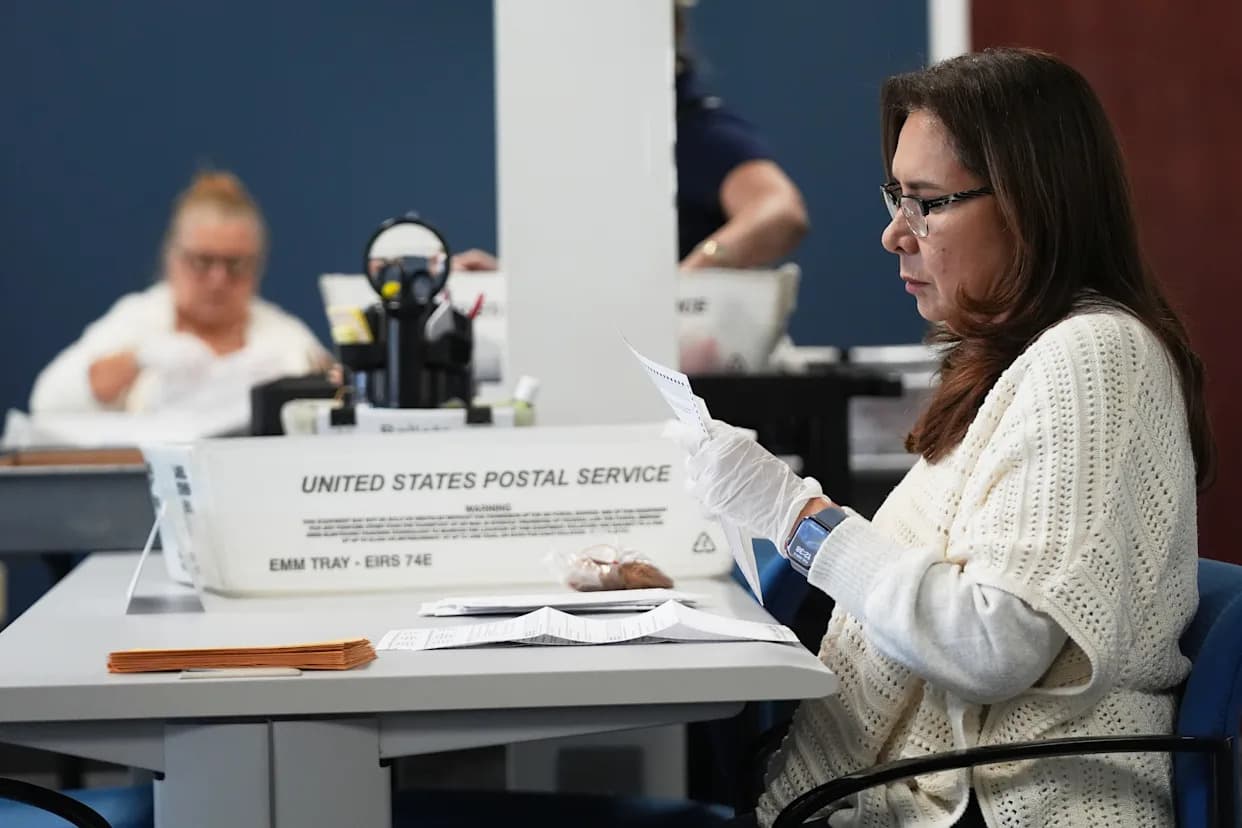
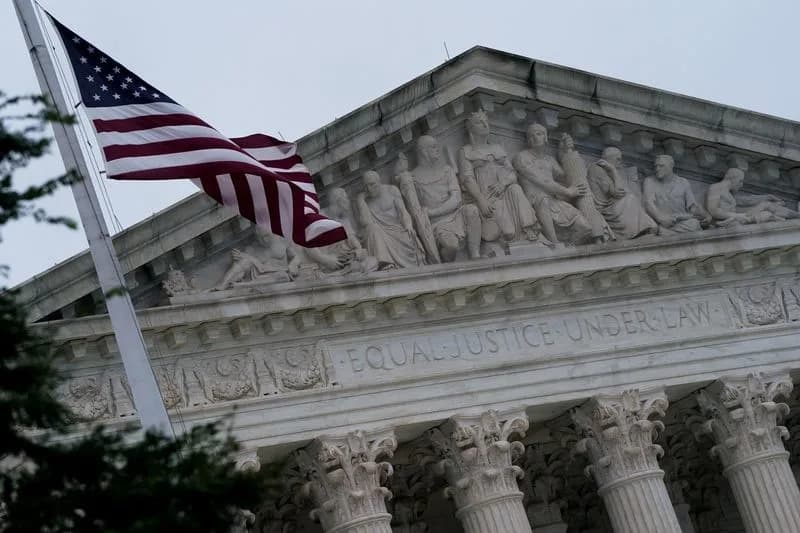
The US Supreme Court revived a lawsuit by Illinois Republican Rep. Mike Bost challenging a state rule that allows mail-in ballots postmarked by Election Day to be counted if they arrive later. Chief Justice John Roberts wrote the 7-2 majority opinion, saying candidates have a concrete interest in vote-counting rules; Justices Ketanji Brown Jackson and Sonia Sotomayor dissented. The high court's ruling addresses standing — whether a candidate can sue — not the constitutionality of counting late-arriving ballots. The decision lets Bost pursue his claim that campaign costs after Election Day amount to an injury.
Supreme Court Revives Republican Challenge To Illinois Rule Allowing Late-Arriving Mail Ballots
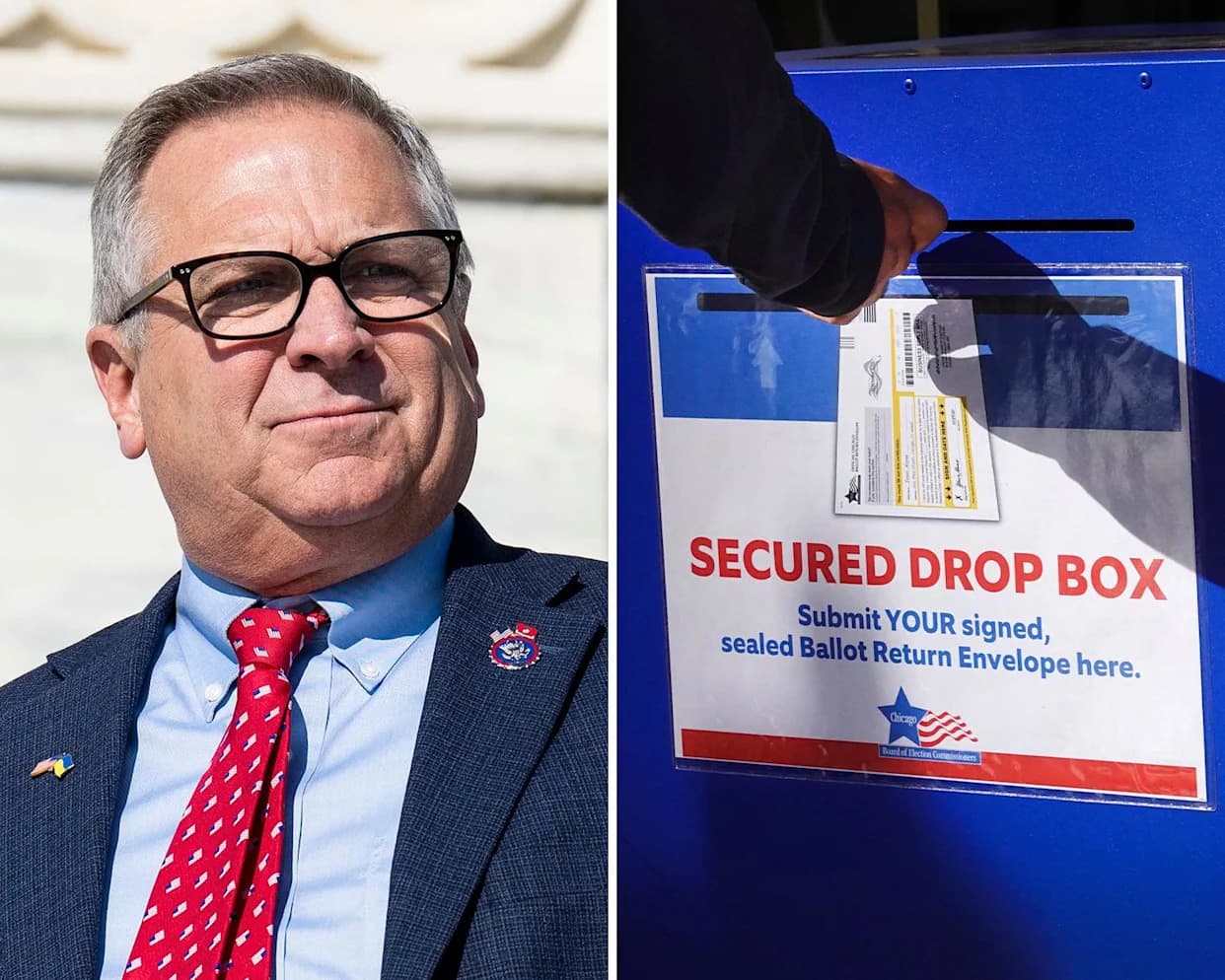
Michael Bost argued that the law allowing ballots to be counted up to two weeks after election day unconstitutionally allows an extension of the election period.Composite: CQ-Roll Call, Getty Images
The US Supreme Court on Wednesday revived a lawsuit brought by Illinois Republican Rep. Mike Bost that challenges a state law permitting mail-in ballots to be counted if they arrive after Election Day but are postmarked on or before that date. The court's 7-2 ruling clears the way for Bost to pursue his claim that the rule injures his interests as a candidate.
What the Court Said
Chief Justice John Roberts wrote the opinion for the majority, emphasizing that candidates have a "concrete and particularized interest" in the rules that govern how votes are counted in their elections. Roberts wrote that candidates' interests extend to the integrity of elections and the democratic process by which they gain or lose support.
"Candidates have a concrete and particularized interest in the rules that govern the counting of votes in their elections, regardless whether those rules harm their electoral prospects or increase the cost of their campaigns," Roberts wrote.
The Dissent
Justice Ketanji Brown Jackson, joined by Justice Sonia Sotomayor, dissented. Jackson argued that political candidates should meet the same actual-injury requirements as other litigants and warned that creating a special standing rule for candidates risks complicating standing doctrine and destabilizing election procedures.
Scope Of The Case
The legal dispute focused on whether a federal candidate has Article III standing to sue over the Illinois law — not on whether counting late-arriving, postmarked ballots is itself unconstitutional. At oral argument, justices questioned whether a candidate should be treated as an "object" of a regulation and whether the likelihood that late mail-in ballots could alter an election matters to standing.
Context And Reaction
Sixteen states, plus Guam, Puerto Rico, the U.S. Virgin Islands and Washington, D.C., count mailed ballots received after Election Day when they are postmarked on or before that date. Eight states mail ballots to all registered voters while retaining in-person voting; four of those states — Washington, Oregon, California and Nevada — also count late-arriving mailed ballots.
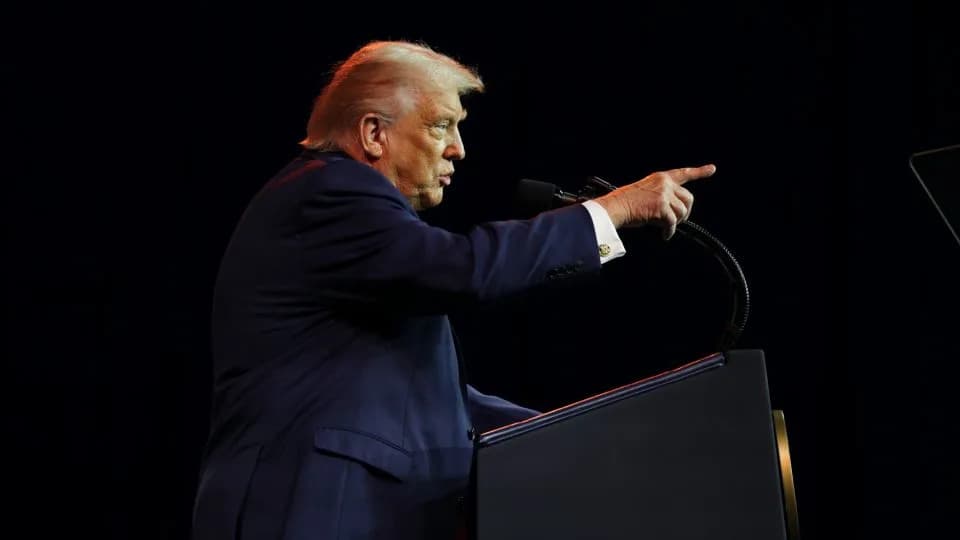
The case has been embraced by conservatives aligned with former President Donald Trump, who has repeatedly criticized mail-in voting and in March issued an executive order directing the attorney general to "take all necessary action" against states that include post-Election Day mail ballots in final tabulations. Civil-rights groups including the Brennan Center, the ACLU and the League of Women Voters previously sued to block that order.
Procedural History
The lawsuit reached the Supreme Court after lower courts dismissed Bost's claim, finding he lacked a legally cognizable injury and therefore had no standing. Bost contended that the financial cost of keeping campaign staff on duty after Election Day constitutes an injury sufficient to give him standing to challenge the law.
The Supreme Court's decision does not resolve the constitutionality of the Illinois practice; it permits Bost's challenge to proceed so that the underlying issues can be litigated in the lower courts.
Help us improve.