Relatives say Imran Khan was denied visits at Adiala jail for nearly a month, sparking protests and rumours about his health. After a supervised meeting, his sister reported he appeared physically well but complained of near‑solitary conditions and described the treatment as "mental torture." Khan is serving multiple sentences in cases he calls politically motivated. Analysts warn that restricting access could strengthen his support and escalate political tensions.
Blocked Visits to Imran Khan Ignite Protests and Raise Political Stakes in Pakistan

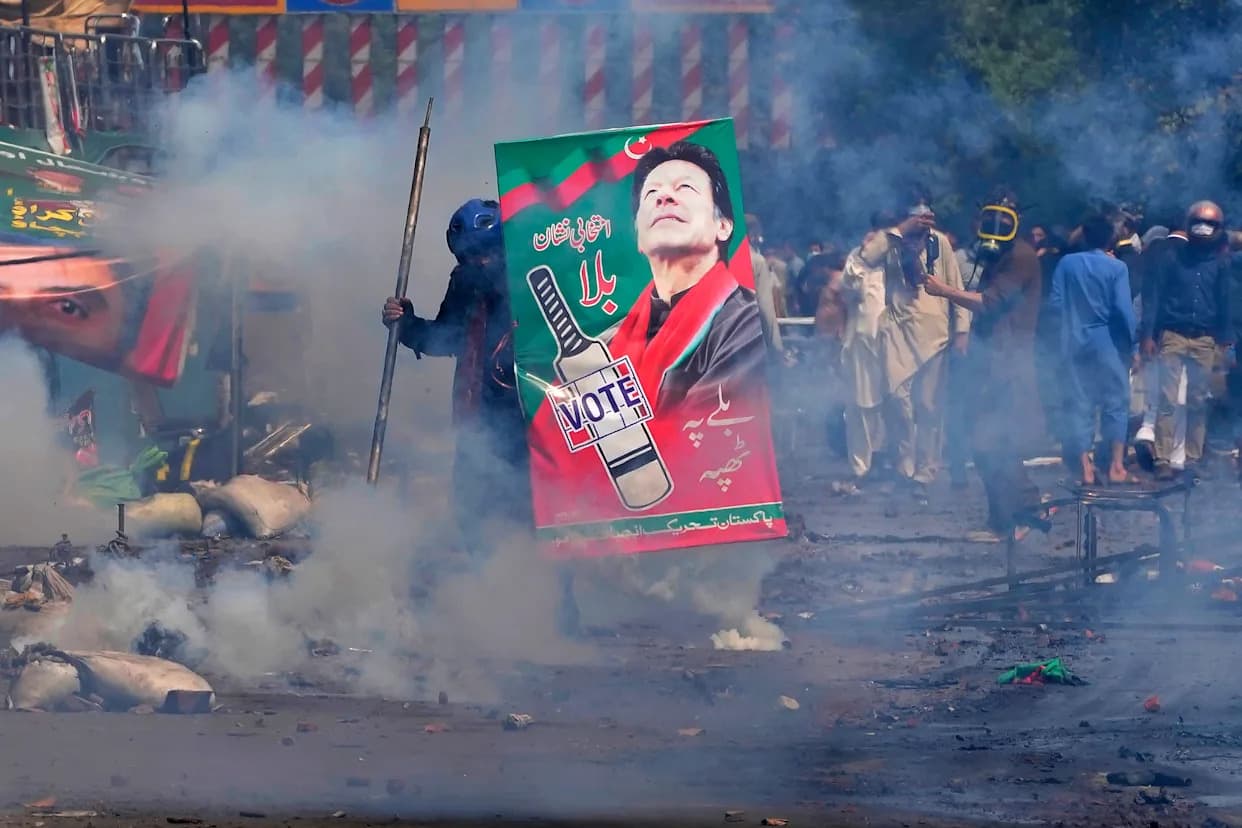
For nearly a month, relatives of Pakistan’s jailed former prime minister Imran Khan, 73, say they were denied visits at Adiala central jail in Rawalpindi, near Islamabad. That denial of access provoked protests and fuelled concern about his wellbeing. After his sister, Dr Uzma Khanum, finally met him on Tuesday, she said he appeared physically well but described prolonged isolation and harsh conditions as "mental torture."
Key legal cases and sentences
Al-Qadir Trust case: Prosecutors allege Khan and his wife accepted land worth 7 billion rupees (about $25 million) via the al-Qadir Trust in exchange for favours. In January 2025 an accountability court sentenced Khan to 14 years and his wife, Bushra Bibi, to seven years. Both deny the charges.
Toshakhana case: Khan was convicted of selling state gifts reportedly worth more than 140 million rupees (roughly $497,000) that he allegedly received while prime minister; he received a 14-year sentence.
Cypher case: Khan and senior PTI leader Shah Mahmood Qureshi were convicted under the Official Secrets Act over a classified diplomatic cable and were sentenced to 10 years each in January 2024.
Anti-terrorism and other cases: Khan faces anti-terrorism charges linked to violent protests by his supporters; he has pleaded not guilty and proceedings are ongoing. A separate charge relating to the timing of his marriage (the iddat period) was dismissed and the couple were acquitted.
Visits, court orders and protests
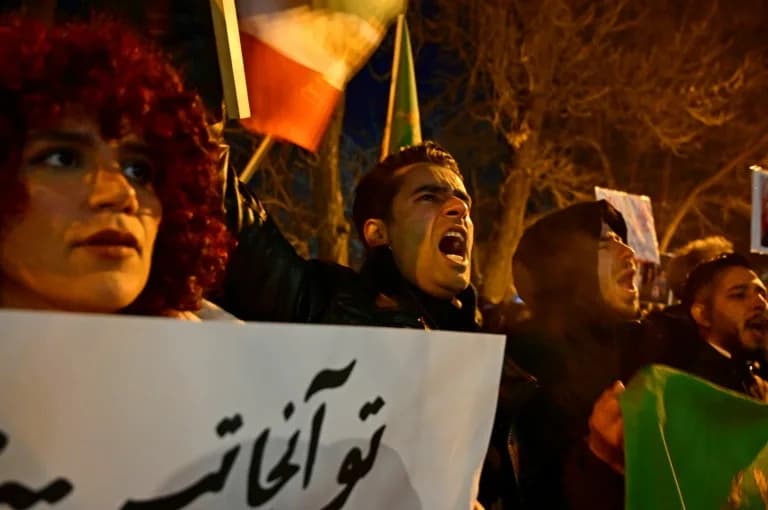
Family members and PTI leaders say court-authorised visits — ordered by the Islamabad High Court to take place on Tuesdays and Thursdays — were repeatedly blocked. Their complaints led to demonstrations outside Adiala jail on 18, 25 and 28 November, where relatives and supporters demanded access and raised alarms about Khan’s condition.
Dr Uzma Khanum described a tightly supervised 30-minute meeting in which mobile phones were prohibited. She said Khan told her he was confined to a small cell for most of the day, had limited outdoor time and little contact with others, and that the experience amounted to "mental torture." She also said Bushra Bibi was being held in similarly restrictive conditions.
Authorities have not publicly confirmed an official ban on visits or explained any reasons for restricting access. Local officials invoked Section 144 of the Criminal Procedure Code to restrict public gatherings in Islamabad and Rawalpindi while protests continued. A government lawmaker stated Khan was in good health and accused foreign media of spreading rumours about his condition.
Political implications
Analysts warn that isolating a high-profile political figure like Khan risks galvanising his support base and deepening national polarization. Imtiaz Gul, executive director of the Center for Research and Security Studies (CRSS), suggested the apparent aim of restricting access may be to pressure Khan into compromise and blunt anti-government sentiment. Usama Khilji, a columnist and digital-rights advocate, said such measures undermine due process and send a warning to political opponents.
PTI was barred from contesting the 2024 national elections; many members ran as independents and won a significant number of seats. The party alleges vote manipulation to limit its success, while the government and military deny those claims. The dispute over access to Khan has become a flashpoint, energising supporters, testing legal and prison oversight, and raising wider questions about the rule of law and political reconciliation in Pakistan.
Help us improve.