An anti-terrorism court in Islamabad sentenced seven men — including three journalists, two YouTubers and two retired army officers — to life imprisonment for allegedly inciting the May 9, 2023 riots. The defendants were tried in absentia and have been living abroad to avoid arrest. They may appeal within seven days; rights groups warn the verdict highlights mounting constraints on media freedom in Pakistan.
Pakistan Court Sentences Seven — Including Journalists and YouTubers — to Life Over 2023 Riots
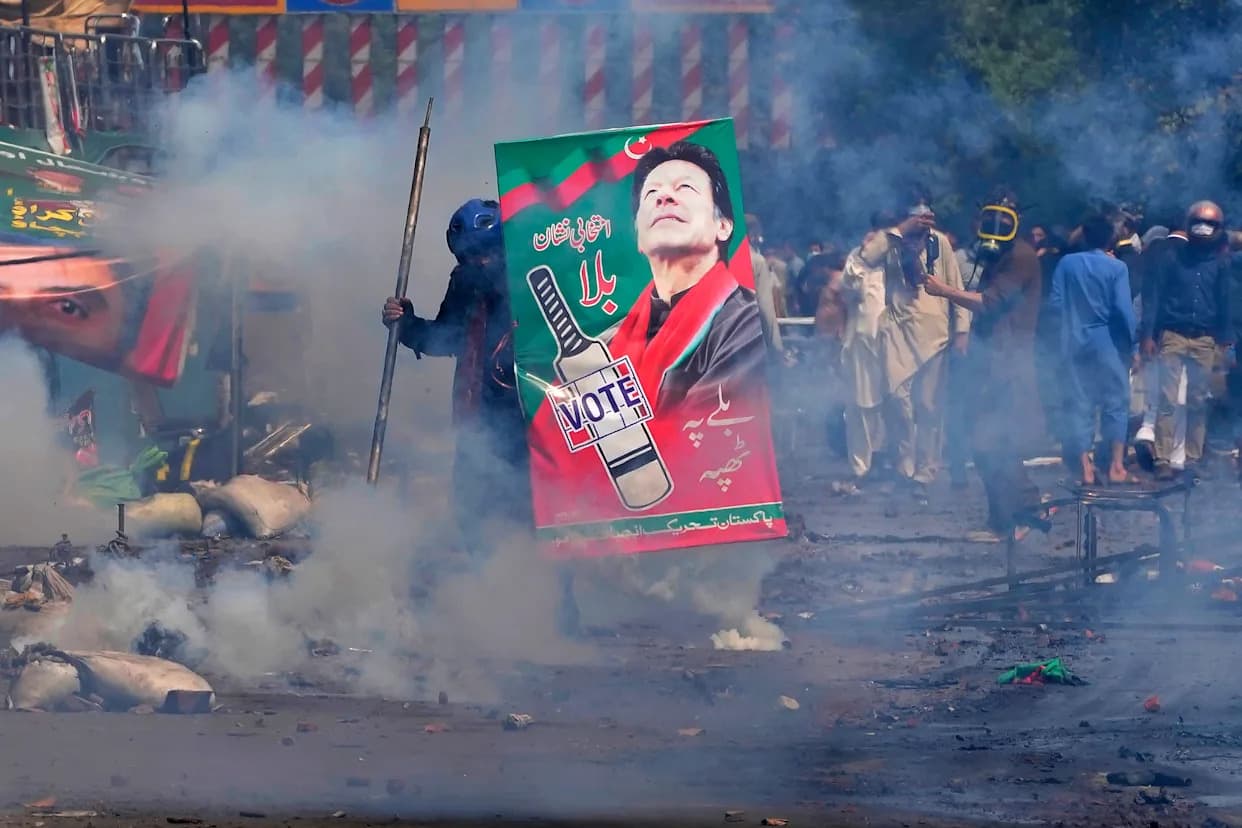
FILE - Supporters of former Prime Minister Imran Khan take cover after riot police officers fire tear gas to disperse them during clashes, in Lahore, Pakistan, Wednesday, March 15, 2023. (AP Photo/K.M. Chaudary, File)
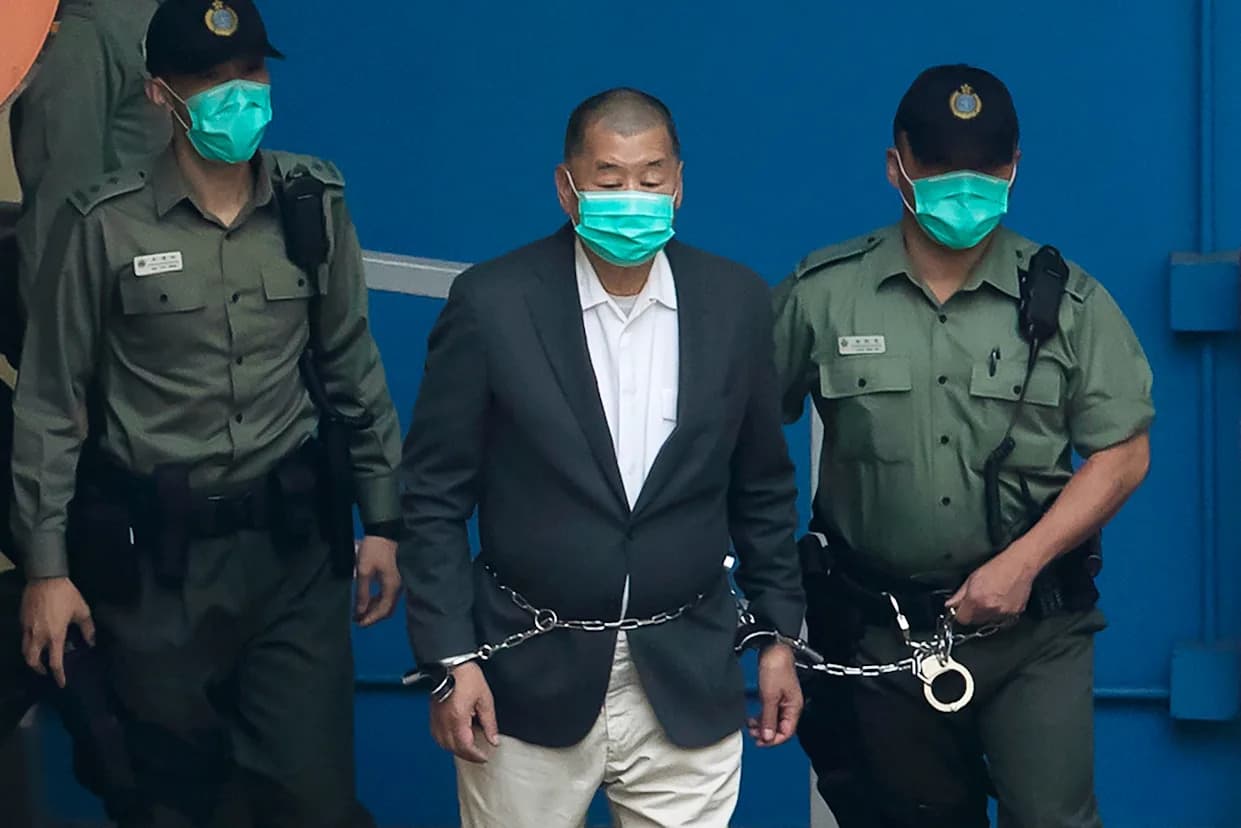
An anti-terrorism court in Islamabad on Friday sentenced seven men to life imprisonment after convicting them of inciting violence during the May 9, 2023, riots and of spreading hatred against state institutions.
Judge Tahir Abbas Sipra announced the verdict after completing trials held in absentia. None of the accused were present for the ruling; court records say they have been living abroad in recent years, having left Pakistan to avoid arrest.
Those convicted include former editor Shaheen Sehbai; journalists Sabir Shakir and Moeed Pirzada; YouTubers Wajahat Saeed Khan and Haider Raza Mehdi; and retired army officers Adil Raja and Akbar Hussain.
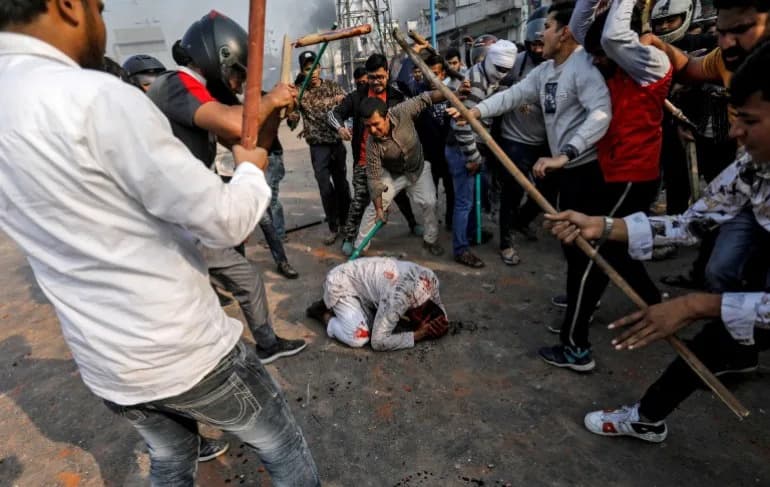
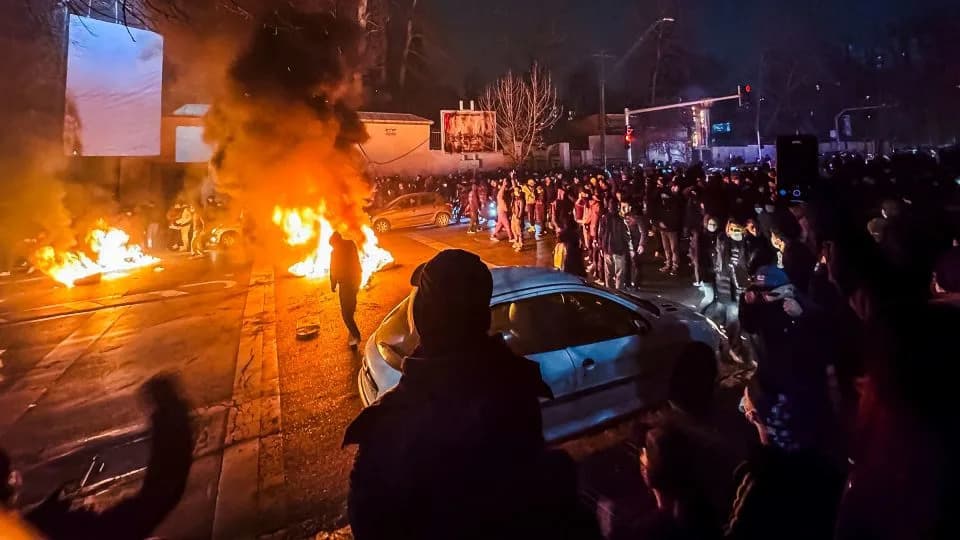
The charges relate to violent unrest that followed the arrest of former prime minister Imran Khan in a graft case. On May 9, 2023, thousands of Khan’s supporters attacked military sites, set government property on fire, ransacked the residence of a senior army officer and damaged the state-run Radio Pakistan building.
Prosecutors argued that the seven defendants, known for publicly backing Khan, helped incite the demonstrations after Khan repeatedly accused the United States and Pakistan’s military of engineering his removal from power. Khan was removed in April 2022 through a parliamentary no-confidence vote and was later indicted in 2024 on separate charges that he incited violence; he denies those allegations.
Sabir Shakir — who once hosted a popular program on ARY TV and now lives abroad — told The Associated Press he was aware of the conviction but was not in Pakistan when police accused him of encouraging mob violence.
“The ruling against me and others is nothing but a political victimization,” Shakir said. He added that he traveled to Saudi Arabia for pilgrimage and later sought asylum in the U.K. after concluding he could face "fabricated cases" if he returned to Pakistan.
Shakir said the trial was held in absentia and that his lawyer’s arguments were not heard. According to the court order, the seven have the right to file appeals within seven days; police were directed to arrest them and transfer them to prison should they return to Pakistan.
Human rights defenders and representatives of journalists’ unions say freedom of speech in Pakistan has been shrinking amid growing restrictions on the media. The Sharif government maintains it supports free expression while urging journalists and online creators to follow basic ethics and professional standards. The U.S. government, the Pakistani military and Prime Minister Shehbaz Sharif have denied allegations that they conspired in Khan’s removal.
Legal and political context: The convictions follow a politically charged period in Pakistan, with ongoing legal cases against political leaders and heightened scrutiny of media figures who back opposition voices. Observers say the case will likely deepen debate over the balance between national security and press freedom in Pakistan.
Help us improve.