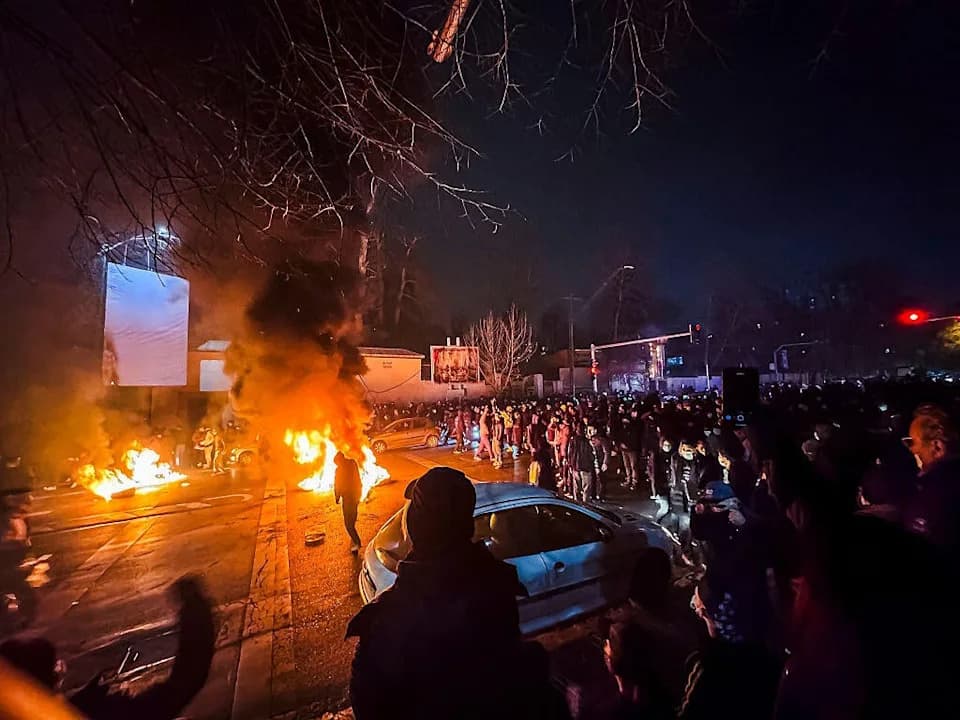
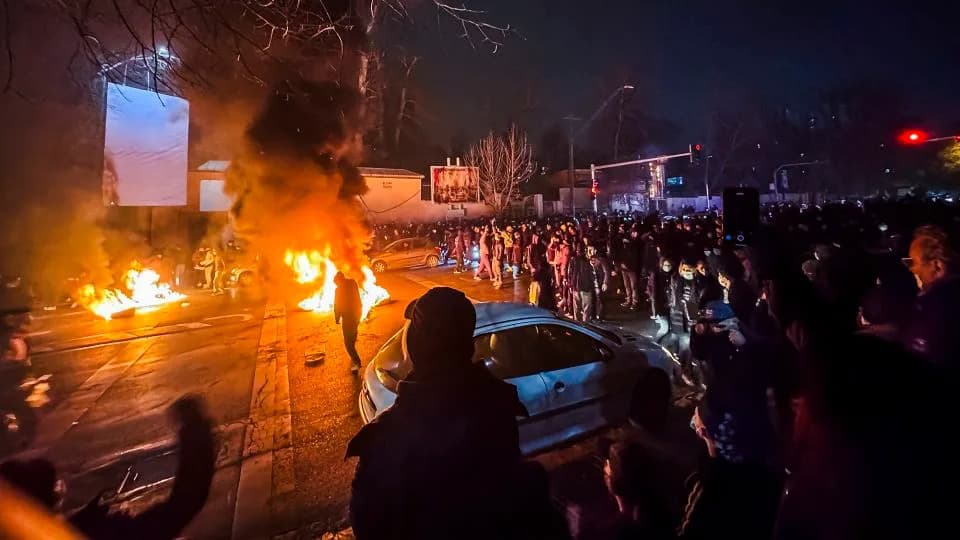
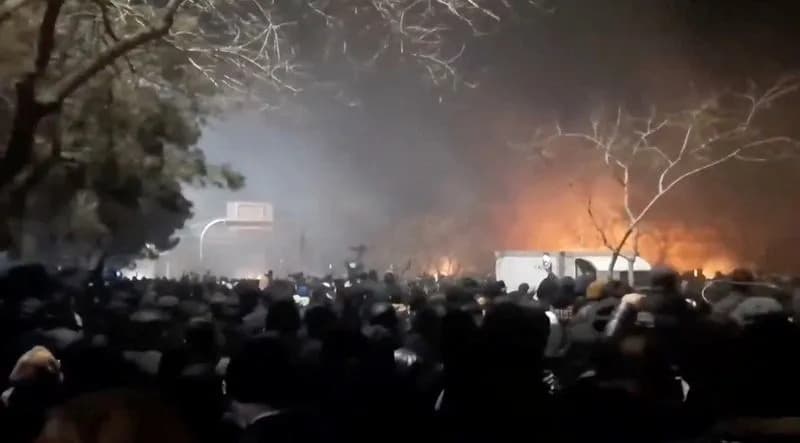
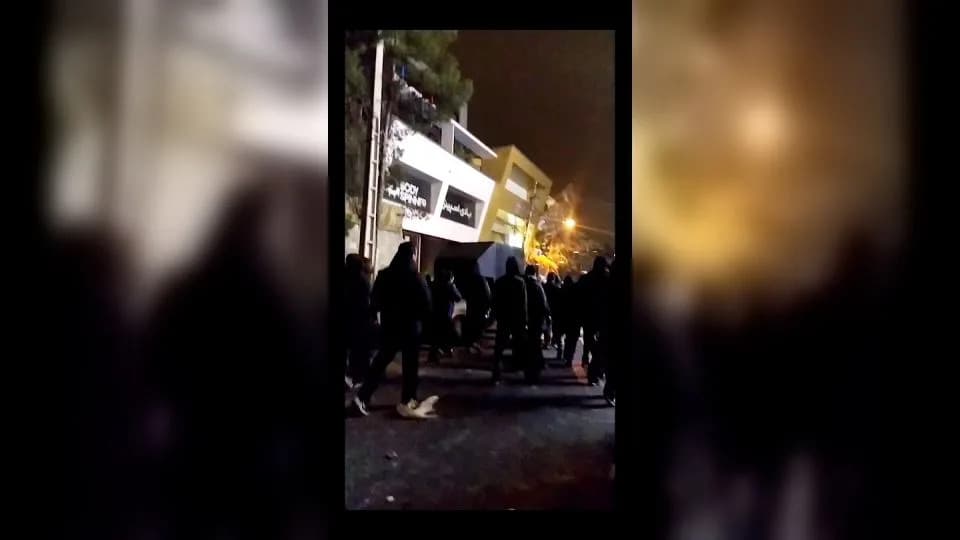
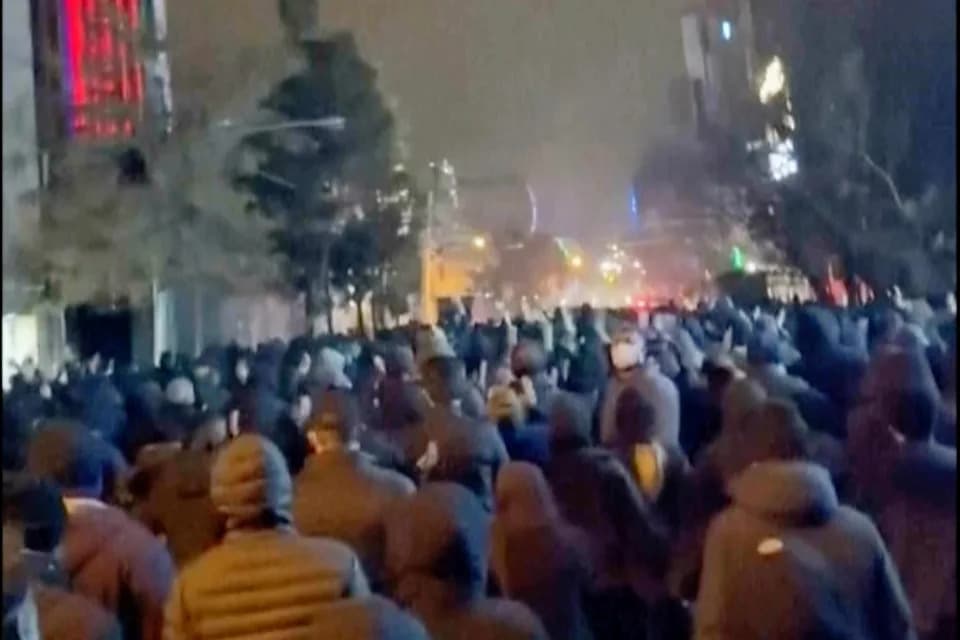
Turkish police prevented Iranian nationals from demonstrating outside Iran's consulate in Istanbul, sealing off the area and keeping crowds at a distance. The protests in Iran began on December 28 over economic grievances and have since evolved into a nationwide challenge to the theocratic regime. Norway-based Iran Human Rights says at least 192 protesters have been killed; exiles in Istanbul reported communications blackouts and expressed mixed demands, from support for Reza Pahlavi to calls for a democratic republic.
Turkey Blocks Iranians From Protesting Outside Iran's Consulate In Istanbul; Exiles Voice Mixed Demands
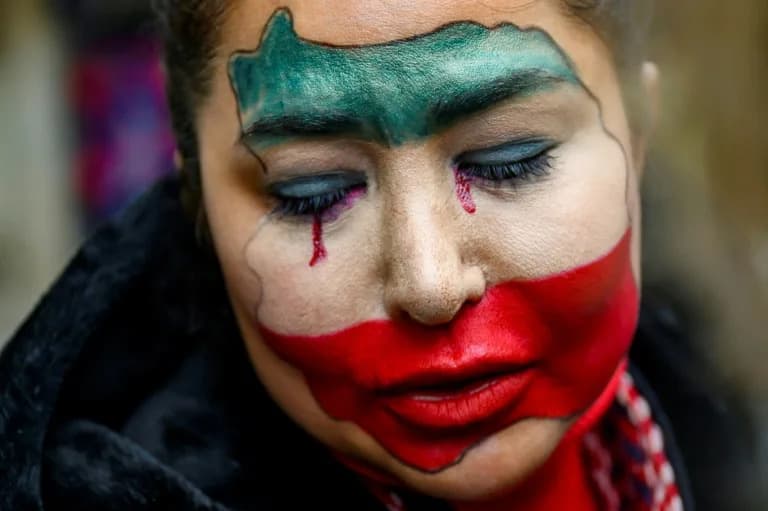
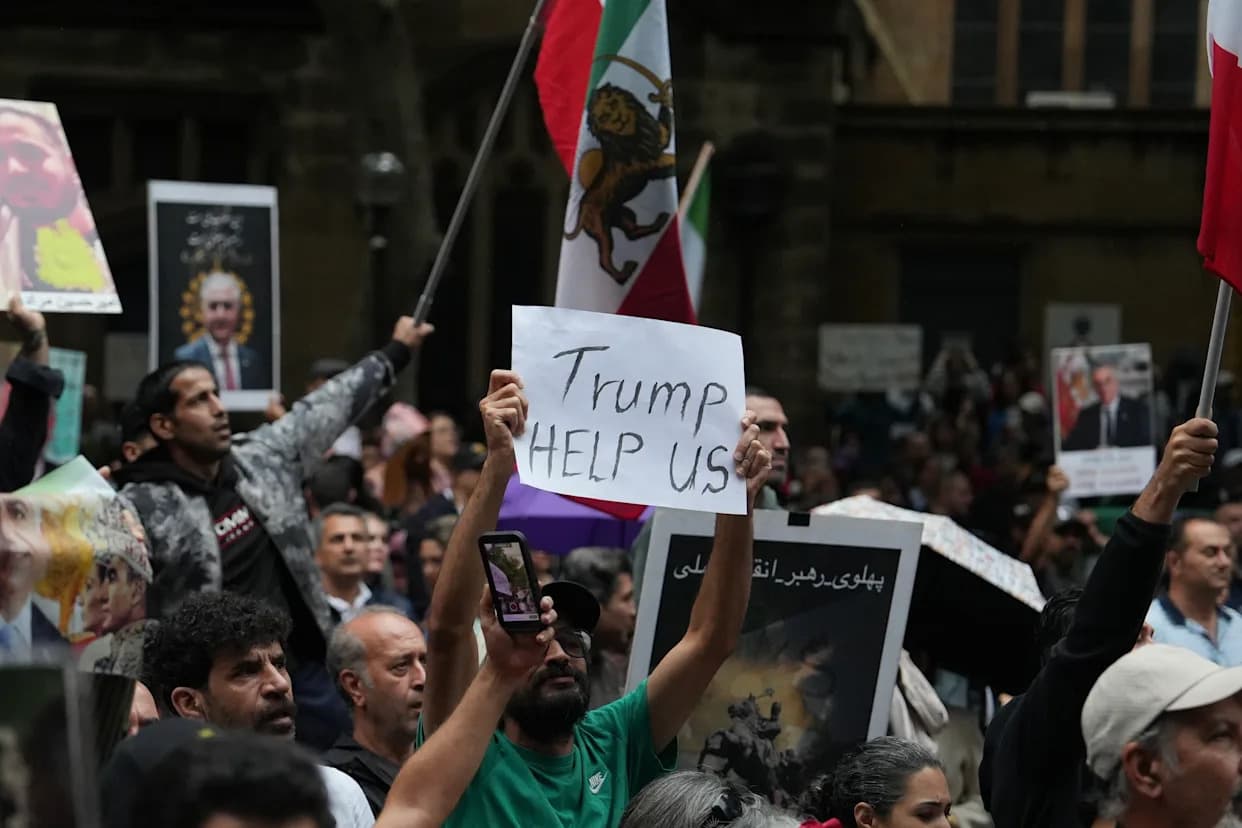
Demonstrators gathered under steady rain outside Iran's consulate in Istanbul (Yasin AKGUL)(Yasin AKGUL/AFP/AFP)
Turkish police on Sunday prevented Iranian nationals from staging a protest outside Iran's consulate in Istanbul, sealing off the area and blocking crowds from approaching the diplomatic mission.
Background
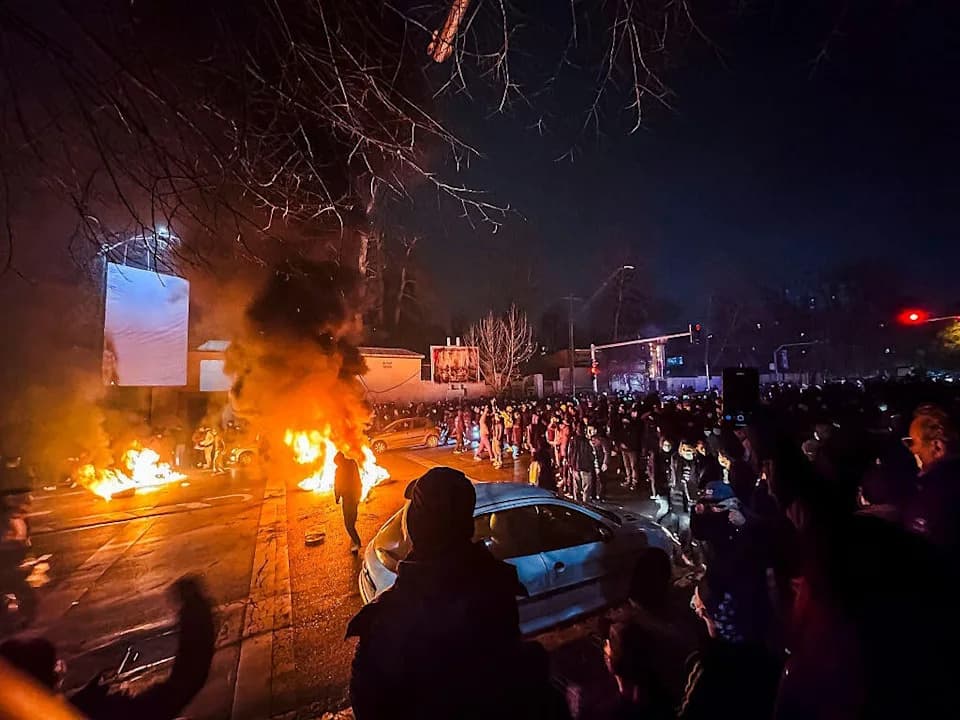
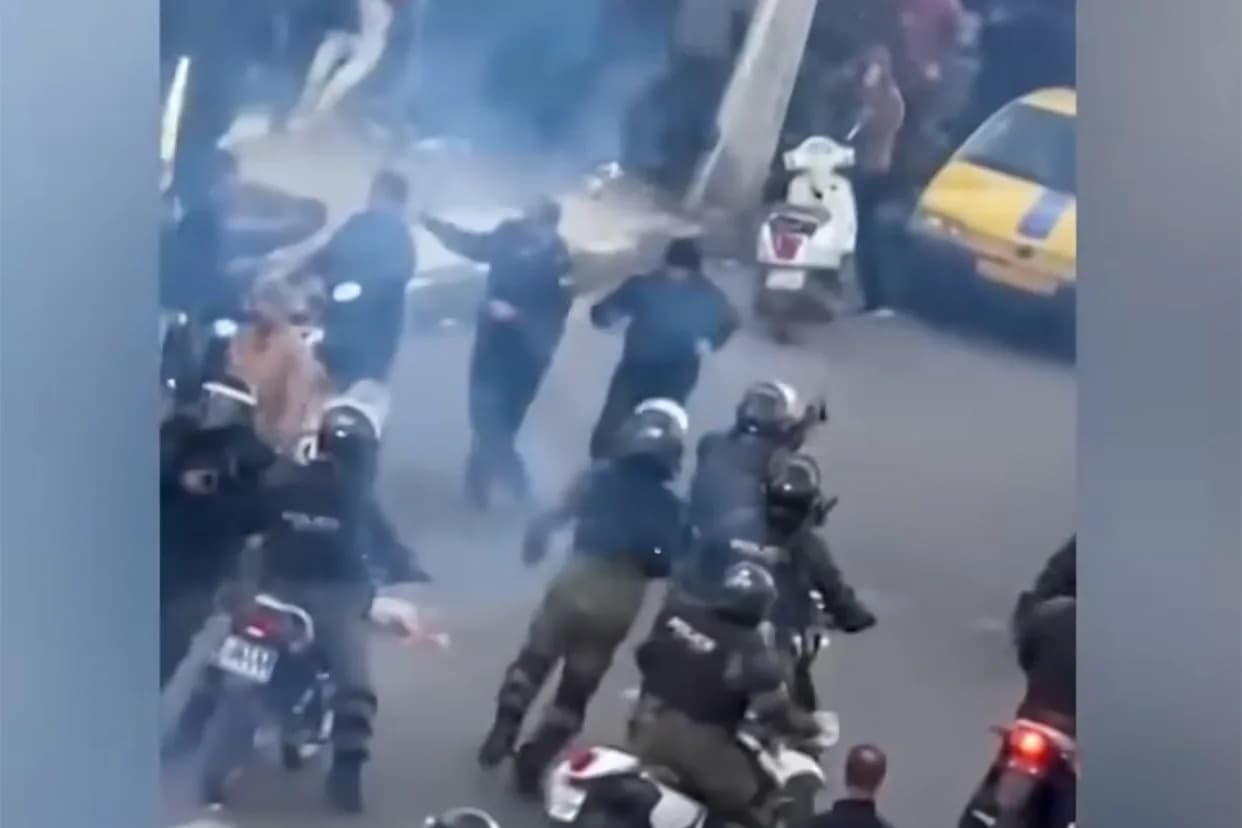
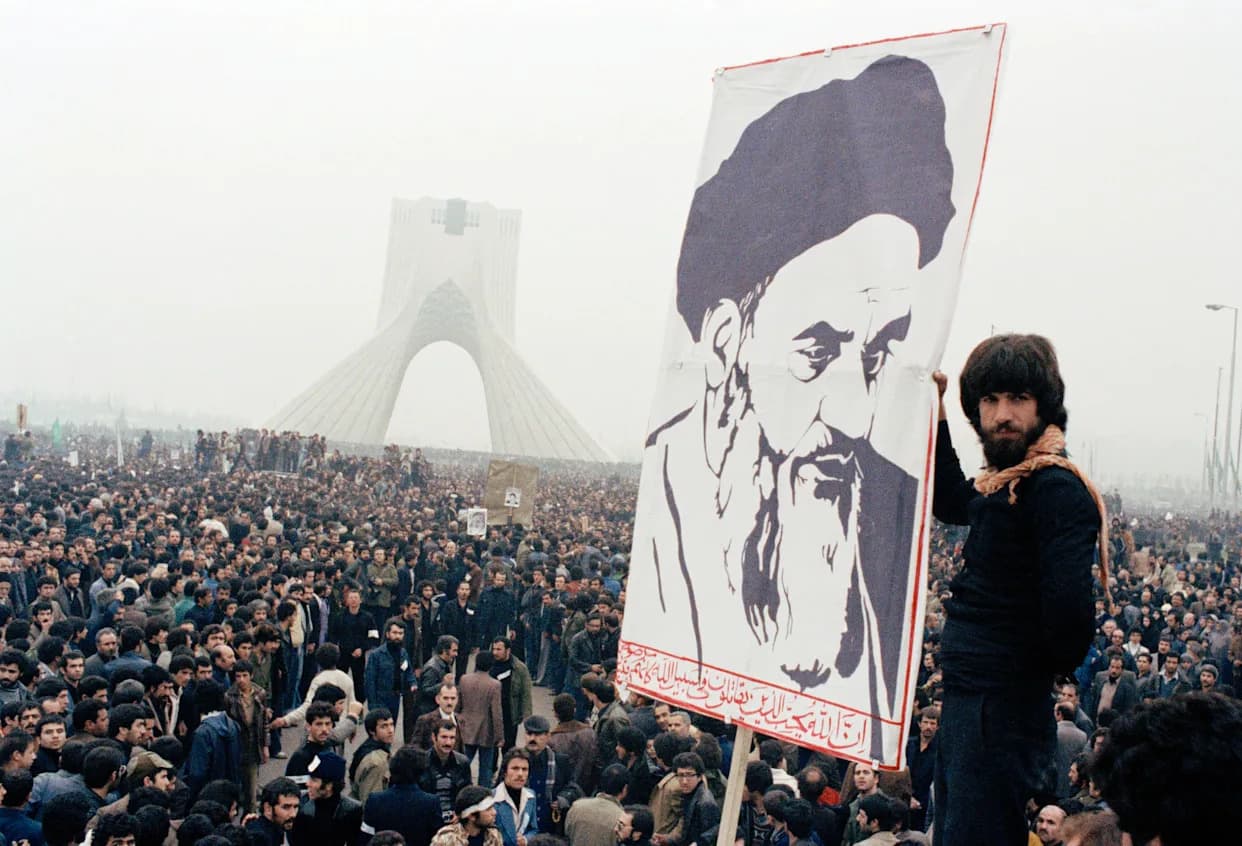
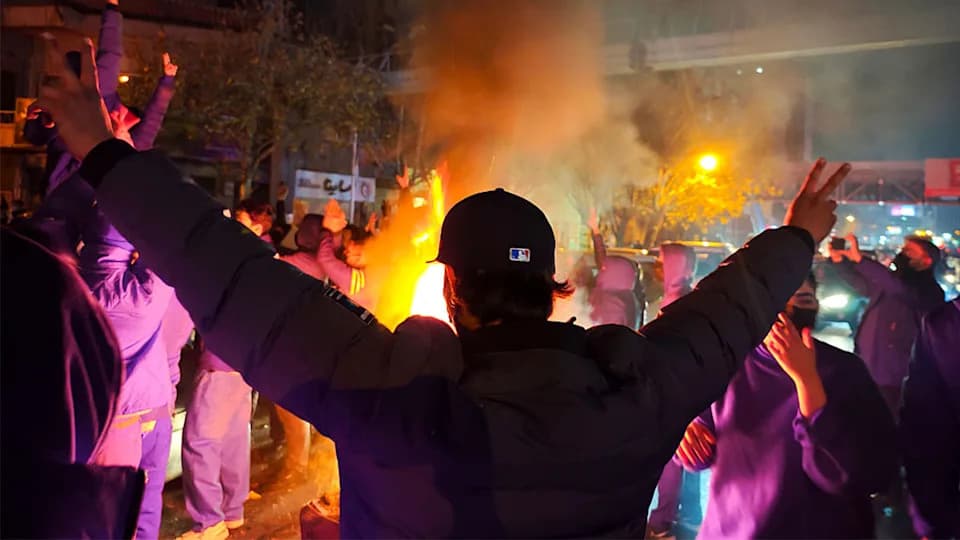
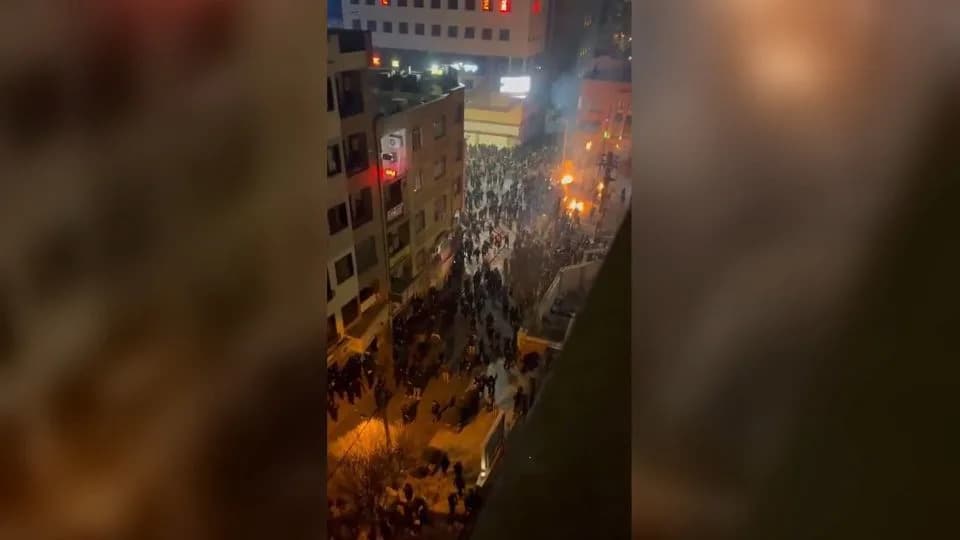
The unrest in Iran, sparked on December 28 by rising living costs, has spread nationwide and become a direct challenge to the theocratic government that has ruled since the 1979 revolution. Norway-based Iran Human Rights reports at least 192 protesters killed amid the crackdown.
Voices From Istanbul
Protesters gathered under steady rain in Istanbul to show solidarity with those back home. Nina, a young Iranian exile, said she came because she had not heard from family for days amid reported communications blackouts.
'It's been 72 hours since we've had any news from the country or our families. With no internet or television, we can't reach Iran anymore.'
'The regime kills at random — whether families are walking or in cars, whether there are children. It spares no one,' she added.
Amir Hossein, a singer from Tehran who has lived in Turkey for 20 years, called for international attention and intervention.
'Our regime is not normal; it kills. But this time, victory is ours and we are going to win.'
Some demonstrators expressed support for Reza Pahlavi, the exiled son of Iran's ousted shah, while others rejected a return to monarchy. 'We want democracy, a republic, not a monarchy,' said Mehdi, an exiled engineer, calling Pahlavi 'incapable of uniting people.'
Regional Context
Turkey, a predominantly Sunni country, shares roughly 500 kilometres (300 miles) of border and three official land crossings with Shiite-majority Iran. The country hosts more than 74,000 Iranians holding residence permits and about 5,000 refugees, making Istanbul a focal point for expatriate demonstrations and political activism.
Why It Matters
The decision to block the demonstration highlights diplomatic sensitivities as Turkey balances public order, a sizable Iranian diaspora on its soil, and relations with Tehran. The events also underscore the international human rights concerns raised by the scale of the crackdown in Iran and the information blackouts reported by exiles.
ach/rh/jhb
Help us improve.