Key Takeaway: The Supreme Court granted bail to five defendants held since the 2020 Delhi riots but refused bail to Umar Khalid and Sharjeel Imam, finding a prima facie case against them under the Unlawful Activities (Prevention) Act (UAPA). The judges said the two played a more central role in the alleged conspiracy and may reapply for bail after one year. Critics argue the case highlights concerns about the use of anti‑terror laws, prolonged pre‑trial detention and the state of dissent and judicial impartiality in India.
Delhi Riots: Supreme Court Grants Bail To Five But Denies Release To Umar Khalid And Sharjeel Imam
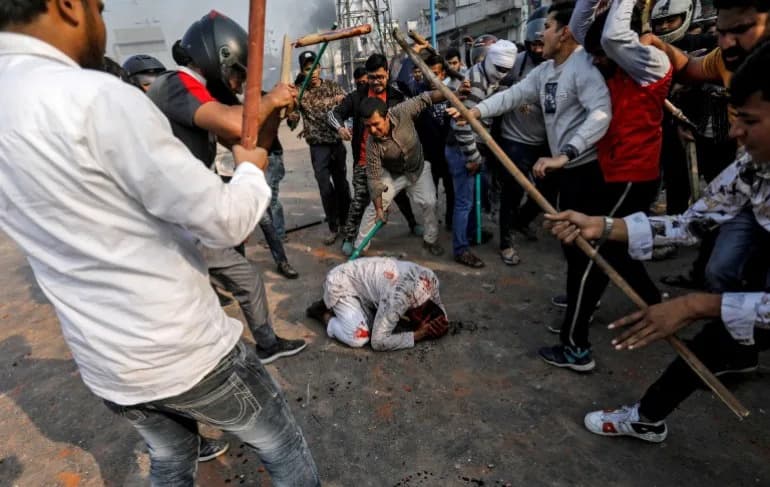
A group of men, chanting pro-Hindu slogans, beat Mohammad Zubair, 37, who is Muslim, during protests sparked by a new citizenship law in New Delhi, India, February 24, 2020 [Danish Siddiqui/Reuters]
New Delhi — India's Supreme Court on Monday granted bail to five Muslim students and activists who have been detained for more than five years in connection with the 2020 communal violence in the capital. The court, however, denied bail to two high-profile defendants — Umar Khalid and Sharjeel Imam — who will remain in Tihar Jail while their trials proceed.
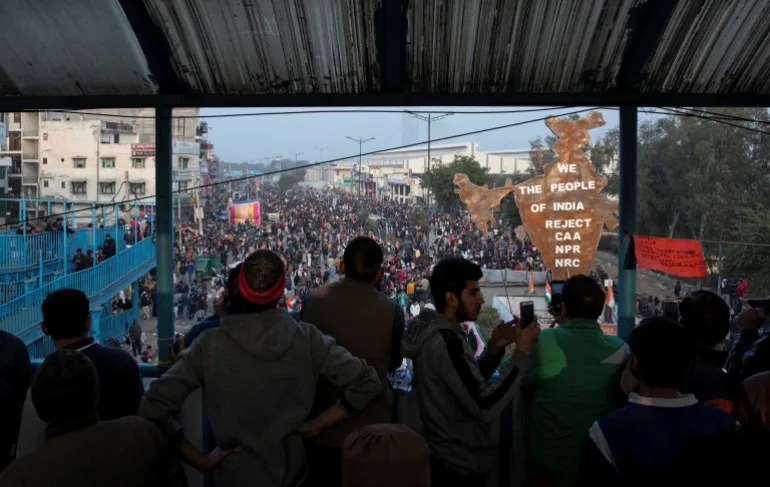
Demonstrators attend a protest against a new citizenship law in Shaheen Bagh in New Delhi, India, on January 19, 2020 [Danish Siddiqui/Reuters]
What Happened
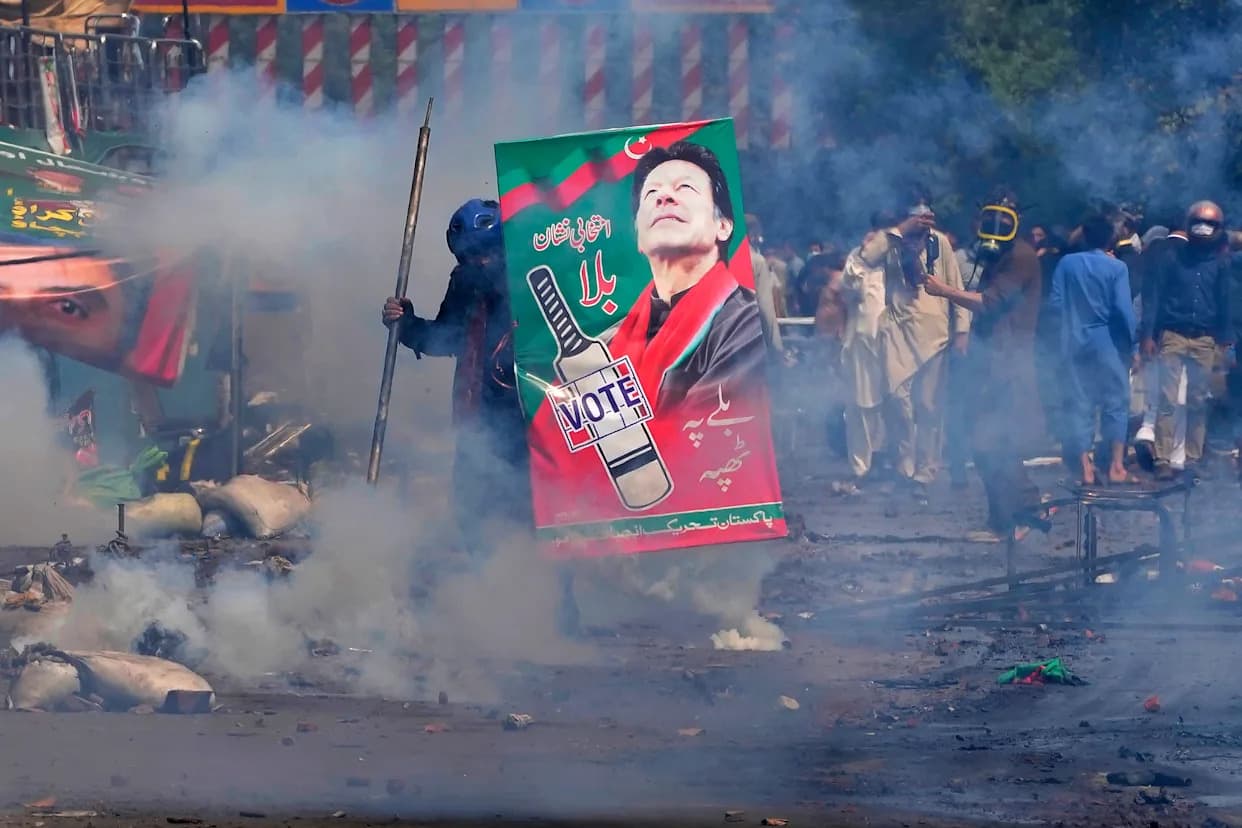
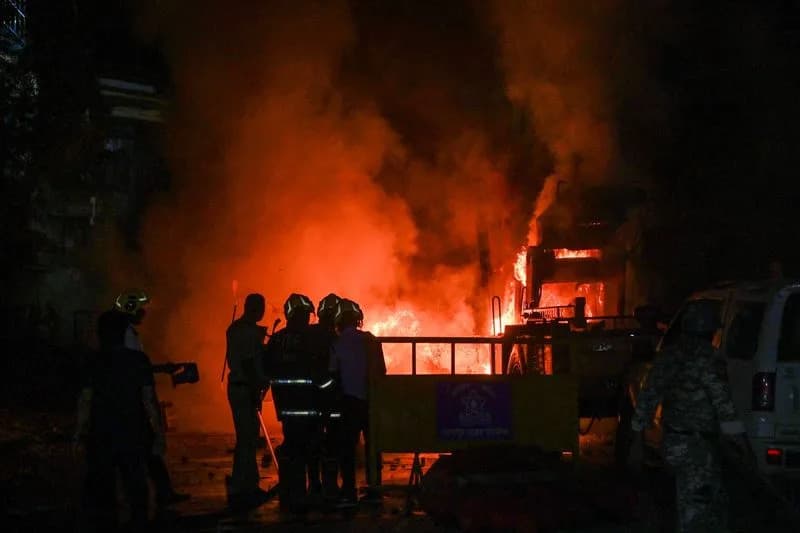
The arrests stem from protests against a 2019 change to India's citizenship rules that many Muslims viewed as discriminatory because it fast-tracked naturalisation for several non-Muslim groups while excluding Muslims. The demonstrations culminated in large, sustained protests — notably the women-led sit-in at Shaheen Bagh in New Delhi — which were later followed by deadly clashes in parts of east Delhi in February 2020.
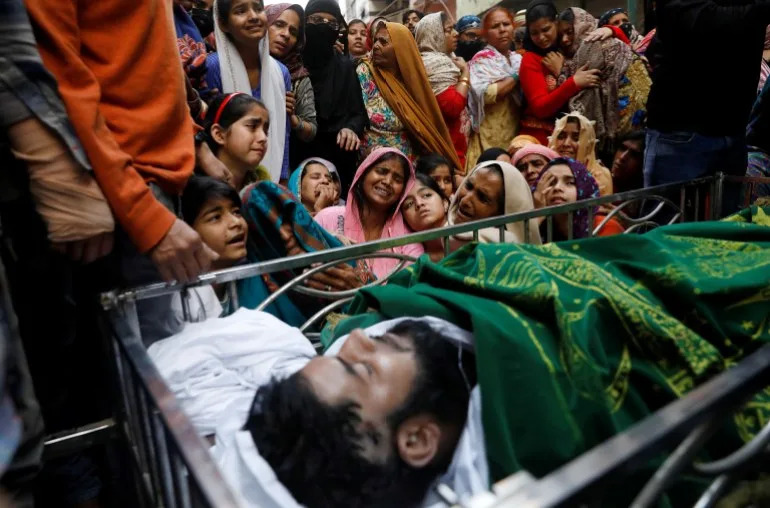
Relatives mourn next to the body of Muddasir Khan, who was wounded in a clash between people demonstrating for and against a new citizenship law, after he succumbed to his injuries, in a riot-affected area of New Delhi, India, February 27, 2020 [Adnan Abidi/Reuters]
Scope Of The Investigation
In the aftermath of the violence, police registered more than 700 criminal cases and detained over 2,000 people. Delhi Police identified organisers and outspoken protest leaders as part of a so-called "main conspiracy" and charged many, including student activists, under the Unlawful Activities (Prevention) Act (UAPA), an anti‑terror law that makes bail difficult and allows extended pre‑trial detention.
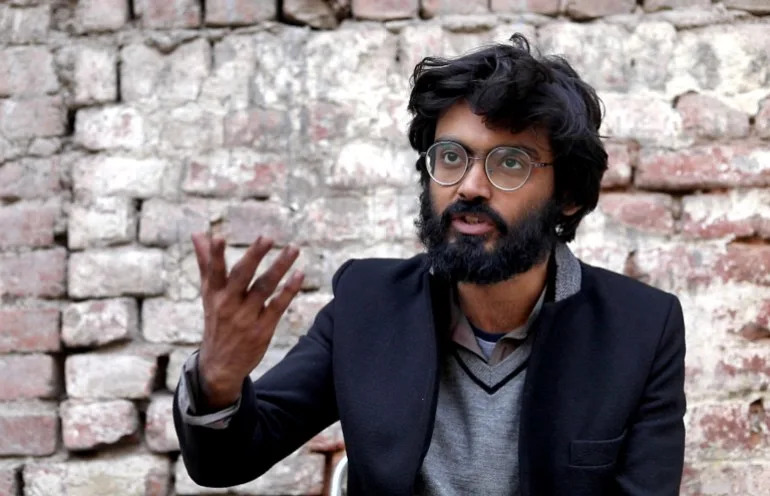
Sharjeel Imam, a student and former co-organiser of a sit-in protest against a new citizenship law, gives an interview in New Delhi, India on December 22, 2019, in this screen grab taken from a video footage on December 22, 2019 [Anushree Fadnavis/Reuters]
Who Were Granted Bail — And Who Was Not
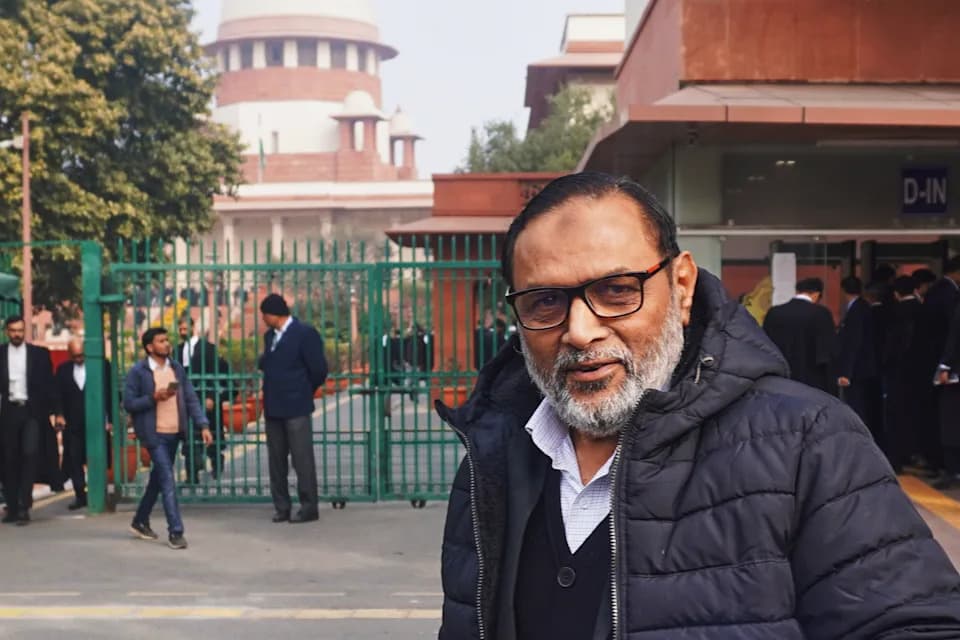
The Supreme Court's order freed five defendants after prolonged pre-trial detention. Among those granted bail was Shadab Ahmed, whose release drew an emotional response from his family. But the court refused bail to Umar Khalid and Sharjeel Imam. The bench led by Justices Aravind Kumar and N.V. Anjaria said it found a prima facie case under UAPA against the two and described them as occupying a "central and formative role" in the alleged conspiracy; it allowed them to reapply for bail after one year.
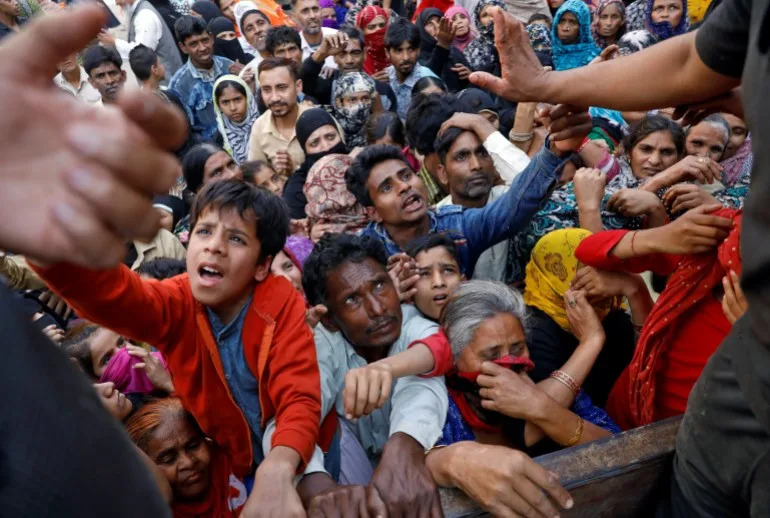
People crowd to receive free grocery items being distributed outside a relief camp after fleeing their homes following Hindu-Muslim clashes triggered by a new citizenship law, in Mustafabad in the riot-affected northeast of New Delhi, India, March 3, 2020 [Anushree Fadnavis/Reuters]
Profiles Of Key Defendants
- Umar Khalid — Former JNU research scholar, ex-leader of the Democratic Students' Union and a founder of the United Against Hate campaign.
- Sharjeel Imam — JNU research scholar and former IIT Bombay graduate who returned to academia after working in technology.
- Meeran Haider, Gulfisha Fatima, Shifa ur‑Rehman, Shadab Ahmed, and Saleem Khan — Other defendants whose roles range from student activists to businesspeople; five of these defendants received bail.
Reactions And Context
Critics, rights groups and several legal experts say the use of UAPA and prolonged detention without trial reflect a broader squeeze on dissent under Prime Minister Narendra Modi's government. Senior advocate Prashant Bhushan said the denial of bail to Khalid and Imam appeared influenced by government pressure. Political commentators and civil‑society voices describe the case as a litmus test for Indian institutions and the judiciary's independence.
"This mobilisation cannot happen again, ever," said one commentator, arguing the state acted to deter future protests. International attention has also grown: New York City Mayor Zohran K. Mamdani wrote to Umar Khalid expressing solidarity.
What Comes Next
The two prominent defendants remain in custody as trial proceedings continue. The court's order permitting a bail re‑application after one year means their legal status could change depending on the evidence produced at trial and future judicial scrutiny. Rights groups and legal observers say they will continue to watch the case as an indicator of how India balances security laws with civil liberties and dissent.
Note: This article summarises court orders and public commentary around the case. Numbers and legal descriptions are based on reported information from the hearings and widely reported background on the 2019 citizenship law protests and subsequent Delhi violence.
Help us improve.