India’s Supreme Court denied bail to student activists Umar Khalid and Sharjeel Imam after five years in pretrial detention in a conspiracy case tied to the February 2020 Delhi riots that killed 53 people. The court said the two had a "central role" in the alleged plot and ruled that trial delays alone did not warrant bail. Their prolonged detention under the Unlawful Activities (Prevention) Act has drawn criticism from rights groups and U.S. lawmakers calling for fair and timely trials.
India’s Supreme Court Denies Bail to Umar Khalid and Sharjeel Imam After Five Years in Detention
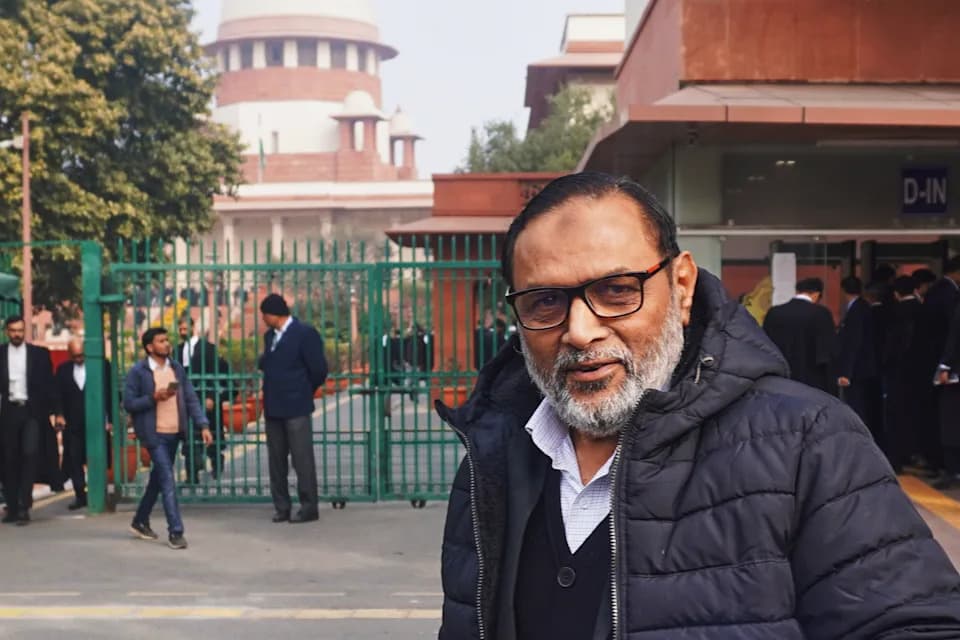
Qasim Rasool, father of Umar Khalid, arrives at the Supreme Court for the hearing of the bail plea of his son in New Delhi, India, Monday, Jan. 5, 2026. (AP Photo/Dinesh Joshi)(ASSOCIATED PRESS)
NEW DELHI — India’s Supreme Court on Monday refused bail to two Muslim student activists who have spent five years in custody without a trial in a high-profile conspiracy case linked to some of the worst communal violence in recent Indian history.
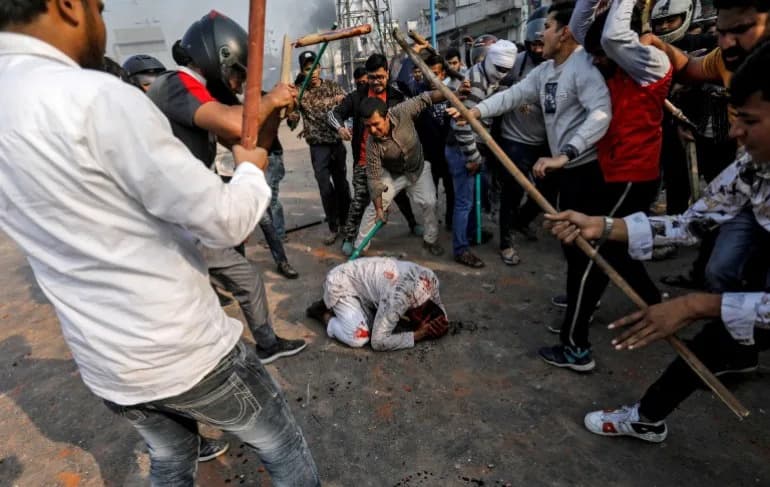
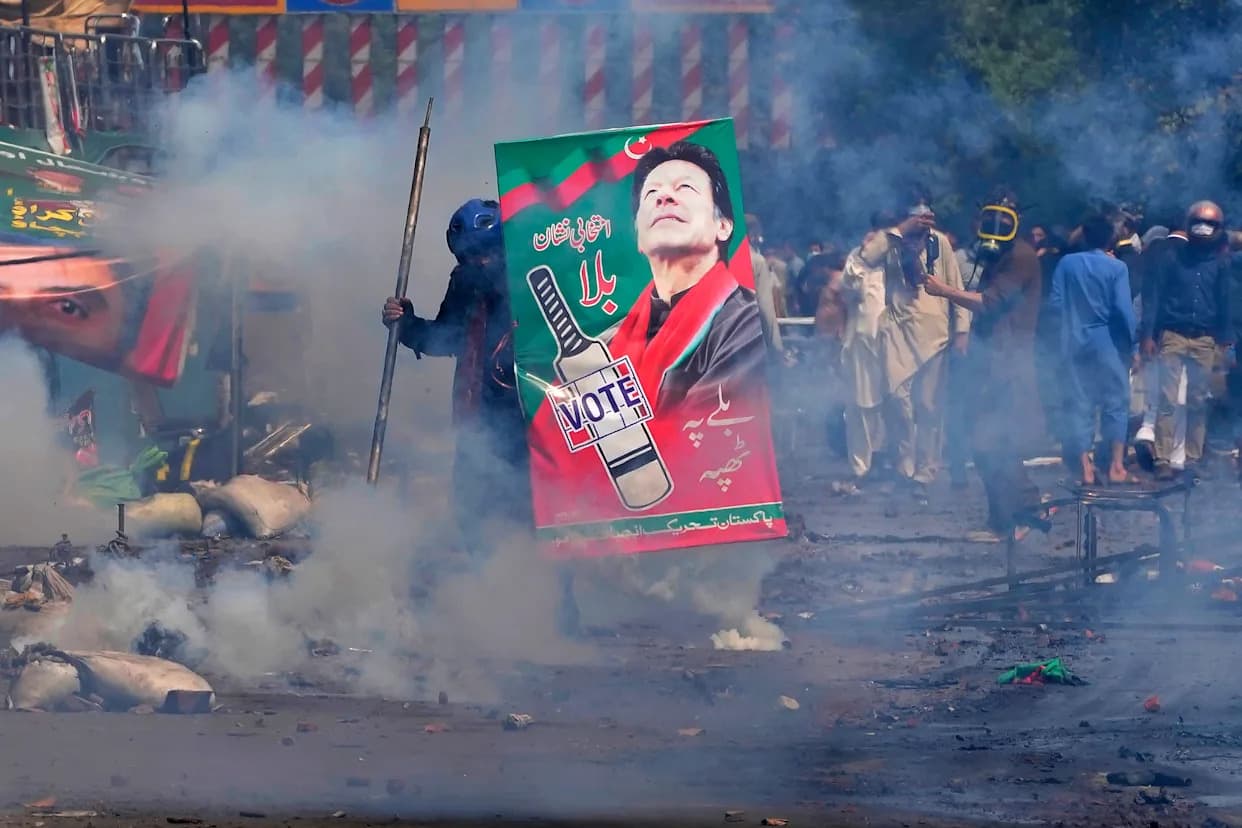
Umar Khalid and Sharjeel Imam were detained in the aftermath of the February 2020 Delhi riots, which left 53 people dead, most of them Muslim. Authorities arrested them under stringent state security provisions and later charged them under the Unlawful Activities (Prevention) Act (UAPA).
Although the court granted bail to five other accused in the same proceedings, it held that Khalid and Imam occupied a "central role in the conspiracy" and that the prolonged delay in their trial did not, by itself, justify bail.
"Umar Khalid and Sharjeel Imam stand on a qualitatively different footing as compared to other accused," the Supreme Court said in its ruling, according to the legal news site Bar & Bench.
Both men were prominent voices during nationwide protests against the 2019 citizenship law that critics said discriminated against Muslims. Their detention has become emblematic for many observers of a broader crackdown on dissent under Prime Minister Narendra Modi’s government, drawing criticism from domestic and international rights groups.
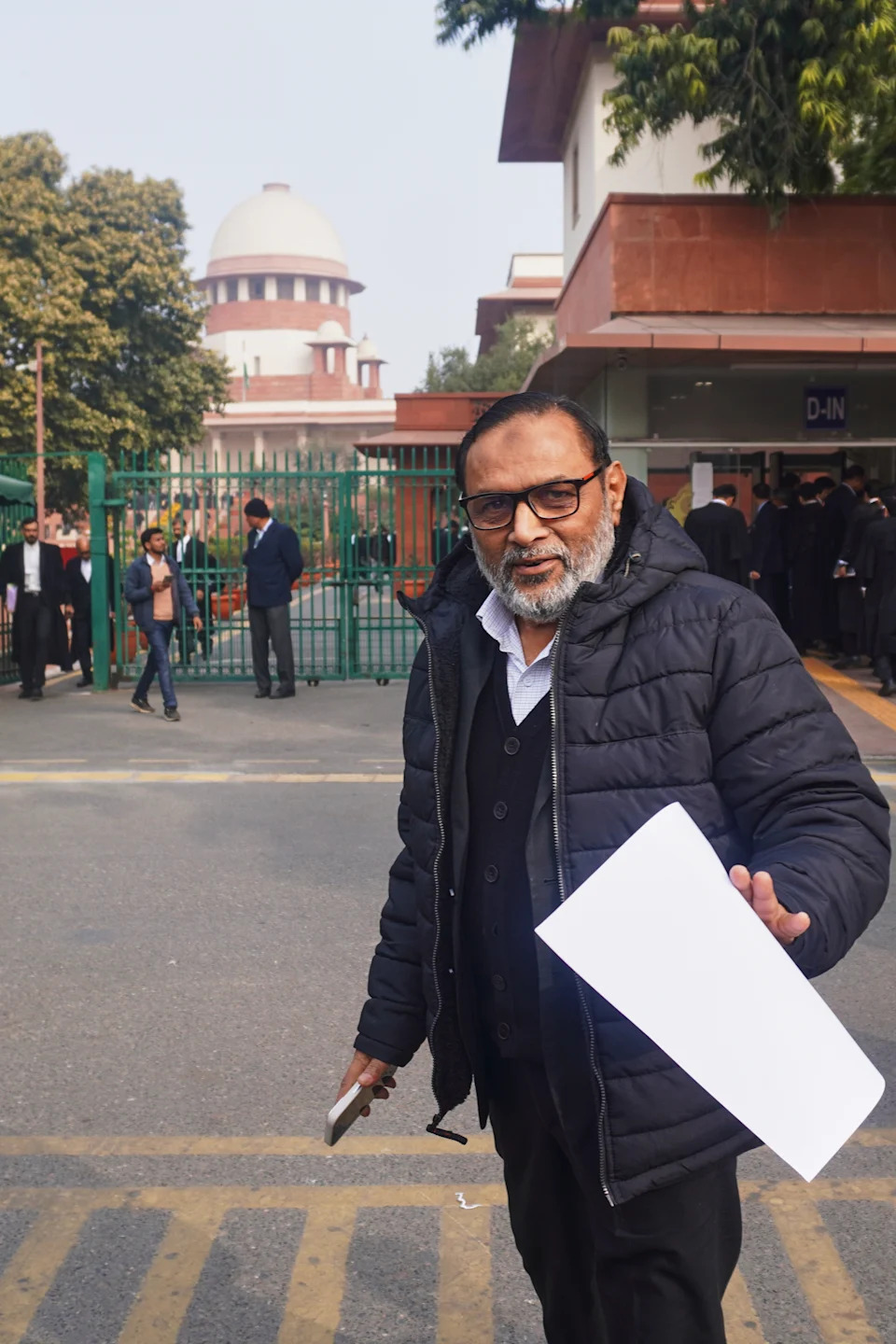
Qasim Rasool, father of Umar Khalid, arrives at the Supreme Court for the hearing of the bail plea of his son in New Delhi, India, Monday, Jan. 5, 2026. (AP Photo/Dinesh Joshi)(ASSOCIATED PRESS)
Prosecutors for the Delhi Police argued the February 2020 unrest was not spontaneous but part of a deliberate plot intended to damage India’s international reputation, and said Khalid and Imam delivered provocative speeches that instigated violence. Defense lawyers counter that there is no evidence directly linking the two activists to the riots and reject the charges against them.
Dozens of other people — many of them Muslim — were charged and held under similar cases after the riots; several prosecutions later faltered when police were unable to produce convincing evidence tying suspects to the violence. Critics say the UAPA, historically used against violent insurgencies, has increasingly been applied to political activists and dissenters, enabling prolonged pretrial detention.
Last week, eight U.S. lawmakers wrote to India’s ambassador in Washington expressing concern about Khalid’s extended pretrial detention and urging Indian authorities to ensure a fair and timely trial. International organizations, including Amnesty International, have repeatedly called for the release of the two men, describing Khalid’s incarceration without trial as "derailment of justice."
What Happens Next: Khalid and Imam remain in custody while the legal process continues. The case is likely to remain a focal point in debates over national security laws, civil liberties and the treatment of dissent in India.
Help us improve.