Nearly three months after deadly clashes on October 12, Pakistan-Afghanistan land crossings remain closed, leaving students, traders and families stranded. Flights are expensive and smuggling routes are risky, while diplomatic mediation has not secured a reopening. Pakistan reported nearly 1,200 requests for help from its Kabul embassy, including 549 students; just over 300 people had flown back by the end of December. The shutdown has halted trade at key crossings like Spin Boldak and deepened concerns over visas, finances and winter hardships.
Stranded and Cold: Pakistanis Trapped in Afghanistan as Border Remains Closed
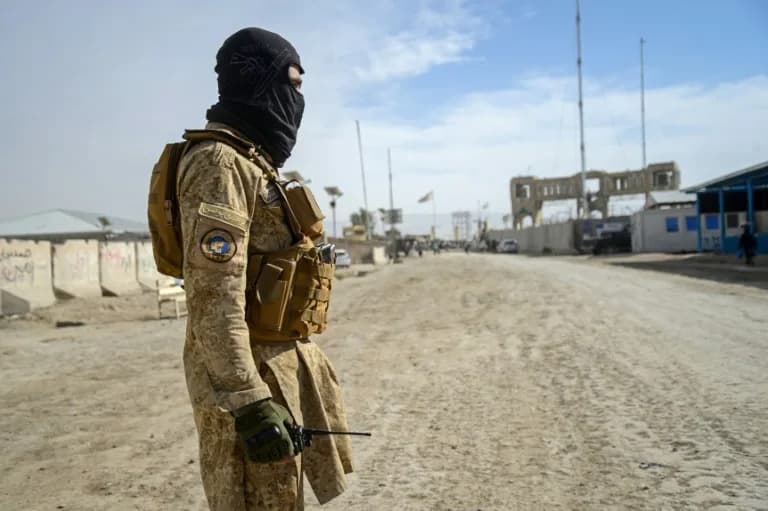
Movement at border crossings that used to connect Afghanistan and Pakistan has come to a standstill (Sanaullah SEIAM)(Sanaullah SEIAM/AFP/AFP)
Nearly three months after deadly clashes on October 12, the land crossings between Pakistan and Afghanistan remain closed, leaving students, traders and families unable to return home.
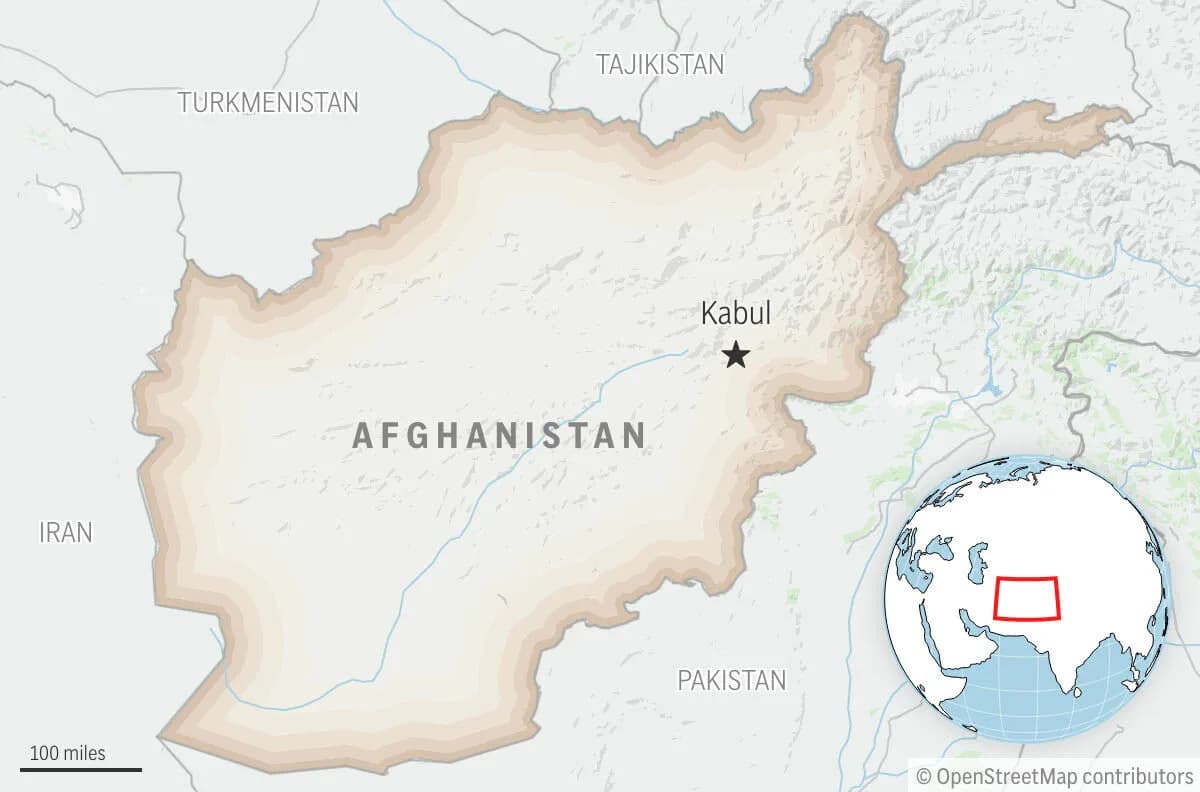
The closure, prompted by violence that killed more than 70 people, has shut the colonial-era Durand Line — a 2,600-kilometre frontier that normally connects communities and commerce across both sides of the border. With commercial flights prohibitively expensive for many and smuggling routes risky, large numbers of Pakistanis studying or working in Afghanistan find themselves stranded.
“We miss our parents and relatives,”said Shah Faisal, 25, a medical student at an Afghan university who had planned to visit family in Pakistan during the winter break. Another student, Shah Fahad Amjad, 22, urged both governments to “open the road” so students can return home.
Pakistan's foreign ministry has recorded nearly 1,200 requests for help at its embassy in Kabul, including 549 students. Just over 300 people had flown back by the end of December, the ministry said. Neither Islamabad nor Kabul has given a clear timeline or conditions for reopening the crossings.
Human and Economic Toll
Families who travelled for short visits are now stuck indefinitely. Pakistani shopkeeper Ehsanullah Himmat, 21, travelled to Kandahar for a wedding and said the road closure turned a planned two-day trip into a prolonged displacement: “It is cold, it's winter, and we are displaced with our children,” he said.
At the Spin Boldak crossing, transport has come to a standstill. Truck driver Khan Muhammad, 39, has been stranded for weeks and reports zero cargo movement: “In these two-and-a-half months I haven't loaded even a single kilo of cargo. Work has come to a standstill. All our livelihoods depend on this gate.”
Diplomatic Stalemate
Islamabad has accused Kabul of harbouring militant groups that attack Pakistani soil — claims the Afghan Taliban denies. Mediation efforts have so far failed to produce a lasting agreement, and officials on both sides have warned fighting could resume, prolonging the closures and uncertainty for those stranded.
The closure affects not only Pakistanis in Afghanistan but also Afghans studying or trading in Pakistan, creating cross-border educational and economic disruption. Many worry about visa expirations, mounting financial strain and the winter cold while they await a resolution.
Key facts: the Durand Line spans more than 2,600 kilometres (about 1,600 miles); clashes on October 12 left more than 70 dead; nearly 1,200 people in Kabul sought help from Pakistan's embassy, and just over 300 returned by December.
Help us improve.