Reza Pahlavi, the exiled son of Iran's last shah, urged the international community to intensify pressure on Tehran to help protesters seeking to topple clerical rule, saying parts of Iran's security forces have privately signaled loyalty to him. He called for measures targeting the IRGC's command structure, asset freezes, diplomat expulsions and deployment of Starlink to bypass a communications blackout. Pahlavi said a secure defection channel has drawn tens of thousands of contacts but did not explain how he would control Iran's extensive security apparatus. He reiterated that foreign boots on the ground are unnecessary and said he plans to return to Iran.
Exiled Shah's Son Urges Stronger International Pressure as Iran Protests Wane After Crackdown
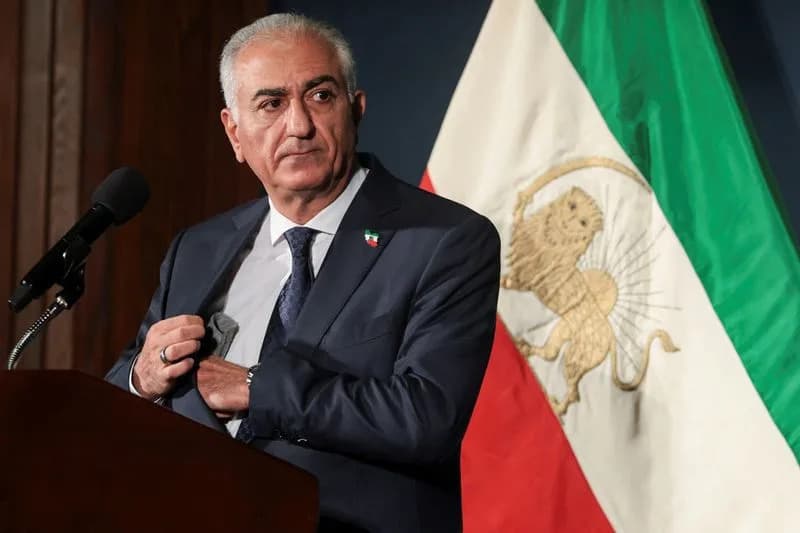
Reza Pahlavi, the son of Iran's last shah and an Iranian opposition figure, speaks during a press conference in Washington, D.C., U.S., January 16, 2026. REUTERS/Jonathan Ernst
WASHINGTON, Jan 16 (Reuters) - Reza Pahlavi, the exiled son of Iran's last shah, on Friday urged the international community to step up pressure on Tehran to assist protesters seeking to topple clerical rule, even as a deadly crackdown appears to have largely suppressed street demonstrations.
At a press conference, Pahlavi said "large sections" of Iran's army and security services had privately signaled loyalty to him and that he is uniquely positioned to help ensure a stable transition. "I will return to Iran," he declared, without giving a date.
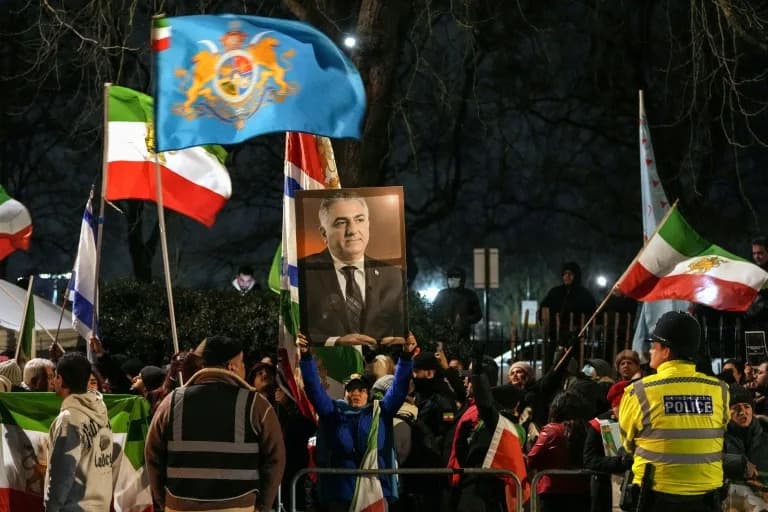
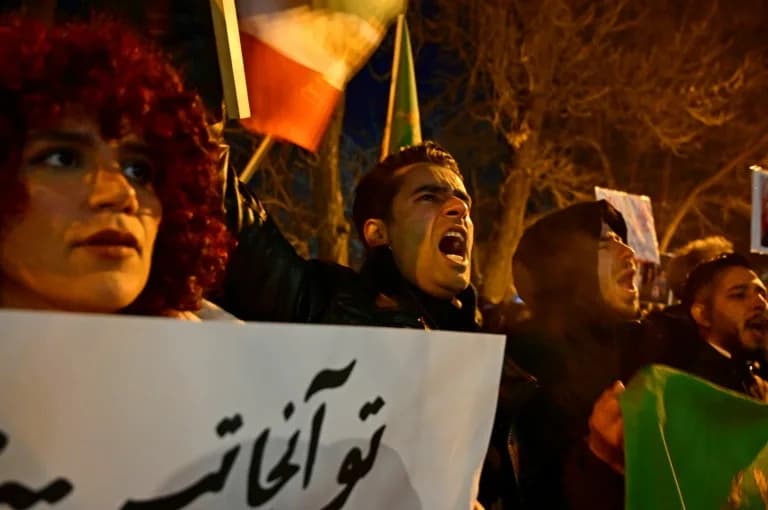
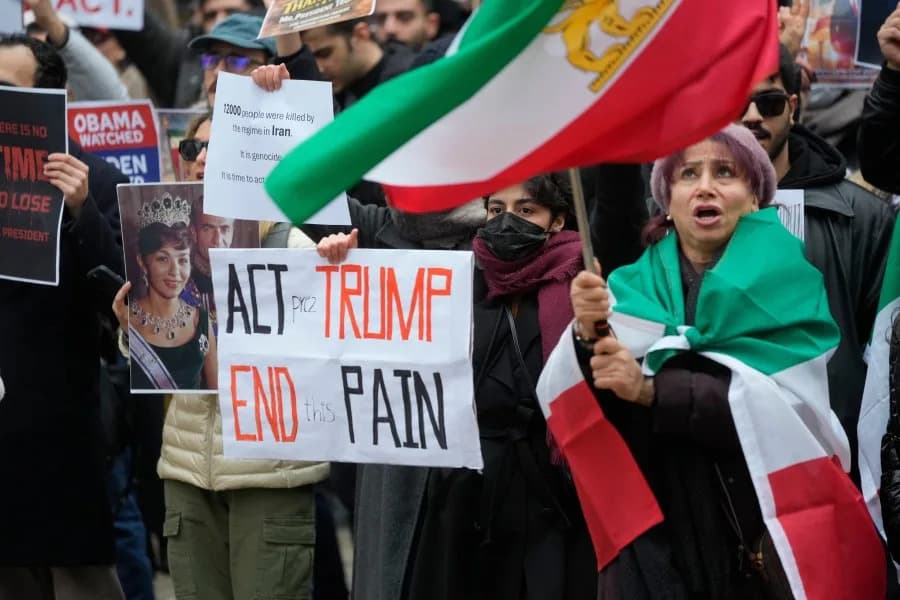
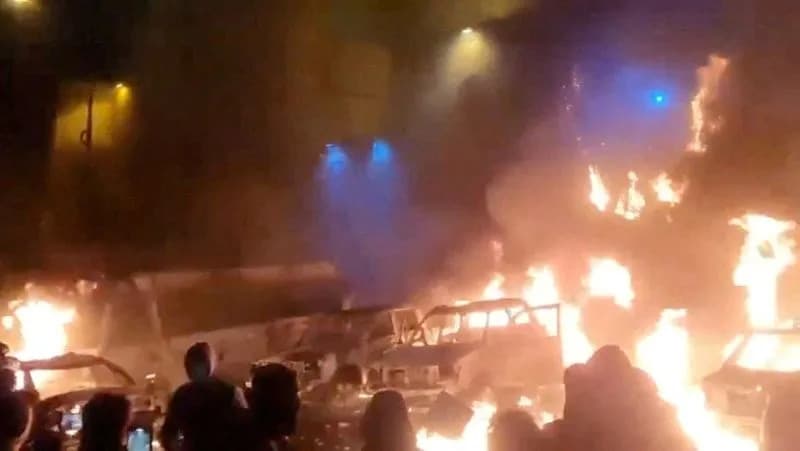
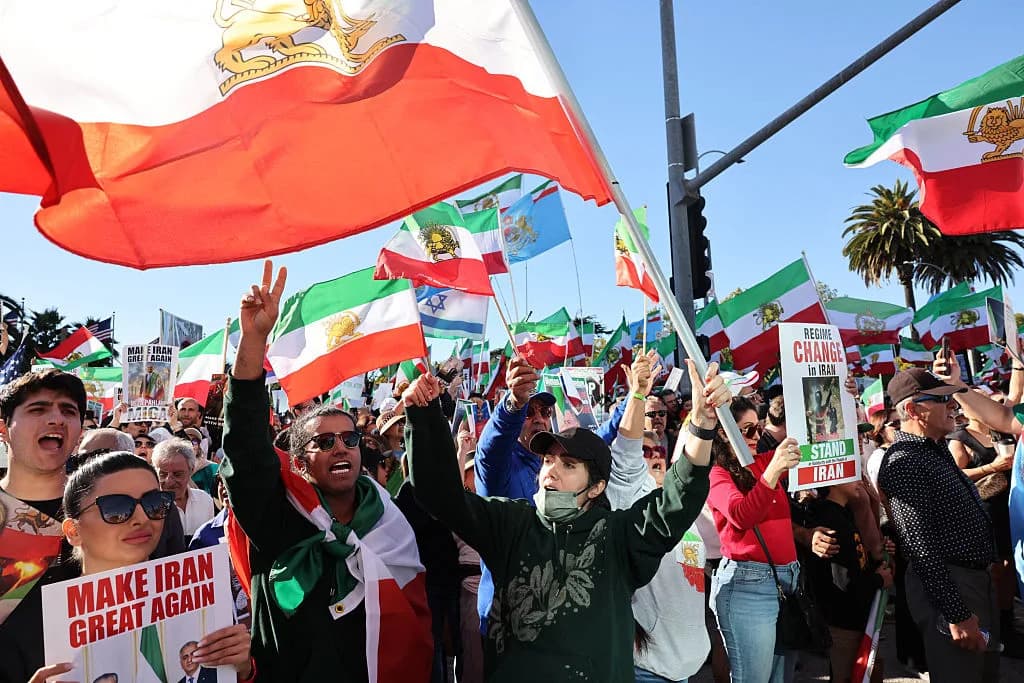
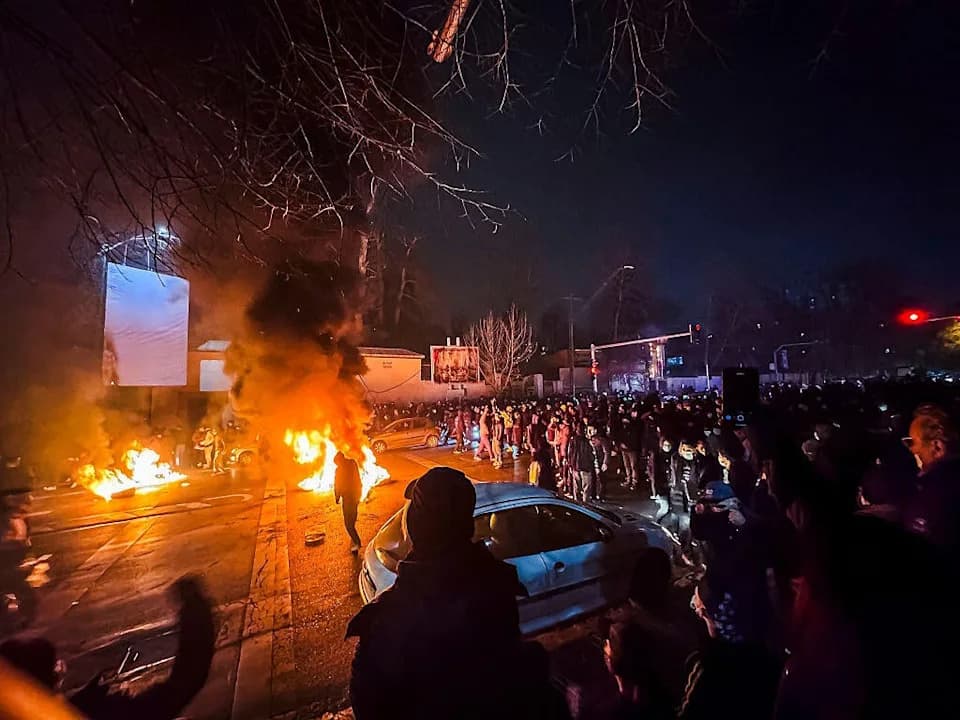
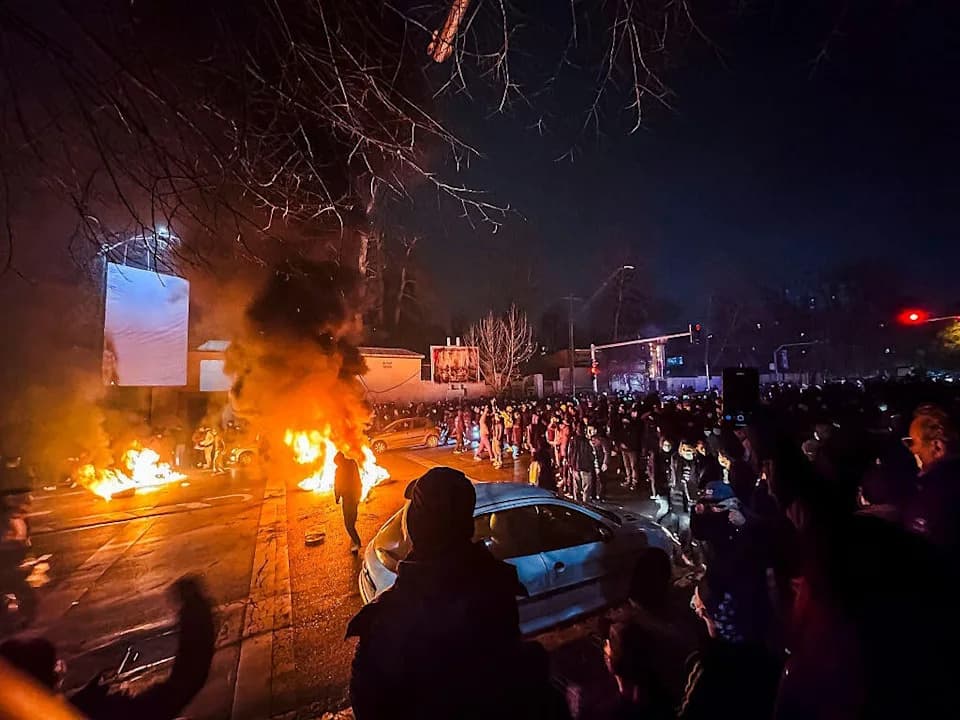
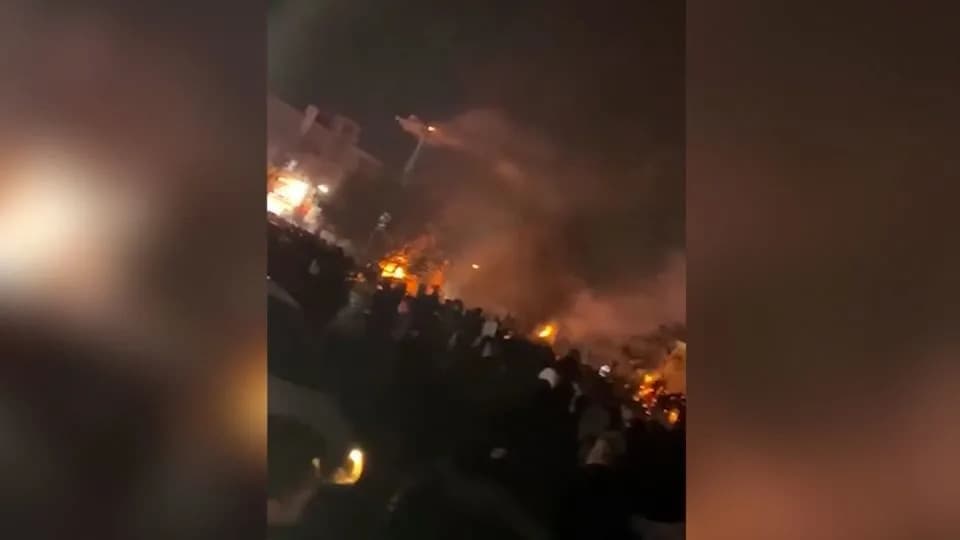
It remains difficult to measure support for Pahlavi on the ground because of widespread media and internet blackouts imposed by Iranian authorities. Ahead of his remarks, video footage shown at the conference displayed people apparently injured by security forces, and clips of demonstrators chanting slogans including "Long Live the Shah" alongside calls for the Islamic Republic's downfall.
International Steps Proposed
Pahlavi urged foreign governments to target the leadership and command-and-control structure of Iran's elite Islamic Revolutionary Guard Corps (IRGC), freeze assets linked to senior clerical rulers, and expel Iranian diplomats from foreign capitals. He also called for assistance to break through Tehran's communications blackout by deploying Starlink satellite internet systems to restore connectivity for protesters and independent reporting.
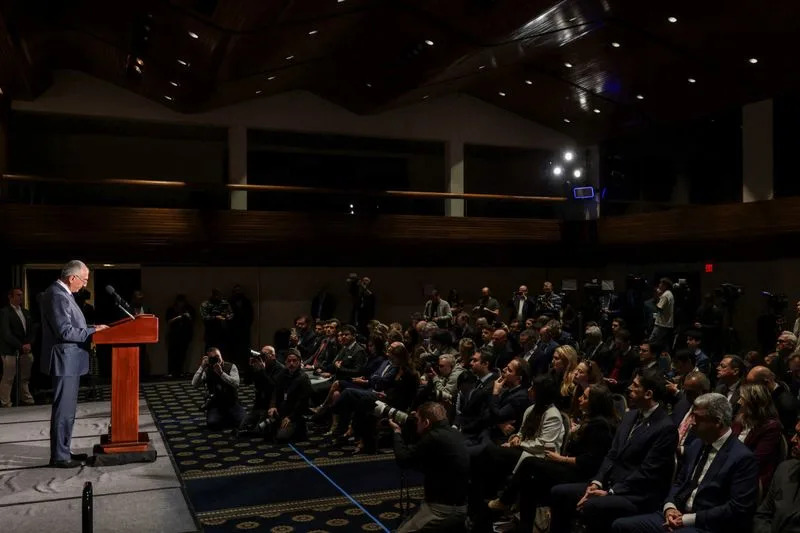
Reza Pahlavi, the son of Iran's last shah and an Iranian opposition figure, speaks during a press conference in Washington, D.C., U.S., January 16, 2026. REUTERS/Jonathan Ernst
He said a secure channel had been set up for members of the government or security forces who want to defect, claiming tens of thousands have made contact. He did not, however, explain how he would bring Iran's extensive security apparatus, including the IRGC, under civilian control.
U.S. Contacts And Regional Outlook
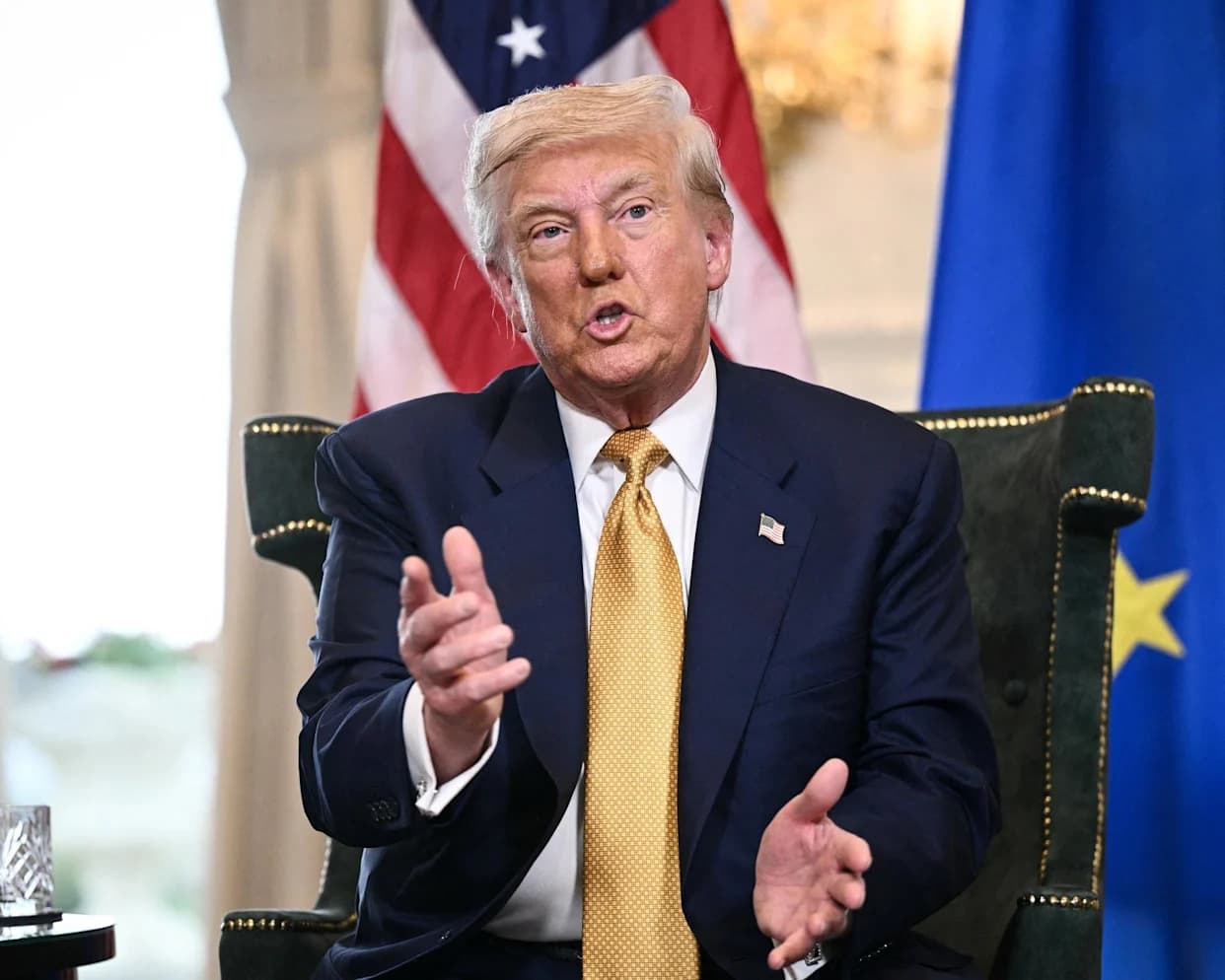
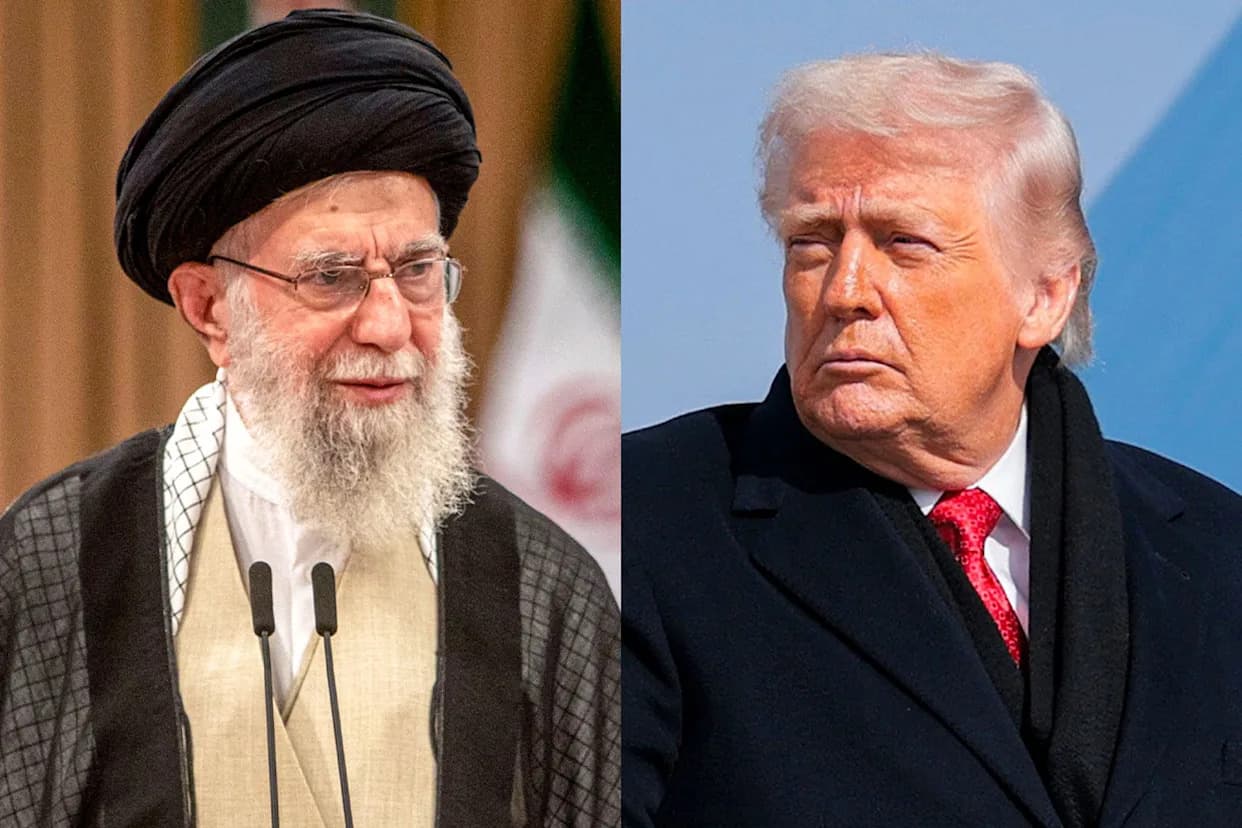
Pahlavi declined to give details about his contacts with U.S. officials, calling it a "sensitive time." U.S. President Donald Trump this week expressed uncertainty about Pahlavi's ability to mobilize broad internal support; Axios reported that Pahlavi met a White House envoy, Steve Witkoff, last weekend, citing an unnamed senior U.S. official.
Pahlavi said aiding protesters need not involve foreign troops: "The Iranian people's boots are already on the ground. They are the ones marching, sacrificing and fighting for their freedom every single day." He added that a democratic Iran under his leadership would seek "cordial relations" with neighbors including Israel; Pahlavi visited Israel in 2023 and met Prime Minister Benjamin Netanyahu.
Pahlavi, 65, has lived outside Iran since before the 1979 Islamic Revolution. Iran's opposition remains fragmented across rival groups and ideological factions, including monarchists who back Pahlavi, and appears to have limited organized presence inside the country.
(Reporting by Humeyra Pamuk; writing by Simon Lewis; Editing by Sharon Singleton, Rod Nickel and Hugh Lawson)
Help us improve.