Researchers observed female vampire bats in captivity from 2011 to 2019 and found that individuals often changed their contact calls to match those of newly formed, unrelated social partners. The study analyzed nearly 700,000 calls from 95 bats and linked increased call similarity most strongly to food sharing rather than grooming. Results suggest vocal learning—possibly creating group "accents" or individualized signals—and point to broader instances of social vocal learning among mammals.
Vampire Bats Adopt Neighbors’ Calls to Form Friendships

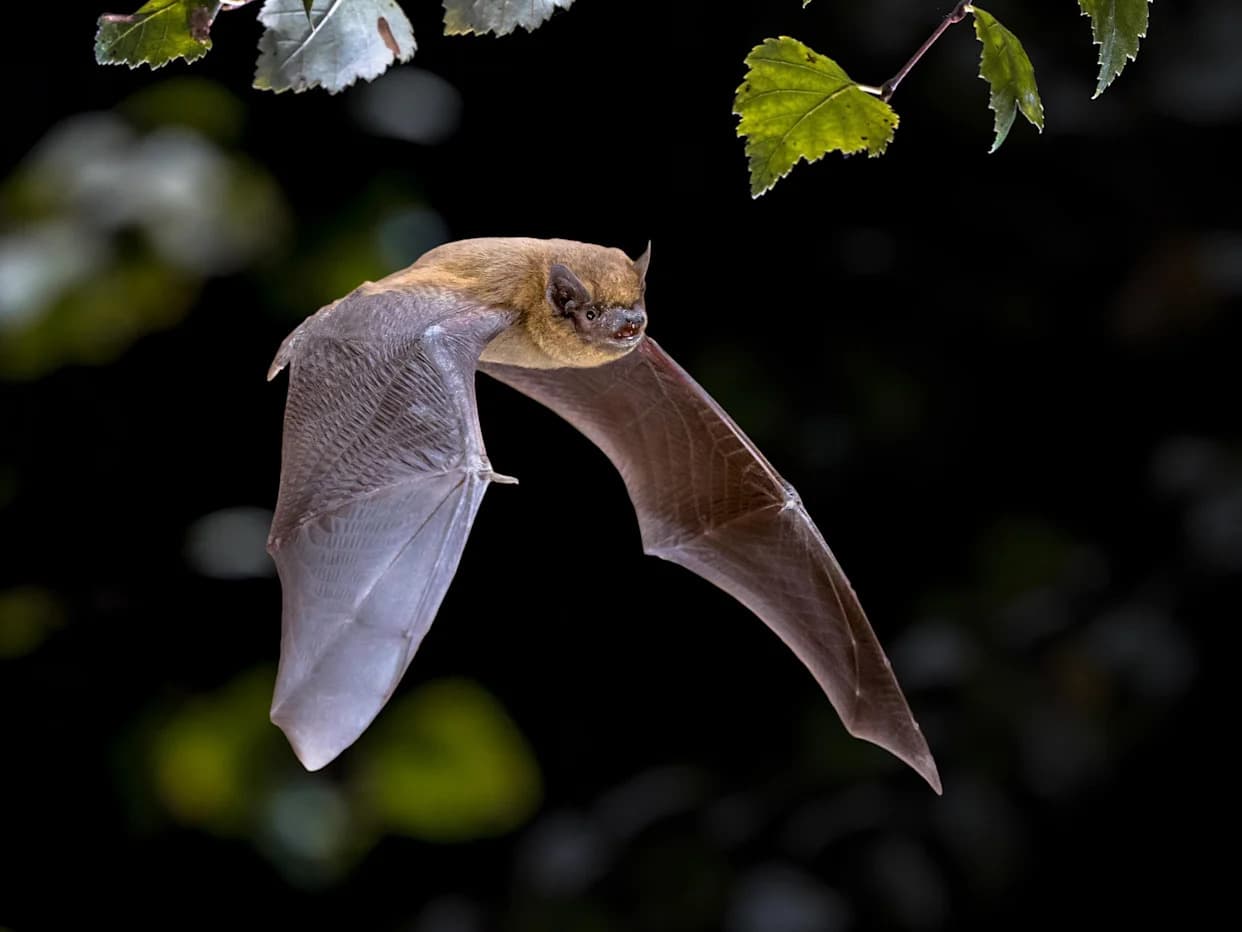
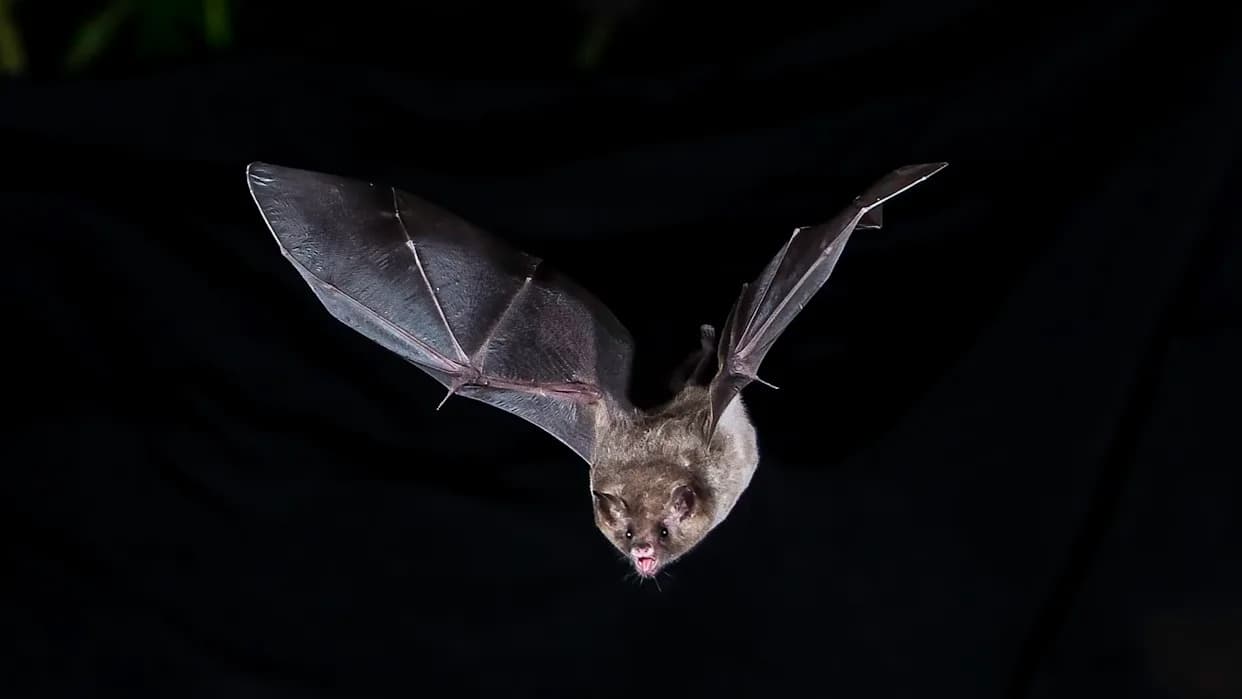
Female common vampire bats appear to change their short contact calls to match the calls of nearby individuals as they form new social bonds. In a long-term captive study (2011–2019), researchers monitored groups of female bats, recorded their contact calls, and tracked social interactions such as food sharing and grooming to see how vocal behavior related to emerging relationships.
The team recorded nearly 700,000 contact calls from 95 bats, averaging about seven recording sessions per bat. Because many contact calls fall into ultrasonic ranges beyond human hearing, the researchers mapped frequency patterns within the calls to quantify similarity across individuals. Results published in Proceedings of the Royal Society B show that unrelated bats who formed social ties tended to alter their calls over time to resemble those of their new partners.
"This means females are learning their calls by listening to each other as they interact, rather than simply making the sounds they're genetically predisposed to make," said co-author Grace Smith-Vidaurre, a behavioral ecologist at Michigan State University.
The analysis revealed that pairs who shared food developed more similar calls than bats that merely cohabited without sharing meals. Surprisingly, grooming alone did not predict call similarity, suggesting different types of social investment have distinct acoustic correlates.
Why calls converge?
There are several plausible explanations for this vocal matching. Bats may adopt frequently heard vocal patterns in their immediate group—similar to humans developing regional accents—which could signal group membership or help distinguish strangers from allies. Matching calls could also facilitate individual recognition or improve communication in noisy roosting environments. Another intriguing possibility is that bats may learn to tailor calls for specific partners, effectively using individualized vocal signatures.
"Bats have amazing vocal flexibility, but it's relatively understudied beyond their use of sound for echolocation," said Gerald Carter, a behavioral ecologist at Princeton University. "This study is just the tip of the iceberg."
The findings add to growing evidence that social vocal learning is more widespread among mammals than previously appreciated. Ongoing work is testing whether female vampire bats use distinct contact-call variants as individualized labels or "names" for particular partners.
Study details: captive groups observed 2011–2019; ~700,000 calls analyzed from 95 females; social bonds tracked via food sharing and grooming; published in Proceedings of the Royal Society B.
Help us improve.