Researchers led by Colorado State University present evidence that African elephants use stable, name-like vocal labels to address specific individuals. Using ~470 recorded calls from 101 callers and machine‑learning analysis, controlled playbacks elicited stronger responses when calls were directed at the tested elephant. The signals appear arbitrary (not imitative), are used mainly at long range or in adult–calf interactions, and may have important implications for conservation and future research.
“Hey, Ellie!”: New Study Shows African Elephants Use Name‑Like Vocal Labels

Family of African Bush Elephants taking a mud bath in Tsavo East National Park, Kenya.© I, Mgiganteus, CC BY-SA 3.0, via Wikimedia Commons
Researchers have uncovered compelling evidence that African elephants use stable, name-like vocal labels to address specific individuals. A multi-institution team led by Colorado State University, in collaboration with Save the Elephants and ElephantVoices, combined field recordings, novel signal‑processing methods and machine learning to demonstrate that elephants recognize calls directed at them.
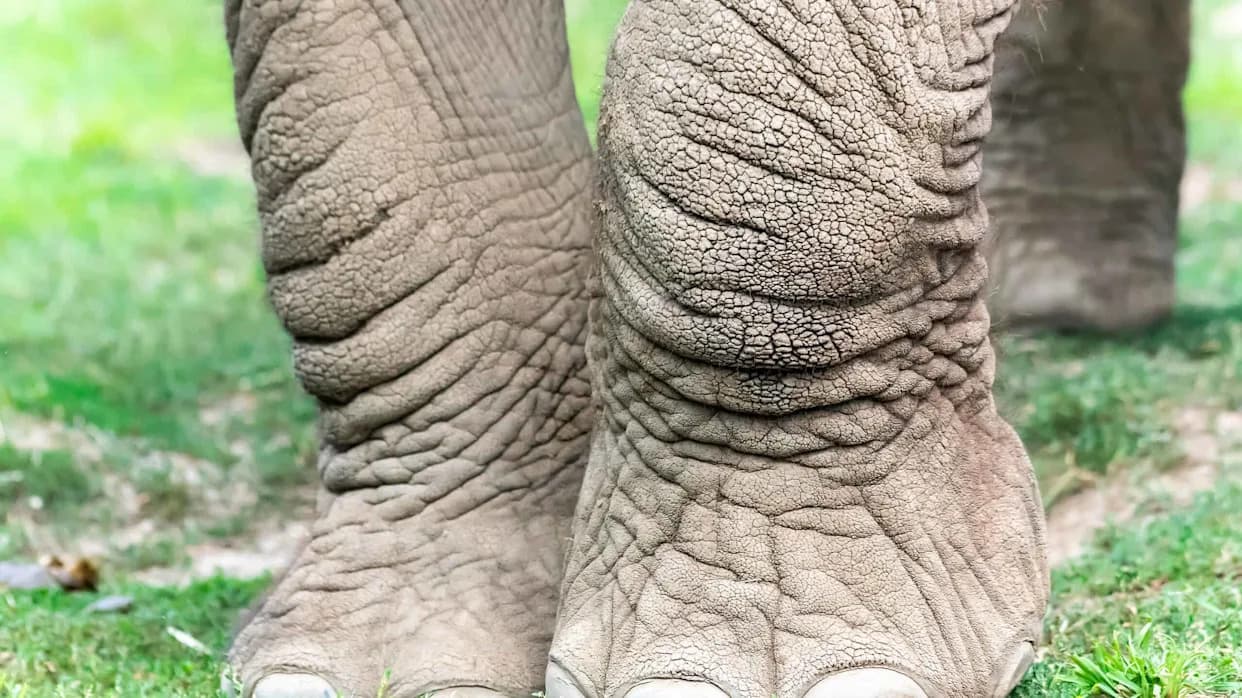
While animals communicate with each other, the longstanding scientific consensus was that they could not create novel sounds and sound combinations.©Stu Porter/Shutterstock.com(Stu Porter/Shutterstock.com)
How the Study Was Done
Field teams spent four years collecting data, including 14 months of intensive recording in Kenya’s Samburu National Reserve and Amboseli National Park. The researchers gathered roughly 470 distinct calls produced by 101 identifiable callers and associated with 117 unique recipients. To test recognition, they conducted controlled playback experiments—playing recorded calls to target elephants and observing behavioral responses.
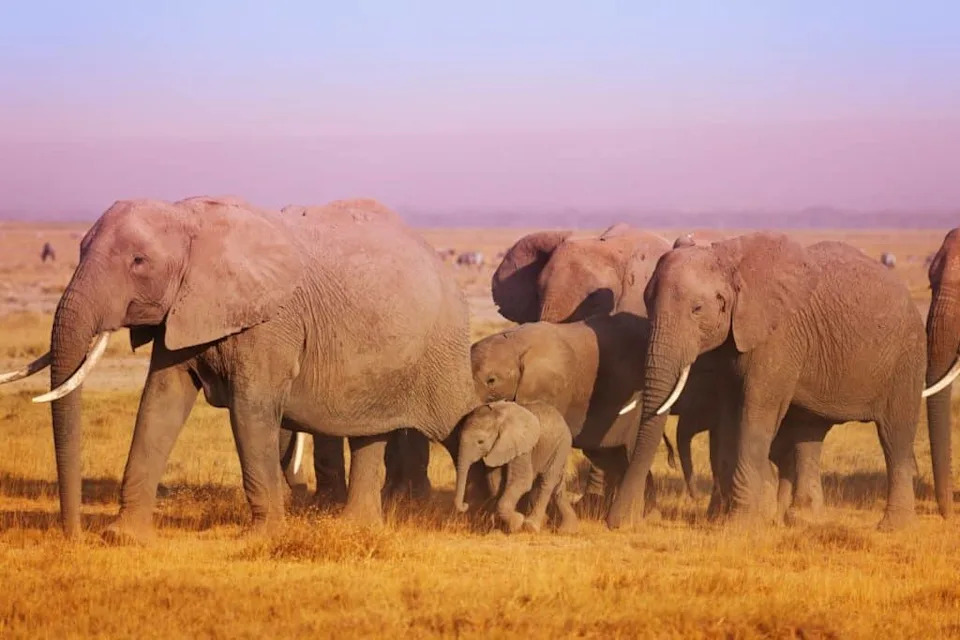
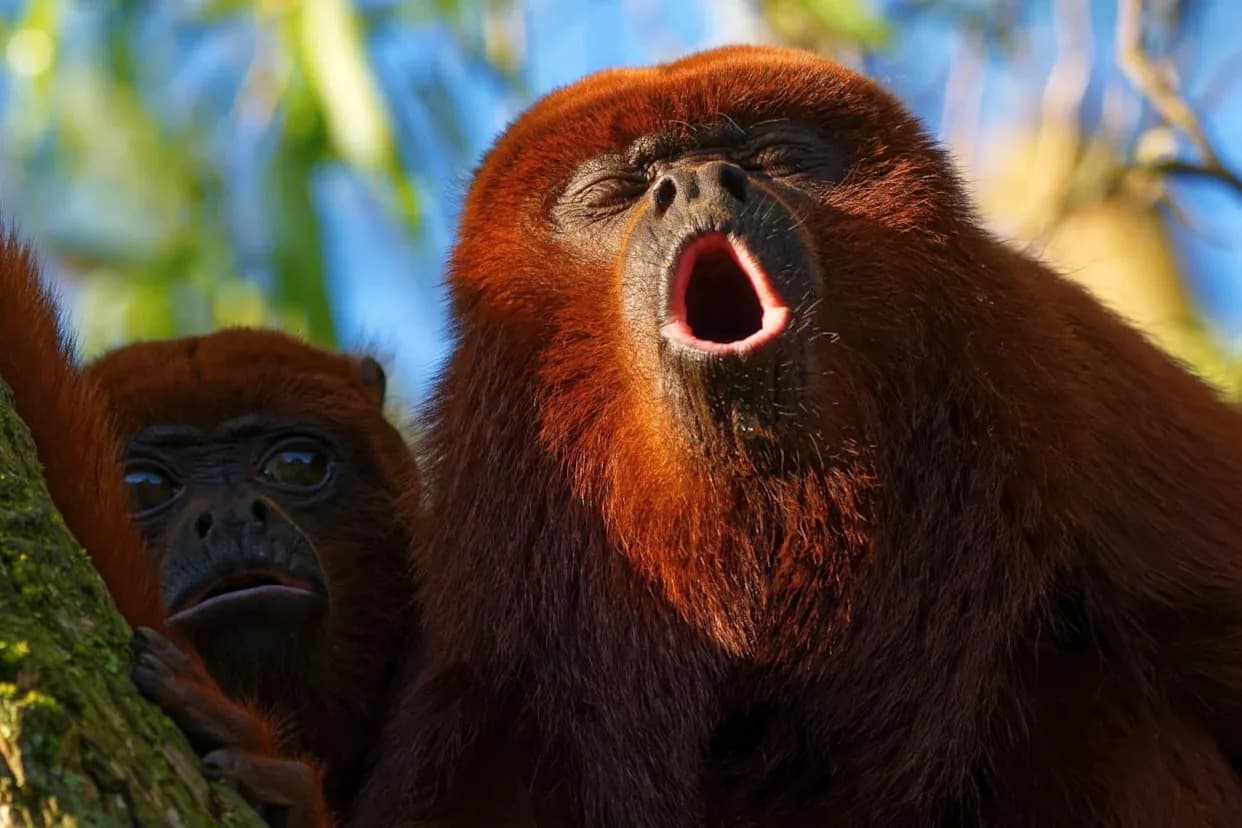
Elephant vocalizations range from blistering, trumpet-like loud noises to almost imperceptible, infrasonic sounds.©Sergey Novikov/Shutterstock.com(Sergey Novikov/Shutterstock.com)
What the Team Found
The playback results were clear: elephants responded more strongly—approaching, orienting, or showing animated behavior—when calls appeared to be directed at them. Calls aimed at other individuals elicited little interest. This pattern indicates that elephants can identify particular addressees by specific vocal signals.
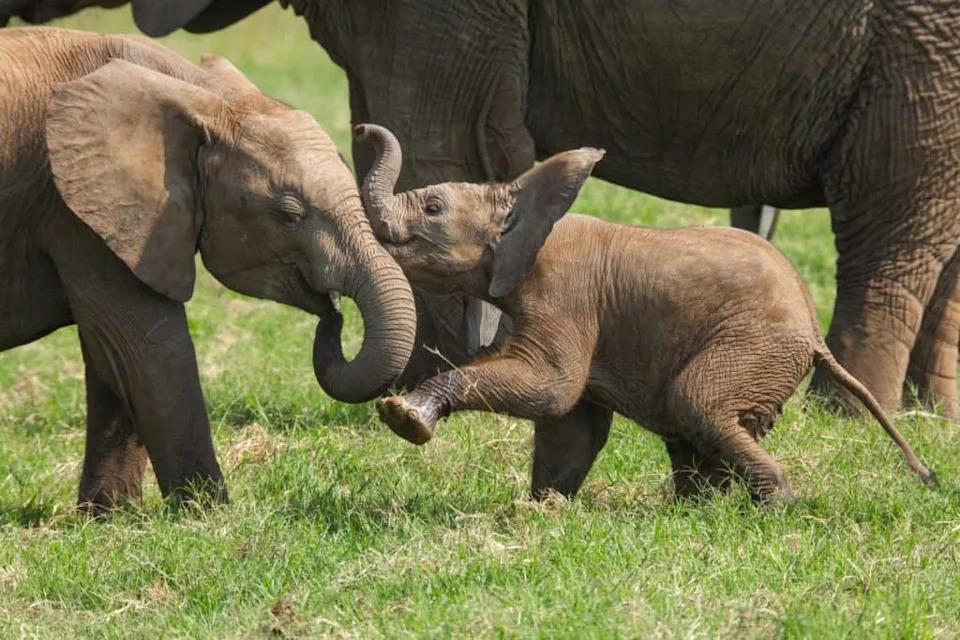
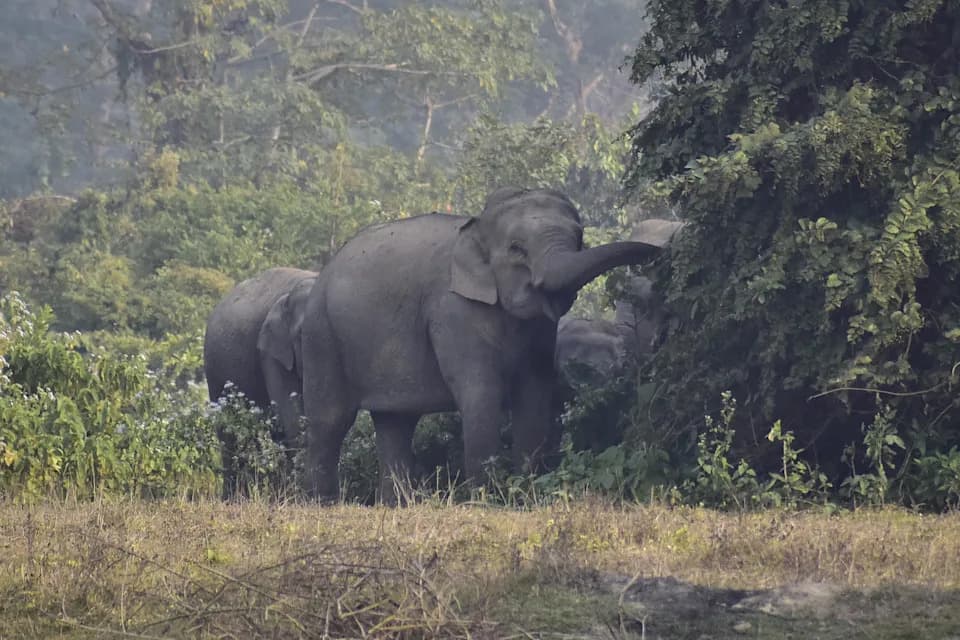
Researchers found that elephants addressing each other by name was a practice mostly reserved for communication over long distances or between adults and calves.©Chedko/Shutterstock.com(Chedko/Shutterstock.com)
Crucially, the study found that elephants do not typically address others by imitating the addressee’s own signature call. Instead, the signals appear to be arbitrary vocal labels—functionally similar to human names—decoupled from direct acoustic imitation. As lead author Michael Pardo noted, "Our data suggest that elephants do not rely on imitation of the receiver’s calls to address one another, which is more similar to the way in which human names work."

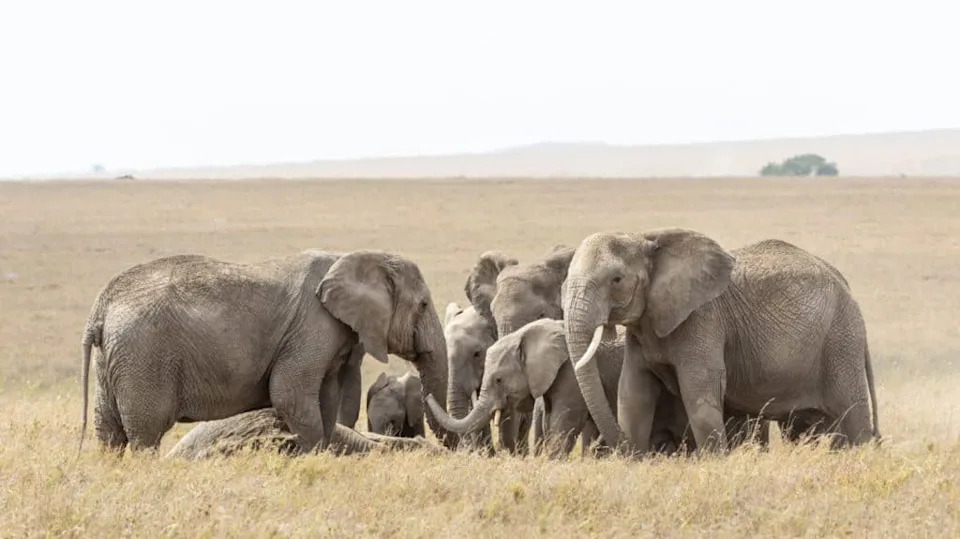
Elephants are considered an endangered species due to extensive poaching and habitat loss. Being able to communicate with these creatures, even on a basic level, could be a game-changer when it comes to protecting them.©binoymarickal/Shutterstock.com(binoymarickal/Shutterstock.com)
Technology Made It Possible
Kurt Fristrup, a research scientist at Colorado State University’s Walter Scott, Jr. College of Engineering, developed a new acoustic analysis technique to reveal subtle structural differences in elephant calls, including elements in infrasonic ranges below human hearing. He and colleagues trained machine‑learning models to classify calls by their acoustic fingerprints, allowing researchers to identify patterns that would be difficult or impossible to detect by ear alone.
Contexts and Implications
Observations suggest name‑like calling is used selectively—primarily at long range or during adult–calf interactions—rather than during close, face‑to‑face exchanges when visual and tactile cues suffice. The ability to produce arbitrary labels is considered a higher‑order communicative capacity because it decouples sound from direct imitation or simple referential signals.
The findings deepen our understanding of elephant cognition and social complexity and have potential conservation value. Improved insight into elephant communication could inform strategies to reduce human–elephant conflict and aid protection efforts. As co‑author George Wittemyer remarked, "It’s probably a case where we have similar pressures, largely from complex social interactions. That’s one of the exciting things about this study: it gives us some insight into possible drivers of why we evolved these abilities."
Next Steps
The authors emphasize that more data are needed. Future work should collect broader recordings across populations and contexts, isolate the specific acoustic elements that function as names, and test whether elephants also use arbitrary labels for places, resources or other concepts. Despite the practical challenges—"Unfortunately, we can’t have them speak into microphones," Wittemyer quipped—the new tools offer an unprecedented window into elephant social life.
Help us improve.