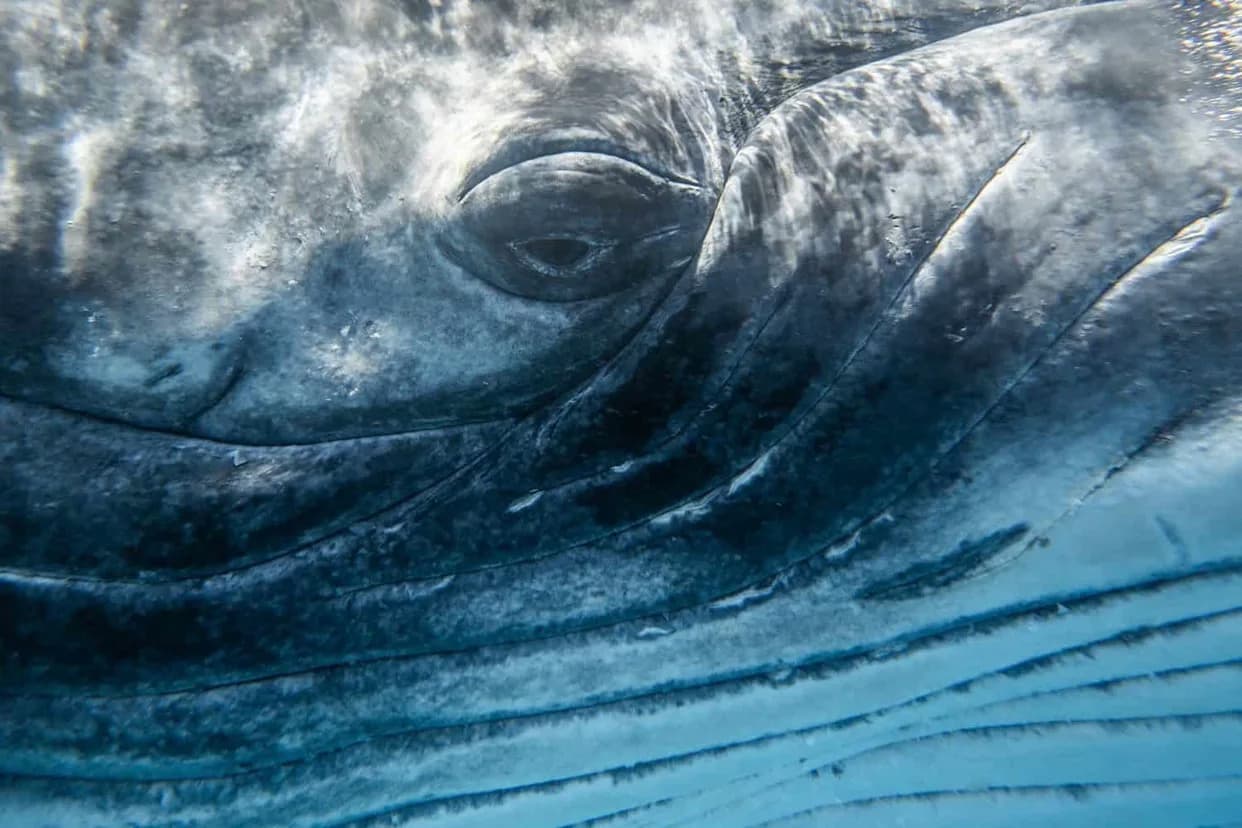
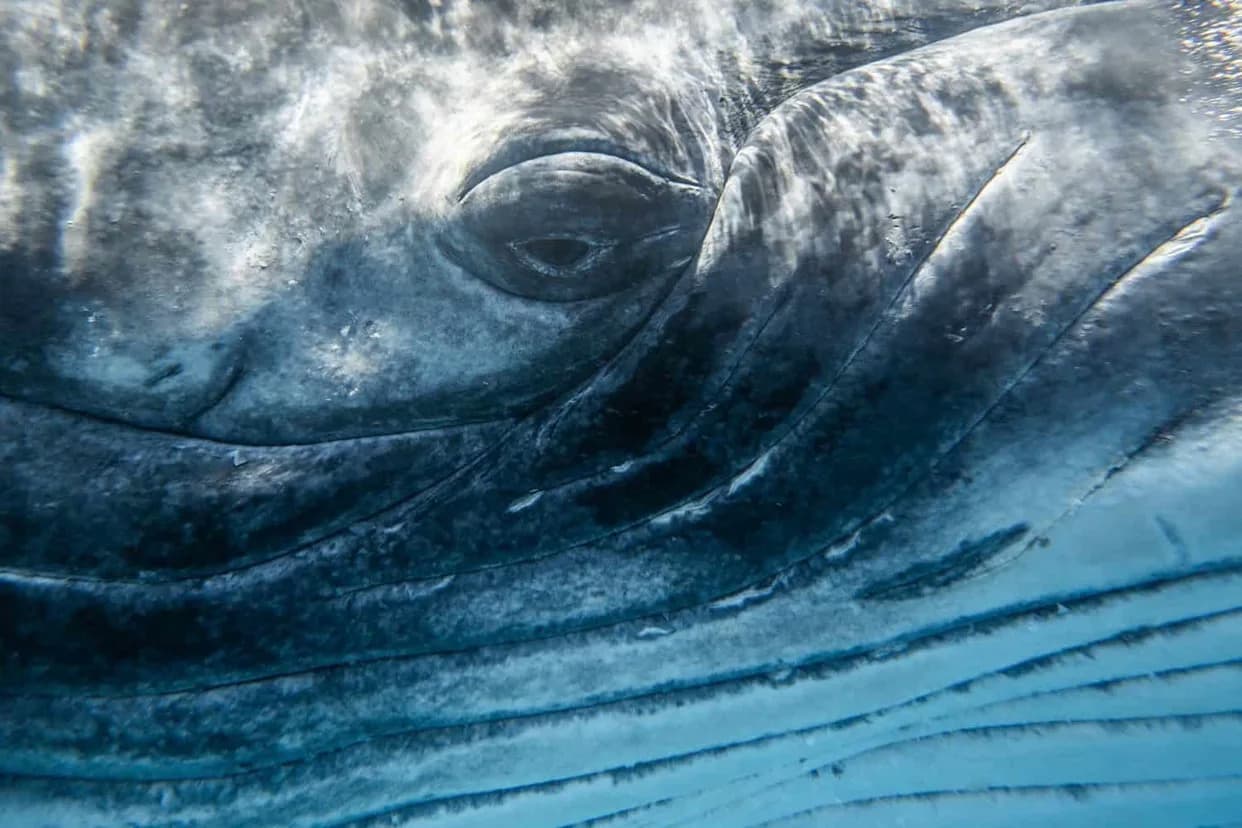
Researchers documented a previously unknown hunting partnership in which Northern resident orcas fall silent and use Pacific white-sided dolphins' echolocation to locate Chinook salmon. A 2025 study using non-invasive "Orca TV" biologging tags and drone footage recorded at least 25 deliberate follow-follow episodes and clear role switching: dolphins scout and locate prey, while orcas deliver the final strike. The alliance reduces energy costs for orcas, provides dolphins with food and protection from transient orcas, and may help both species cope with rising human-made ocean noise.
Silent Hunters: Orcas Eavesdrop on Dolphins' Echolocation to Find Salmon
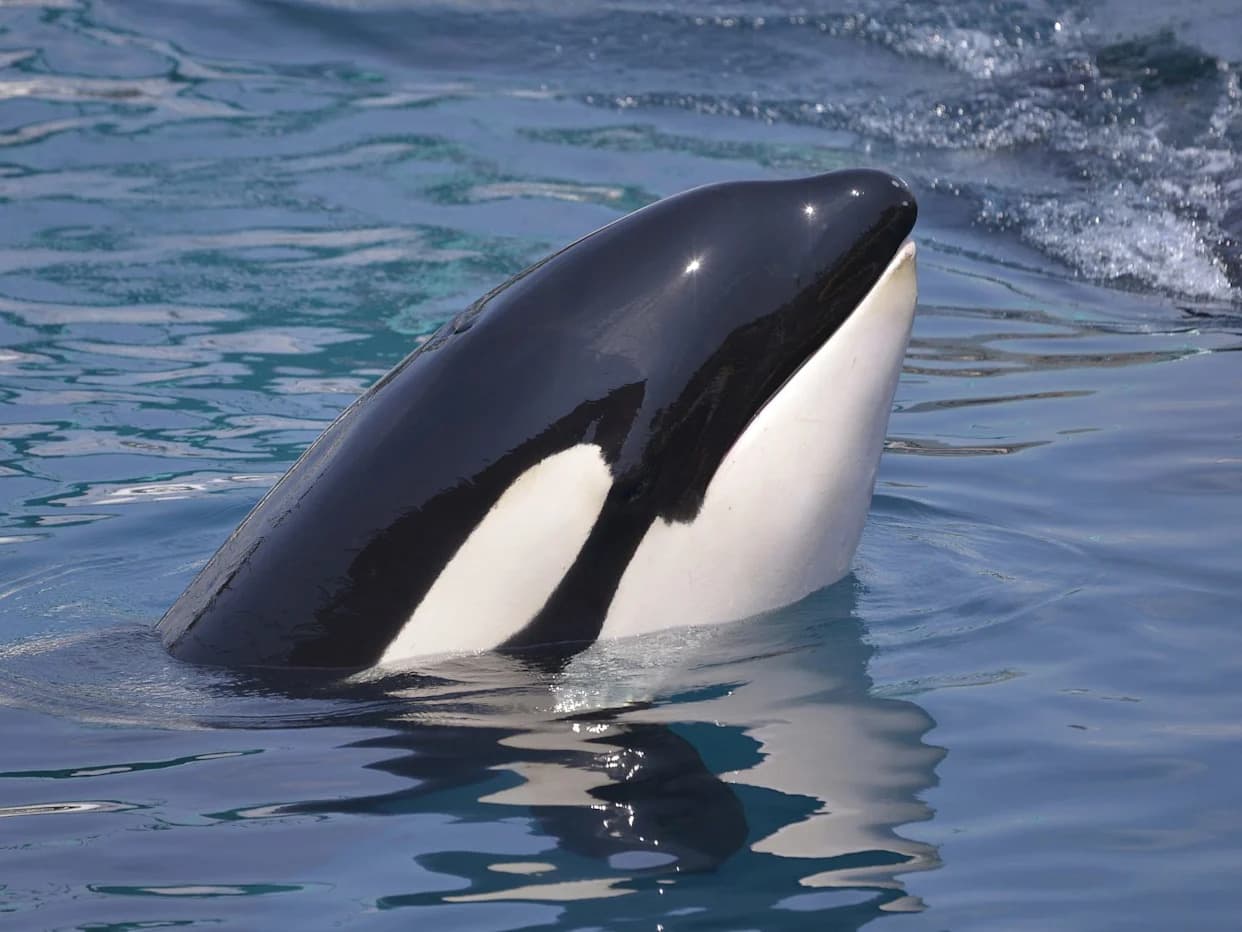
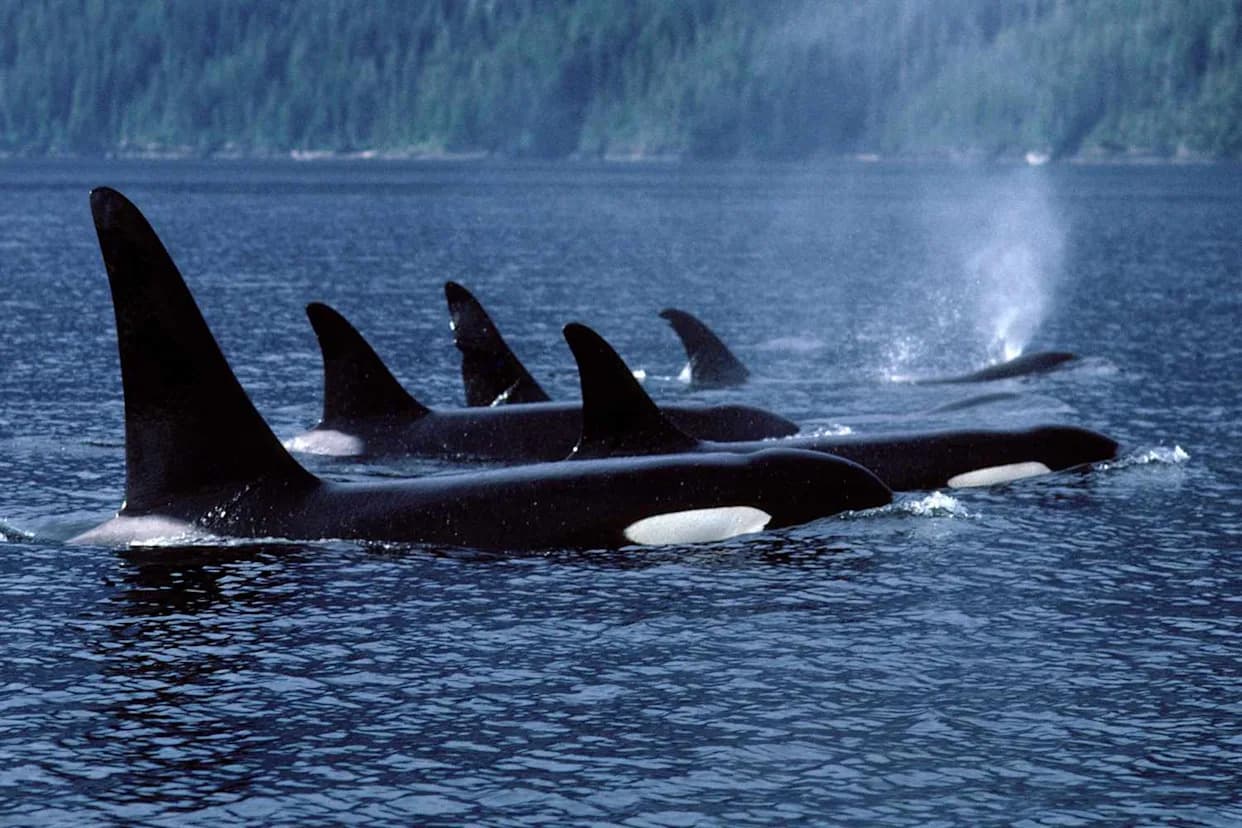
Head of killer whale (Orcinus orca) in blue water© Christian Musat/Shutterstock.com
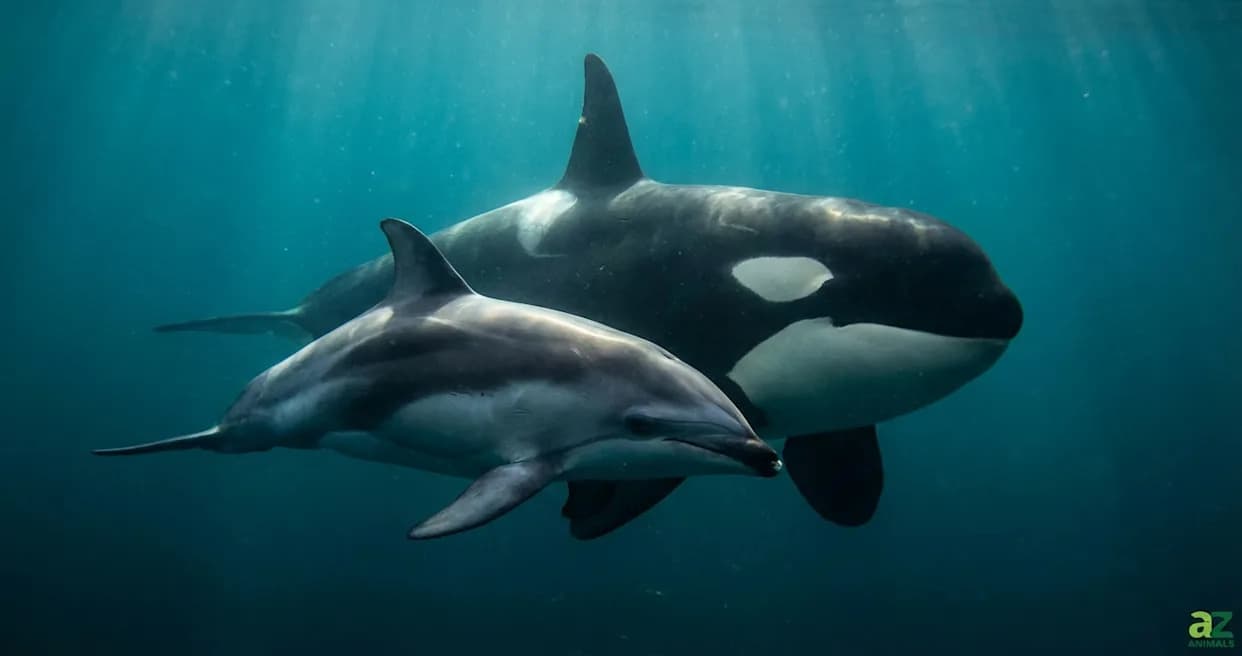
Researchers have documented a remarkable interspecies hunting alliance in which Northern resident killer whales (orcas) fall silent and use Pacific white-sided dolphins' echolocation to locate Chinook salmon. A 2025 study combining non-invasive biologging tags and drone footage shows orcas following dolphin sonar cues, then taking over to drive and kill prey.
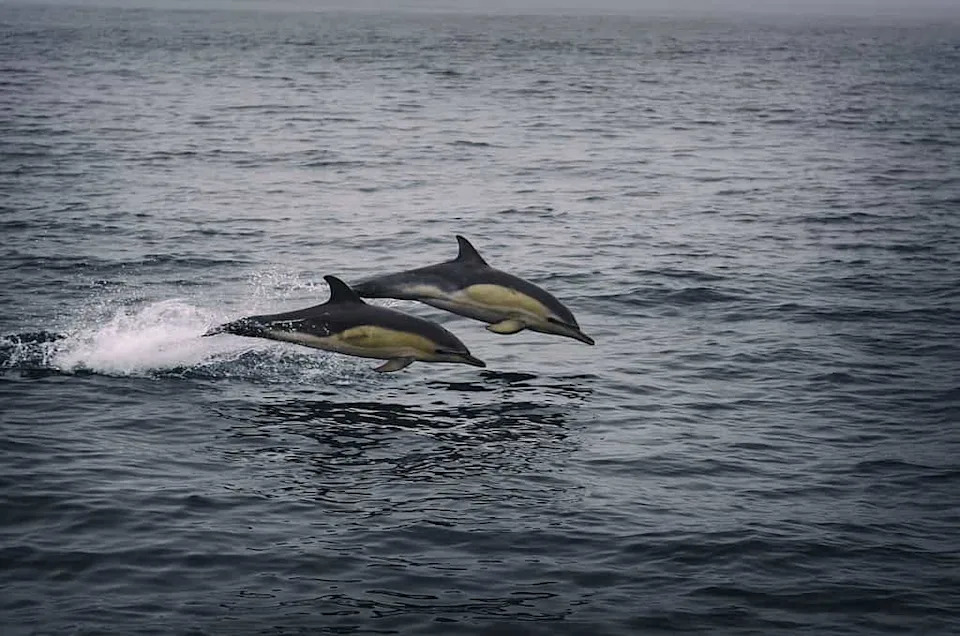
Pacific white-sided dolphins have unique black, gray, and white patterns.©mark mulhern/Shutterstock.com(mark mulhern/Shutterstock.com)
How The Alliance Works
Instead of using their own sonar during these hunts, orcas adopt what researchers call "acoustic camouflage": they mute their clicks and listen for the high-frequency echolocation produced by dolphins. The dolphins act as long-range scouts, sweeping wide areas and pinpointing hidden salmon in crevices and deep channels. Once dolphins locate the prey, the orcas use their superior strength to corral the fish to the surface and deliver the killing bite. Orcas then break larger salmon into pieces that both species feed on.
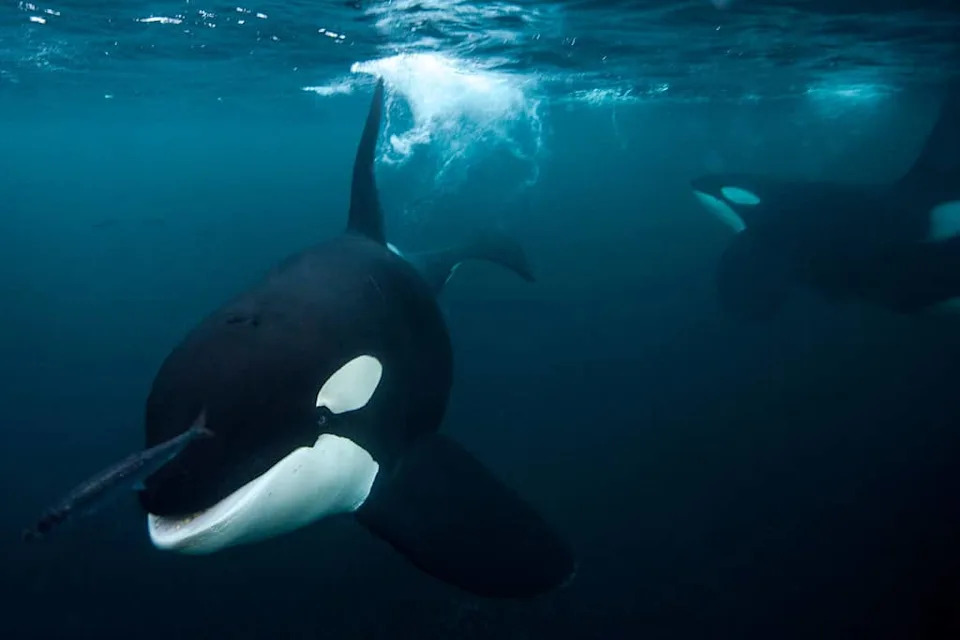
Orcas use a variety of chirps, whistles, squeaks, and other forms of high-frequency bio-sonar to communicate and navigate.©Petr Slezak/Shutterstock.com(Petr Slezak/Shutterstock.com)
Evidence From The Field
Scientists from the University of British Columbia and Dalhousie University recorded at least 25 deliberate episodes in which orcas altered course to track dolphin groups. Researchers used non-invasive biologging tags—nicknamed "Orca TV"—that captured video, audio, and 3D motion from the whales' perspective. Aerial drones revealed the hunt choreography: dolphins spread out as a scouting line to herd salmon toward trailing orcas, which surfaced with the catch while dolphins took the leftovers.
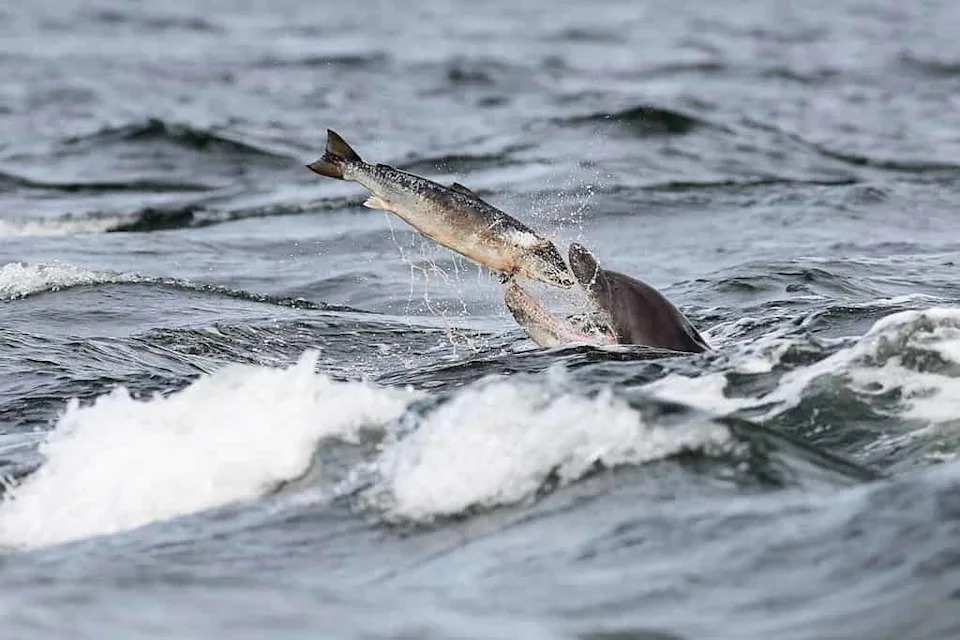
Dolphins use high-frequency echolocation and can cover enormous stretches of ocean.©Binson Calfort/Shutterstock.com(Binson Calfort/Shutterstock.com)
Why This Partnership Matters
The collaboration benefits both species. Orcas save energy by outsourcing the energetically costly search to dolphins, reducing the need for constant sonar and extensive searching. Dolphins gain access to calorie-rich prey and a degree of protection: mammal-eating transient orcas, which hunt dolphins, tend to avoid territories occupied by fish-eating Northern resident orcas, so traveling with residents can lower dolphins' predation risk.
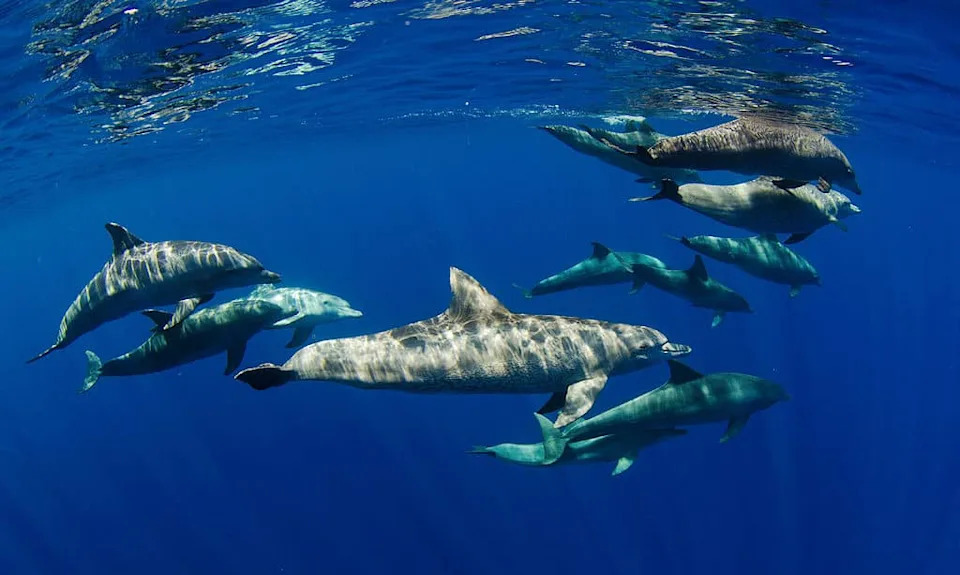
By working together, orcas and dolphins may be better at finding salmon amid the rising noise of ship engines in the ocean.©Joost van Uffelen/Shutterstock.com(Joost van Uffelen/Shutterstock.com)
Notably: Scientists observed no aggression between the species during these cooperative hunts, suggesting the scouting value outweighs the cost of sharing food.
Broader Implications
Researchers suggest this behavior may be an adaptive response to increasing human-made ocean noise, which can mask echolocation and communication. By relying on dolphin sonar while remaining quiet, orcas may maintain foraging success in noisier waters. The findings also highlight advanced behavioural flexibility and cross-species coordination—raising questions about cognition, risk assessment, and cultural transmission among marine mammals.
Study Reference: 2025 fieldwork by teams from the University of British Columbia and Dalhousie University using biologging tags and drone observations documented repeated, intentional following and role-switching between Northern resident orcas and Pacific white-sided dolphins during salmon hunts.
Help us improve.