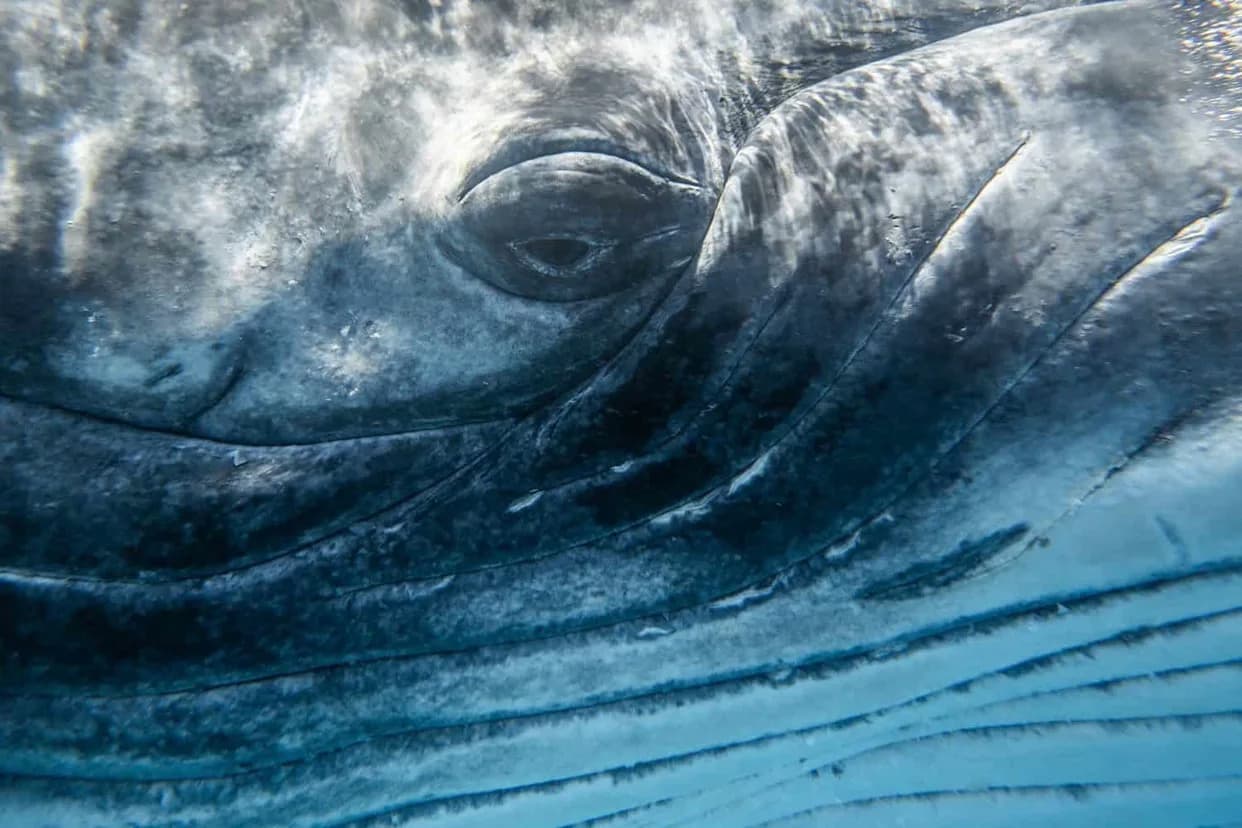
Researchers observed Northern resident orcas in the Pacific Northwest going silent and following Pacific white‑sided dolphins, effectively eavesdropping on dolphin echolocation to locate Chinook salmon. Using drone footage and non‑invasive biologging (“Orca TV”), the 2025 study documented at least 25 deliberate hunting collaborations in which dolphins scouted and herded fish and orcas finished the capture. The alliance conserves orca energy, provides dolphins with food and protection from mammal‑eating transients, and may help both species cope with rising ocean noise.
Orcas 'Eavesdrop' on Dolphins: New Study Shows Coordinated Salmon Hunts
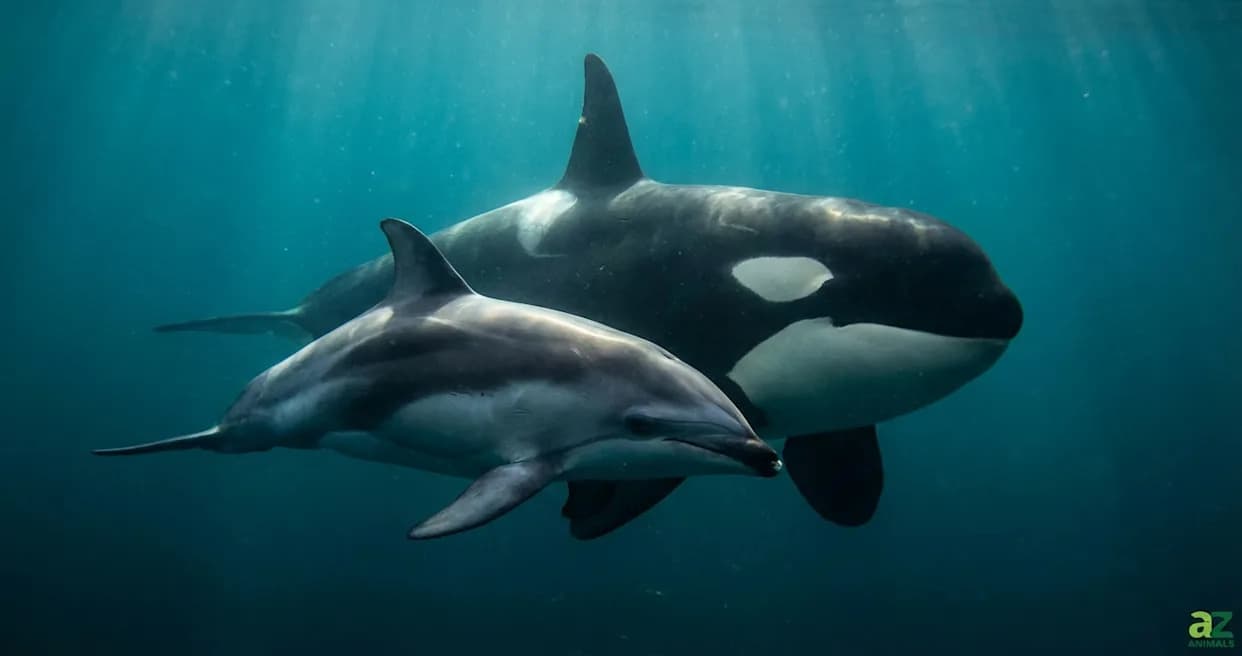
A large black and white orca and a smaller grey and white dolphin swim closely together in sun-dappled blue water.© A-Z Animals
Researchers filming Northern resident killer whales in the Pacific Northwest uncovered a surprising and highly coordinated interspecies hunting strategy: orcas go silent and track prey by listening to the echolocation of nearby Pacific white‑sided dolphins. Far from chaotic encounters, the teams documented repeated, intentional alliances in which dolphins scout and herd Chinook salmon while orcas deliver the final strike.
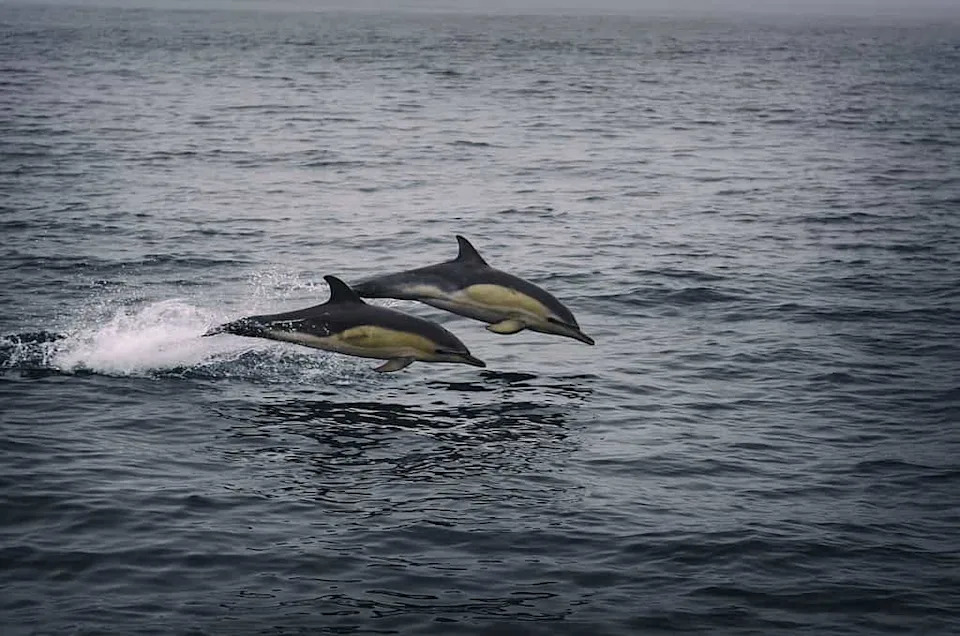
Pacific white-sided dolphins have unique black, gray, and white patterns.©mark mulhern/Shutterstock.com(mark mulhern/Shutterstock.com)
How The Alliance Works
In these hunts, dolphins spread out in broad scouting lines and use high‑frequency echolocation to locate and herd salmon out of deep channels and crevices. The more powerful orcas then follow the dolphins’ movements — often just yards behind or beside them — and take over during the final stage of the capture. Observers recorded dolphins swimming inches from orcas’ snouts during coordinated maneuvers, showing a tight spatial and temporal synchrony.
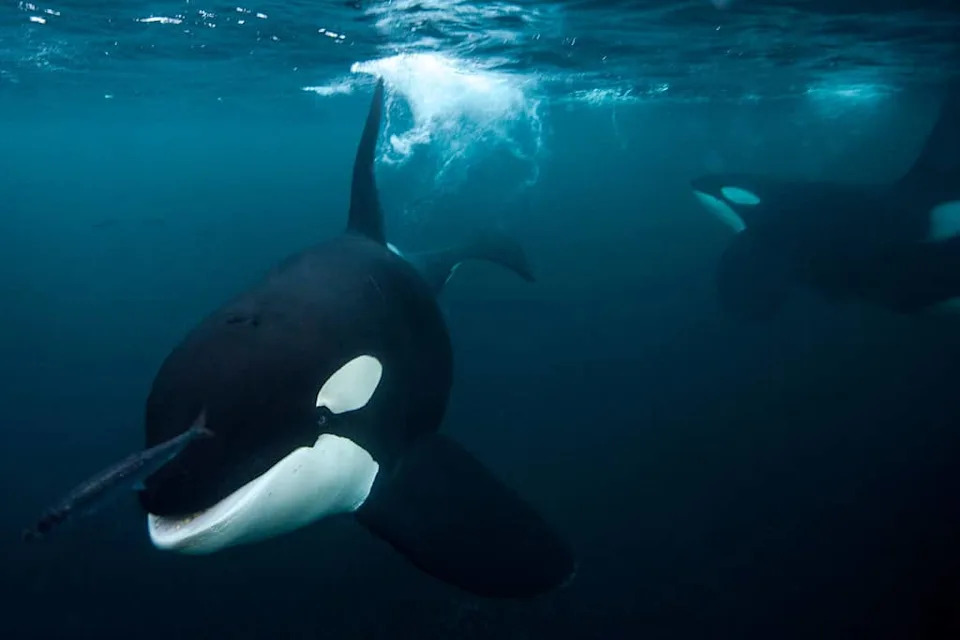
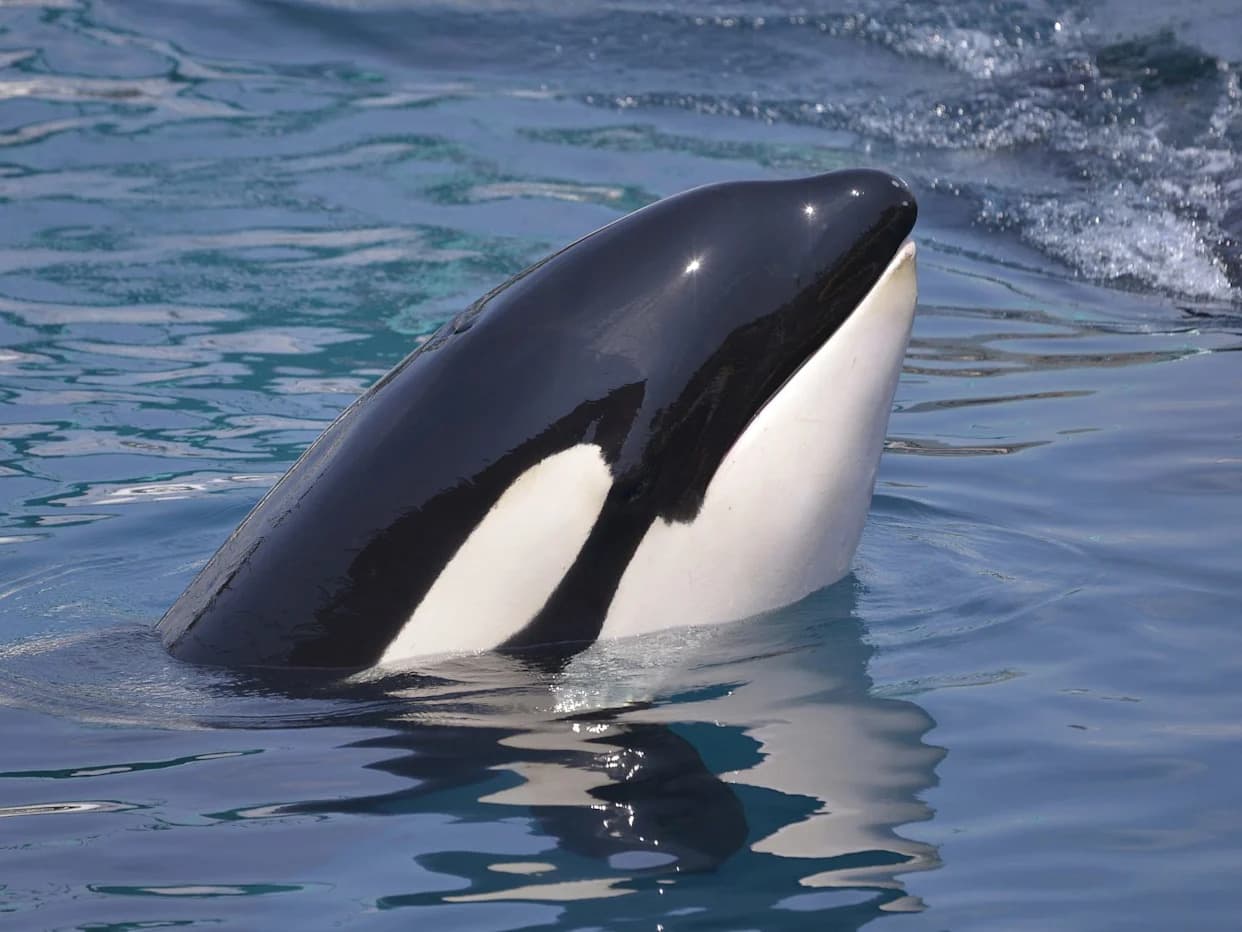
Orcas use a variety of chirps, whistles, squeaks, and other forms of high-frequency bio-sonar to communicate and navigate.©Petr Slezak/Shutterstock.com(Petr Slezak/Shutterstock.com)
Acoustic Camouflage And Eavesdropping
Killer whales are normally vocal, using clicks and calls for navigation and communication. But when hunting with dolphins, Northern resident orcas often go silent, reducing the risk of masking dolphin echolocation or alerting sound‑sensitive salmon. In this state of “acoustic camouflage,” orcas effectively eavesdrop on dolphin sonar, outsourcing the energetically costly search and using subtle behaviors — such as rolling maneuvers — to better orient their hearing toward dolphin clicks.
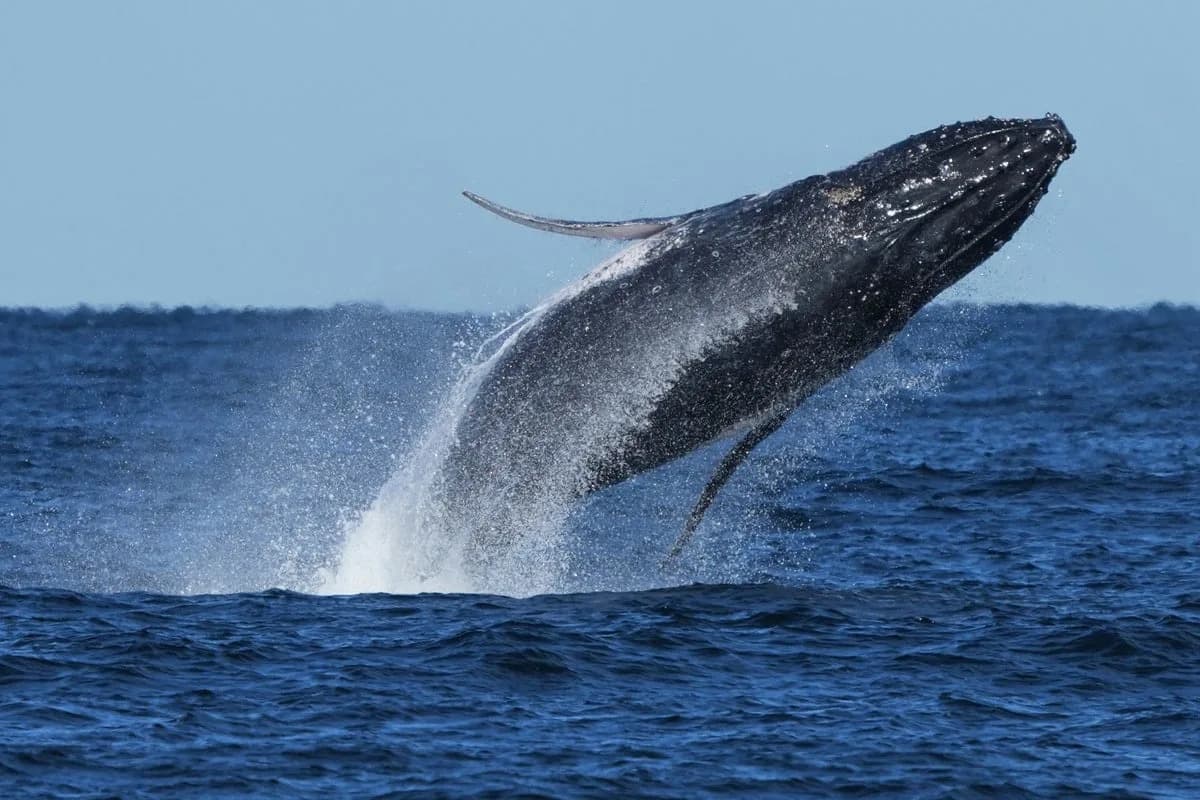
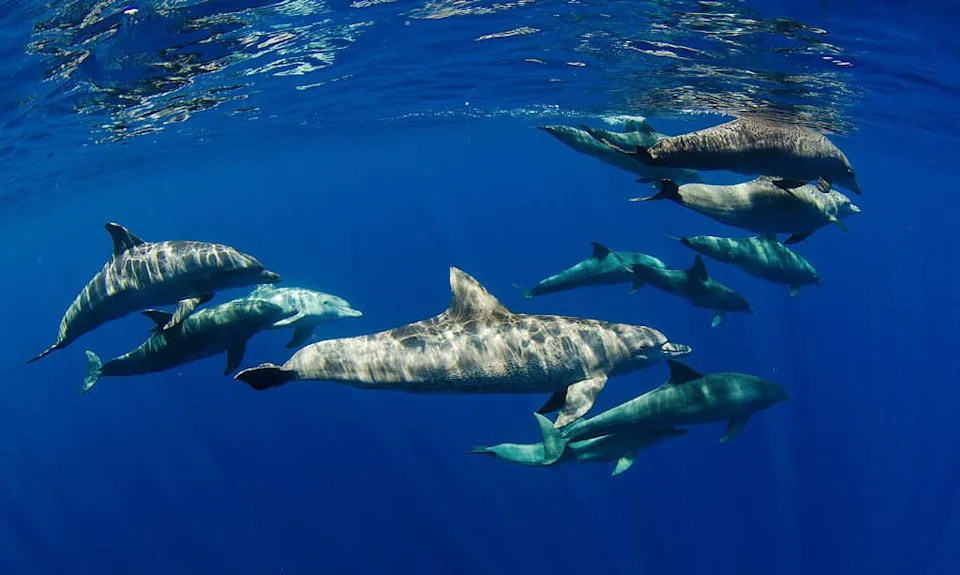
Dolphins use high-frequency echolocation and can cover enormous stretches of ocean.©Binson Calfort/Shutterstock.com(Binson Calfort/Shutterstock.com)
Evidence And Methods
Teams from the University of British Columbia and Dalhousie University combined aerial drone footage with non‑invasive biologging devices (nicknamed “Orca TV”) that captured video, audio, and 3‑D movement from the whales’ perspective. The 2025 study documented at least 25 deliberate cases in which orcas changed course to follow dolphin groups, sometimes abandoning prior routes. Drone imagery consistently showed dolphins funneling fish toward trailing orcas; in each documented kill the whales surfaced with salmon and dolphins fed on leftovers.
By working together, orcas and dolphins may be better at finding salmon amid the rising noise of ship engines in the ocean.©Joost van Uffelen/Shutterstock.com(Joost van Uffelen/Shutterstock.com)
Benefits, Behavior, And Ecological Significance
Both species gain from the partnership. Orcas conserve energy by skipping prolonged searching; dolphins gain access to calorie‑rich food and an unexpected measure of safety. Predator‑type fidelity in the region means transient, mammal‑eating orcas typically avoid territories of fish‑eating Northern residents, so traveling with resident orcas appears to reduce dolphins’ risk of predation.
Remarkably, researchers reported little to no aggression between species during these cooperative hunts. This tolerance suggests a strategic trade‑off: the scouting value dolphins provide outweighs the cost of sharing prey.
Broader Implications
Scientists propose that this interspecies cooperation may help marine mammals cope with increasing anthropogenic noise. By relying on dolphin‑produced sonar, orcas can conserve energy and avoid producing signals that might be masked by ship and industrial noise. The behavior also hints at complex social cognition: both species must recognize and tolerate each other’s roles to maintain the alliance.
Bottom line: The study reveals a rare, adaptive partnership in which orcas ‘eavesdrop’ on dolphin sonar to find salmon — a behavior with energetic, ecological, and conservation implications for noisy oceans.
Help us improve.