New research shows bats use acoustic flow velocity—the changing pattern of echoes—as a motion cue instead of decoding every echo. In a 26-foot corridor lined with nearly 8,000 reflectors, researchers recorded 181 flights (104 full runs) of pipistrelle bats and found they slowed by up to ~28% when perceived sound flow increased. The finding suggests a simple, robust cue that could help drones navigate cluttered, GPS‑denied or low‑light environments.
How Bats’ “Acoustic Flow” Could Teach Drones to Fly Through Forests and Cities

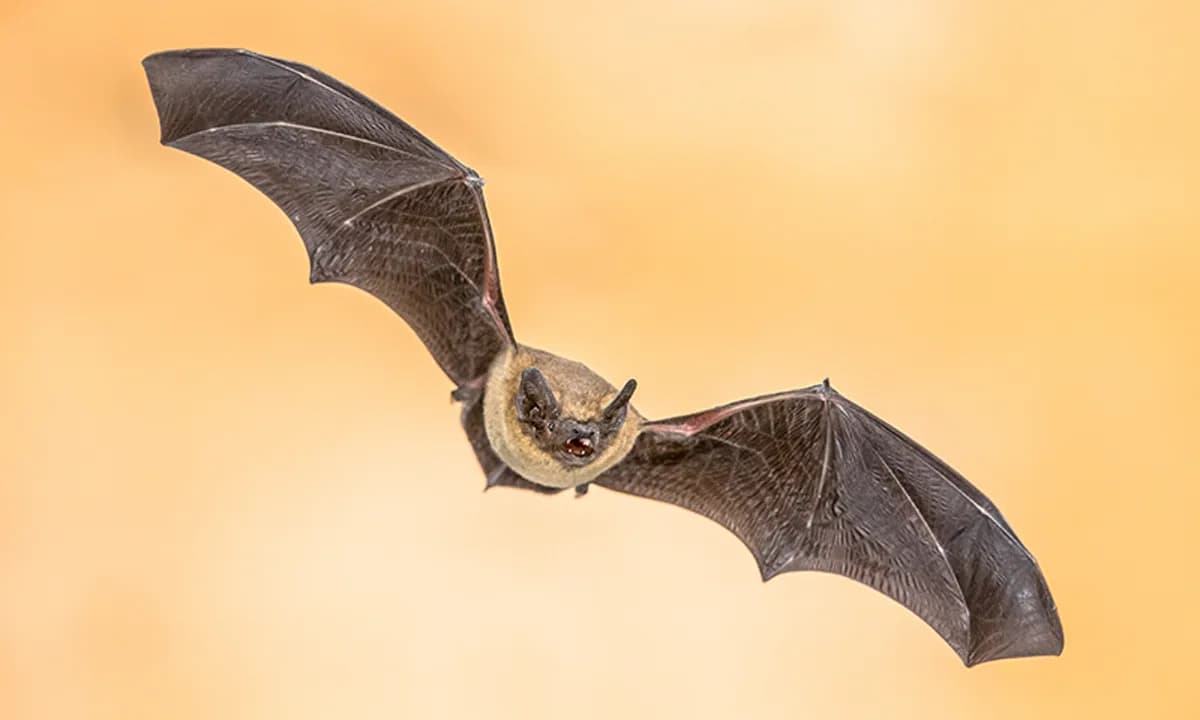
Flight of bats at sunset© Alex555x/Shutterstock.com
Bats are extraordinary nocturnal pilots. A new study from the University of Bristol reveals they navigate cluttered environments not by parsing every echo, but by listening to the changing pattern of echoes—what researchers call acoustic flow velocity. This discovery explains how bats make split-second flight decisions in dense foliage and suggests a promising bioinspired approach for drones that must operate without GPS or reliable vision.

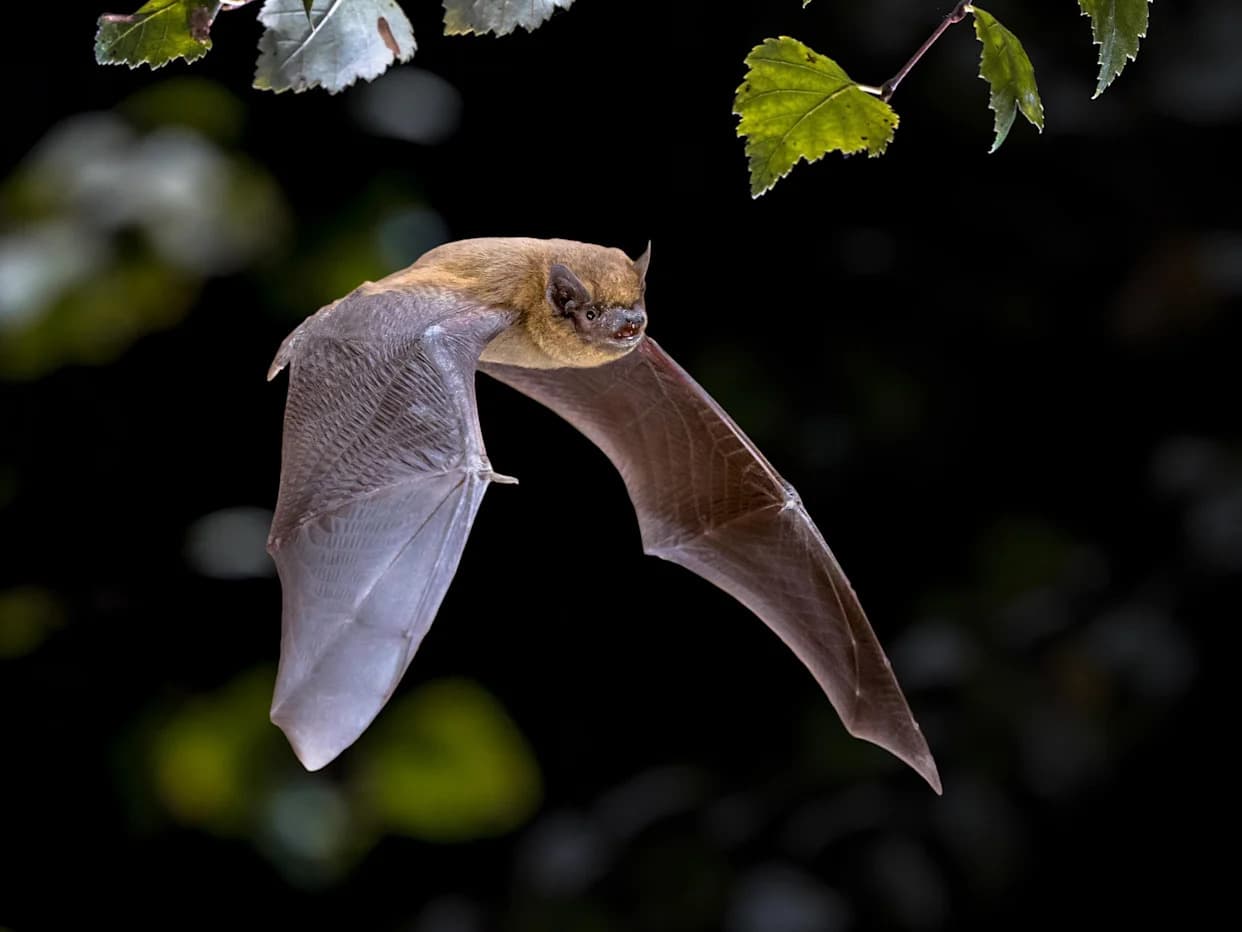
A bat flying through dense foliage may receive hundreds of overlapping echoes from a single call, far more information than it could process individually.©Alex555x/Shutterstock.com(Alex555x/Shutterstock.com)
How Acoustic Flow Works
When a bat emits a call, sound bounces off surrounding objects and returns as echoes. In open space these returns can be used to localize individual objects. In clutter—hedges, branches, leaves—a single call may produce hundreds of overlapping echoes. Rather than attempting to decode each bounce, bats appear to monitor the global dynamics of the echo field.
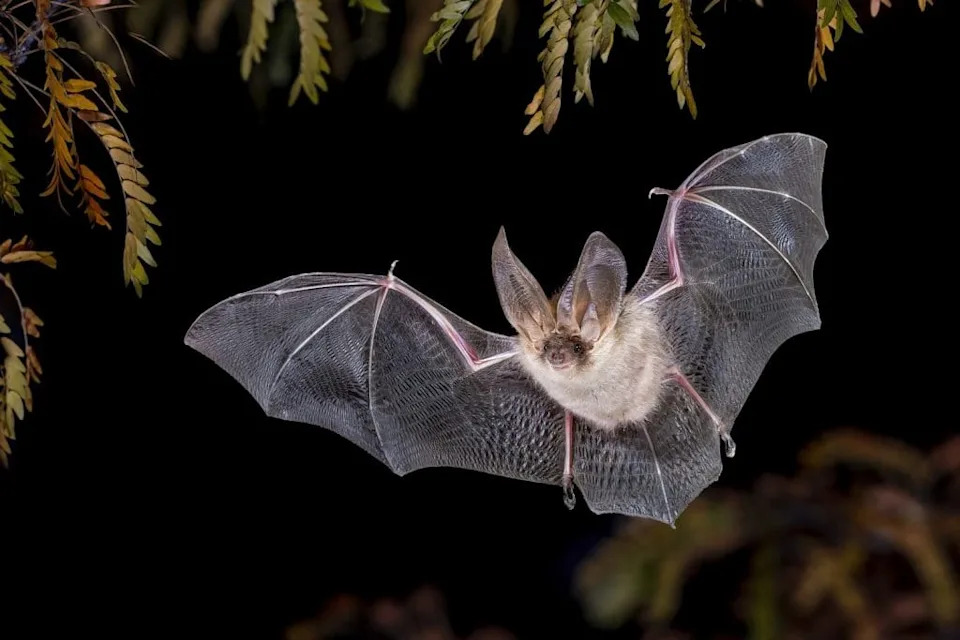
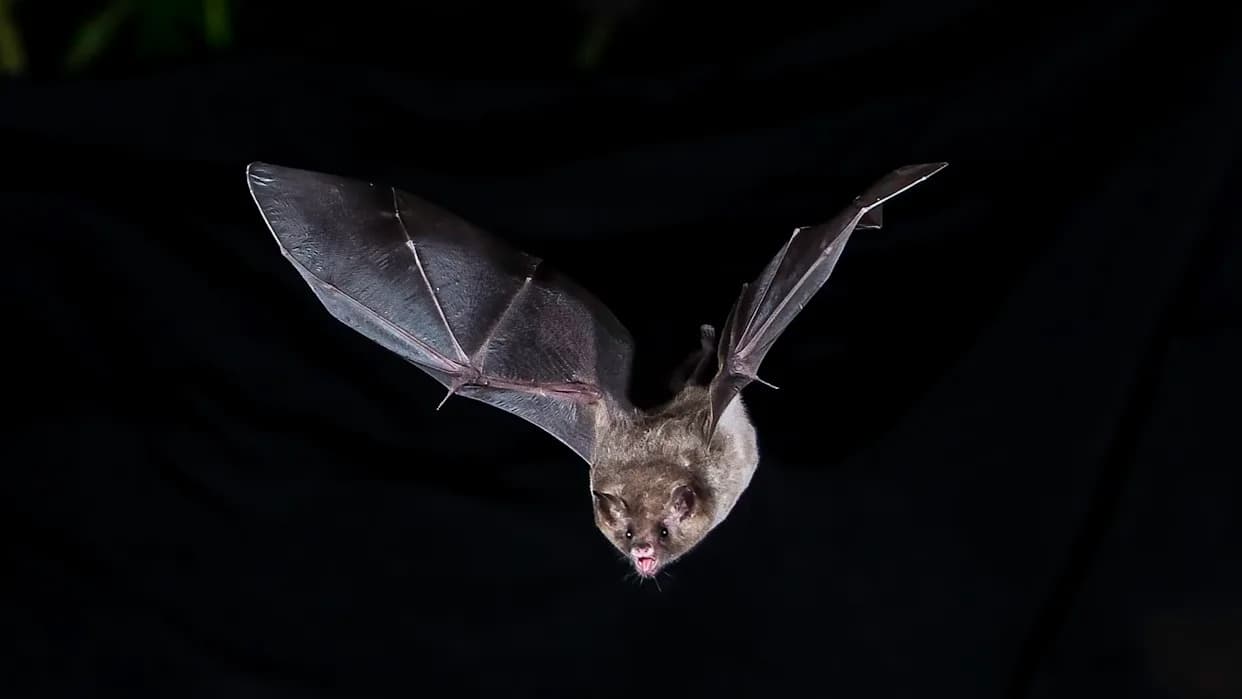
Just as optic flow helps humans sense speed while driving, bats rely on shifting echo patterns to understand motion through space.©Rudmer Zwerver/Shutterstock.com(Rudmer Zwerver/Shutterstock.com)
This global cue is similar to optic flow in vision, where nearby objects sweep past faster than distant ones as you move. For bats, motion through a complex environment alters echo timing and frequency (including Doppler-like shifts), producing an ever-changing acoustic pattern that can indicate relative speed and proximity to obstacles.
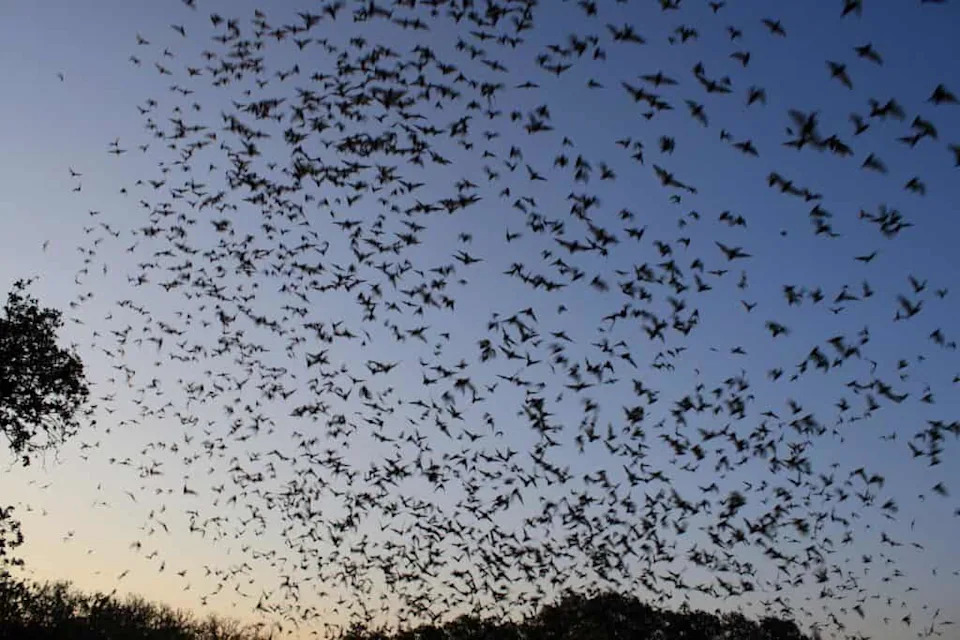
Researchers recreated hedge-like acoustic clutter using nearly 8,000 reflectors to study how bats respond to manipulated sound flow.©freelancerChrisSobalvarro/Shutterstock.com(freelancerChrisSobalvarro/Shutterstock.com)
The Experiment: The “Bat Accelerator Machine”
To test this idea, researchers built a 26-foot flight corridor nicknamed the Bat Accelerator Machine. The corridor was lined with nearly 8,000 tiny acoustic reflectors to simulate hedge-like clutter. Over three nights the team recorded 181 flight paths from common pipistrelle bats, of which 104 covered the full length of the apparatus.
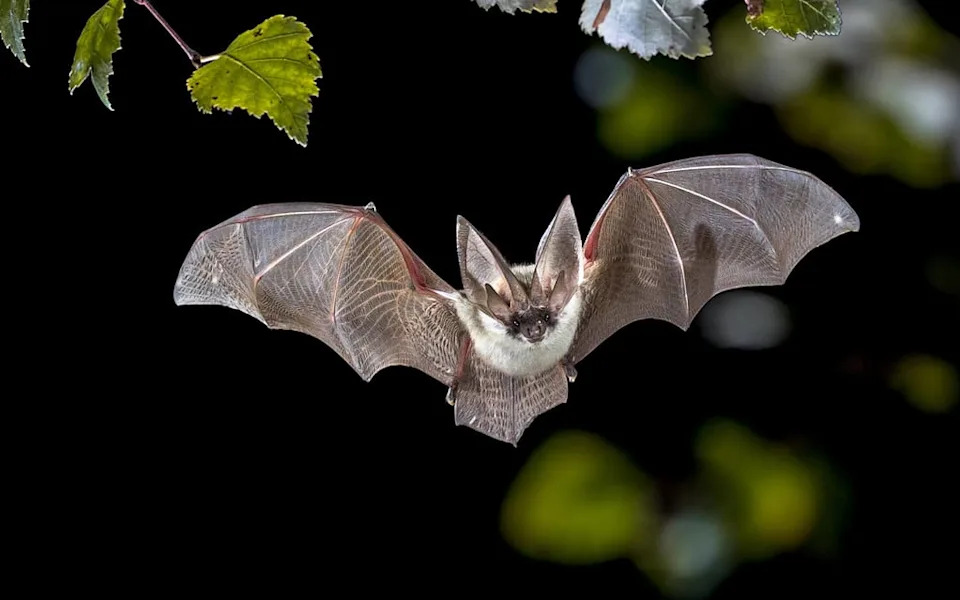
Unlike camera-based systems, bat-inspired acoustic navigation could help drones fly safely in darkness, fog, or GPS-dead zones.©Rudmer Zwerver/Shutterstock.com(Rudmer Zwerver/Shutterstock.com)
Crucially, the experimenters could move the reflectors to manipulate the perceived acoustic flow. Moving reflectors against the bat’s flight direction made the sound field appear to accelerate; moving them with the bat made it appear to slow.
What The Results Show
The bats responded predictably to these manipulations. When the acoustic flow was increased, bats reduced their speed—by up to about 28% relative to the induced change. When the flow was reduced, bats sped up. In short, bats treated changes in the overall echo pattern as cues to adjust their motion in real time, rather than attempting to build a detailed echo-by-echo map of the environment.
Implications For Drone Navigation
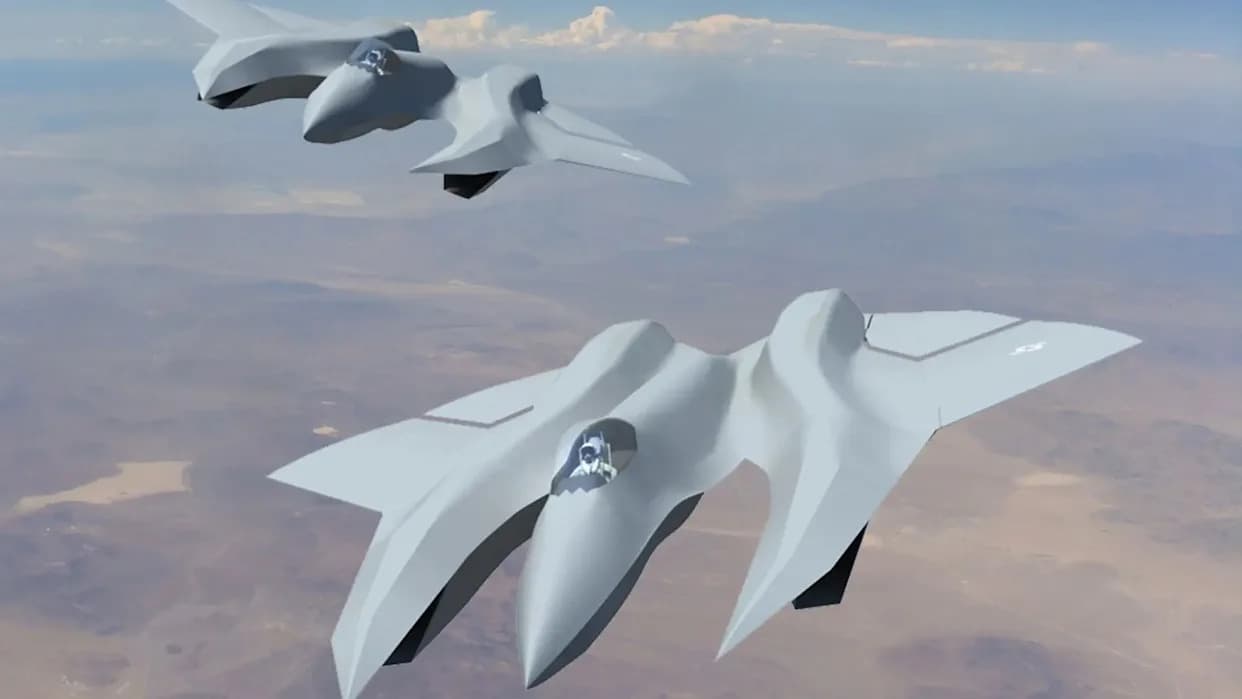
Robots and drones face the same challenge: operating safely in cluttered, GPS-denied or low-light environments. Conventional systems rely on cameras, lidar, or GPS, which can fail in fog, darkness, dense forest or urban canyons. An acoustic flow–based system—modeled on bat echolocation—could let drones estimate relative motion and avoid collisions using compact ultrasonic sensors that work when vision and GPS are unreliable.
Already, prototype drones use ultrasonic echoes to estimate velocity and detect imminent collisions. The Bristol findings provide a clear, biologically validated strategy—monitoring the dynamics of the echo field rather than decoding every reflection—that could simplify onboard processing and improve reliability in cluttered spaces.
Why This Matters
Sometimes the most effective navigation strategy isn’t to understand every detail in front of you, but to sense the flow of information around you and adjust. Bats demonstrate an elegant, low-bandwidth solution to a difficult problem—one with immediate relevance to safer autonomous flight.
Study snapshot: University of Bristol; 26-foot corridor; ~8,000 reflectors; 181 flights recorded (104 full runs); up to ~28% speed reduction when acoustic flow was increased.
Help us improve.