Short summary: Evolution has not stopped—its pressures and pathways have shifted. Advances like medicine and sanitation changed which traits matter, but allele frequencies continue to change. Urbanisation, diet, pollution and cultural practices are now major forces shaping human biology, so Homo sapiens remains a work in progress.
Are Humans Still Evolving? What Anthropologists and Geneticists Say

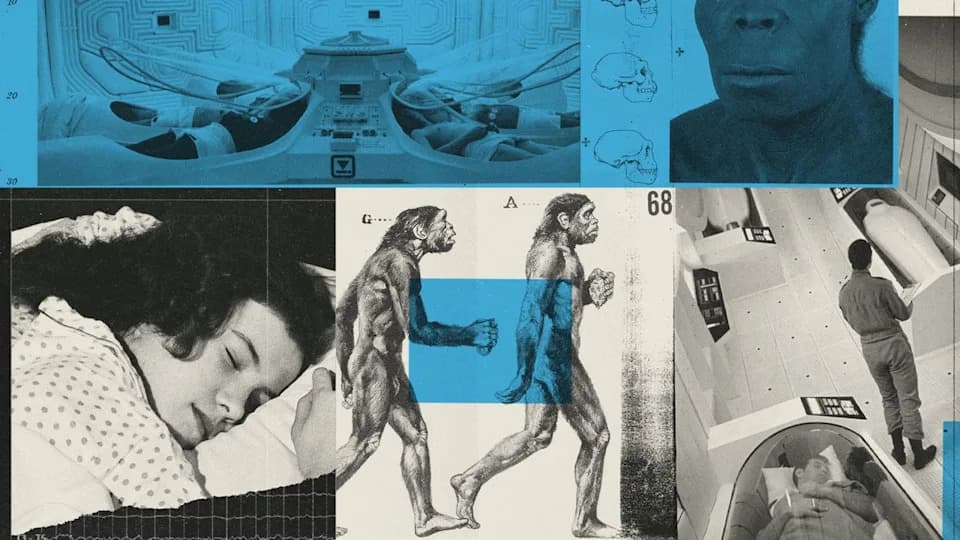
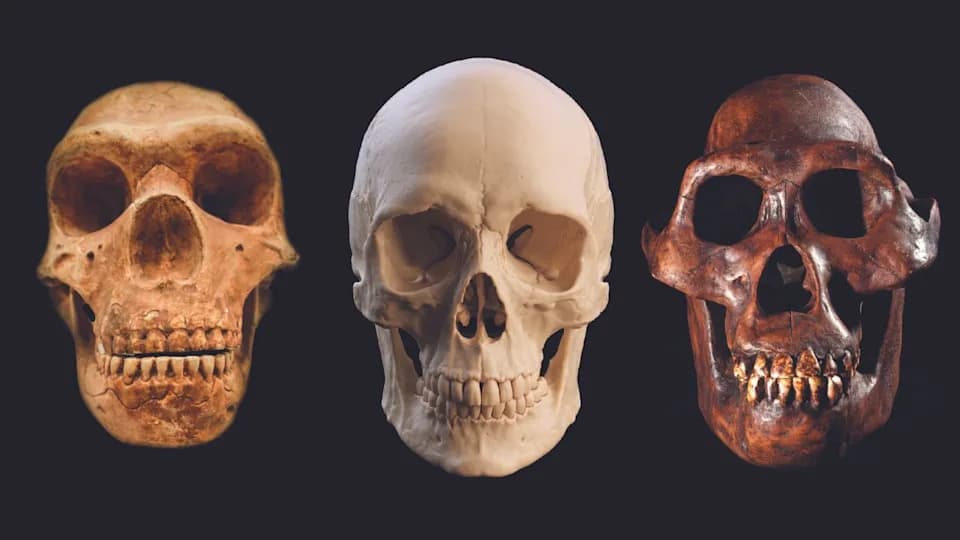
Many people assume human evolution ended with the rise of modern technology and medicine. In truth, anthropologists and geneticists agree: evolution has not stopped — it has changed direction. The selective pressures that shaped our ancestors remain, but new forces tied to culture, environment and technology now play a major role.
How evolution still works today
Evolution is the change in the genetic makeup of populations across generations. Classical drivers—environmental change, infectious disease, food supply, predators and competition—still determine which genetic variants increase or decline. While advances in medicine and sanitation have reduced some mortality before reproduction, selection continues to act on traits that affect survival and reproductive success.
Evidence from genomes and ancient DNA
Genetic surveys and ancient-DNA studies reveal ongoing shifts in allele frequencies. For example, variants associated with lactose tolerance trace adaptations to dairying, and some immune-related gene variants became more common in populations with long histories of dense settlement. One such example is a variant in the SLC11A1 gene linked to resistance against pathogens like tuberculosis and leprosy—an indication that urban disease ecologies left measurable marks on human genomes.
Cities, drift and gene flow
Urban living changes evolutionary dynamics in several ways. Densely settled populations can concentrate pathogens and new selective pressures, while founder effects and restricted mating networks increase the importance of genetic drift. At the same time, high migration rates, diverse cultural practices and intermarriage create complex patterns of gene flow. The net result is that evolutionary change in cities can be rapid in some respects and highly variable in others.
New selective pressures in the modern world
Many traditional survival challenges have eased thanks to clean water, vaccination and improved nutrition, but new pressures have emerged. Air pollution, chronic stress, sedentary lifestyles, novel pathogens and dietary shifts can influence which traits are advantageous. Cultural evolution—changes in behavior, technology and social organization—interacts with biological evolution, sometimes reducing selection on particular genes and sometimes creating fresh selective contexts.
In short: Homo sapiens remains a work in progress. The mechanisms that drive evolution are the same, but the environment that shapes selection is now a mixture of natural conditions and human-made systems. While we cannot predict exactly how humans will look in 1,000 years, genomic evidence makes it clear that evolution is ongoing and responsive to the social and environmental world we build.
Note: Ongoing research continues to refine our understanding of how quickly and in what directions humans are evolving. Genetic change can be subtle, population-specific, and shaped by both biology and culture.
Help us improve.