Researchers Leslie DeChurch and Noshir Contractor analyzed behavioral data from a dozen sealed analog missions (30 days to eight months) in Houston and Moscow (2016–2020) to model how long-duration crews behave. Their CREWS and SCALE frameworks pinpoint five markers of effective teamwork — shared cognition, team viability, leadership dynamics, task affect, and hindrance — and show that crews often gain procedural skill while losing higher-order collective thinking over time. From 2019–2024 they built these insights into TEAMSTaR, an interactive decision-support dashboard that lets crews forecast risks and test interventions; early trials are promising and the approach has clear applications for organizations on Earth.
Houston, We Have a Solution: Mapping the "Social Weather" of Mars Crews

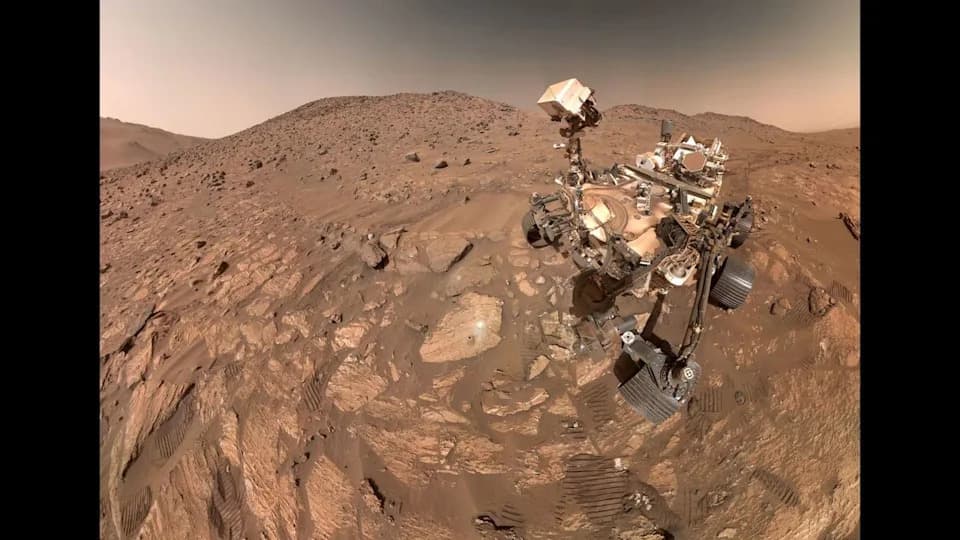
As plans for crewed missions to Mars advance, the comparison to Apollo-era lunar voyages is tempting but misleading. A trip to the Moon typically takes days; a realistic Mars expedition would be a multi-year commitment — roughly three years round-trip — and presents very different engineering and human challenges.
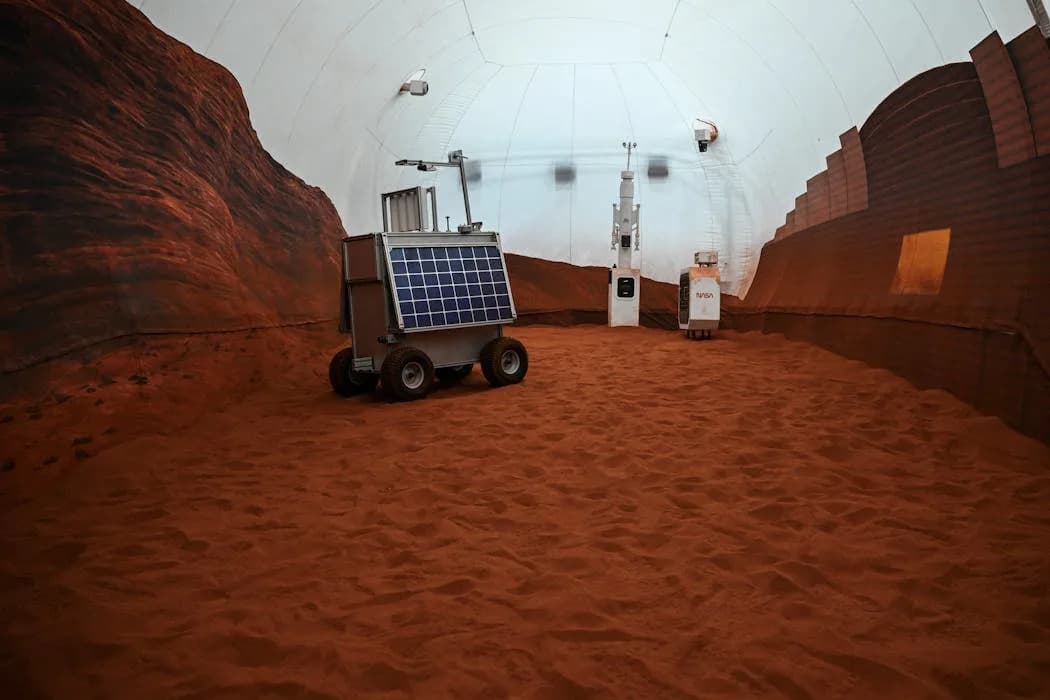
Beyond propulsion, supplies, and radiation shielding, one of the largest obstacles for a multi-year Mars mission is psychological: how to assemble a single, resilient team that can live and work together in confined quarters for years with no immediate backup. Professors Leslie DeChurch and Noshir Contractor have spent nearly a decade studying that question by analyzing Earth-based analog missions that simulate the social isolation, communication delays, and physical confinement of deep-space travel.
Between 2016 and 2020 they collected behavioral data from about a dozen sealed analog deployments in Houston and Moscow that lasted from 30 days to eight months. Using those data, they built two complementary predictive models — CREWS (Crew Recommender for Effective Work in Space) and SCALE (Shared Cognitive Architecture for Long-Distance Exploration) — to map how crew relationships, leadership, and shared understanding evolve over time.
Five markers of effective teamwork
From CREWS and SCALE the researchers distilled five critical markers of team effectiveness:
- Shared cognition — the crew's collective ability to understand problems and coordinate solutions.
- Team viability — the capacity to keep working together well over repeated challenges and long durations.
- Leadership dynamics — fluid systems that let expertise drive influence, allowing people to claim and cede authority as needed.
- Task affect — the emotional ease or affinity crew members feel when working together.
- Hindrance — constructive accountability and the friction that can prompt carefulness and checks.
Those markers now inform an interactive decision-support dashboard, TEAMSTaR (Tool for Evaluating and Mitigating Space Team Risk), developed from 2019 to 2024 to help crews forecast interpersonal risks and test interventions before problems escalate.
Why Mars crews need different tools
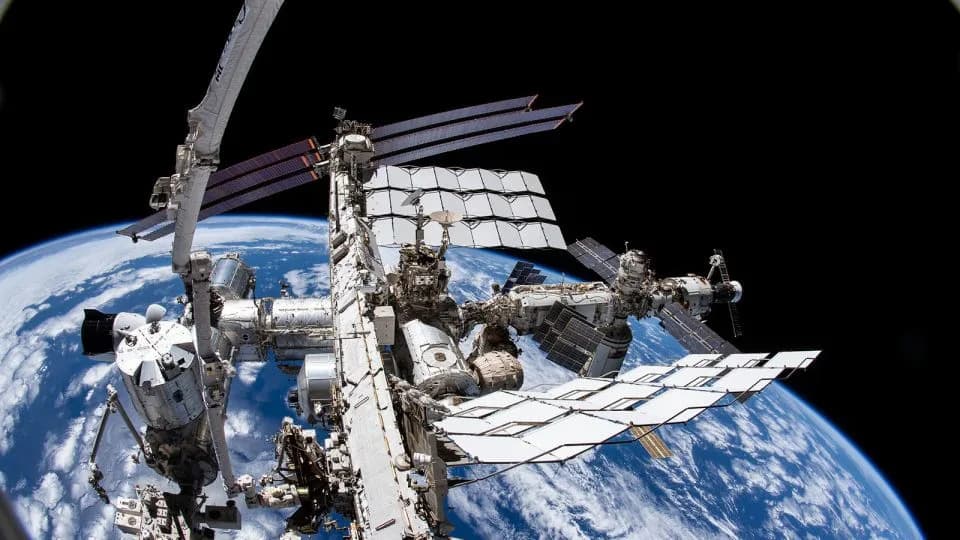
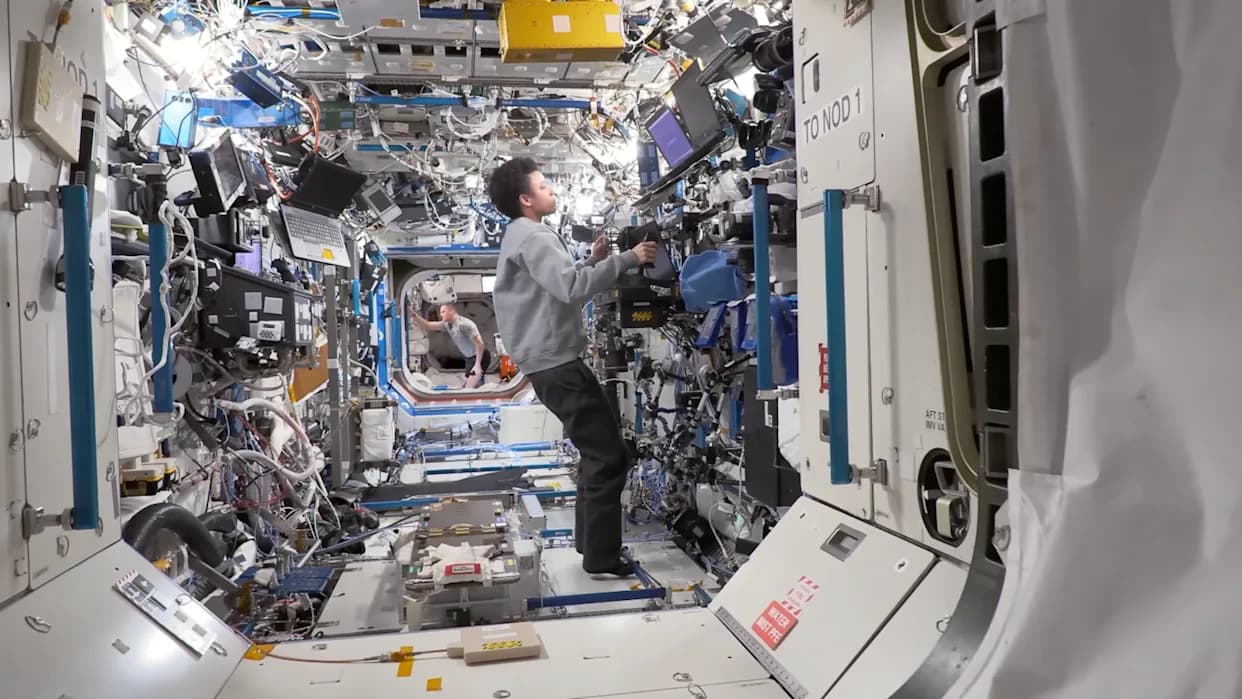
Long-duration missions to the International Space Station provide only limited lessons for Mars. The ISS benefits from near-instant communication and a global mission-control network that often acts as the "brain" while the crew functions as the "hands." On a Mars voyage, a one-way signal delay of roughly 22 minutes forces crews to operate with far greater autonomy.
One clear pattern emerged from the analogs: over time isolated crews improved at trained, procedural tasks — repairs, equipment handling, routine operations — while their higher-order, conceptual abilities declined. In other words, the group's manual skills sharpen, but creative problem-finding and novel solution-generation suffer: a collective "brain fog." This decline in shared cognition motivated NASA's interest in tools that help crews self-regulate cognitive functioning.
Keeping relationships functional
Emotional dynamics matter as much as technical skill. Selection for early spaceflights prioritized individual expertise; modern selection emphasizes interpersonal fit. DeChurch and Contractor found that conflicts are inevitable on confined missions, so teams must be able to repair relationships repeatedly. Simple prescriptive moves — pairing two crewmembers who are tense so they can buffer one another, or assigning a strained pair a new joint task that plays to shared strengths — can restore cooperation.
Leadership must also be adaptable. Most astronaut corps include people with military backgrounds and scientists; effective crews let expertise, not only rank, determine influence. Fluid leadership — rotating points of authority tied to task needs — helps preserve shared cognition. But researchers also observed dangers: on one eight-month analog a medical evacuation fractured the crew into antagonistic factions, showing how leadership splits can be more damaging than a rigid hierarchy.
Bending the performance curve
The interplay between task affect and hindrance is subtle. Task affect signals ease of collaboration; hindrance signals the friction that can produce accountability. Balanced combinations of both often predict the best outcomes: teams that tolerate a degree of nitpicking while still cooperating tend to perform most reliably.
TEAMSTaR is designed as a decision-support tool: it models likely trajectories for group functioning and suggests interventions that crews can adopt to "bend the curve" toward healthier performance. The tool appears most effective when teams themselves own and use it for self-regulation rather than having it imposed from the ground.
Applications beyond space
DeChurch and Contractor expect CREWS, SCALE, and TEAMSTaR to have broad relevance. Many organizations already collect digital behavioral data similar to what the researchers used, and some companies are experimenting with dashboards that mirror TEAMSTaR's approach. The team is also preparing a book that adapts astronaut teamwork lessons for business leaders.
In short, as missions push farther from Earth, social-science models that forecast and help manage team dynamics will be as important as life-support systems — and their benefits may well extend back to teams on the ground.
Help us improve.