Heavy monsoon rains in Maharashtra have damaged farmland and submerged villages, and grape growers warn production could fall by about 50%, with Nashik’s usual 1.5 million tonnes potentially dropping to roughly 700,000 tonnes. The wet conditions increase disease and reduce fruit set, lowering yields and quality. Similar weather shocks are affecting other crops worldwide, prompting calls for government support and accelerated research into climate‑resilient agriculture.
Maharashtra Monsoon Could Slash Grape Harvest by Half, Farmers Warn
Unusually heavy monsoon rains in Maharashtra may cut this season’s grape crop by roughly 50%, farmers say, with broad impacts on local livelihoods and the wider wine supply chain.
Since June the region has recorded about 996.7 mm (≈39 in) of rain — roughly 104% above the long‑term average, according to Humanitarian Aid International (HAI). The flooding and persistent wet conditions have submerged dozens of villages, damaged more than 7 million acres of farmland and affected roughly 58,000 households.
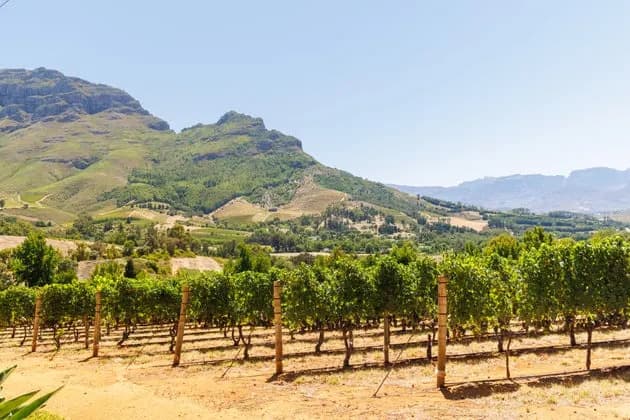
Grape growers in Nashik district, India’s main wine region, report severe damage to vines and fruit. Where a healthy acre with 900 vines typically produces 35,000–36,000 bunches, some growers now say they are seeing as few as 1,000 bunches per acre. Estimates put this season’s Nashik output at about 700,000 tonnes versus a normal 1.5 million tonnes.
"In a typical year, one acre with 900 grapevines yields around 35,000–36,000 bunches. This year, however, we're barely seeing 1,000 bunches per acre," said grape farmer Arvind Bhalero.
Local growers’ groups forecast at least a 50% drop in overall production for the region. The excessive moisture and cloudy conditions increase fungal disease and fruit damage, reduce fruit set and slow ripening — all of which lower yields and quality.
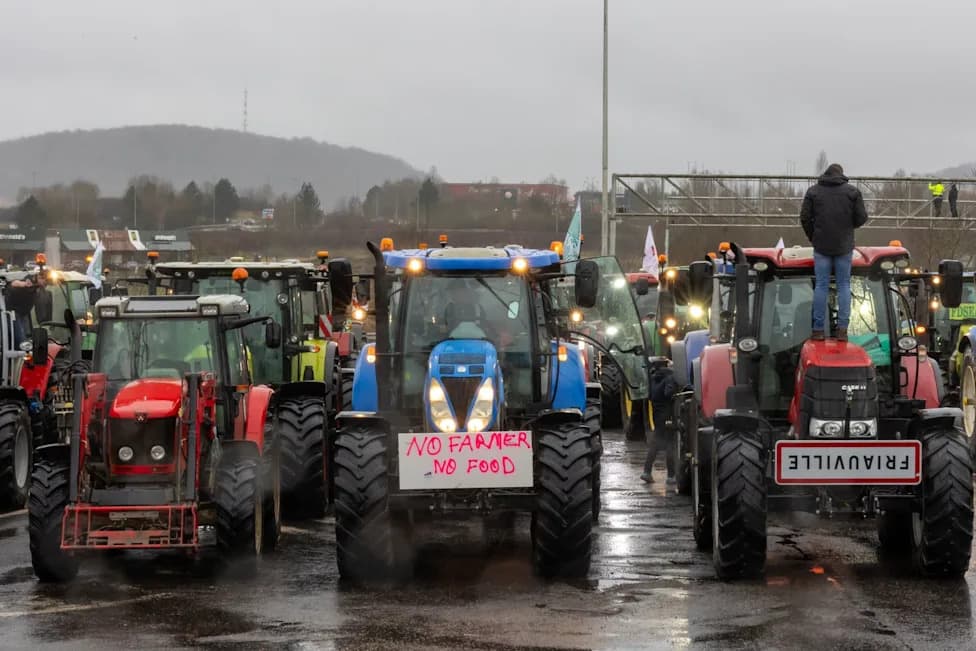
Similar weather‑related losses are being reported elsewhere: pumpkin yields in Ontario have fallen by as much as 70%, UK barley harvests have slipped about 14%, and Ukrainian pear producers faced losses after unexpected spring frosts. These combined hits raise costs for farmers and could translate into higher prices for consumers.
Beyond immediate financial losses, repeated extreme events may push agricultural expansion into natural habitats as producers try to recover yields, threatening biodiversity. Farmers are calling for government relief and insurance support, while researchers are accelerating work on crop varieties and agronomic practices — from disease‑resistant vines to improved drainage and forecasting — that can better withstand extreme weather.
What happens next: Policymakers, extension services and the private sector will need to coordinate on short‑term relief and longer‑term resilience measures, including targeted subsidies, improved crop insurance, and investment in climate‑smart agriculture.
Help us improve.