A PLOS One study found that nine weeks of polystyrene microplastic exposure led to detectable particles in mouse livers and measurable declines in liver metabolism, along with changes to the gut microbiome in a leptin-deficient (Lep KO) mouse model. These results raise concerns because microplastics are widespread in food and the environment. However, the findings are from mice and more research is needed to determine human risk. In the meantime, reducing plastic contact with food is a practical precaution.
Study Finds Polystyrene Microplastics Can Impair Liver Metabolism in Mice — What This Could Mean for Humans
Plastic breaks down into tiny fragments that contaminate our air, water and food. A new animal study raises concerns that polystyrene microplastics may also cause measurable harm inside the body.
Key findings from the study
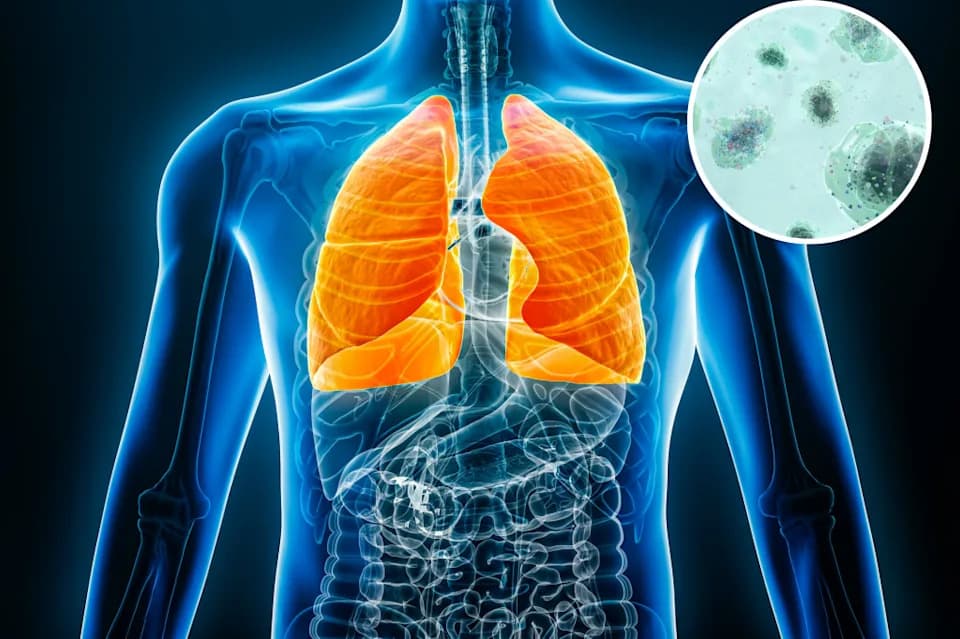
Researchers publishing in PLOS One exposed mice to polystyrene microplastics for nine weeks and detected particles inside liver tissue. Exposed animals showed declines in liver metabolic activity, with unhealthy shifts in how the liver processed fats, glucose and amino acids. The study also documented changes to the gut microbiome — a first report of such disruption in the specific Lep KO (leptin-deficient) mouse model used.
Why this matters
The liver plays a central role in detoxification, nutrient processing and blood-sugar regulation. Disruption to liver metabolism can raise the risk of chronic conditions if similar effects occur in humans. Other animal studies have linked polystyrene microplastics to kidney damage, and research groups have detected microplastics in common foods, suggesting widespread human exposure is possible.
Limitations and caution
These results come from a controlled laboratory study in mice. Animal findings do not automatically translate to humans: exposure levels, particle types and biological responses can differ. The authors and other experts emphasize that more research — including human-relevant exposure studies — is needed to clarify risks, mechanisms and safe exposure thresholds.
Practical steps to reduce exposure
Simple precautions you can take now:
• Avoid heating food in plastic containers or microwaving single-use plastics.
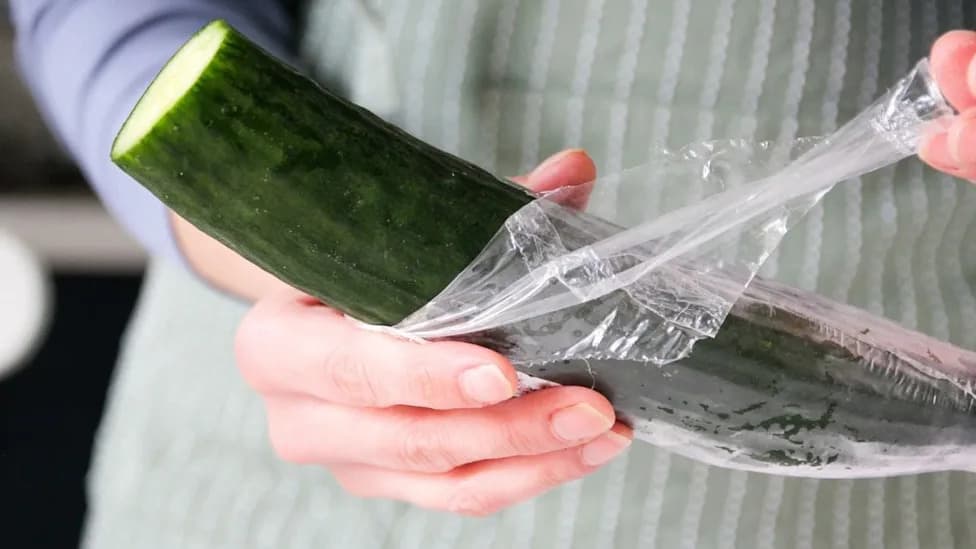
• Prefer glass, stainless steel or ceramic storage for hot foods and leftovers.
• Reuse and repair durable containers instead of discarding them; reduce single-use plastics.
• Choose products with less packaging and consider more plant-based meals to lower reliance on packaged foods.
Bottom line
This PLOS One study provides evidence that polystyrene microplastics can reach the liver and alter metabolism in mice, and it reports novel gut-microbiome changes in the Lep KO model. While the findings are concerning given widespread environmental microplastic contamination, their relevance to human health requires further study. Meanwhile, practical steps to limit plastic contact with food are sensible.
Sources: PLOS One study (polystyrene microplastics), related animal research, and published detections of microplastics in food by research groups including teams at Cornell.
Help us improve.