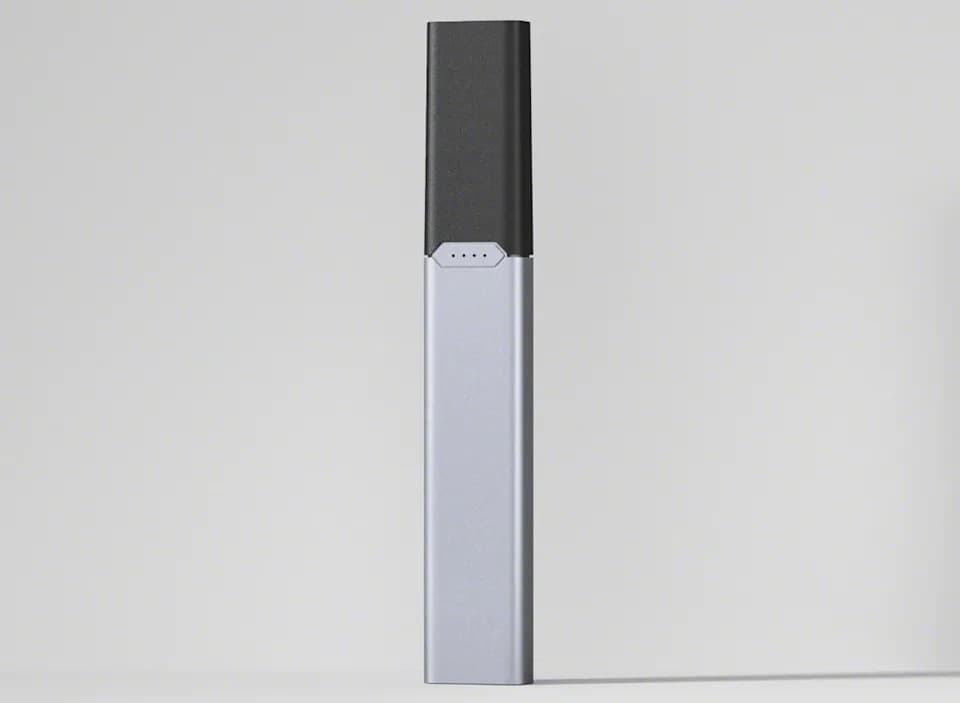
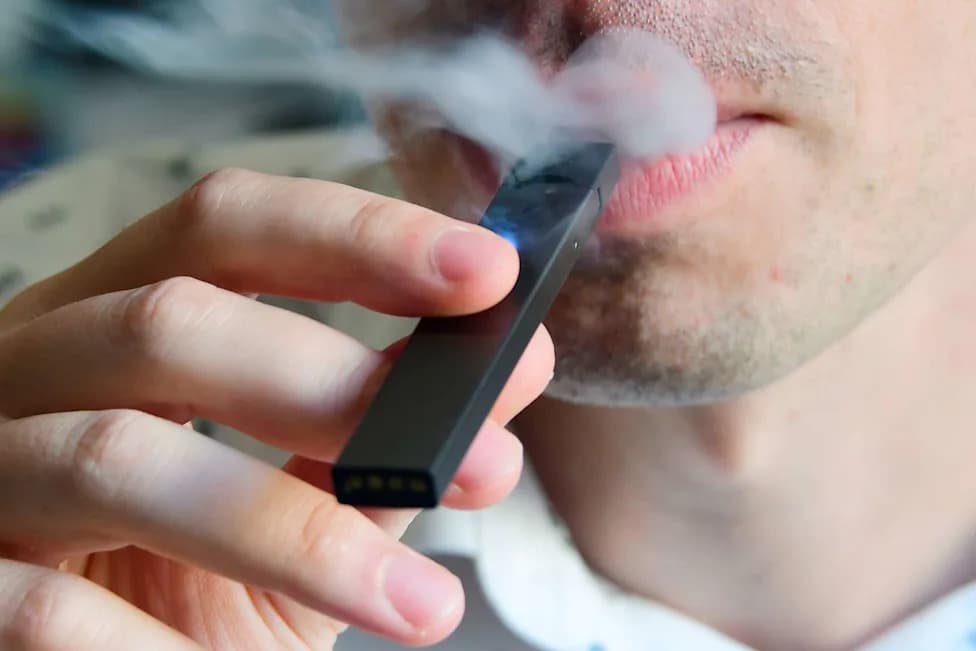
Verdict: The study accurately found bacteria, including coliforms that can indicate fecal contamination, on some vaping devices taken from Virginia schools. Crucially, the tested items were confiscated or found on school premises and were not new, unopened products; researchers who sampled sealed, newly purchased vapes found no contamination. The findings point to post-purchase handling and unsanitary storage as the likely cause and emphasize hygiene and proper storage rather than widespread factory contamination of new vapes.
Study Finds Coliform (Fecal-Indicator) Bacteria on Some School-Confiscated Vapes — Handling, Not New Products, Likely to Blame

Claim: A study published in October 2025 reported that some vaping devices contained bacteria consistent with fecal contamination.
What the researchers did
Researchers at Virginia Commonwealth University analyzed nearly 1,300 vaping and cannabis products that had been confiscated or found on K–12 school premises across Virginia during the 2024–25 school year. The goal was to catalog ingredients and contaminants in unregulated products encountered by students and school staff.
Key findings
The lab detected microbiological organisms — including bacteria, yeast and coliforms (a group of bacteria commonly used as an indicator of fecal contamination) — in a subset of the tested devices. In some samples, colony counts exceeded the team’s stated exposure thresholds, which the authors say indicates levels at which adverse health effects are more likely.
“Coliform is a large class of bacteria known to be present in the small intestines of mammals,” a member of the research team explained, noting that its presence suggests a risk that more serious bacterial pathogens, such as certain strains of E. coli, could be present. Inhaling such organisms can inflame lung tissue and, in some cases, lead to pneumonia.
Crucial context
Most importantly, the devices tested were not unopened, newly purchased products. Nearly all had been handled, used or left in school environments. When researchers purchased a small number of new, sealed devices and sampled them immediately after opening, they found no contamination. The team therefore concluded that contamination most likely occurred after the products entered the school environment — through handling, storage and recovery locations.
The researchers described many recovery locations that are known to harbor coliform bacteria: bathrooms (including behind or in toilets and in toilet paper dispensers), trash cans, pockets and other unsanitary spots. Vaping devices often have sticky surfaces and small openings that make them prone to picking up contaminants from hands or surfaces.
Regulatory standard and implications
Regulatory guidance for inhaled products generally requires the absence of bile-tolerant gram-negative bacteria (a group that includes coliforms). By those standards, any detectable coliform in an inhaled product would be considered a failed microbiological test. The study highlights hygiene and storage risks rather than proving that new, sealed vapes are manufactured with fecal contamination.
Misinformation on social media
Social posts circulated claims that scientists had broadly found fecal contamination and E. coli in vapes, sometimes using sensational language such as users "literally inhaling toilet microbes." Those posts omitted the study’s crucial context that the tested devices were confiscated, often used or stored in unsanitary locations, and that unopened products sampled by the researchers did not show contamination.
Practical takeaways
- Do not assume a finding from confiscated, used or improperly stored devices applies to new, sealed products.
- Practice basic hygiene: wash hands after using the bathroom and avoid taking items that go in or near the mouth into public restrooms.
- Store devices carefully and avoid leaving them in unsanitary places.
Sources: statements and correspondence with a member of the research team (Michelle Peace), the published study data, and the U.S. Pharmacopeia guidance on microbiological examination of nonsterile products.
Help us improve.