Key finding: A three-year study (Oct. 1, 2022–Sept. 30, 2025) tested 35,674 water samples from 10 major and 11 regional U.S. airlines and scored each carrier from 0–5. Delta (5.00, Grade A) and Frontier (4.80, Grade A) topped the list; American Airlines scored 1.75 (Grade D) and Mesa Airlines finished lowest at 1.35 (Grade F). The center recommends avoiding non-sealed onboard tap water, skipping hot drinks made with aircraft water, using 60%+ alcohol hand sanitizer, and bringing sealed bottles or refilling before boarding.
Study: Some U.S. Airlines Serve Potentially Unhealthy In-Flight Water — Here’s Which Carriers Ranked Best and Worst
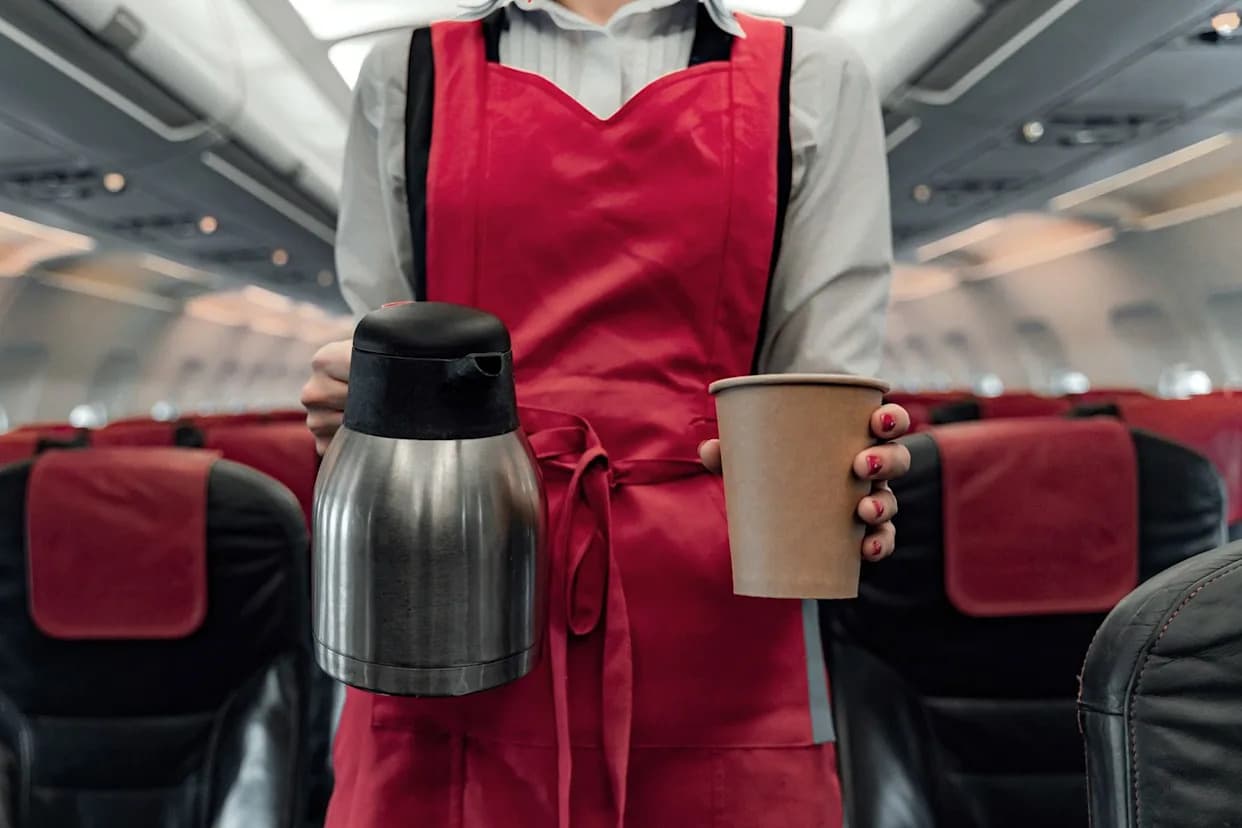
GettyStock photo of beverage service on an airline
Travelers should think twice before sipping tap water on some U.S. flights. A three-year analysis by the Center for Food as Medicine and Longevity (shared Dec. 29, 2025) found wide variation in onboard water quality across major and regional carriers, and issued practical guidance to reduce contamination risk.
Study Details
The study ran from Oct. 1, 2022 through Sept. 30, 2025 and tested water at 35,674 sample locations aboard aircraft operated by 10 major and 11 regional U.S. airlines. Each carrier received a Water Safety Score from 0 (lowest) to 5 (highest); a score of 3.5 or above was considered safe.
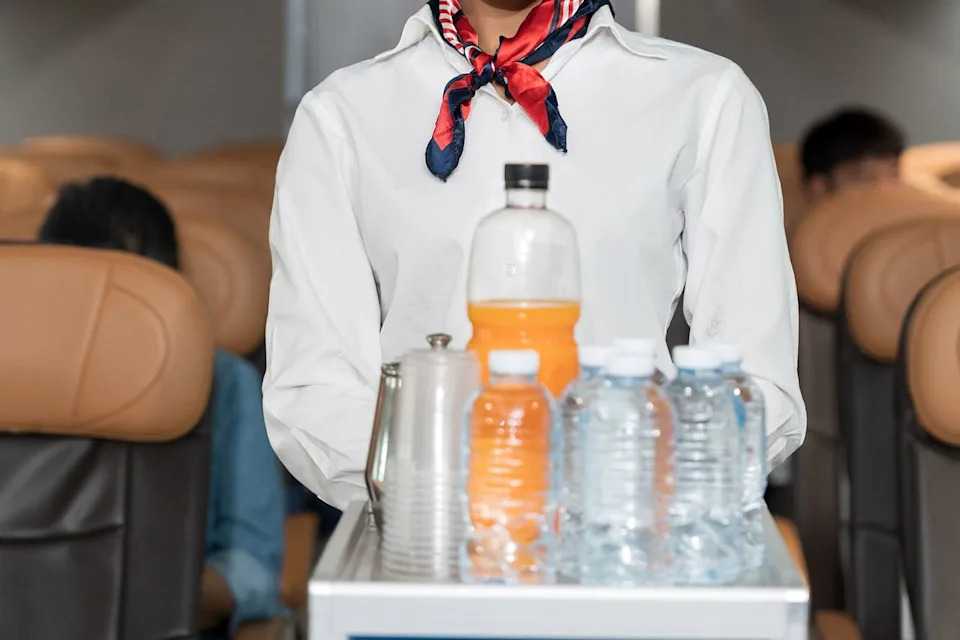
GettyStock photo of beverage service on an airline
How Airlines Were Scored
The research team evaluated multiple measures to arrive at each airline’s grade, including:
- Violations per aircraft
- Maximum Contaminant Level (MCL) violations for E. coli
- Indicator‑positive rates (signs of bacterial contamination)
- Public notices about water problems
- Frequency of disinfecting and flushing onboard systems
Regulation
The Aircraft Drinking Water Rule (ADWR), enacted in 2011, requires water safety measures for carriers that make at least one stop in the United States and operate onboard water systems that serve passengers and crew. Compliance helps, but the study shows real-world variation remains.
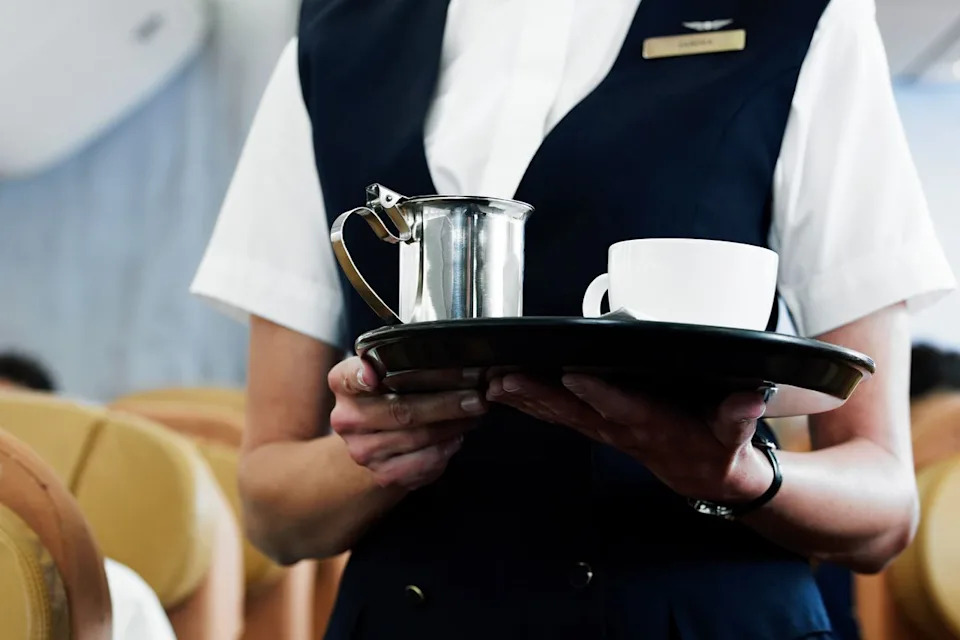
GettyStock photo of beverage service on an airline
Top And Bottom Performers
The best-rated carriers in the review were Delta Air Lines (5.00, Grade A) and Frontier (4.80, Grade A), followed by Alaska Airlines (3.85, Grade B). Among regional carriers, GoJet Airlines also scored 3.85 (Grade B). At the other end of the scale, American Airlines scored 1.75 (Grade D), and Mesa Airlines had the lowest recorded score at 1.35 (Grade F).
“Delta Air Lines [5.00, Grade A] and Frontier Airlines [4.80, Grade A] win the top spots with the safest water in the sky, and Alaska Airlines finishes No. 3 with [3.85, Grade B],” said Charles Platkin, PhD, JD, MPH, director of the Center for Food as Medicine and Longevity.
Why This Matters
Onboard water systems can be affected by changing temperatures, mechanical stress, varying local water sources, and periods when aircraft sit idle. Those factors can encourage bacterial growth, biofilm formation, or stagnation that increase the risk of gastrointestinal illness and other infections if contaminated water is consumed or used for drinking, hot beverages, or handwashing.
Practical Tips For Travelers
- Prefer sealed bottled water or fill a personal bottle from an airport refill station before boarding.
- Avoid hot drinks (coffee, tea) made with aircraft tap water when possible.
- Use alcohol-based hand sanitizer with at least 60% alcohol instead of washing hands with onboard tap water, if an alternative exists.
- If you must use an aircraft faucet, let the water run for about 30 seconds to help flush stagnant lines.
These steps can reduce exposure to potential contaminants. While regulation (ADWR) sets minimum safety standards, adherence to disinfecting and flushing protocols varies, so passenger caution is advisable.
Bottom line: Not all airplane water is the same. Checking carrier practices and taking simple precautions can lower your risk of exposure to potentially unhealthy onboard water.
Help us improve.