The Ngamba Island study, published in Science, demonstrates that chimpanzees can revise beliefs rationally when presented with sequential evidence. Computational models show their choices reflect evidence-weighting rather than simple recency bias. Results indicate metacognitive sensitivity and suggest a continuum of rational reasoning across species, with implications for evolutionary research and ape welfare.
Chimpanzees Revise Beliefs Like Humans — Evidence of Rational, Metacognitive Thought

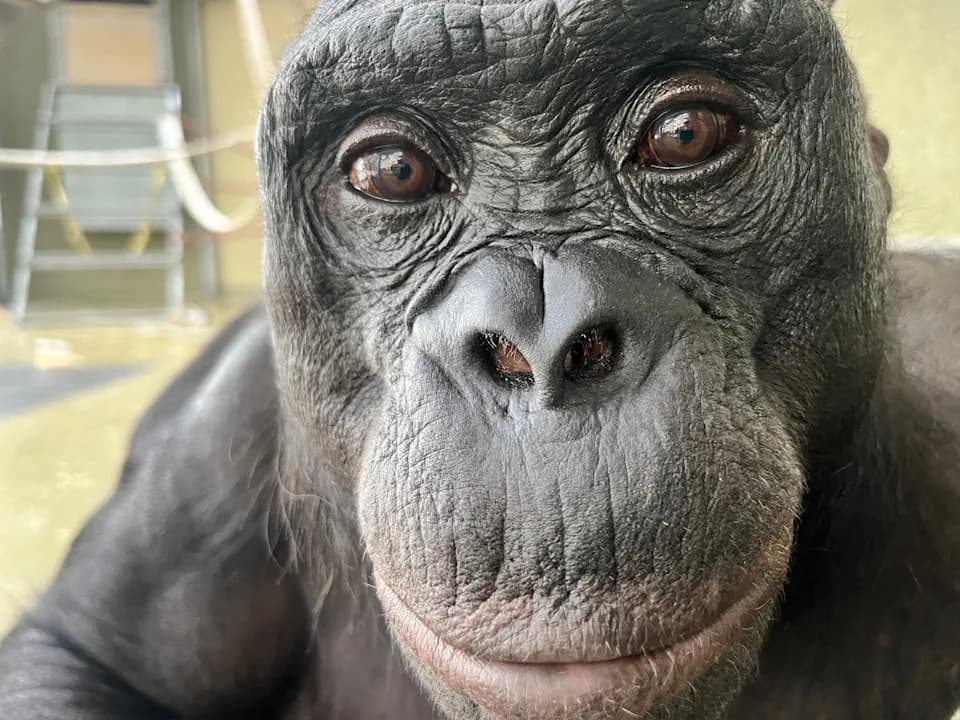
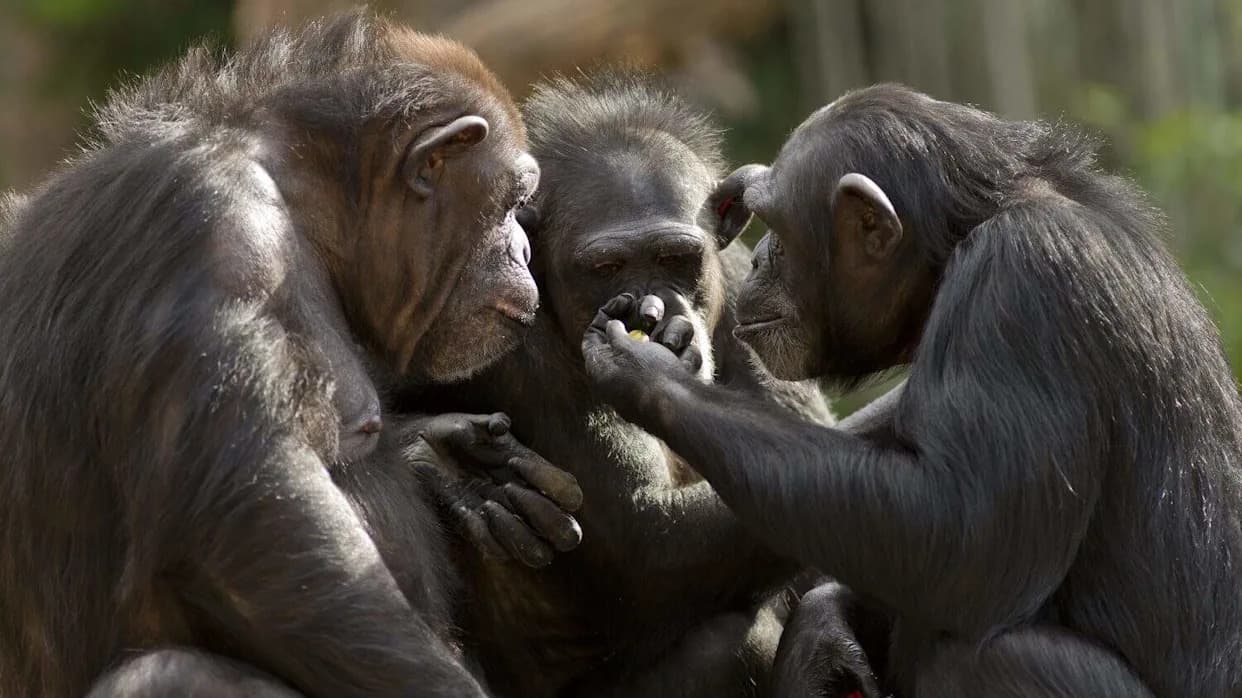
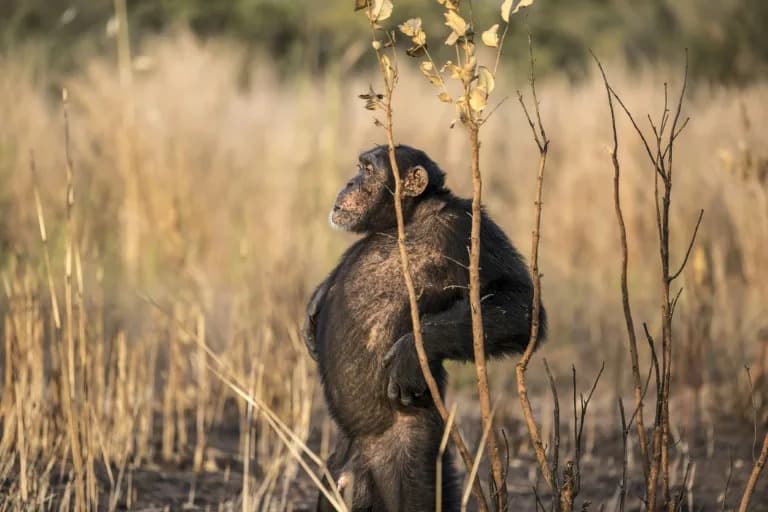
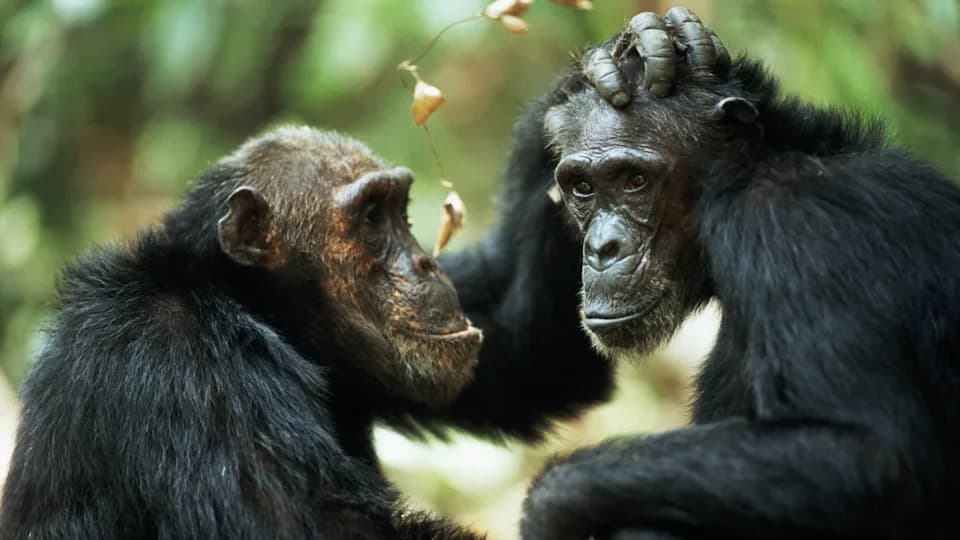
New research from the Ngamba Island Chimpanzee Sanctuary in Uganda, published in the journal Science, shows that chimpanzees can update their beliefs in response to changing evidence in a way that resembles human rational reasoning.
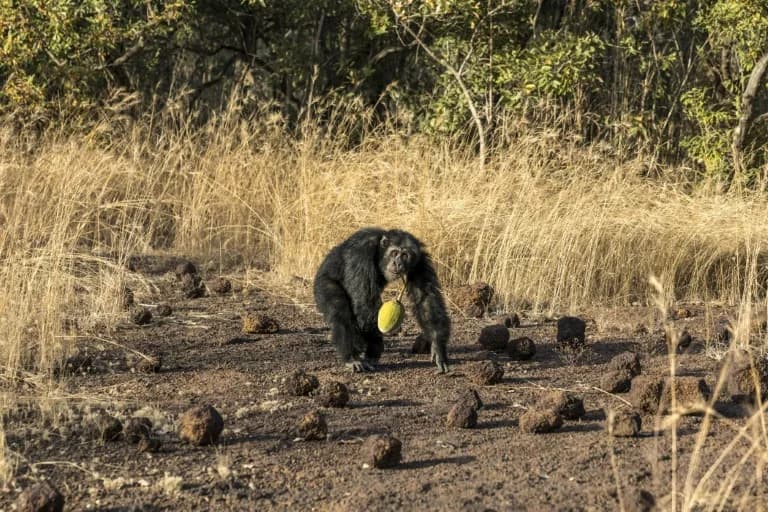
In the study, each chimpanzee faced two boxes, only one of which contained food. They were first given an initial cue indicating which box might hold the reward, followed by a sequence of additional cues of varying strength. The animals could either stick with their original choice or switch based on the new information.
"When the initial evidence was strong, the chimpanzees stuck with their original choice; when the new evidence clearly outweighed the first, they switched their choice," said Hanna Schleihauf, an assistant professor of developmental psychology at Utrecht University and a co-author of the study.
To rule out simple strategies such as always following the most recent cue, the researchers compared chimpanzee behavior with computational models of belief revision. The animals' choices aligned with models that weigh earlier and later evidence to arrive at updated beliefs. Researchers note that this pattern of evidence-weighting is commonly observed in human children around four years old.
The team also found signs of metacognitive sensitivity: chimpanzees appeared to monitor the reliability of the evidence underlying their decisions and revise beliefs when earlier information was undermined. "They not only adjusted their choices, but did so in ways that suggest they tracked the evidential basis of their beliefs," Schleihauf added.
Implications
These findings challenge the idea of a sharp cognitive divide between humans and other great apes, suggesting a continuum of rational capacities across species. The results provide a comparative baseline for studying how human reasoning evolved and help researchers separate which aspects of rationality are shared with other primates, which emerge early in children, and which depend on culture or uniquely human social learning like teaching and argumentation.
The study also carries practical implications for conservation and animal welfare: evidence of sophisticated cognition supports stronger ethical protections for great apes and argues for more cognitively stimulating environments in sanctuaries and zoos.
Overall, this research adds to a growing body of work indicating that many cognitive capacities once considered uniquely human may be more widely distributed across primates than previously thought.
Help us improve.