This PLOS One study (N=583) by University of Idaho researchers found that political ideology and cognitive reflection predict how people seek evidence. Very conservative respondents were much more likely to base conclusions on a single data point (~37%) compared with very liberal respondents (~4%). Higher cognitive reflection scores were associated with consulting multiple statistical indicators. The findings offer an explanation for why people on opposite sides of issues sometimes live in seemingly different realities.
Why Conservatives More Often Trust Anecdotes — Study Finds Liberals Prefer Broader Statistical Evidence
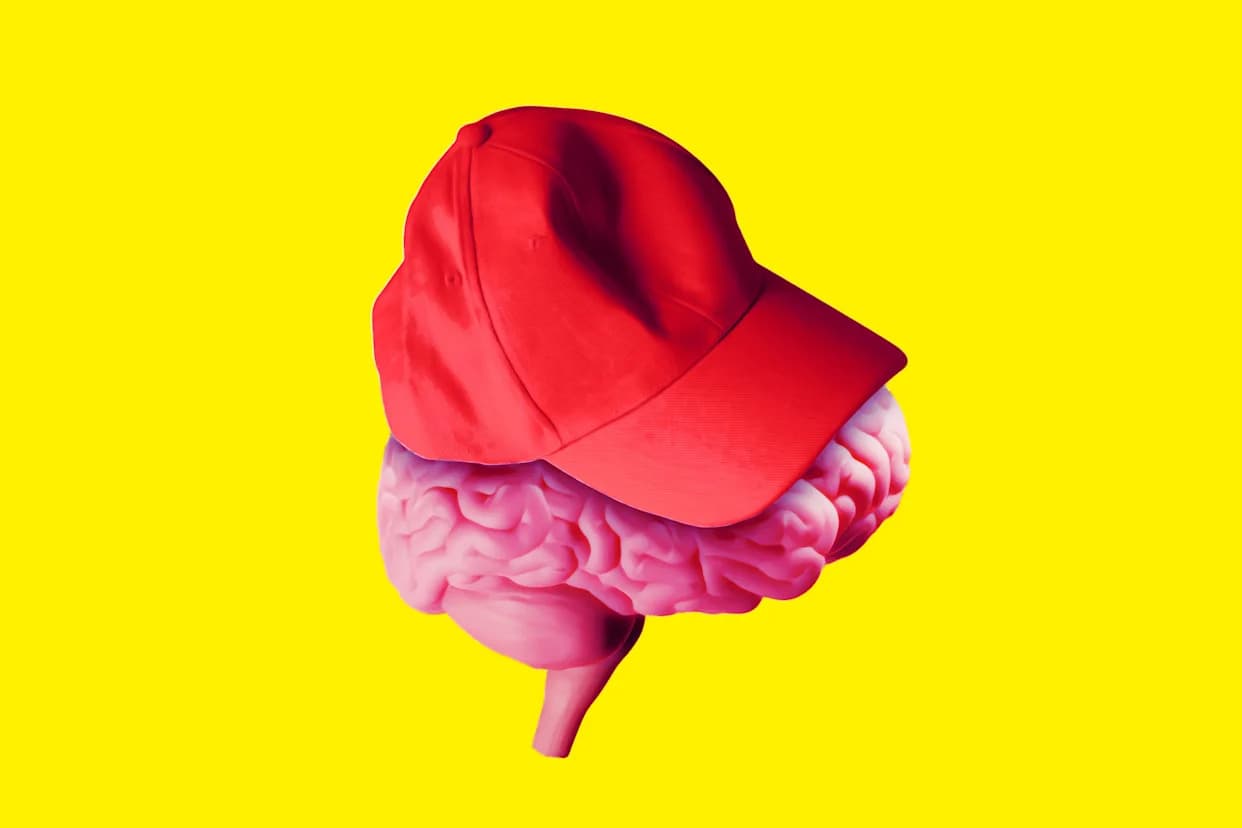
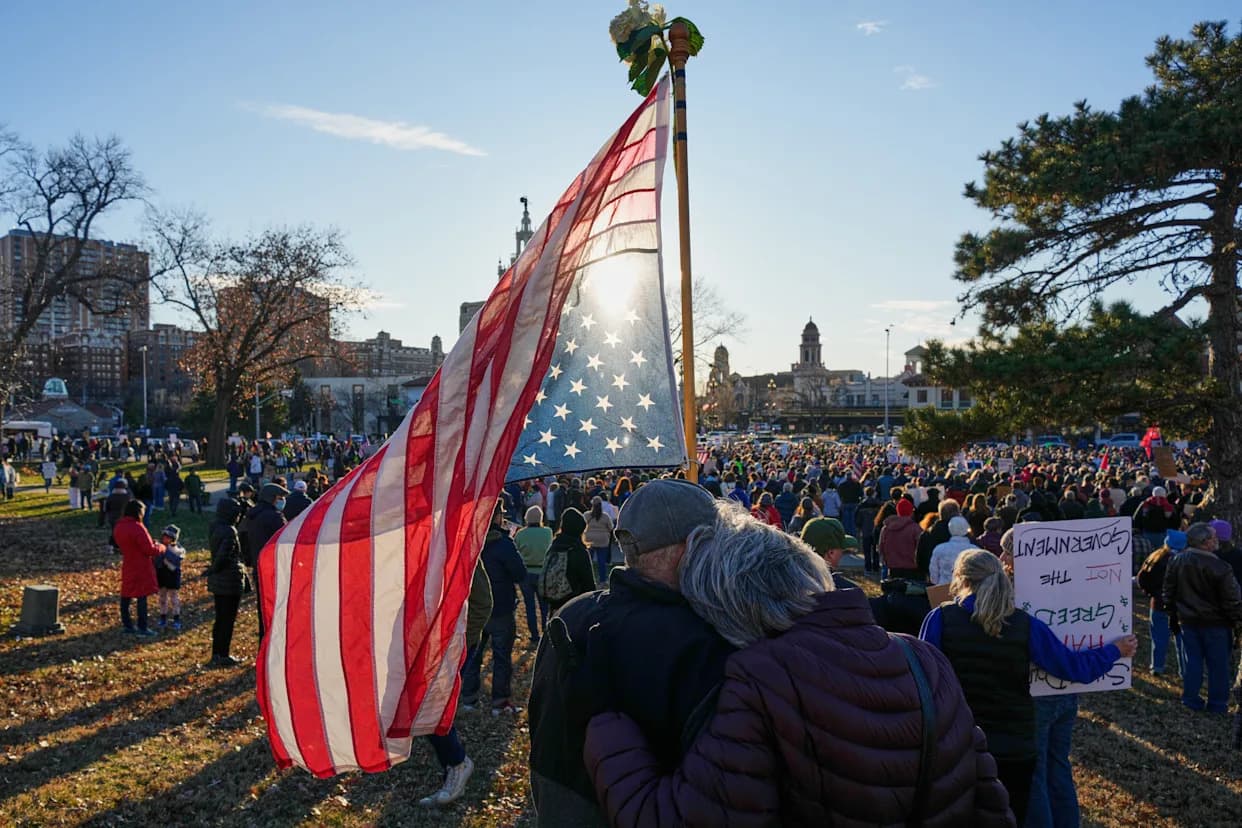
Illustration by Tag Hartman-Simkins / Futurism. Source: Getty Images
A new paper in PLOS One helps explain why political debates often feel like clashes between separate realities. Researchers at the University of Idaho investigated how people with different ideological orientations search for and use evidence when forming political judgments.
Study Design
The team recruited 583 U.S. adults who completed measures of political ideology and a cognitive reflection test (a standard assessment of the tendency to override intuitive responses and engage in deliberative thinking). Participants read a fictional vignette about cash bail — a "pay-to-leave-jail" policy critics say disproportionately harms low-income people — and were told that 100 of the top 300 U.S. cities had eliminated cash bail. They could then review up to 10 items of evidence (either statistical data or testimony from political "experts" affiliated with groups such as the Democratic Party, Republican Party, and the NRA) before judging whether the policy was "effective at reducing crime."
Key Findings
The study identified clear differences in evidence-seeking behavior across the ideological spectrum. The probability that a participant based their conclusion on a single piece of evidence rose markedly from about 4% among respondents who identified as very liberal to more than 37% among those who identified as very conservative. In contrast, respondents on the left were more likely to consult a broad set of statistical indicators before reaching a conclusion.
Scores on the cognitive reflection test also predicted information-seeking style: higher scorers were more likely to compare multiple statistical data points, whereas lower scorers were more likely to accept single data points or testimonial evidence.
Lead author Florian Just, a professor of politics and philosophy at the University of Idaho, told PsyPost: "Two major individual-level variables help to predict what type of ‘evidence seeker’ a given person is: whether or not they are ‘cognitively reflected’ and whether or not they are liberal/conservative."
Implications
These results build on prior research suggesting ideological differences in trust toward scientific methods and evidence. The findings do not claim that one side is inherently "more rational," but they do show systematic differences in how people gather and weigh information. Understanding these differences may help explain why a piece of evidence that seems decisive to one person can be dismissed as "fake news" by another.
Overall, the study highlights how both cognitive style and political orientation shape the paths people take from evidence to belief — a dynamic that contributes to political polarization and makes constructive disagreement more difficult.
Help us improve.