The Sky Guy column celebrates its 18th year and highlights December’s top sky events. Look for the Great Square of Pegasus and binocular-visible globular cluster M15 on early evenings, and catch Saturn in the southwest at sunset. The Geminid meteor shower peaks Dec. 13–14 with a favorable Moon, and the winter solstice occurs on Dec. 21. Local events include a planetarium show and a public Quarter Moon viewing at Cascades Park.
Look Up in December: Great Square of Pegasus, Geminid Peak and the Winter Solstice

This month marks the 18th year of the "Sky Guy" column. Over that time I’ve shared many sky sights — and I hope readers have come away with a deeper appreciation for the night sky.
Where to look
The early evening sky offers an excellent view of the Great Square of Pegasus. Pegasus, the winged horse, appears upside down; face south-southwest about halfway up the sky after darkness falls and the square should be unmistakable.
On the southwest edge of the square (the side that represents the horse’s neck and head) lies the globular cluster M15. M15 is roughly 37,000 light-years away, spans about 175 light-years, and contains more than 100,000 stars. It is visible with a small pair of binoculars on a clear night.
Morning and evening notes
Morning sky: Venus has moved into the Sun’s glare and won’t return to the western morning sky until around February, when Mercury will also be visible. Mars becomes a morning object in May. Jupiter reaches opposition next month and will be prominent both late at night and in the early morning — very bright in the east after sunset around opposition. Watch for the Moon to pass several bright stars on the dates listed below.
Evening sky: Saturn sits in the south-southwest about halfway up from the horizon at sunset. Since it sets near 11:00 p.m., early evening is the best time to view it with binoculars or a small telescope. The Moon will also pass near a few bright stars throughout the month.
Notable dates
- Dec 3: The Moon moves in front of the Pleiades in the evening; the Moon’s glare will hide many of the cluster’s fainter stars.
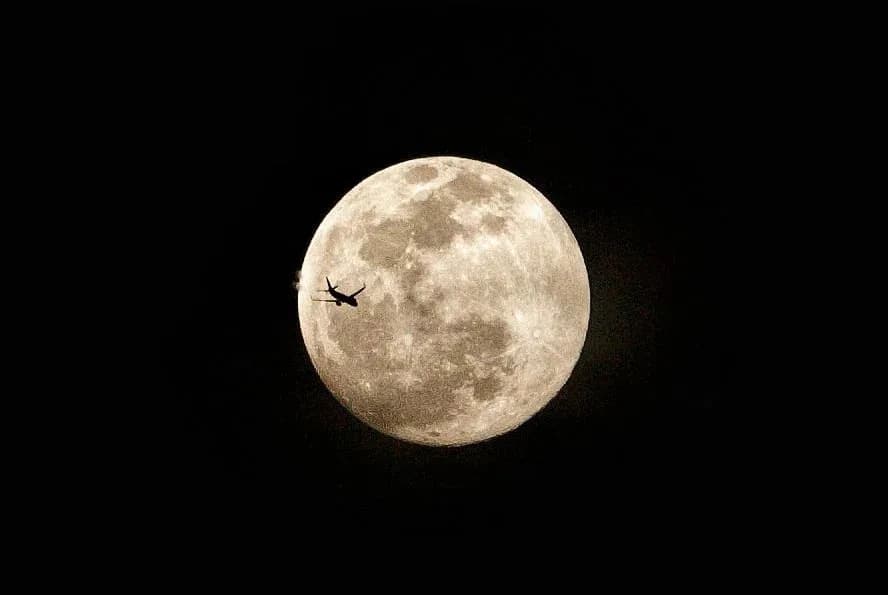
- Dec 4: Full Moon.
- Dec 6: Tallahassee Astronomical Society free planetarium show: “December Skies over Tallahassee” at the Fogg Planetarium (Challenger Learning Center). Not recommended for children under 5. Doors close at 10:00 p.m. sharp.
- Dec 7: Early morning: the Moon, Jupiter and the bright star Pollux form a triangle.
- Dec 9: The Moon passes very close to the bright star Regulus in the evening sky.
- Dec 11: Last quarter Moon.
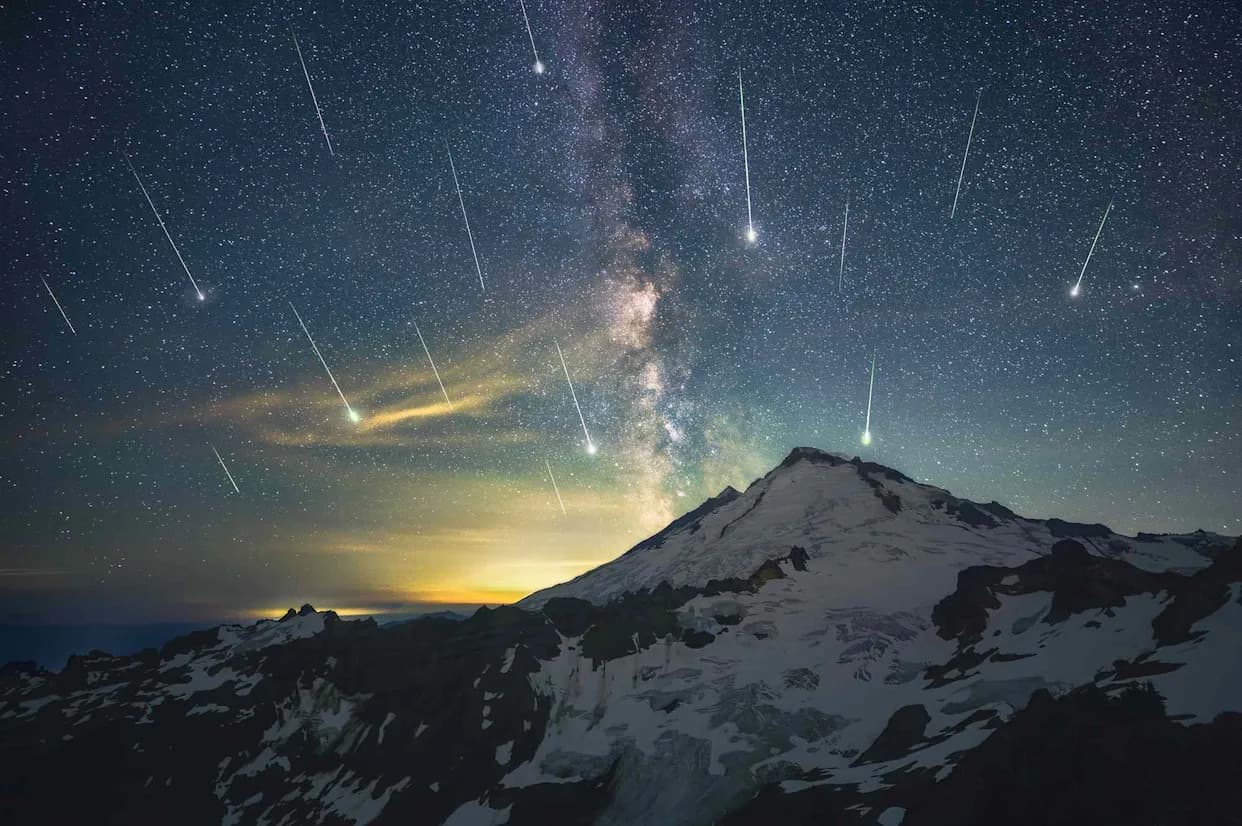
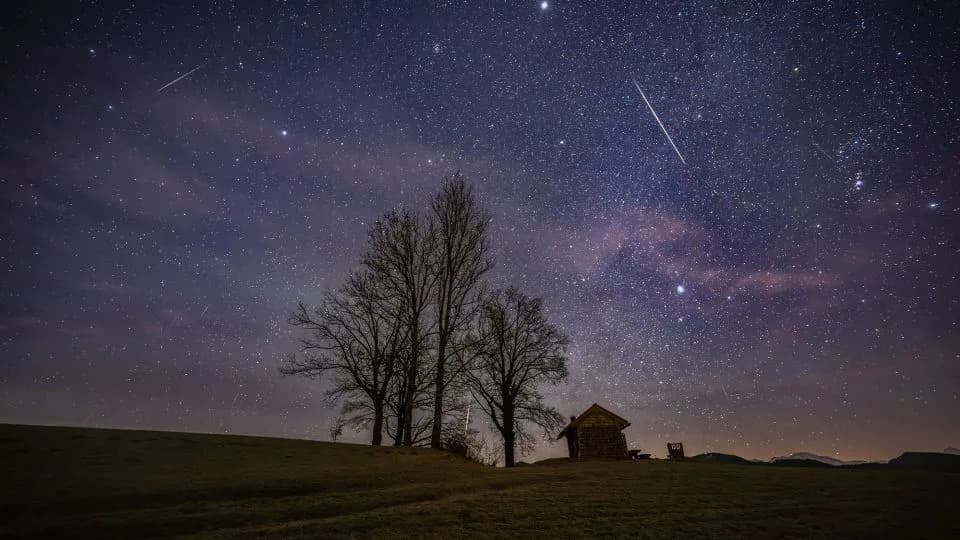
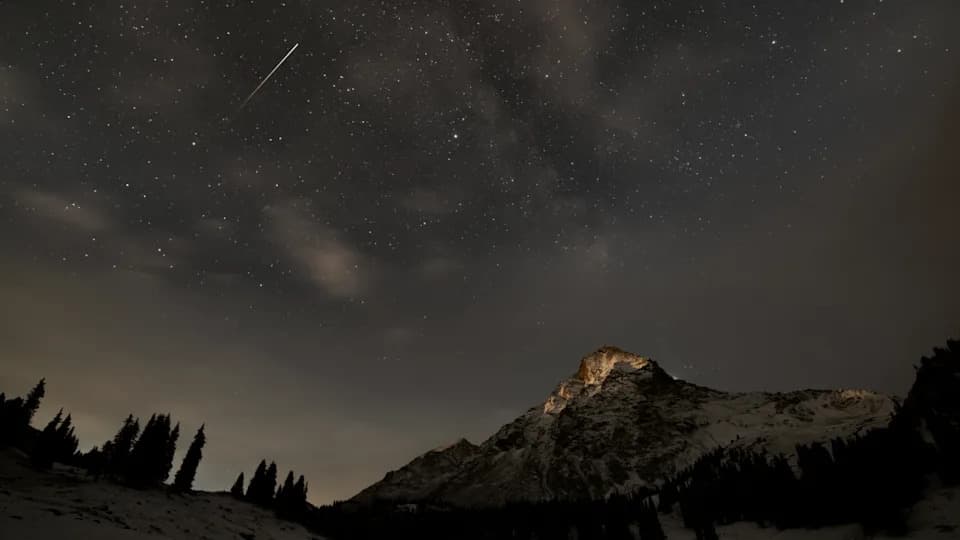
- Dec 13–14: Geminid meteor shower peaks. The Moon’s phase this year should be favorable and not significantly interfere with viewing.
- Dec 14: Moon near the bright star Spica in the morning sky.
- Dec 20: New Moon.
- Dec 21: Winter solstice — the longest night of the year in the Northern Hemisphere.
- Dec 26: The Moon passes close to Saturn in the evening sky.
- Dec 26: Tallahassee Astronomical Society monthly Quarter Moon public viewing at Cascades Park, downtown Tallahassee, 8:00 p.m.–10:30 p.m., weather permitting. Family-friendly; telescopes and sky tours available.
- Dec 27: First quarter Moon.
- Dec 31: The Moon, the bright star Aldebaran and the Pleiades cluster form a triangle in the evening sky.
For event details and updates, check the Tallahassee Astronomical Society events calendar at tallystargazers.org.
Ken Kopczynski is a former president of the Tallahassee Astronomical Society and a longtime amateur astronomer.
Help us improve.