The Quadrantid meteor shower peaks on Jan. 3, 2026, with a narrow maximum beginning around 4 p.m. EST (21:00 UTC). The stream is active from Dec. 28 to Jan. 12. Although the shower can reach 25 meteors/hour in perfect darkness, a full moon in 2026 will likely limit visible meteors to roughly 10/hour. Start watching at nightfall, look north near the Big Dipper handle, and keep the Moon behind you to improve visibility.
Quadrantids Peak Jan. 3, 2026 — How to See the Year's First Shooting Stars (Despite a Full Moon)
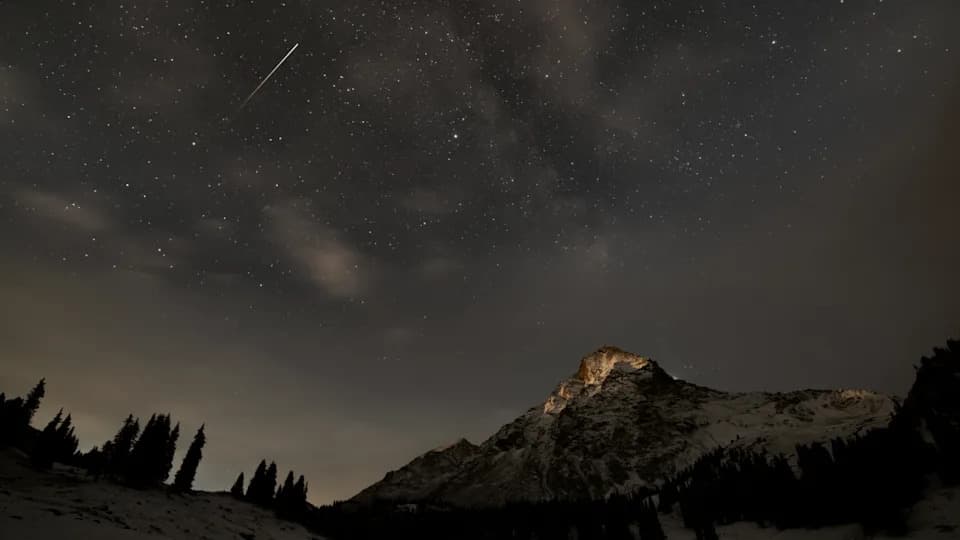
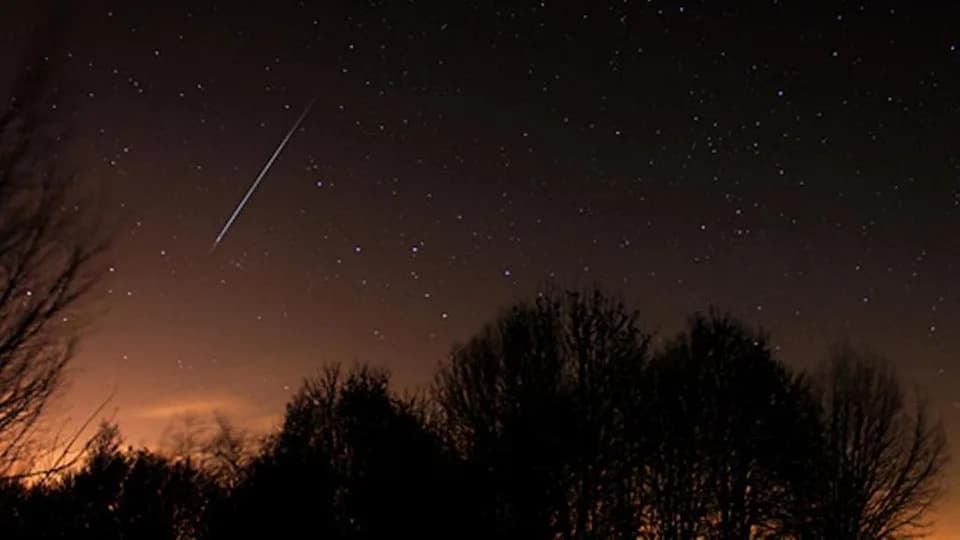
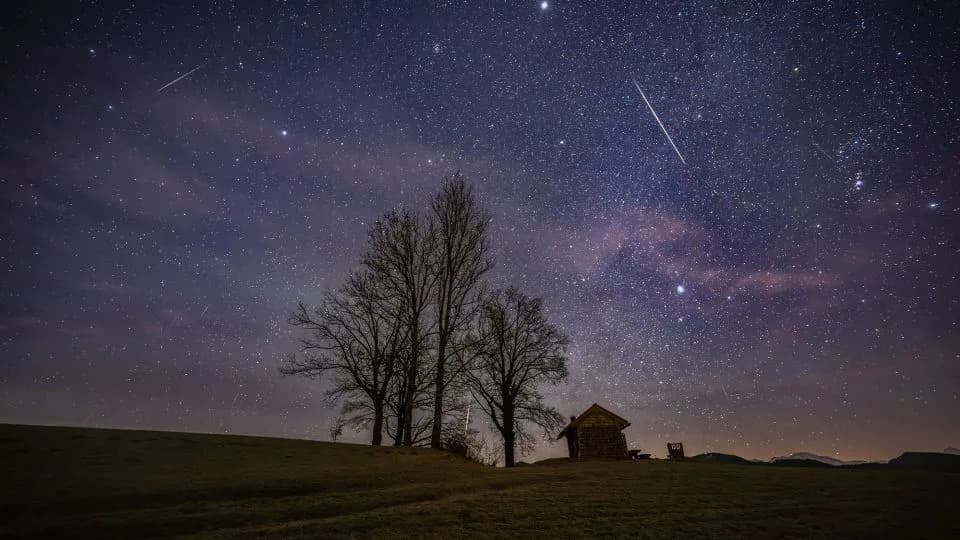
The Quadrantid meteor shower will peak on Jan. 3, 2026. . | Credit: Yuhan Liao/Getty Images
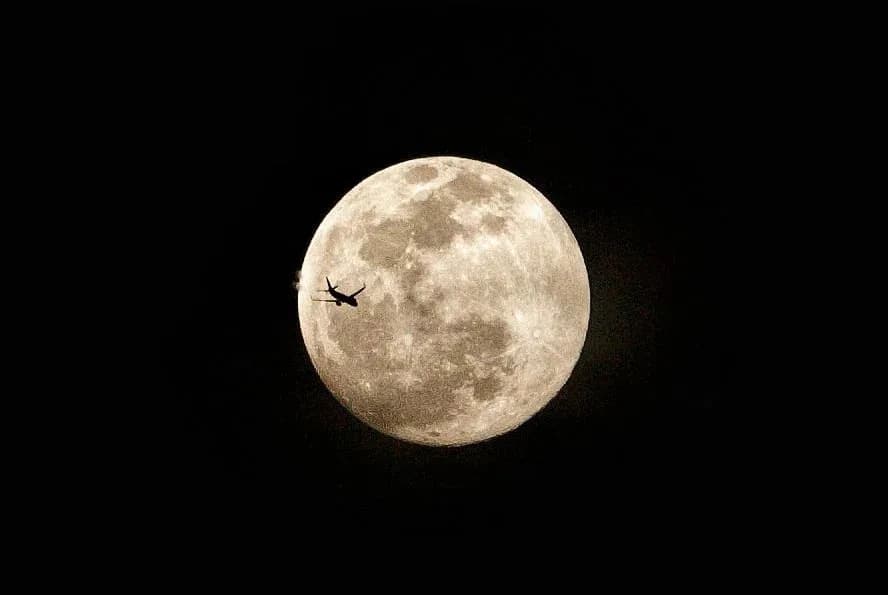
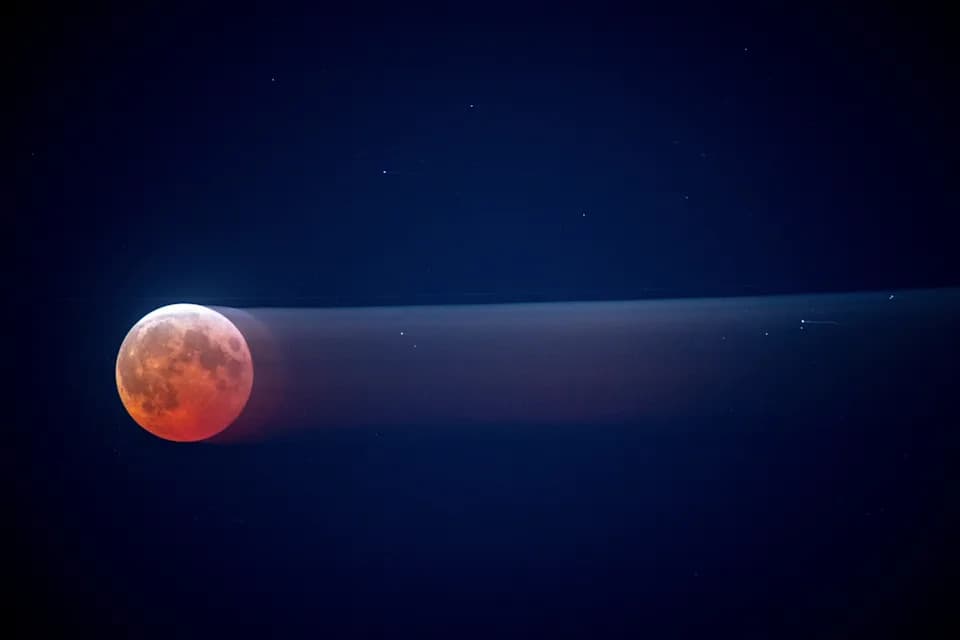
Skywatchers should prepare for an active night on Saturday, Jan. 3, 2026, when the first full moon of the year rises shortly before the sharp peak of the Quadrantid meteor shower. The shower's maximum is expected to begin at about 4 p.m. EST (21:00 UTC), with the narrow peak lasting roughly six hours.
When and How Strong
The Quadrantids are active from Dec. 28 through Jan. 12, but their peak is brief. Under ideal, dark-sky conditions the Quadrantids can produce as many as 25 meteors per hour at maximum. Because the 2026 peak coincides with a bright full moon, many faint meteors will be washed out — a more realistic expectation for most observers is about 10 meteors per hour.
Where To Look
Meteors from the Quadrantids can appear anywhere in the sky, but they trace back to a radiant in the northern sky within the constellation Boötes. That area lies near the handle of the Big Dipper (Ursa Major), which makes it easy to find: look north after dark and orient toward the Big Dipper handle to visualize the radiant.
Why It Happens
The shower occurs when Earth passes through a narrow stream of dust and debris orbiting the Sun. That stream is thought to originate from object 2003 EH, which may be an asteroid or an extinct comet and completes an orbit roughly every 5.5 years, according to EarthSky.
Viewing Tips
- Start at nightfall: The peak is short, so begin watching as soon as it gets dark for your location.
- Keep the Moon behind you: With a bright full moon, place the Moon at your back to improve contrast and catch more meteors.
- Give your eyes time to adapt: Allow 20–30 minutes for dark adaptation; avoid looking at screens.
- Lie back and take in a wide view: Use a reclining chair or blanket so you can scan a broad swath of sky — binoculars or telescopes narrow your view and reduce the chance of spotting meteors.
- Dress warmly: Winter nights can be cold; bring layers, blankets and hot drinks for comfort during long watches.
What To Expect
Individual Quadrantid meteors are often faint, but the shower is also known for producing occasional bright fireballs. The next notable shower on the calendar is the Lyrids, expected to peak the night of April 21–22, when a crescent moon should make conditions favorable for roughly 18 meteors per hour in ideal skies.
With the full moon reducing contrast this year, heading to the darkest skies will help only so much — instead, maximize your view by keeping the Moon out of your line of sight and watching a wide area of sky.
Help us improve.