This article profiles 12 big cats that have vanished or are functionally lost, from Ice Age predators such as Smilodon and the American lion to recent losses like the Bali tiger and the Eastern Cougar. It explains key traits and timelines—Smilodon’s long canines and Pleistocene extinction, the Bali tiger’s last confirmed sightings in the 1930s, and the Eastern Cougar’s 2011 extinction declaration. Many ancient extinctions were climate‑driven; modern declines are largely human caused, offering urgent conservation lessons.
12 Lost Big Cats — Fierce Felines That Vanished (and One Still at Risk)

Domestic cats may seem tame as they nap in a sunbeam, but they are a small, domesticated twig on a vast and ancient feline family tree. Across time many branches have withered, leaving fossils, photographs and cautionary tales. This article highlights 12 big cats that have disappeared or are functionally lost, and explains what drove their decline — natural climate shifts in deep prehistory and human activity in more recent times.
Key takeaway: Ice Age extinctions were often climate-driven, but many modern losses resulted from hunting, habitat destruction and other human pressures. Learning from these stories is essential to protect the cats that remain.
Saber‑Tooth Cat — Smilodon
Smilodon is one of the best-known prehistoric predators. This genus lived during the Pleistocene (roughly 2.5 million to about 10,000 years ago) and is famous for long, flattened canine teeth that could reach up to about 11 inches. Smilodon had a robust, muscular build and short tail, suggesting ambush hunting; its extinction is linked to the end of the last Ice Age and the loss of large prey.
Bali Tiger — Panthera tigris balica
The Bali tiger was the smallest tiger subspecies, endemic to the island of Bali. Roughly the size of a leopard, it had a deep orange coat with relatively few, dark stripes. Hunting, habitat loss and capture for trophies decimated its population; the last confirmed sightings occurred in the late 1930s and the subspecies was later recognized as extinct.
American Lion — Panthera atrox
The American lion was a colossal Pleistocene predator, up to 25% larger than modern African lions, ranging from Alaska to Peru. With long legs for running across open landscapes, it likely preyed on horses, bison and young mammoths. Climatic change and the collapse of megafauna at the end of the Ice Age contributed to its disappearance.
Dinofelis (genus)
Dinofelis was a widespread genus of large predatory cats that lived from about 5 million to 1.2 million years ago across Eurasia, Africa and parts of North America. With saber‑like canines and powerful limbs, some species likely hunted sizeable prey and occasionally scavenged or attacked early hominids. Habitat shifts from forests to open grasslands reduced its niche, and it left only fossil evidence.
South China Tiger — Panthera tigris amoyensis
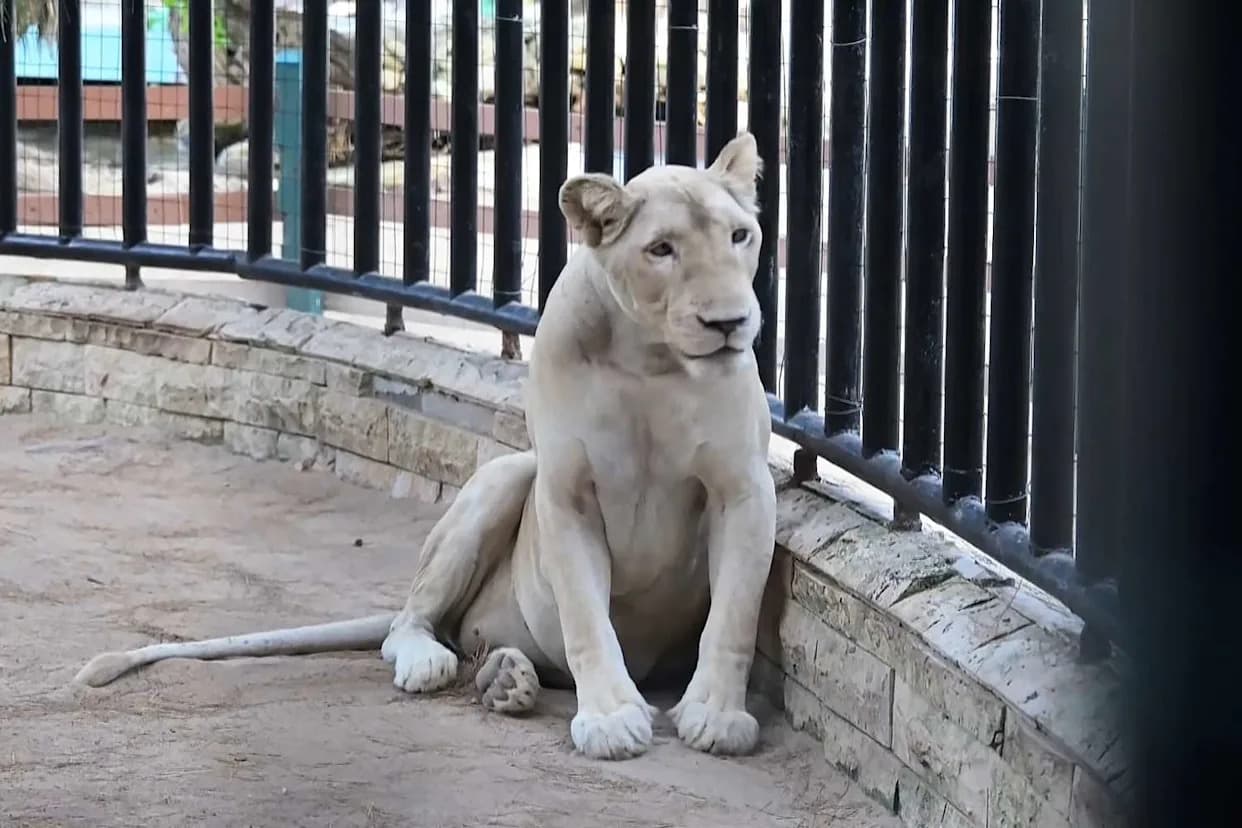
The South China tiger is a modern tragedy: functionally extinct in the wild. Once native to southern Chinese forests, intense hunting campaigns and rapid habitat conversion in the 20th century erased wild populations. A small number remain in captivity, but low genetic diversity and the lack of wild habitat make reintroduction extremely difficult.
American Cheetah — Miracinonyx trumani
Miracinonyx trumani was a fast, cheetah‑like runner of Pleistocene North America that evolved similar adaptations by convergent evolution. It likely chased swift prey such as pronghorn across open plains. Changes in climate and prey availability contributed to its extinction alongside other Ice Age mammals.
Barbary (Atlas) Lion — Panthera leo (North African population)
The Barbary or Atlas lion roamed North Africa from Morocco to Egypt and was noted for large size and heavy, dark manes on males. These lions occupied mountainous and forested habitats and were widely hunted for sport and captured for menageries. The last confirmed wild individuals were killed in the mid‑20th century.
Eastern Cougar (Puma concolor couguar)
The Eastern Cougar once inhabited forests from southeastern Canada to the southeastern United States. Centuries of bounty hunting, trapping and widespread habitat loss drove it from most of its range. After thorough review and no convincing evidence of a surviving wild population, it was declared extinct by the U.S. Fish and Wildlife Service in 2011.
Scimitar‑toothed Cat — Homotherium
Homotherium, often called a scimitar‑toothed cat, had relatively long limbs and shorter, blade‑like canines suited for chasing prey in more open habitats. Fossils occur across Europe, Asia and North America. Like many Pleistocene predators, Homotherium vanished as prey communities, habitats and climates changed.
Metailurus (genus)
Metailurus was a medium‑sized "false saber‑tooth" cat that lived from roughly 10 to 2 million years ago across Africa, Asia and Europe. More lightly built than the big saber‑tooths, it had blade‑like canines and likely relied on ambush and speed to take agile prey. Environmental shifts and competition erased its ecological niche.
Panthera youngi
Panthera youngi is a fossil big cat from Asia that represents an early lineage related to modern big cats. Large and powerful, it occupied apex‑predator roles in Pleistocene ecosystems. As regional environments transformed, the species disappeared, leaving only scattered fossils.
Snow Leopard — Panthera uncia (still extant but vulnerable)
The snow leopard is not extinct, but it remains at risk and is included here as a warning. Living in high mountain ranges of Central and South Asia, these solitary cats are keystone predators; their loss would destabilize fragile alpine ecosystems through unchecked herbivore populations and overgrazing. Conservation programs are active, but poaching, habitat loss and climate change keep the species vulnerable.
The histories of these felines span natural and human‑driven causes of extinction. Ice Age extinctions often followed large climatic shifts; recent disappearances are overwhelmingly linked to human actions. Understanding these patterns is vital if we hope to protect the remaining big cats from becoming future footnotes in natural history.
Help us improve.