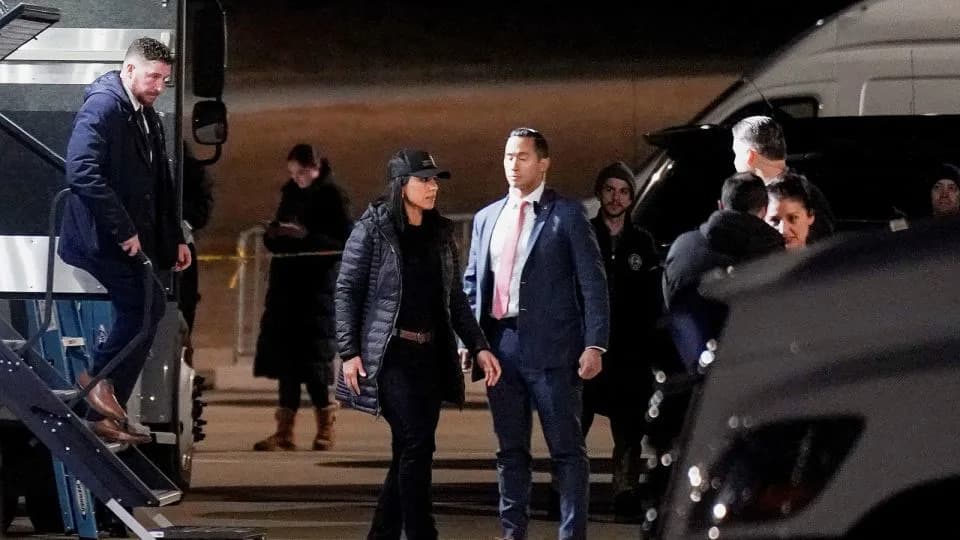
Three rescued African lions — Cyrus, Zephora and Juancito — arrived at Turpentine Creek Wildlife Refuge in Arkansas on Jan. 15 after a complex international transfer from Honduras. The relocation was part of a broader operation that also moved five tigers to Carolina Tiger Rescue. TCWR leaders and Honduran authorities described the effort as a historic milestone in conservation, crediting international partners including the ICF and CITES for enabling the animals’ safe transfer and long-term protection.
Historic Rescue: Three African Lions Relocated From Honduras to Arkansas Sanctuary
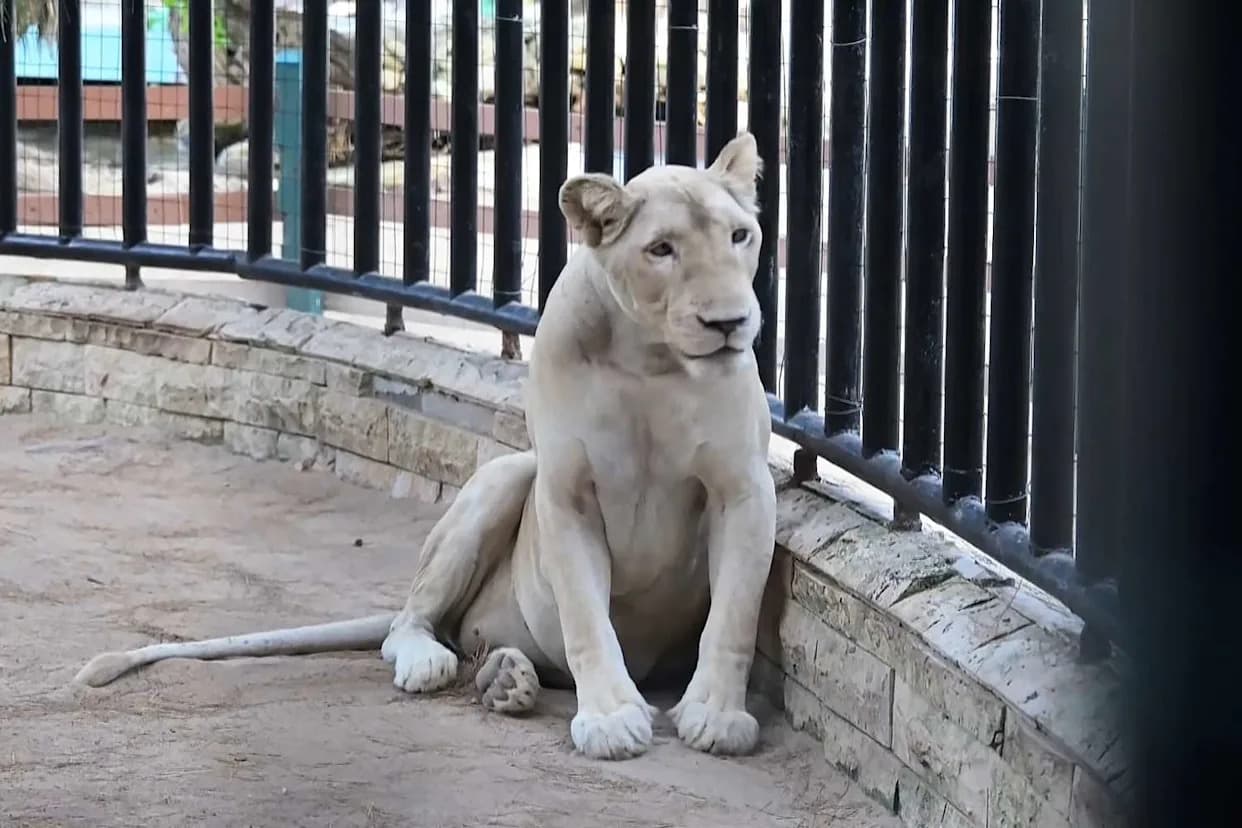
5NEWS/YoutubeTurpentine Creek Wildlife Refuge welcomes three new lions after historic international rescue
Three rescued African lions — Cyrus, Zephora and Juancito — arrived at Turpentine Creek Wildlife Refuge (TCWR) in Arkansas on Jan. 15, concluding a complex international relocation from Honduras that sanctuary leaders called a conservation milestone.
A Coordinated, Cross-Border Rescue
The move was part of a larger operation that relocated eight big cats from Honduras to permanent homes in the United States. Five tigers from the same effort were transferred to Carolina Tiger Rescue (CTR). TCWR says the transfers were carefully planned to prioritize the animals’ long-term welfare, with habitats tailored to their physical, behavioral and psychological needs.
Complex Logistics and International Cooperation
The animals travelled via multiple modes of transport — overland, by ship on certain legs, and by air — as teams coordinated logistics across borders. Honduran environmental authorities, the Honduran Institute of Forest Conservation (ICF), CITES representatives and veterinary professionals provided regulatory support and medical care throughout the relocation process.
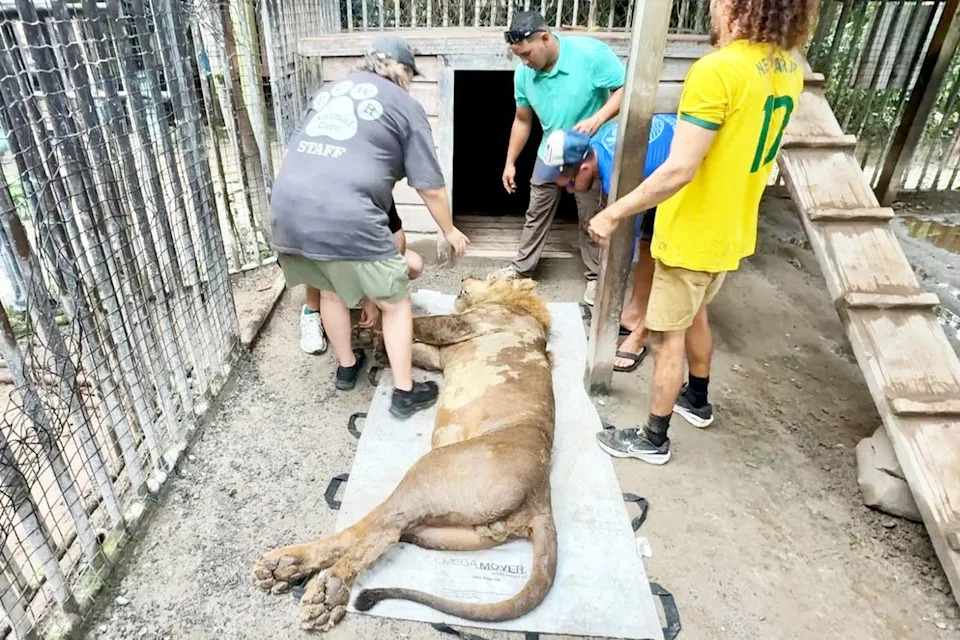
Turpentine Creek Wildlife RefugeTurpentine Creek Wildlife Refuge welcomes three lions rescued from Honduras
“This mission represents everything sanctuary work stands for — international cooperation, compassion in action and a future where rescued animals are given the lives they deserve,”
— Scott Smith, TCWR Vice President
People and Places Behind the Rescue
The three lions were previously housed and cared for at Little French Key Resort in Honduras. Leo Lahijani led the local team that helped organize the transfer, while TCWR Founder and President Tanya Smith spent roughly two years planning the relocation and traveled with the team to accompany the animals to Arkansas.
Smith described logistical and emotional challenges, including an urgent desire to bring the cats to a cooler climate in time for them to develop appropriate winter coats. TCWR emphasized that every stage of the move was intended to improve the animals’ quality of life and ensure their long-term protection.
What This Means for Conservation
Honduran officials hailed the operation as a national milestone, calling it a precedent for responsible wildlife management and a step forward in combating illegal wildlife trade. With the transfer complete, the rescued lions are now under full protection at TCWR and will receive ongoing care in spacious, enriching habitats.
Where They’ll Live Now: At Turpentine Creek Wildlife Refuge, the lions will be provided with veterinary care, enrichment activities and large enclosures designed to support natural behaviors and long-term wellbeing.
Help us improve.