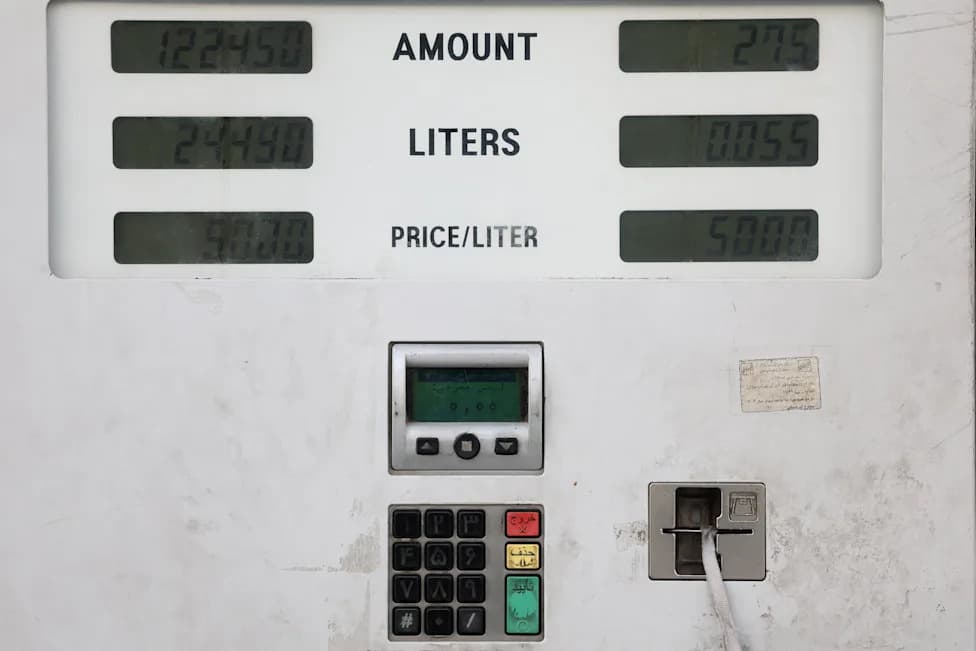
Iran will introduce a third gasoline price tier on Dec. 6, charging 50,000 rials per liter for fuel purchased beyond monthly quotas. The move expands the country's long-running subsidy system and introduces quarterly price reviews intended to curb excessive consumption and ease the fiscal burden of subsidies.
Key changes
New pricing tiers: Households will continue to receive 60 liters per month at the deeply subsidized rate of 15,000 rials per liter. A mid-tier allotment of 100 liters remains available at 30,000 rials per liter. Any consumption beyond these limits will be charged 50,000 rials per liter.
Unofficial market aligned: The 50,000-rial level mirrors a price that had circulated informally through spare station cards held by some pump attendants; operators say those cards were already being sold at the higher rate ahead of the formal change.
Eligibility and distribution: Fuel cards will be limited to one vehicle per individual, and newly manufactured cars delivered to buyers will no longer carry a gasoline quota.
Policy aims and context
Officials say prices will be reviewed every three months, at the start of each season, giving authorities the ability to adjust rates quarterly. The stated goals are to discourage wasteful use of fuel and to reduce the fiscal cost of subsidies.
This is the most significant adjustment to Iran's fuel-subsidy framework since 2019, when abrupt increases in gasoline prices triggered nationwide protests. Gasoline rationing was first introduced in 2007, with the promise that savings from lower consumption would be redistributed; those transfers were later curtailed for middle- and higher-income households amid growing economic pressures.
Economic and technical constraints: Officials and some government-aligned economists argue that current pump prices remain well below the true local cost of fuel — which they estimate at roughly 100,000 to 150,000 rials per liter when accounting for crude extraction, refining, transport, storage and distribution. Critics counter that poor gasoline quality and fuel-inefficient domestic vehicles limit consumers' ability to reduce use.
The new 50,000-rial tier will test public tolerance as inflation erodes purchasing power. Authorities have not said whether further increases are planned when prices are next reviewed at the start of the following quarter.