Since January 8, Iran has enforced a near-total internet blackout that has disrupted livelihoods across the country. Content creators, travel agents and exporters report lost income and logistical delays as millions are confined to a domestic intranet. Official estimates put daily losses at 4–6 trillion rials (~$3–$4M), while NetBlocks estimates exceed $37M per day. Patchy, unreliable access to some foreign sites has returned in places, but uncertainty persists.
Iran's Internet Blackout Threatens Livelihoods After January 8 Shutdown
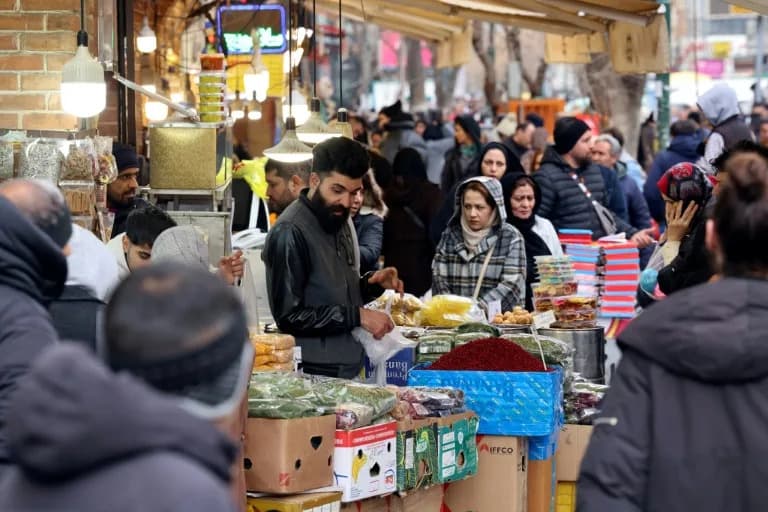
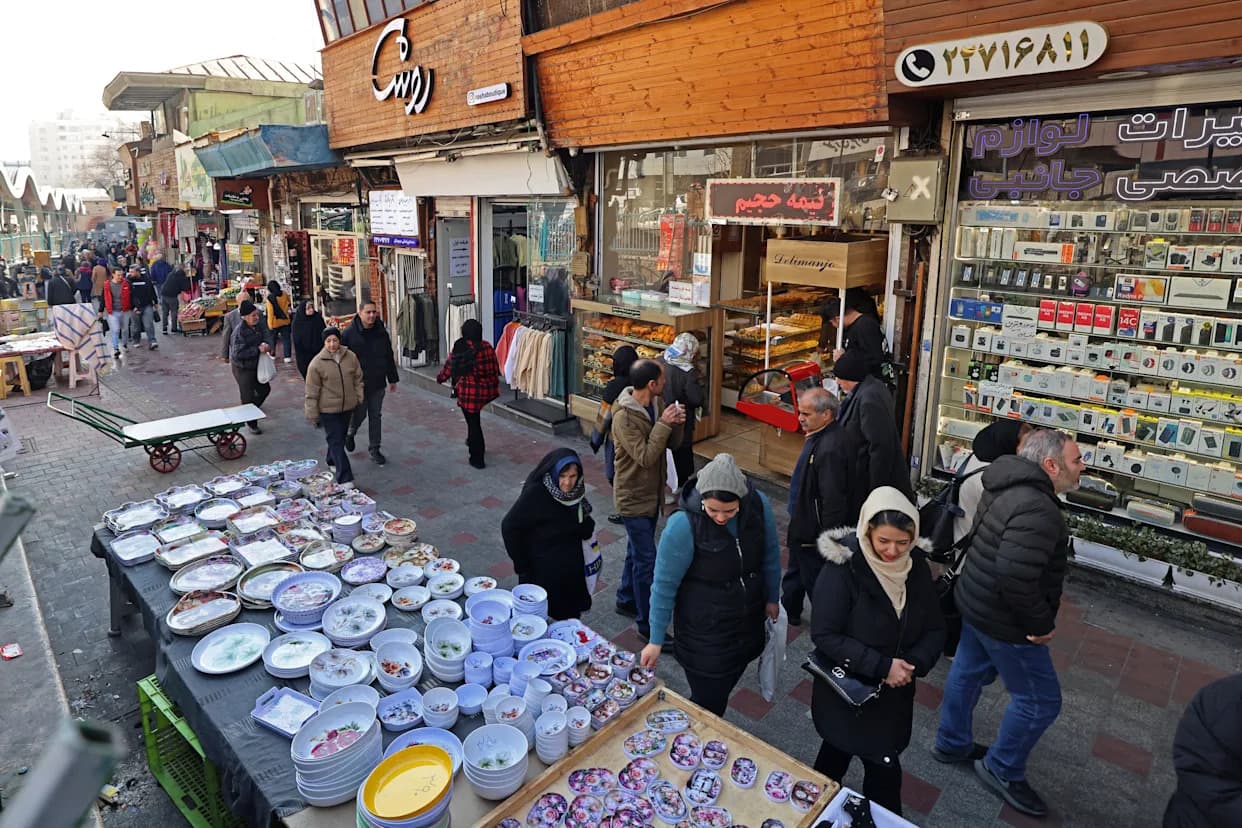
Iranians shop for food at the Grand Bazaar in the capital Tehran (ATTA KENARE)(ATTA KENARE/AFP/AFP)
Cut off from the global internet for more than two weeks since January 8, Iranians across multiple sectors say the prolonged blackout is damaging incomes and slowing commerce. Content creators, travel agents and exporters report mounting losses as users are forced to rely on a limited domestic intranet that isolates them from the wider web.
Impact on Content Creators and Small Businesses
Amir, a 32-year-old online reviewer, told reporters he has been unable to publish his video-game and film reviews since the shutdown began. "My work entirely depends on the internet... I really cannot see myself surviving without it," he said, describing growing anxiety about his income and future.
"We used to complain that working under these conditions was difficult, but now it's affecting every aspect of our livelihoods,"
— Amin, 29, tech reviewer
Economic Costs and Wider Disruption
Officials and monitoring groups give differing estimates of the economic toll. Iran's deputy telecommunications minister, Ehsan Chitsaz, estimated losses at 4–6 trillion rials per day (roughly $3–$4 million), while internet-monitoring group NetBlocks put the figure at more than $37 million daily. The shutdown has affected sectors from travel to exports, eroding sales for online entrepreneurs and complicating logistics for exporters.
Transport, Trade and Domestic Services
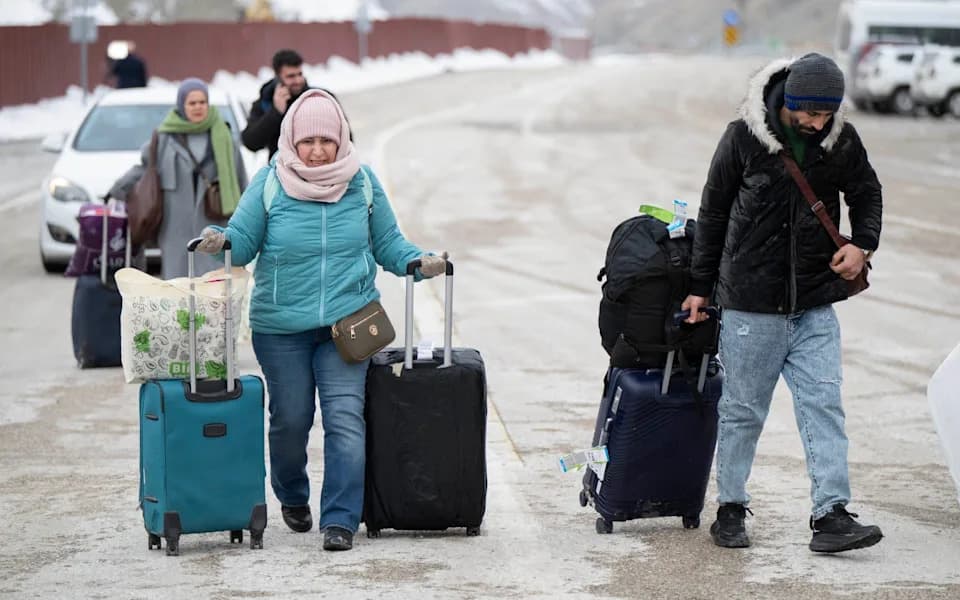
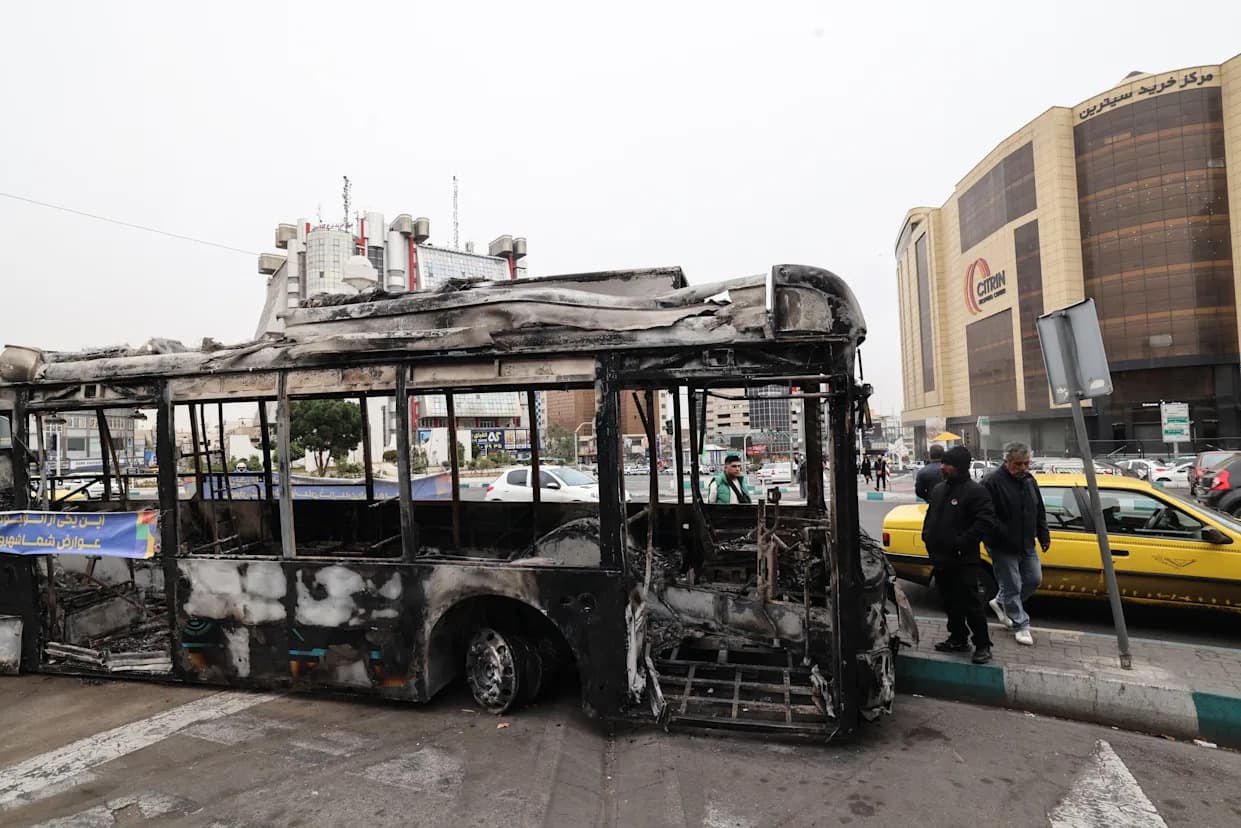
Local services operating on Iran's intranet—including buses, subway systems, online payment platforms, ride-hailing, navigation and food delivery—continue to function, but international connectivity remains constrained. A travel agent who spoke on condition of anonymity said international bookings have become "unstable," with some flights canceled and passengers only informed upon arrival at airports. Truck drivers transporting goods across borders reported lengthy delays in completing export paperwork.
Government Justification and Rights Groups' Concerns
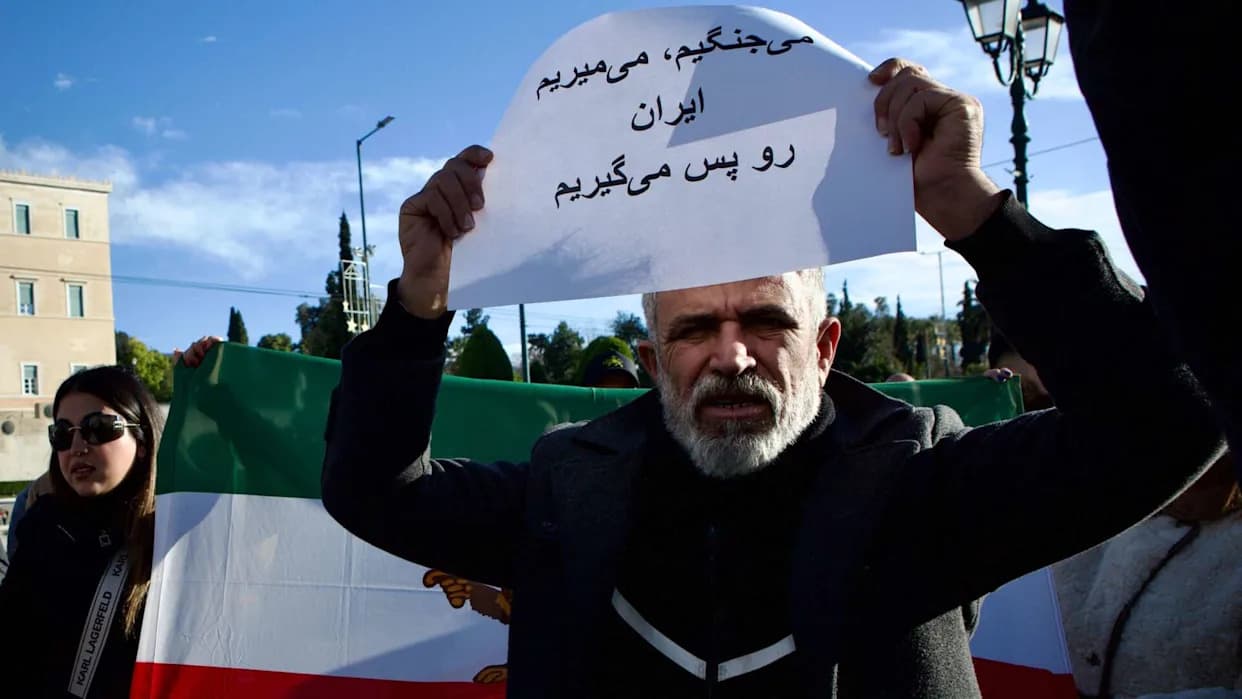
The communications blackout was imposed amid mass anti-government protests that began on December 28 over rising living costs and later escalated into wider unrest. Officials have justified the restrictions as necessary to confront foreign "terrorist operations," while rights groups contend the shutdown has been used to obscure a crackdown on demonstrators. An official toll from the unrest stands at 3,117, though some international organizations report higher figures.
Intranet, Messaging Apps and Outlook
Millions of users are relying on Iran's domestic intranet, which hosts local apps and news sites but cuts off access to the global web. Local media reported partial restoration of domestic messaging apps such as Bale, Eitaa and Rubika, though some content creators have refused to adopt them citing privacy concerns. In recent days, patchy access to some foreign websites and email services — including Google — has intermittently returned but remains unreliable. Many observers say a full, prolonged shutdown would likely backfire politically and economically.
What remains unclear is how long the blackout will continue and whether authorities will restore stable, unrestricted international connectivity. For many Iranians whose work depends on global platforms, each day of limited access compounds financial and professional uncertainty.
Help us improve.