The IRGC declared protecting national security and the 1979 revolution a "red line" as Iran's authorities intensified efforts to suppress nationwide protests that began over rising inflation and turned political. State media reported arson and funerals for security personnel, while witnesses and rights groups described shootings, beatings and mass arrests amid an internet blackout. International reactions included stern warnings from U.S. officials and a joint European call for restraint; rights groups reported dozens killed and thousands detained.
IRGC Declares Protecting the 1979 Revolution a 'Red Line' as Authorities Move to Quell Nationwide Protests
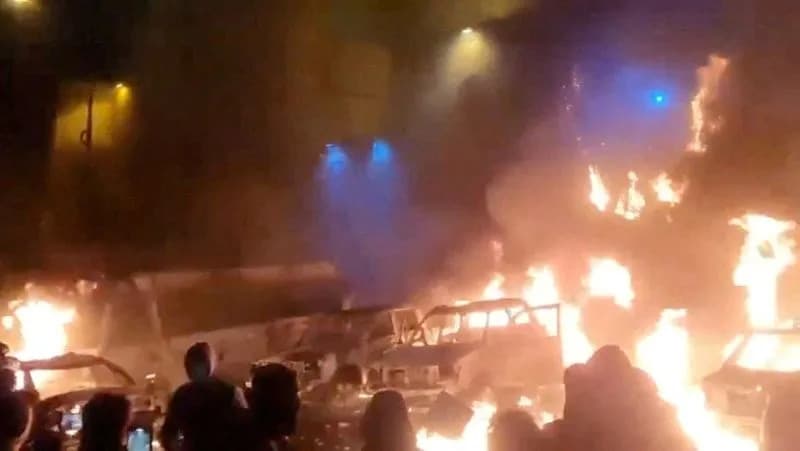
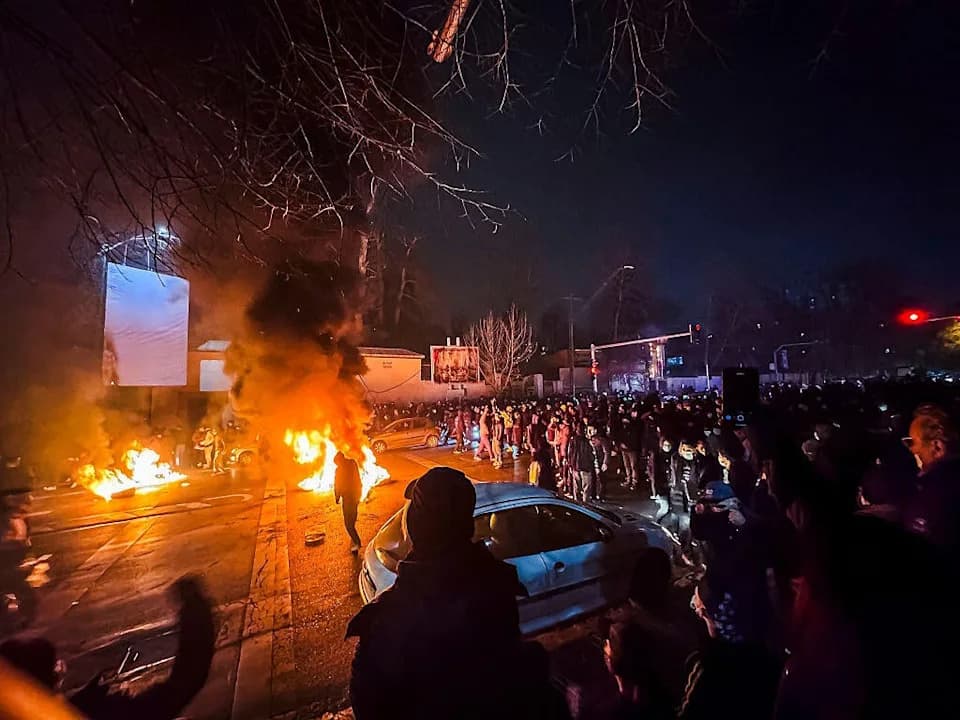
FILE PHOTO: Protesters gather as vehicles burn, amid evolving anti-government unrest, in Tehran, Iran, in this screen grab obtained from a social media video released on January 9, 2026. Social Media/via REUTERS/File Photo
Iran's Islamic Revolutionary Guard Corps (IRGC) on Saturday warned that safeguarding national security and the achievements of the 1979 Islamic Revolution is a "red line" as the clerical establishment stepped up efforts to suppress some of the broadest protests in years.
Escalation and Official Response
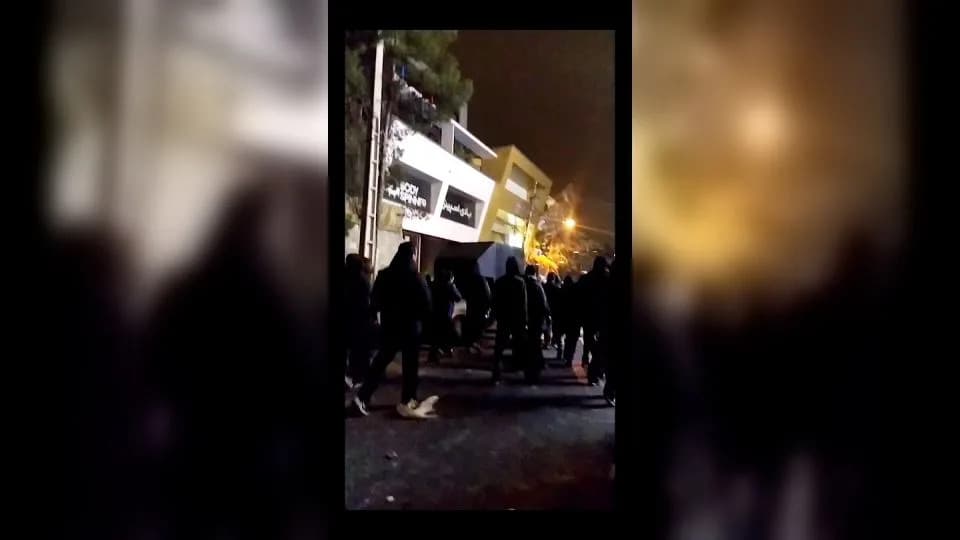
The IRGC's statement, broadcast on state television, came amid continuing unrest across much of the country. State media reported that a municipal building in Karaj, west of Tehran, was set alight and aired footage of funerals for security personnel said to have been killed in Shiraz, Qom and Hamedan. Authorities have also imposed widespread internet restrictions as security forces move to regain control of restive areas.
Protests: From Economic Grievances to Political Demands
What began more than two weeks ago as demonstrations over soaring inflation has spread nationwide and increasingly turned political, with many protesters demanding an end to clerical rule and urgent economic relief. Officials blame foreign actors, including the United States and Israel, for fomenting unrest, while rights groups say security forces have used lethal force and detained thousands.
Violence, Casualties and Arrests
The IRGC accused "terrorists" of attacking military and law enforcement bases over recent nights, alleging several deaths and arson. Rights groups reported dozens of fatalities and mass arrests: Iran Human Rights Activists News Agency (HRANA) documented 65 deaths as of January 9 (50 protesters and 15 security personnel), and Norway-based Hengaw reported more than 2,500 arrests in the two-week period.
Hospitals in northwest Iran received large numbers of injured protesters, including cases of head trauma, broken limbs and deep cuts. One hospital reported at least 20 people shot with live ammunition, five of whom later died.
Opposition Voices and Calls For Strikes
From abroad, Reza Pahlavi, the U.S.-based son of Iran's last shah, urged demonstrators on the social platform X to move beyond street protests and "prepare to seize city centres and hold them." He also called on workers in critical sectors, including transport, oil, gas and energy, to begin a nationwide strike.
International Reactions
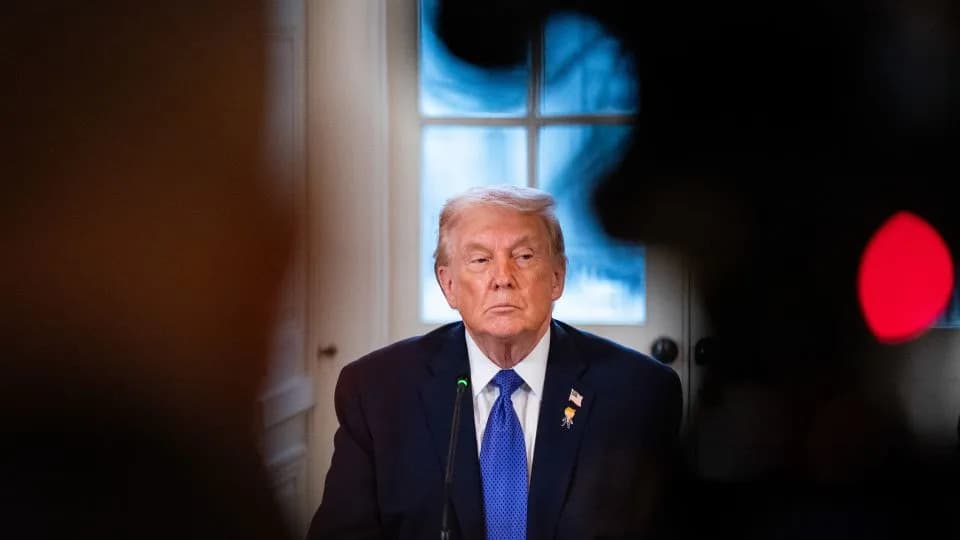
The unrest has drawn sharp international attention. U.S. leaders issued stern warnings to Tehran, and President Donald Trump warned Iran against opening fire on protesters. European leaders — France, Britain and Germany — issued a joint appeal condemning the killing of protesters and urging Iranian authorities to refrain from further violence.
Security Force Casualties
Iranian authorities reported multiple security fatalities: the IRGC public relations office said three Basij members were killed and five wounded in clashes in Gachsaran; other reported deaths included a security officer in Hamedan and the son of a senior officer in Mashhad, among others. The government described some clashes as responses to "armed rioters."
Context
Analysts say these protests represent the most serious domestic challenge to Iran's clerical rulers in several years, driven by economic hardship compounded by international sanctions and recent regional confrontations. The government has distinguished between legitimate economic grievances and what it calls violent rioters while employing security measures to restore order.
(Reporting by Dubai Newsroom; Writing by Tom Perry; Editing by Mark Potter)
Help us improve.