Iran has empowered provincial governors to import goods, use barter and ease customs to protect food supplies amid rising threats of conflict with the US and Israel. A state-imposed internet shutdown since Jan. 8 has crippled online commerce, while the rial plunged to about 1.6 million per US dollar and inflation nears 50 percent. The government replaced a subsidised import currency with electronic food coupons, but prices for essentials have surged and major carmakers plan steep price hikes.
Iran Grants Provinces Emergency Import Powers as War Fears and Economic Turmoil Deepen
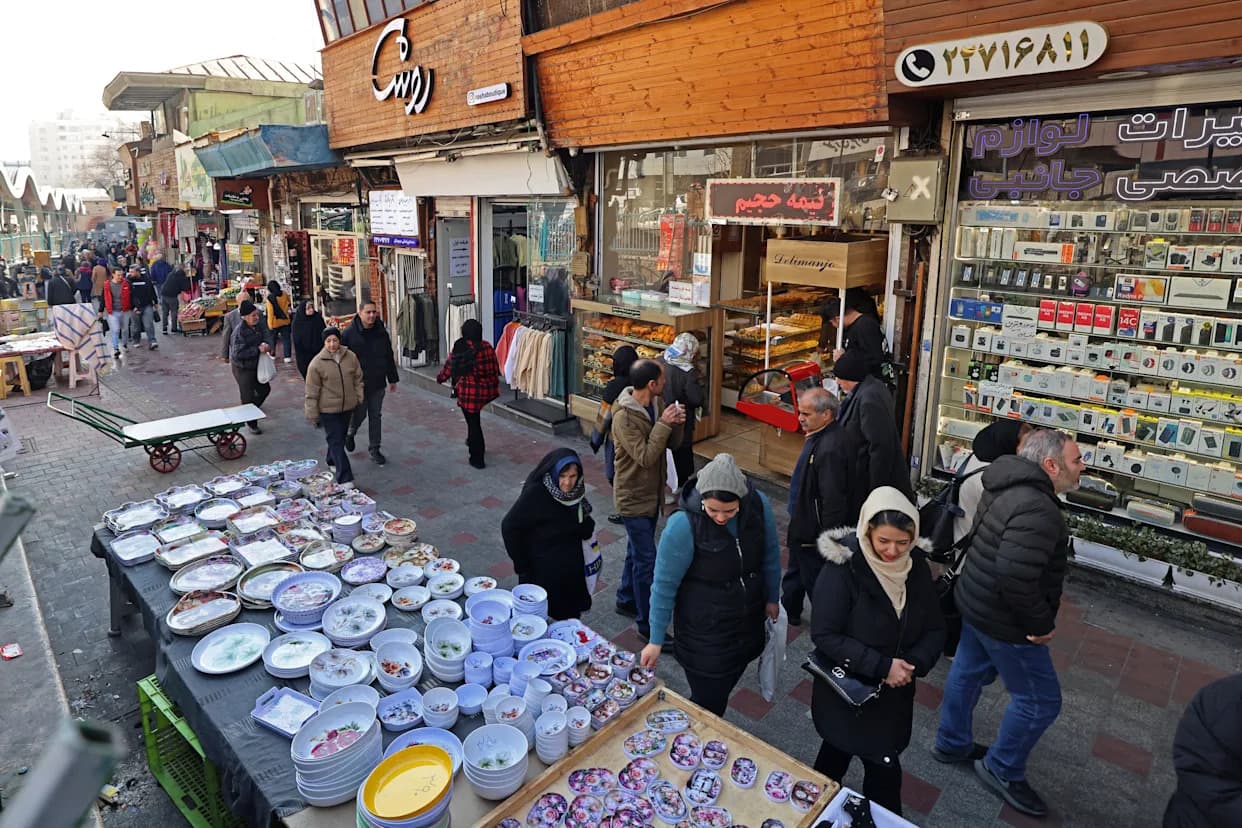
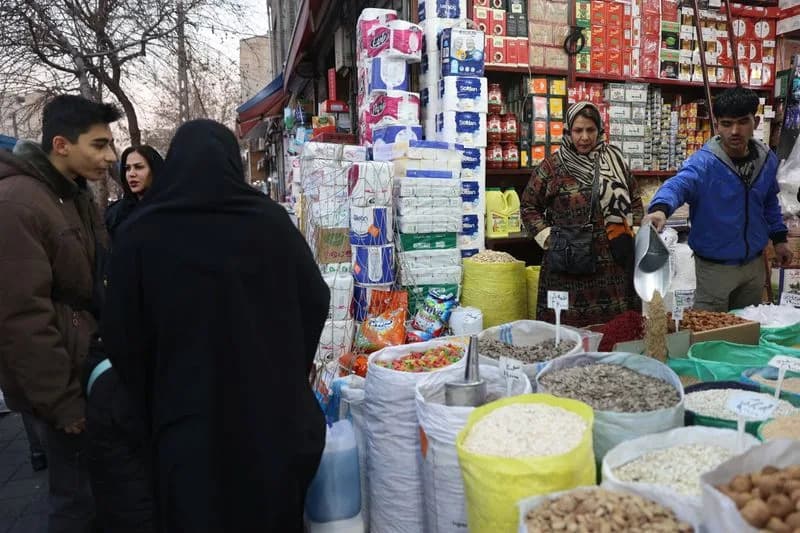
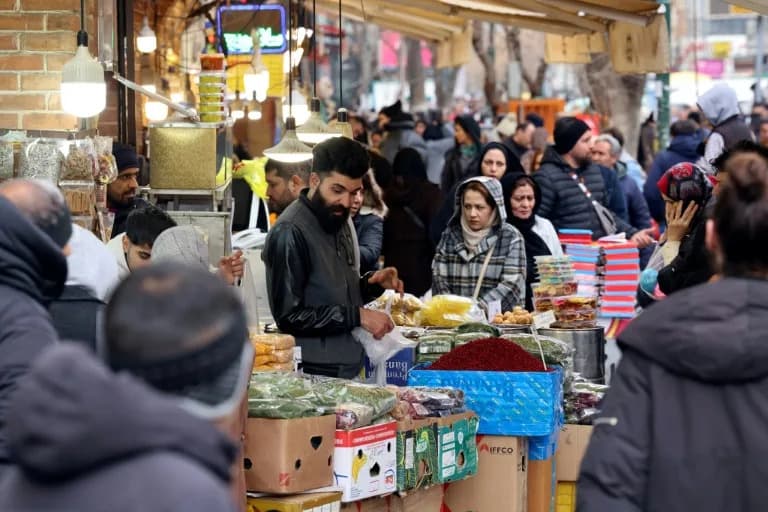
People shop in the Tajrish Bazaar in Tehran on January 28, 2026, as the rial falls to record lows [AFP]
Tehran — Iran’s government has delegated emergency import powers to provincial governors and created a special working group to protect food supplies and basic goods as tensions with the United States and Israel rise. Officials say the move is intended to ensure the flow of essentials and stabilise markets if a conflict disrupts normal channels.
What Was Decided
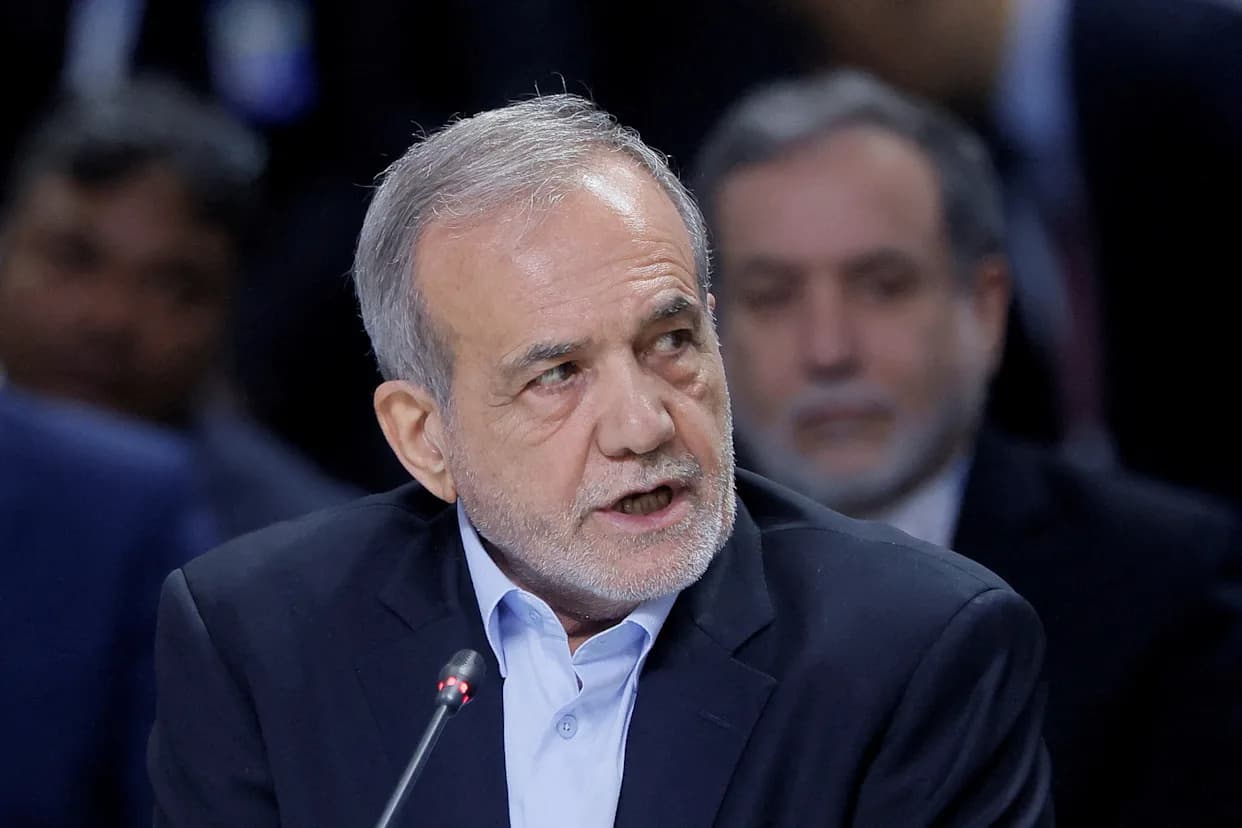
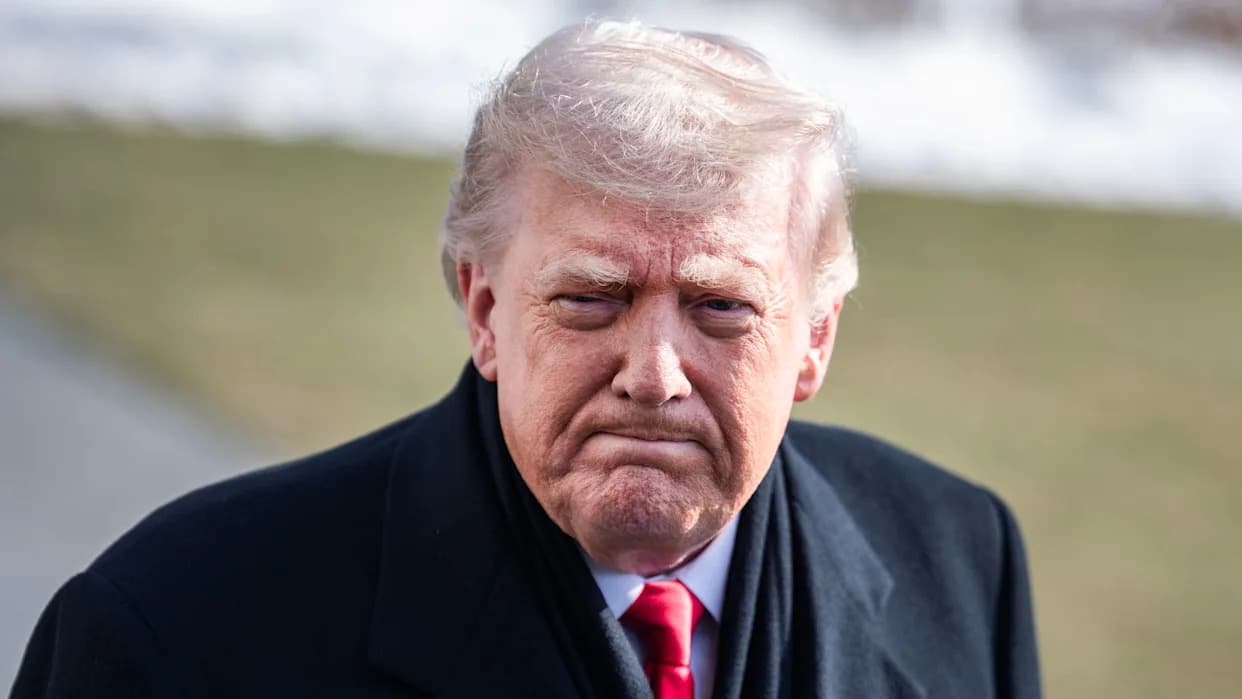
At a meeting in Tehran, President Masoud Pezeshkian authorised governors of border provinces to import goods without using foreign currency, engage in barter transactions and allow sailors to bring in cargo under simplified customs procedures, state media reported. The government also formed a working group charged with keeping key commodity flows, especially food, moving in a crisis.
"In addition to importing essential goods, governors now have the authority to bring in all goods that are directly linked with the livelihoods of the people and the needs of the market in order to balance the market and prevent hoarding," Pezeshkian said.
Economic Context
Officials framed the policy as a way to blunt the effects of harsh US sanctions and United Nations penalties reimposed in September, which Tehran blames for much of its current economic hardship. At the same meeting Central Bank chief Abdolnasser Hemmati said the currency market was "following its natural course" and that roughly $2.25 billion in foreign-currency transactions had been recorded recently on a state-run platform for managing trade.
Critics quickly challenged these reassurances. The ultraconservative Keyhan newspaper — whose editor is appointed by the supreme leader — said Hemmati’s comments did not reflect the turmoil seen in currency markets or his prior promises about price stability.
Public Impact: Blackout, Prices and Purchasing Power
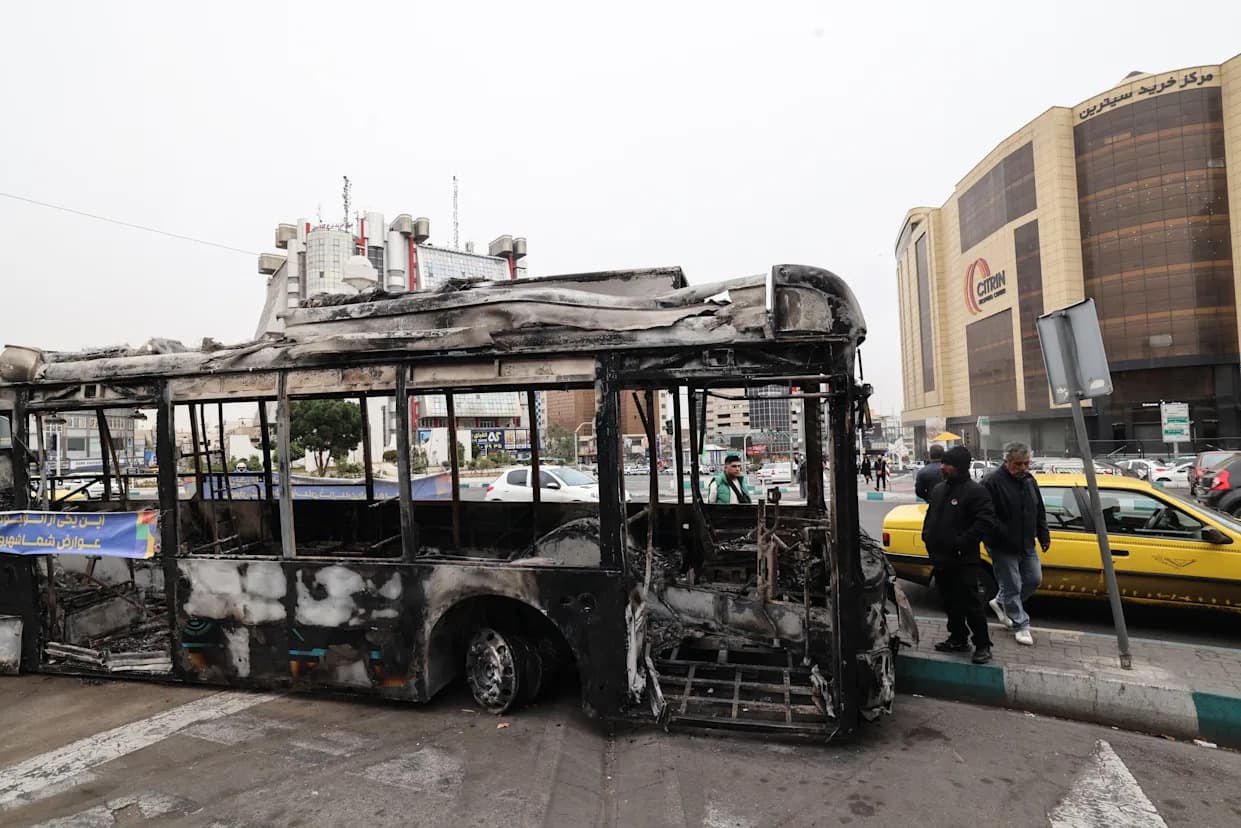
Meanwhile, a nationwide internet shutdown imposed on January 8 during intensifying nationwide protests has crippled online commerce and impeded businesses across sectors. Authorities set up a restricted national intranet to provide limited services, but it is slow and insufficient to support most digital activity.
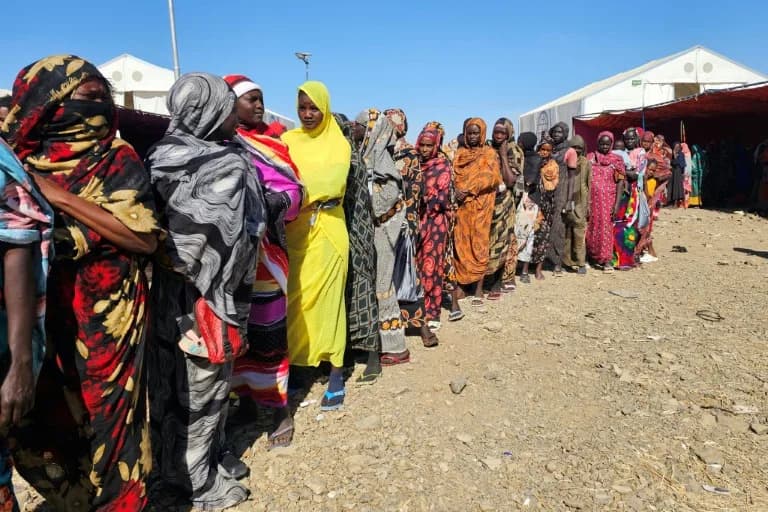
The rial plunged after markets partially reopened, reaching about 1.6 million rials to the US dollar — down from roughly 700,000 a year earlier and about 900,000 in mid-2025 — deepening public distrust of the currency. The government replaced a subsidised allocated currency scheme with electronic food coupons worth 10 million rials per person per month for four months; that sum was worth just over $7 when announced and is now closer to $6 as the rial weakens.
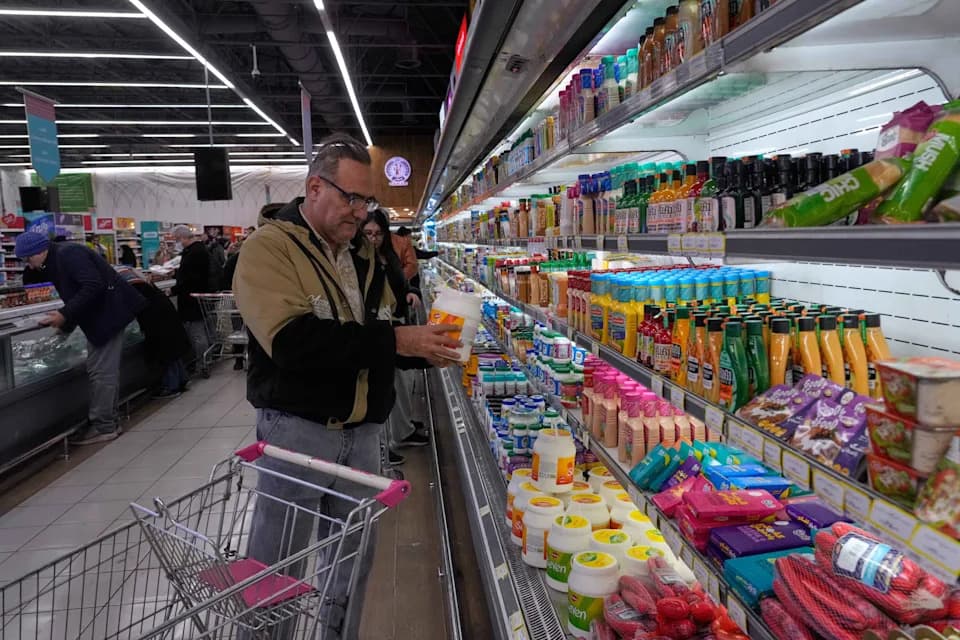
The coupon announcement coincided with abrupt price jumps for some essentials — cooking oil and eggs reportedly tripled or quadrupled in price — and Iran’s annual inflation rate remains near 50 percent. The two dominant state carmakers, Iran Khodro and Saipa, have signalled large price increases ahead of the Iranian new year, with Iran Khodro announcing hikes of up to 60 percent; authorities say they are trying to delay or moderate these rises.
Political Fallout
Pezeshkian’s administration also faces strong domestic opposition from hardliners demanding cabinet changes. Factional infighting escalated to the point where the supreme leader publicly admonished officials last week, saying they were "forbidden" from insulting the president and urging a focus on securing essential goods for the public.
Markets have reacted badly: the TEDPIX index of the Tehran Stock Exchange continued its slide, losing 30,000 points on Wednesday to stand at about 3,980,000 after hitting an all-time high of 4,500,000 just last week.
Outlook
Officials present the delegation of import powers as a pragmatic emergency measure to mitigate sanctions and potential wartime disruptions. Analysts and traders remain sceptical, pointing to the currency collapse, lingering internet blackout and rising inflation as risks that could undermine short-term stability unless broader economic and political confidence is restored.
Help us improve.