The Iranian government imposed a nationwide internet blackout on Jan. 8 amid mass protests and a violent security response that activists say has killed more than 4,000 people. Limited domestic connectivity and partial Google access have crippled businesses that rely on social media—some report sales down as much as 90%. Official estimates put daily economic losses at $2.8–$4.3 million, while independent monitors estimate more than $37 million per day, compounding damage from the rial's collapse and December fuel-price changes.
Internet Blackout Devastates Iranian Businesses Already Struggling From Rial Collapse

A man checks information on a yogurt's package at a store in Tehran, Iran, Friday, Jan. 16, 2026. (AP Photo/Vahid Salemi)(ASSOCIATED PRESS)
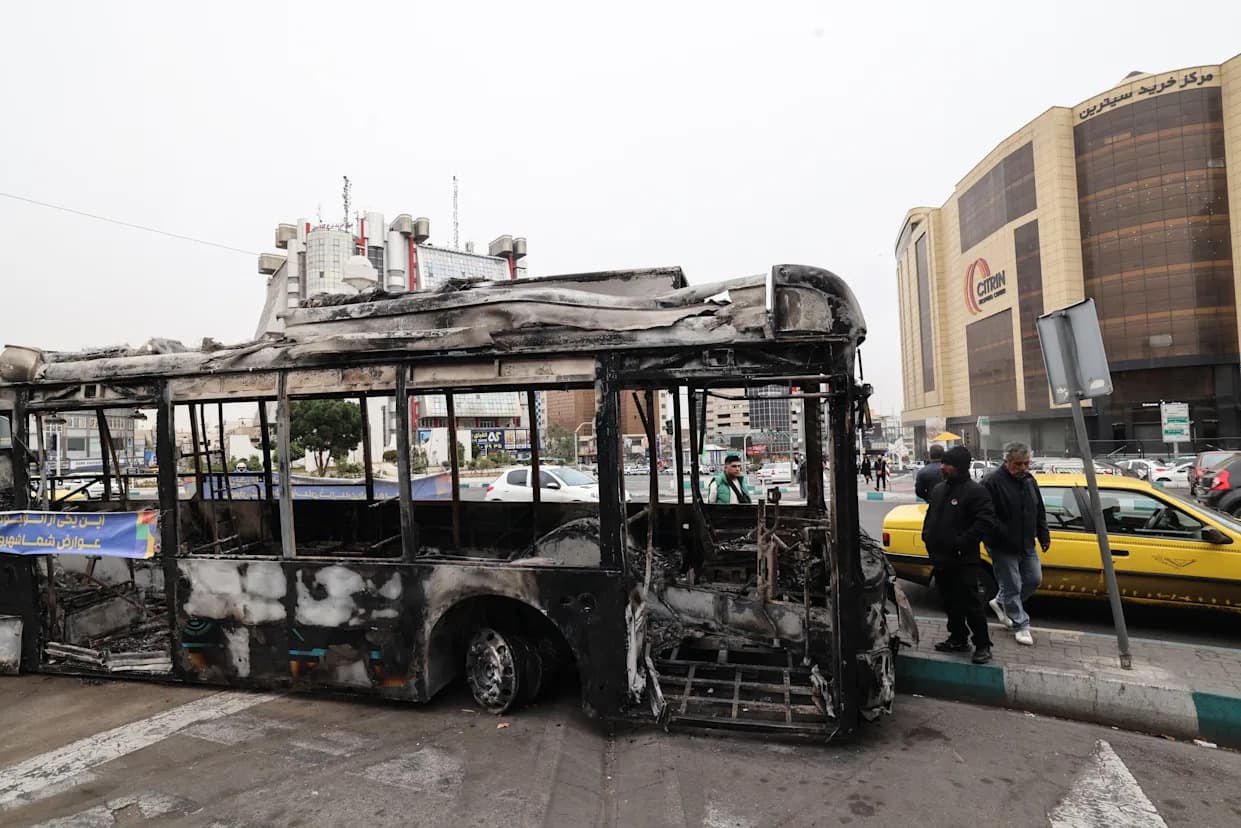
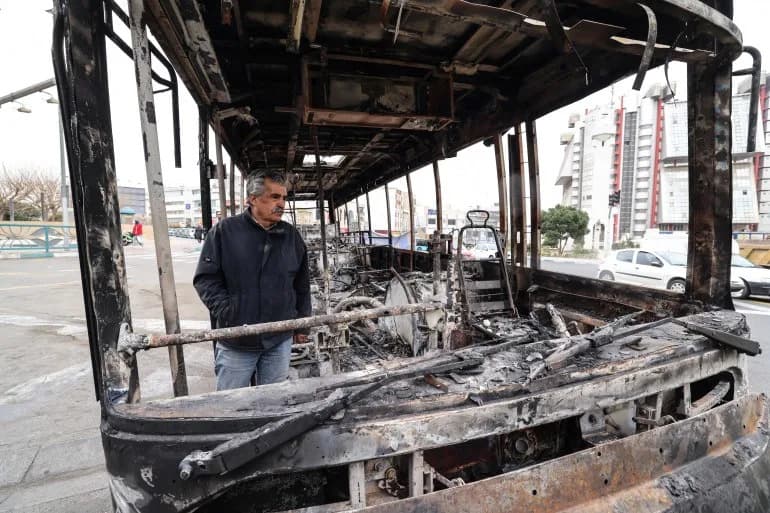
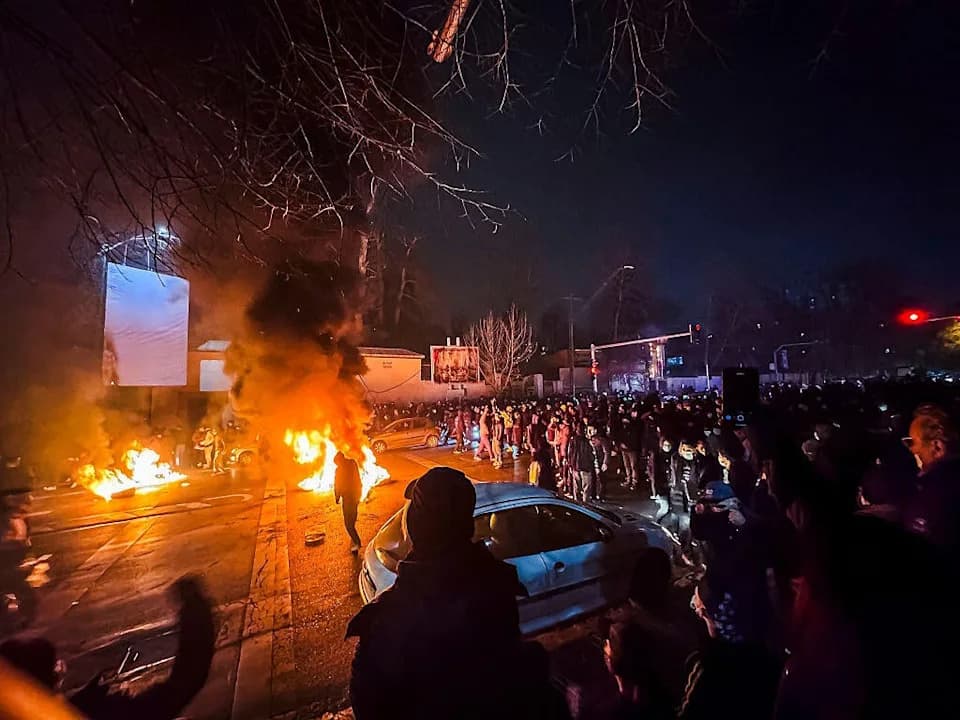
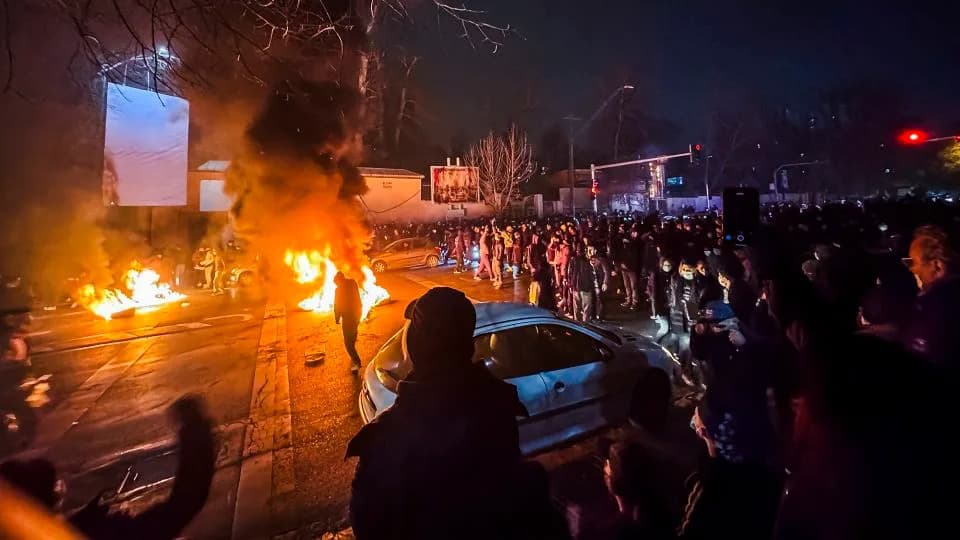
For nearly two weeks following nationwide unrest, Iran has experienced the most extensive internet shutdown in the Islamic Republic's history. Authorities cut access to the global internet on Jan. 8 amid mass protests and a violent security response that activists say has killed more than 4,000 people. Since the shutdown began, connectivity to the outside world has been minimal; only some domestic websites are reachable in recent days and Google search is only partially functional.
Economic Toll On Small Businesses
The blackout is compounding severe economic pressures for businesses that depend on social media and online platforms for advertising and sales. A Tehran pet shop owner who spoke on condition of anonymity said sales have fallen roughly 90% since the protests started. "I used to rely on Instagram and Telegram, which I can't access now," he said. "Authorities have proposed domestic alternatives, but our customers don't use them."
"Our business life is vanishing. Our business is being destroyed," a reader wrote in response to a semiofficial news story about the blackout.
Official And Independent Estimates Differ Sharply
Official figures and independent monitors disagree on the daily economic cost. Iran's state-run IRNA quoted Deputy Communications Minister Ehsan Chitsaz estimating losses of about $2.8 million to $4.3 million per day. Independent monitor NetBlocks estimates the cost at more than $37 million per day, using indicators such as World Bank and ITU data to model broader impacts.
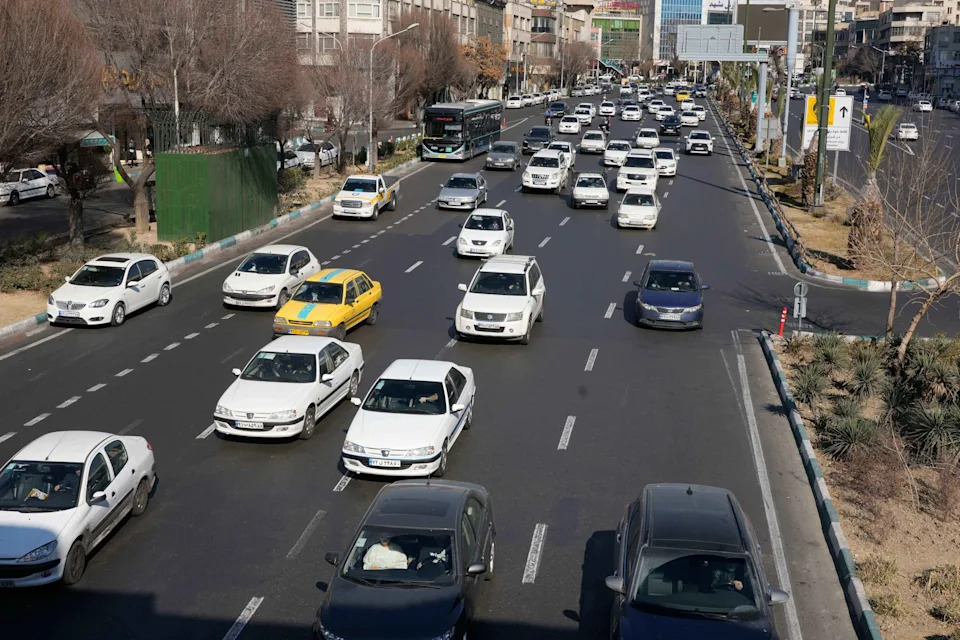
Vehicles drive in downtown Tehran, Iran, Friday, Jan. 16, 2026. (AP Photo/Vahid Salemi)(ASSOCIATED PRESS)
Academic analyses highlight longer-term harm: a government estimate cited by researcher Dara Conduit suggested Iranian businesses made as much as $833 million annually from social media in 2021, and separate calculations put losses from 2022 internet disruptions at roughly $1.6 billion.
Wider Economic Context
The outage comes on top of other economic shocks. Protests that began on Dec. 28 followed a dramatic devaluation of the rial, which has plunged to more than 1.4 million to $1 from roughly 32,000 to $1 a decade ago (and about 70 to $1 before the 1979 revolution). Rising inflation and fuel price changes in December further raised living costs and consumer anger.
Crackdown, Arrests And Asset Seizures
Authorities have not provided a clear timeline for restoring full internet access, creating acute uncertainty for merchants and service providers. Prosecutors in Tehran have filed paperwork to seize assets from 60 cafes alleged to have supported protests, and officials say they plan to pursue assets linked to athletes, film industry figures and others; some cafes in Tehran and Shiraz have reportedly been closed.
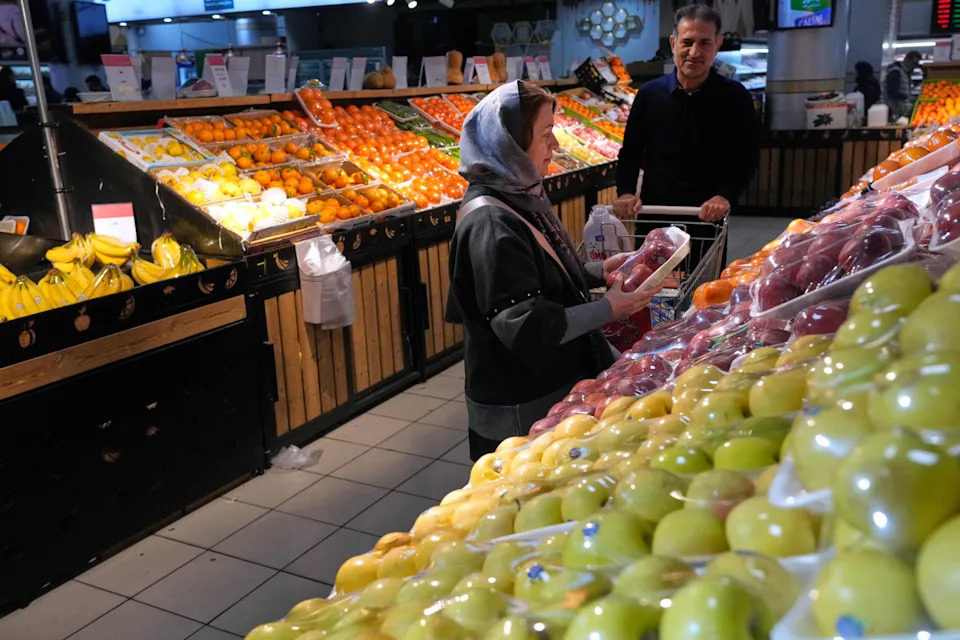
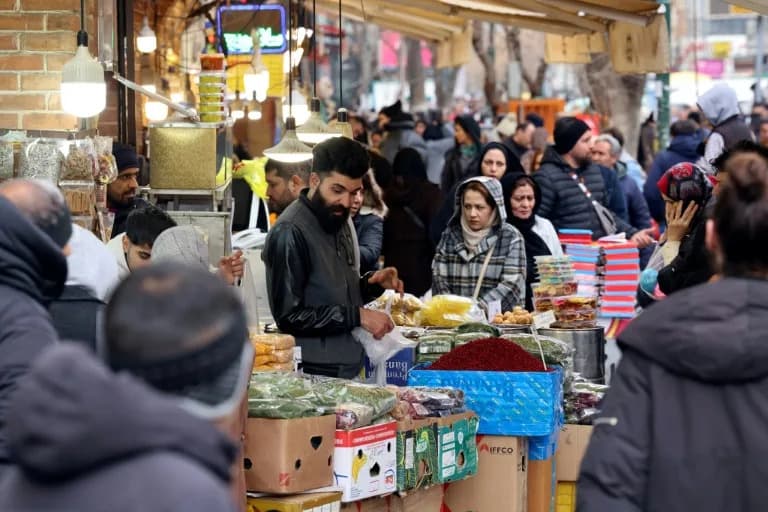
People shop fruits at a store in Tehran, Iran, Friday, Jan. 16, 2026. (AP Photo/Vahid Salemi)(ASSOCIATED PRESS)
The security response has included mass arrests. Reports cite roughly 26,000 arrests related to the unrest; many details remain contested and numbers vary across sources. The 2022 crackdown around the Mahsa Amini protests, for comparison, reportedly resulted in more than 500 deaths and over 22,000 detentions.
Consumer Confidence And The Real-World Impact
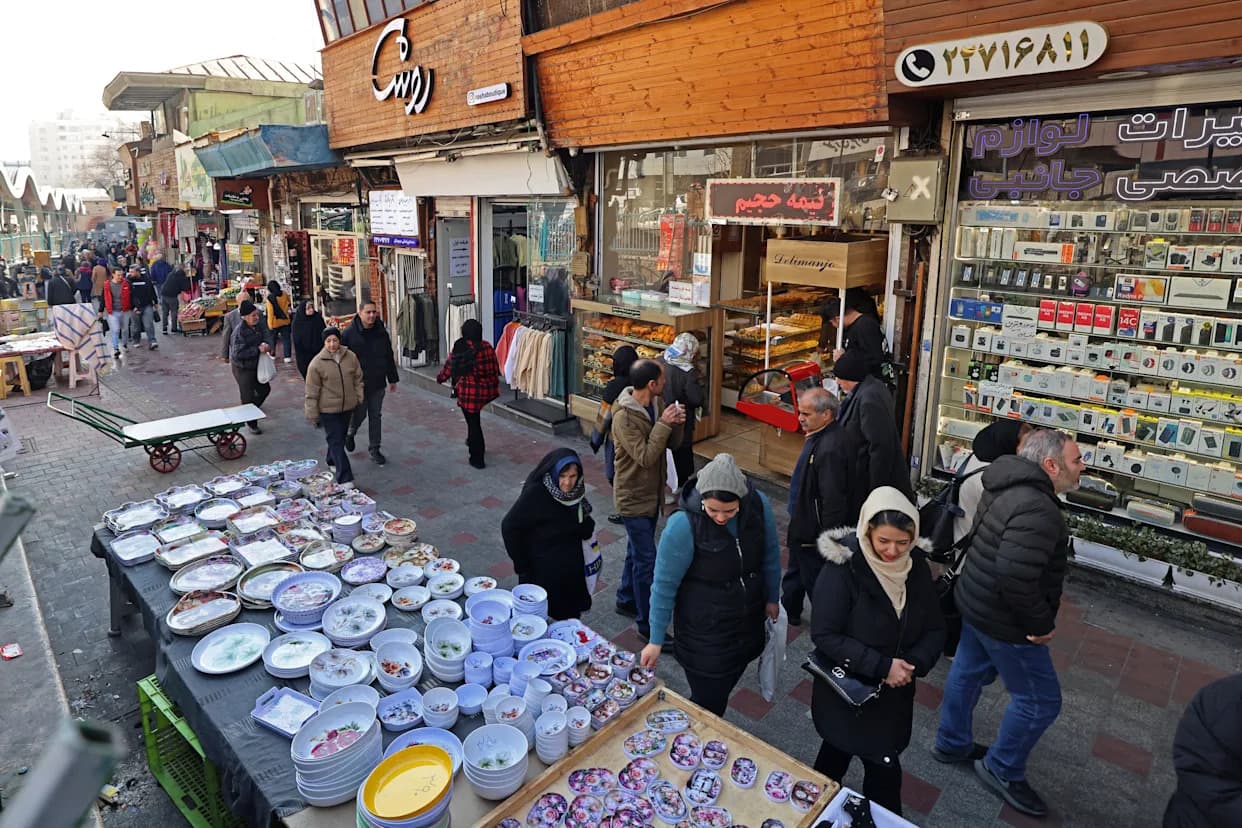
Beyond lost online sales, fear and economic uncertainty have suppressed consumer demand. Many shops and restaurants in Tehran remain open but see far fewer customers, with households prioritizing essentials. An owner of an upscale tailor shop said: "People passing by show no appetite for shopping. We are just covering regular expenses — electricity and staff — but earning nothing in return."
What This Means Going Forward
Short-term internet restrictions impose measurable daily costs, while repeated or prolonged disruptions risk deeper damage to commerce, employment and public trust. Discrepancies between official and independent damage estimates make the true cost uncertain, but the cumulative effect of currency collapse, price shocks and connectivity cuts has already placed many small businesses in a precarious position.
Help us improve.