Laboratory research from the University of Cambridge tested 1,076 chemicals against 22 common gut bacterial species and found 168 compounds that impaired bacterial growth. Identified chemicals included pesticides, flame retardants and plasticizers. Some bacterial responses to these compounds also reduced sensitivity to the antibiotic ciprofloxacin. The authors stress these were lab findings and call for real-world exposure studies; they advise washing produce and avoiding home pesticide use.
Common Pesticides and Household Chemicals May Harm Gut Bacteria, Lab Study Finds

New laboratory research from the University of Cambridge suggests that many chemicals commonly used in agriculture and household products can impair beneficial bacteria that live in the human gut. The study screened a large panel of compounds and found that dozens slowed or stopped the growth of helpful microbial species in vitro.
What the researchers did
Scientists at the MRC Toxicology Unit tested 1,076 chemicals against 22 bacterial species that are commonly found in the human gut. While those 22 species represent only a small portion of the roughly 4,500 bacterial species known to inhabit or live on the human body, the survey identified notable effects across diverse compound classes.
Key findings
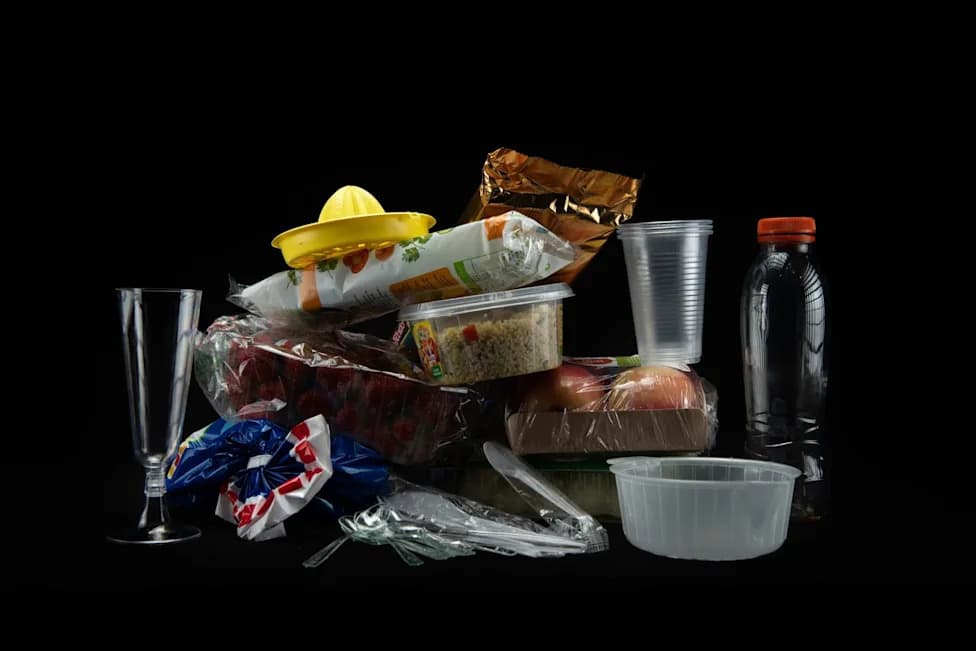
The team identified 168 chemicals that inhibited the growth of one or more gut bacterial species. Affected compounds included a range of pesticides as well as industrial chemicals such as certain flame retardants and plasticizers — compounds many people encounter regularly.
"We discovered that many chemicals designed to target a specific organism, such as insects or fungi, can also affect gut bacteria," said Indra Roux of the MRC Toxicology Unit. "We were surprised by how strong some of these effects were. Several industrial compounds assumed to be biologically inert are not."
In laboratory evolution experiments, exposure to some of these chemicals selected for bacterial changes that also reduced sensitivity to the antibiotic ciprofloxacin. That finding raises concerns that environmental chemicals might contribute to microbial resistance patterns that complicate infection treatment.
Context and limitations
These experiments were conducted in vitro (in the laboratory), so they do not directly measure exposures or effects inside the human gut. The authors emphasize that real-world exposure levels, metabolism, and interactions among many microbial species and host tissues may alter outcomes. Additional studies are needed to determine whether similar effects occur in people.
Practical advice
To reduce personal exposure, researchers recommend washing fruits and vegetables before eating and avoiding pesticide use in home gardens when possible. The study's authors also suggest that the dataset can help researchers and manufacturers predict microbiome effects and design safer chemicals in the future.
Publication: The results were published in Nature Microbiology. Key study authors include Indra Roux and Kiran Patil of the MRC Toxicology Unit at the University of Cambridge.
For more background on the microbiome, see resources from the National Human Genome Research Institute.
Help us improve.