New research published in The Astrophysical Journal links more than 3,000 stars to the Pleiades, extending the association across roughly 1,950 light-years. The cluster sits about 440 light-years from Earth and formed around 120 million years ago. By combining Gaia astrometry, TESS rotation data and SDSS chemistry, astronomers revealed the enlarged grouping now called the Greater Pleiades Complex. The work illustrates how multi-mission data can uncover dispersed stellar families and refine our understanding of Galactic history.
Greater Pleiades Complex: Over 3,000 Stellar Siblings Linked to the Seven Sisters

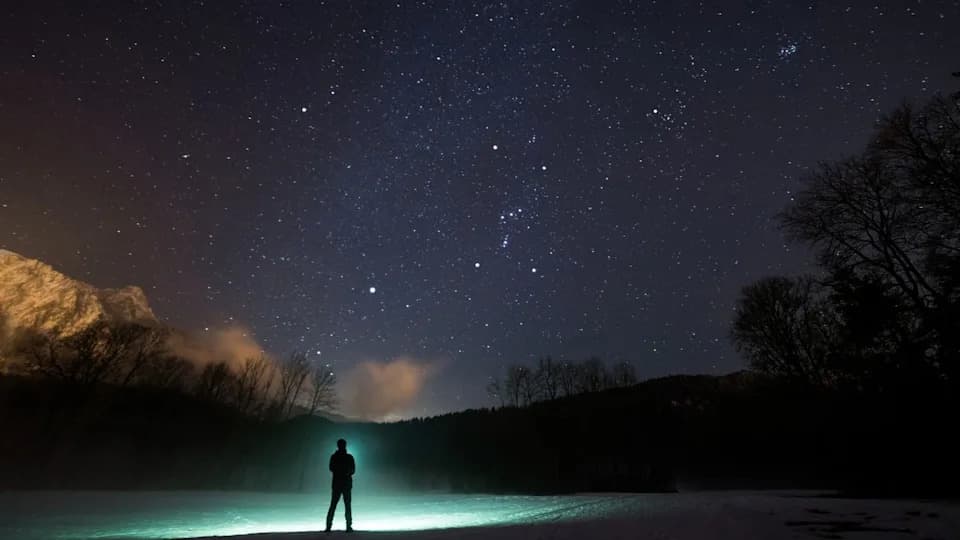
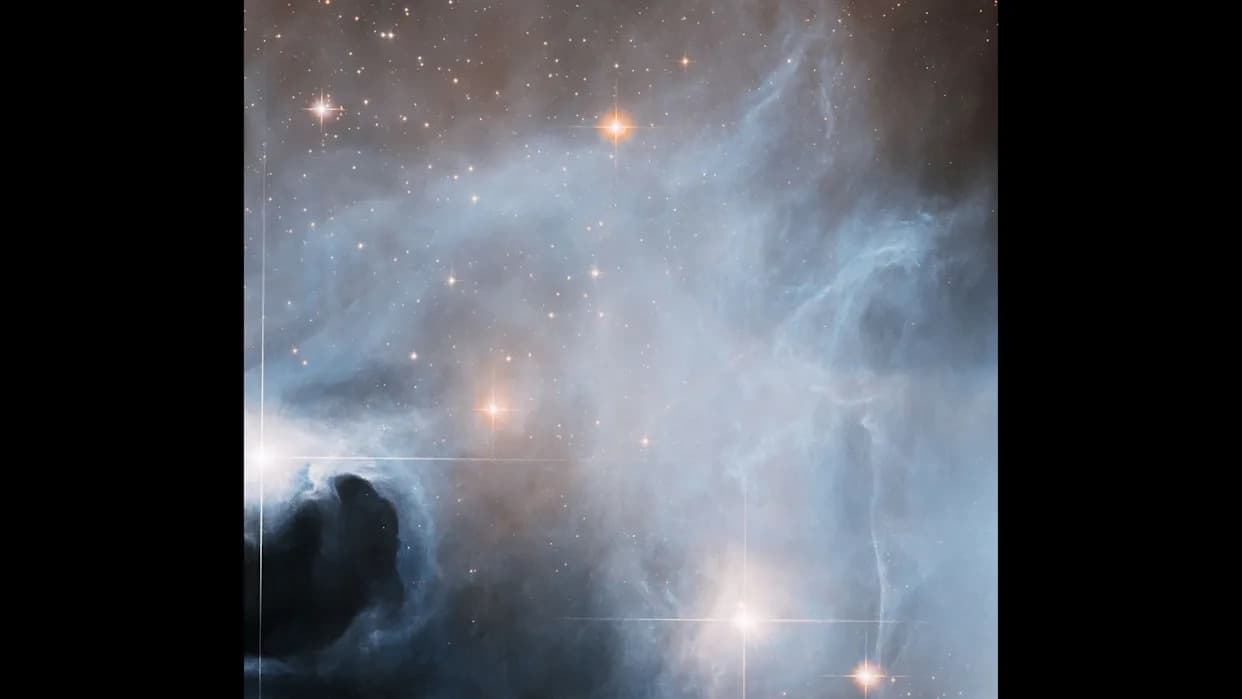
The Pleiades — long known as the “Seven Sisters” and recognised across cultures as Matariki, Streoillín and Kimah — are part of a far larger stellar family than astronomers previously realized. New research published in The Astrophysical Journal finds more than 3,000 stars associated with the cluster, spread across nearly 1,950 light-years.
Located about 440 light-years from Earth, the Pleiades are a young cluster, formed roughly 120 million years ago when clouds of gas and dust collapsed. While the compact core is visible to the unaided eye, many sibling stars have drifted far from their birthplace, making it challenging to trace their common origin with traditional observations.
To identify these widely dispersed members, researchers combined precise motion measurements from the European Space Agency’s Gaia mission with stellar rotation data from NASA’s Transiting Exoplanet Survey Satellite (TESS) and chemical fingerprints from the Sloan Digital Sky Survey (SDSS). Linking kinematics, rotational behavior and stellar chemistry allowed the team to distinguish true siblings from unrelated background stars.
Andrew Boyle, a graduate student at the University of North Carolina and co-author of the study, said: “It was only by combining data from Gaia, TESS, and SDSS that we were able to confidently identify new members of the Pleiades. Individually, each mission’s data could not reveal the full structure, but together they produced a coherent result — like fitting together pieces of a jigsaw puzzle.”
Because of this work, astronomers are calling the expanded association the Greater Pleiades Complex. The discovery demonstrates the power of multi-mission, multi-parameter surveys to reveal extended stellar families and to reconstruct the Galaxy’s dynamical history.
This finding, produced by teams at institutions including the University of North Carolina and the Observatories of the Carnegie Institution for Science, highlights how combining astrometry, photometry and spectroscopy can reshape our view of nearby star formation and Galactic evolution.
Help us improve.