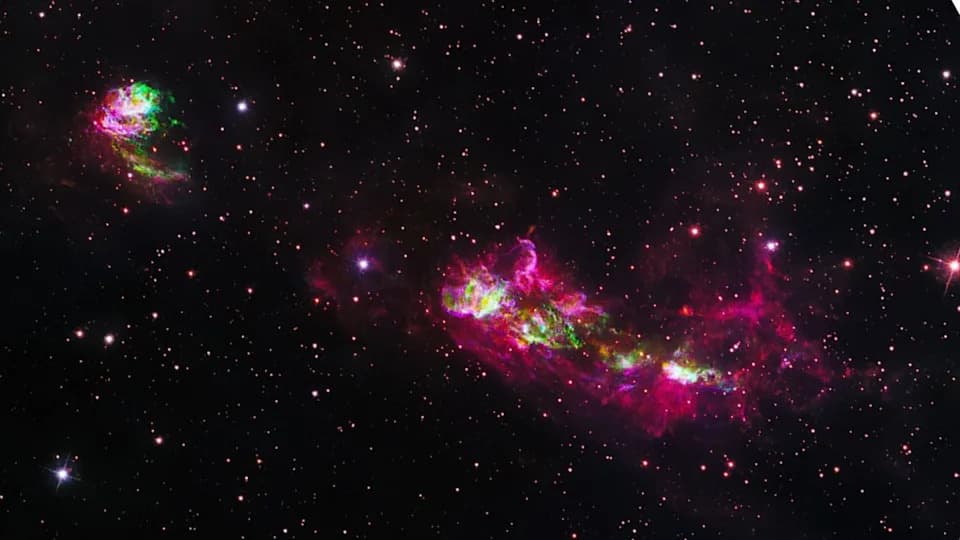
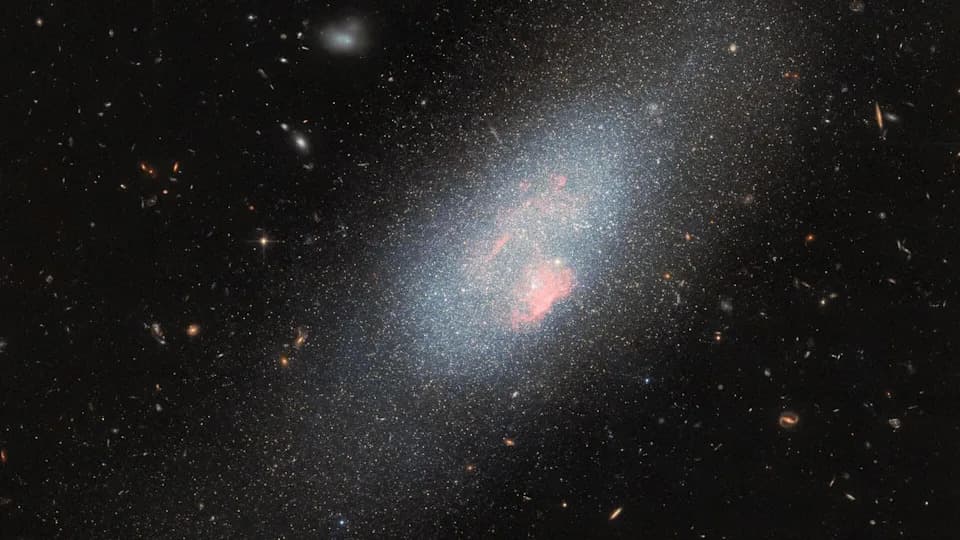
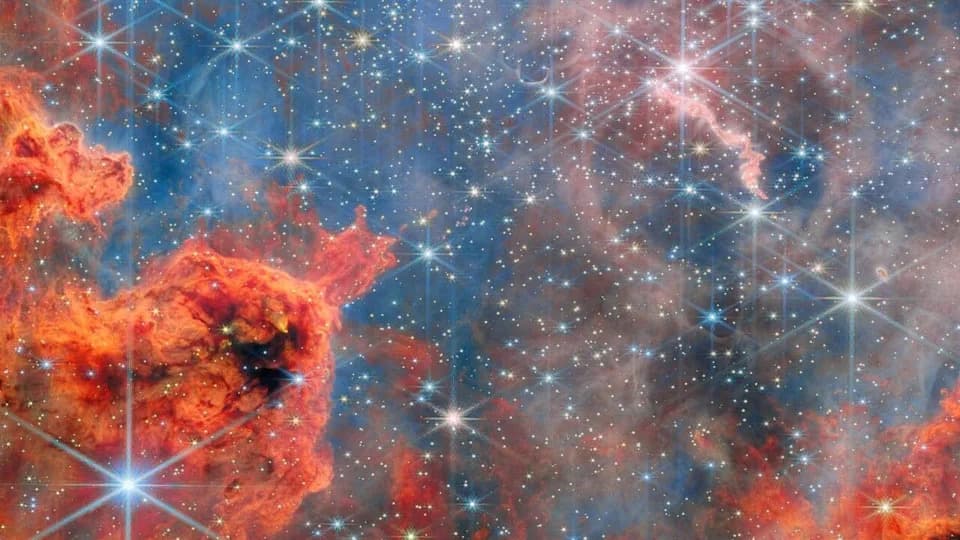
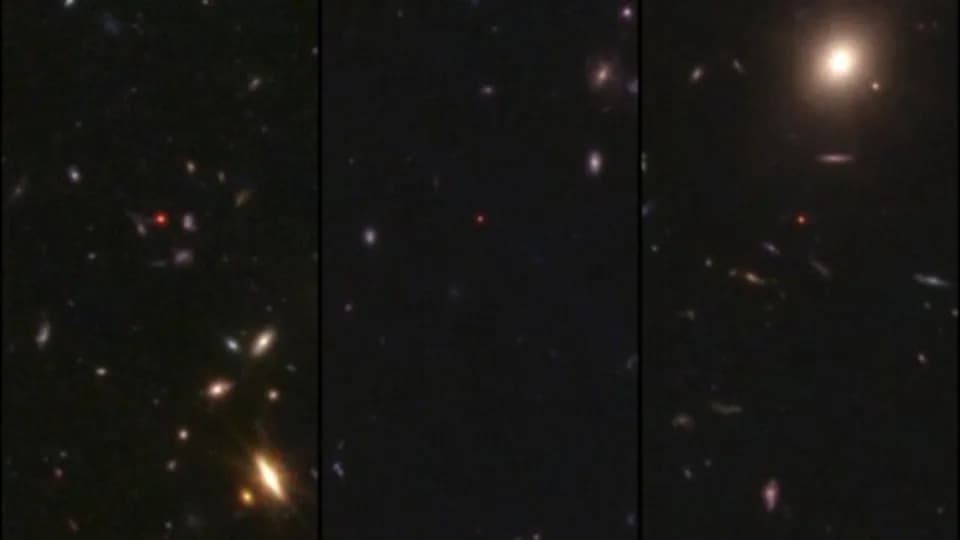
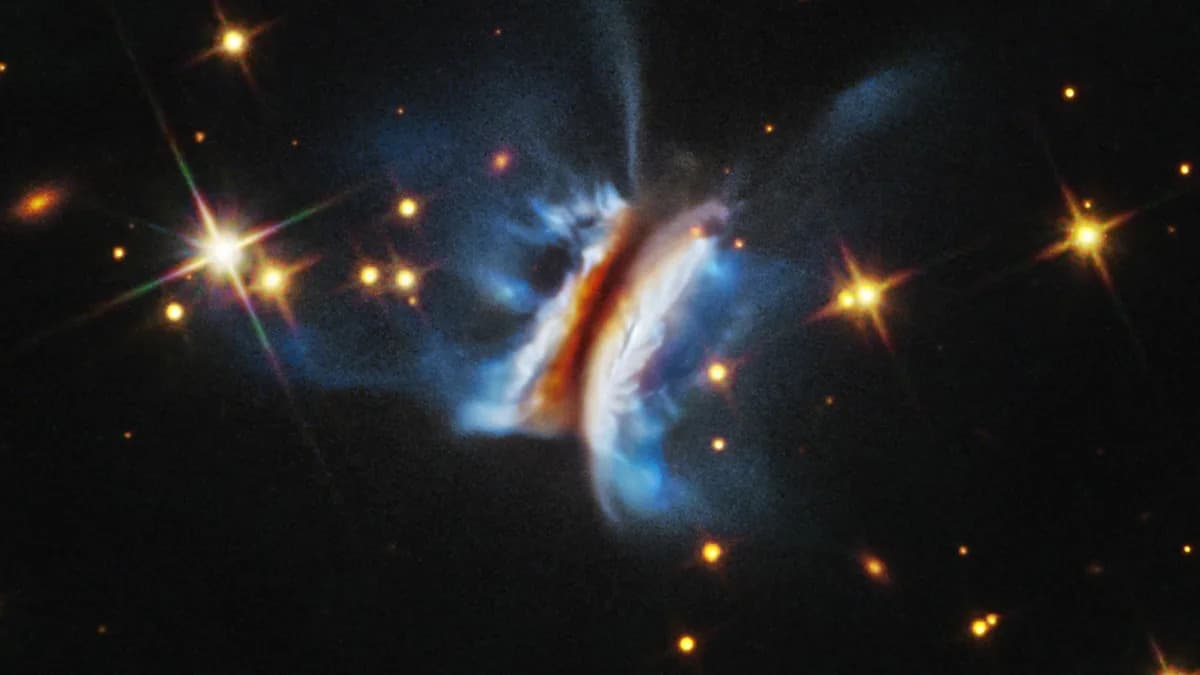
Hubble images released Jan. 16 show three T Tauri stars forming inside the Lupus 3 cloud about 500 light-years away in Scorpius. These young stars (typically under 10 million years old) display variable brightness as stellar winds, radiation and accretion-disk activity remove surrounding material. Gravity will continue to compress their cores until sustained hydrogen fusion begins and they join the main sequence. NASA contrasted these objects with earlier-stage protostars imaged Jan. 14 in the Orion Molecular Cloud Complex (~1,300 light-years away).
Hubble Captures Three Young T Tauri Stars in Lupus 3 — Stellar Growth Caught in Action
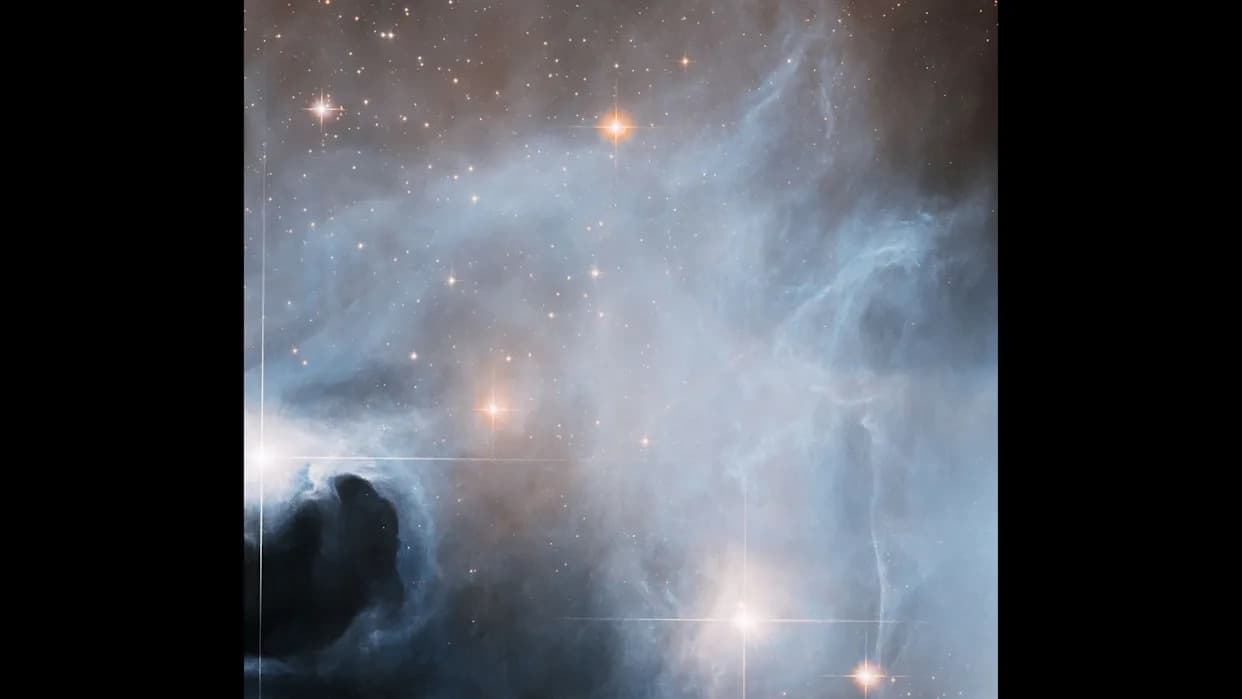
A seemingly serene landscape of gas and dust is hopping with star formation behind the scenes.
NASA's Hubble Space Telescope has imaged three young T Tauri stars forming within the hazy Lupus 3 cloud in the constellation Scorpius. Posted on January 16 as part of the Hubble Stellar Construction Zones series, the photograph shows the trio of T Tauri objects (visible at the bottom right, upper center, and left of the frame) roughly 500 light-years from Earth. Though the scene looks tranquil, the environments around these young stars are highly dynamic.
What Are T Tauri Stars?
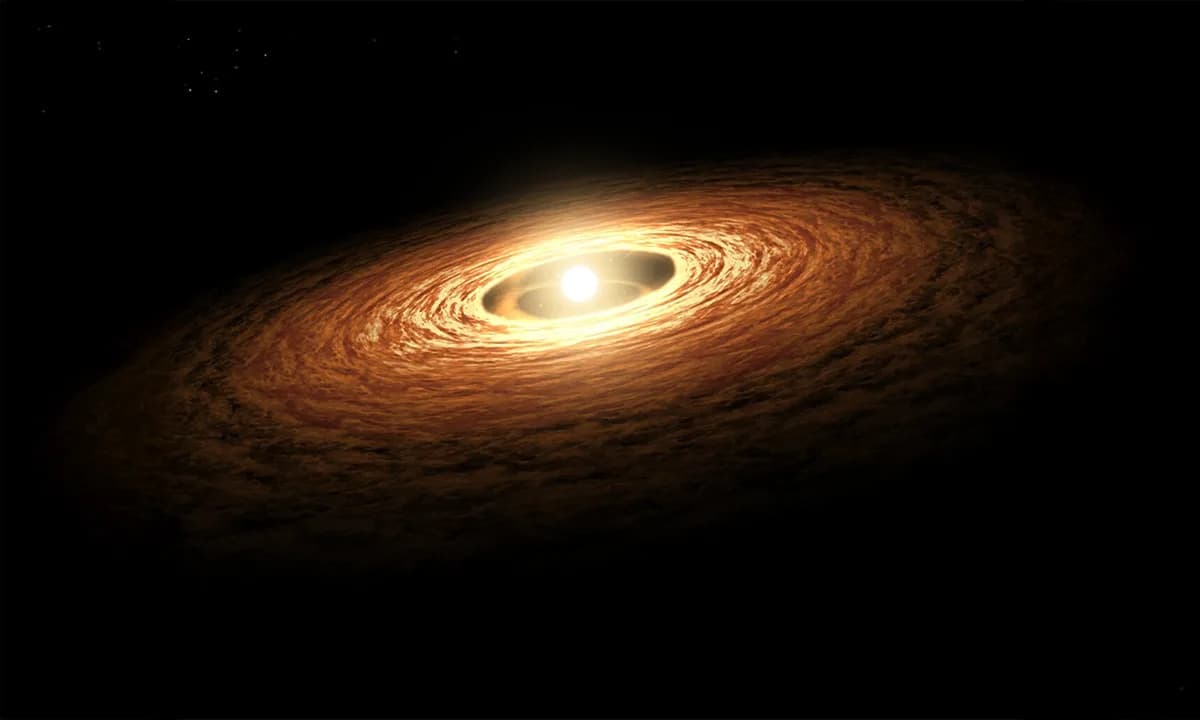
T Tauri stars are very young stellar objects, typically under 10 million years old. They represent a stage after the protostar phase but before stable hydrogen fusion begins in the core. During this phase, strong stellar winds, radiation, and streams of ionized particles blow away surrounding dust and gas. Material in the accretion disk can fall onto the star in bursts, producing irregular brightness changes, while rotating starspots can cause more periodic variations in observed light.
Why These Images Matter
The three T Tauri stars in Lupus 3 are still contracting under gravity and will continue to heat until temperatures and pressures are sufficient to ignite hydrogen (and sustain fusion) in their cores, at which point they join the main sequence. Hubble’s high-resolution view helps astronomers study the interaction between stellar winds, accretion flows, and disk material—processes that shape planet-forming environments and early stellar evolution.
NASA contrasted these T Tauri objects with earlier-stage protostars imaged on January 14 in the Orion Molecular Cloud Complex (about 1,300 light-years away). Those protostars lie deeper in their natal envelopes and display prominent outflow cavities—channels where surrounding gas and dust are being carved away by jets and nearby winds.
These observations provide snapshots of different milestones in star birth: protostars still embedded in thick envelopes, and T Tauri stars shedding that material as they move toward stable, hydrogen-fusing adulthood.
Why It’s Interesting: Studying these stages reveals how stars accumulate mass, clear their surroundings, and set the initial conditions for planet formation—key pieces in understanding how systems like our own Solar System arise.
Help us improve.