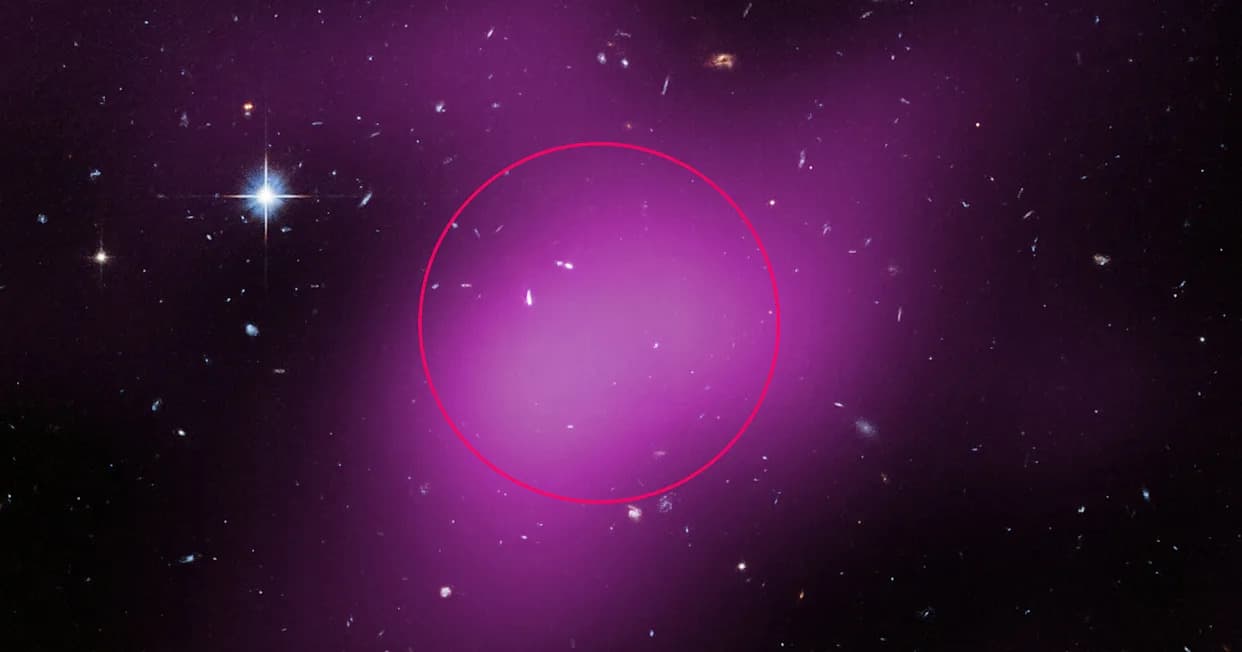
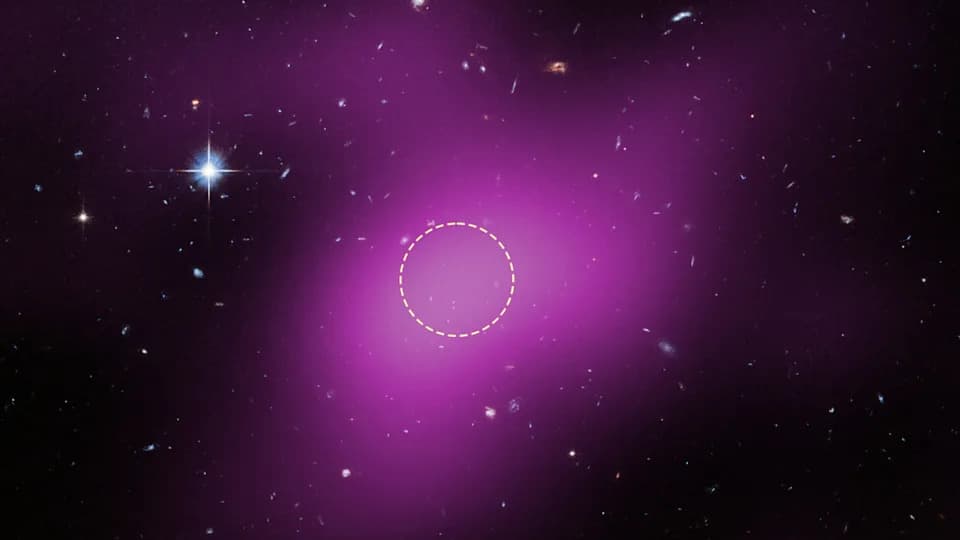
A galaxy cluster named SPT2349-56 has been found to be far hotter than expected when the universe was about 1.4 billion years old—at least five times hotter than models predicted. ALMA observations reveal unusually hot, abundant gas threading roughly 30 active galaxies in the system. Researchers do not yet know what produced the extreme heating; follow-up observations and improved simulations are planned to identify the mechanisms. The finding may reshape ideas about how the largest galaxies and clusters formed in the early cosmos.
Exceptionally Hot Early Galaxy Cluster Challenges Models of Cosmic Evolution
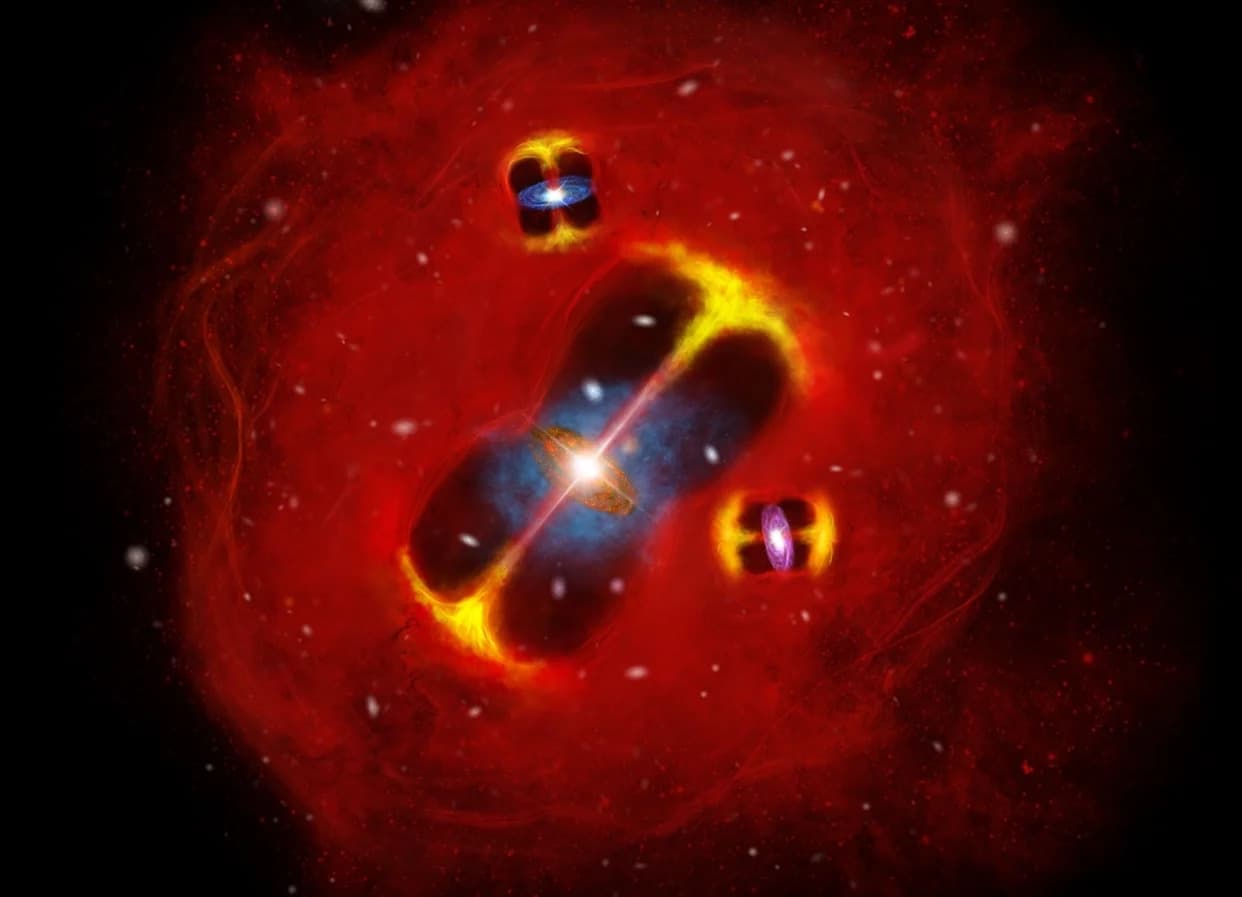
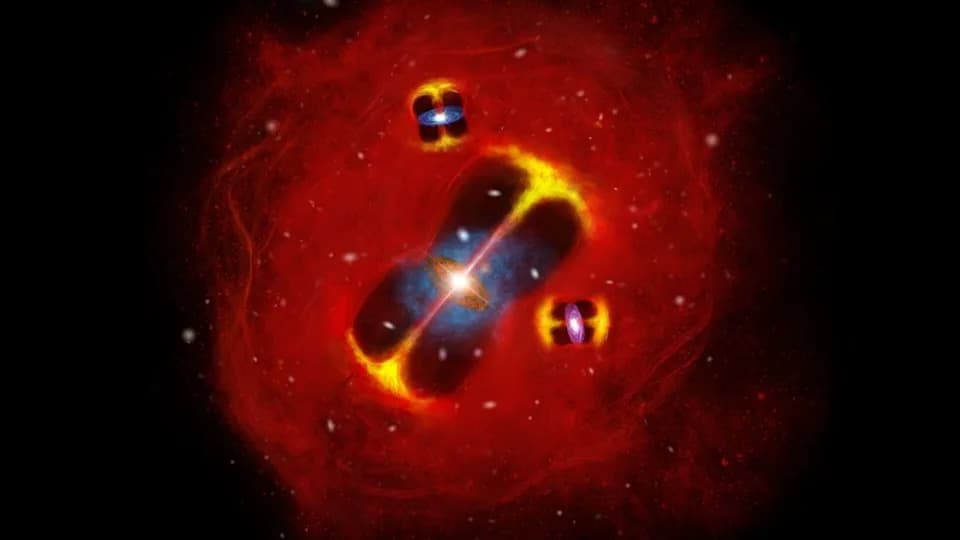
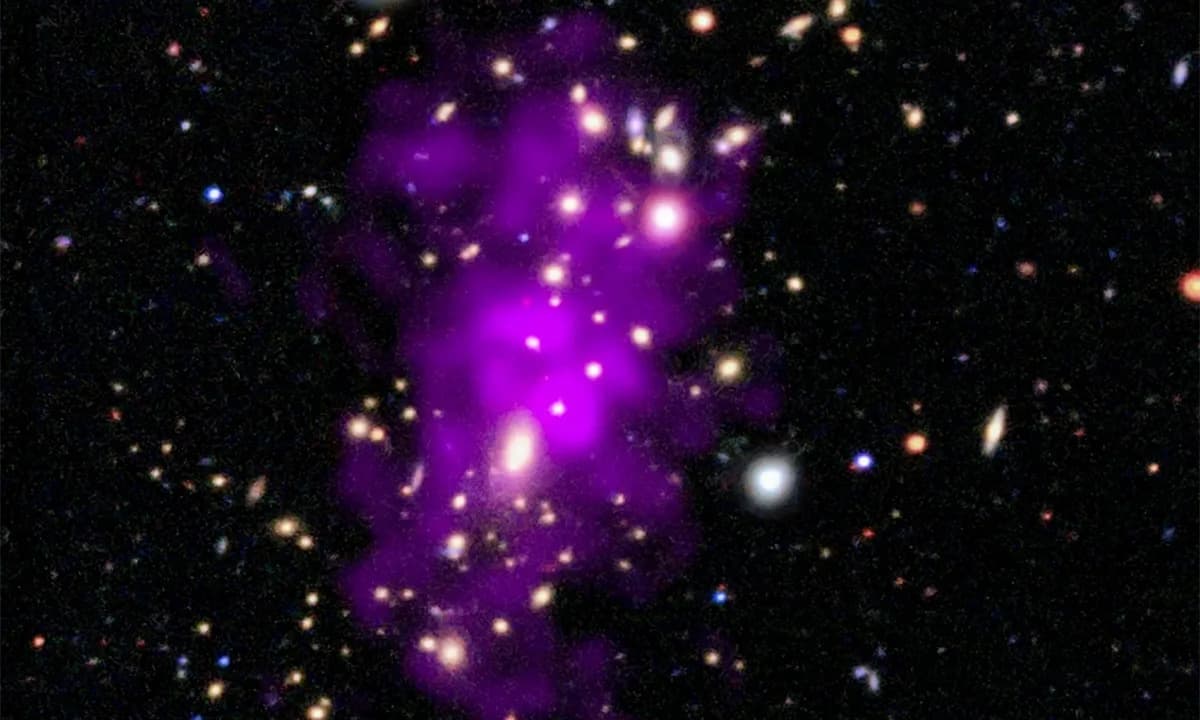
A blisteringly hot galaxy cluster in the early universe has surprised astronomers and could change how we understand the formation of the largest cosmic structures. Observations show that the system known as SPT2349-56 was already extraordinarily hot when the universe was only about 1.4 billion years old—at least five times hotter than theoretical models predicted for that epoch.
Atomic-Scale Heat on a Cosmic Stage
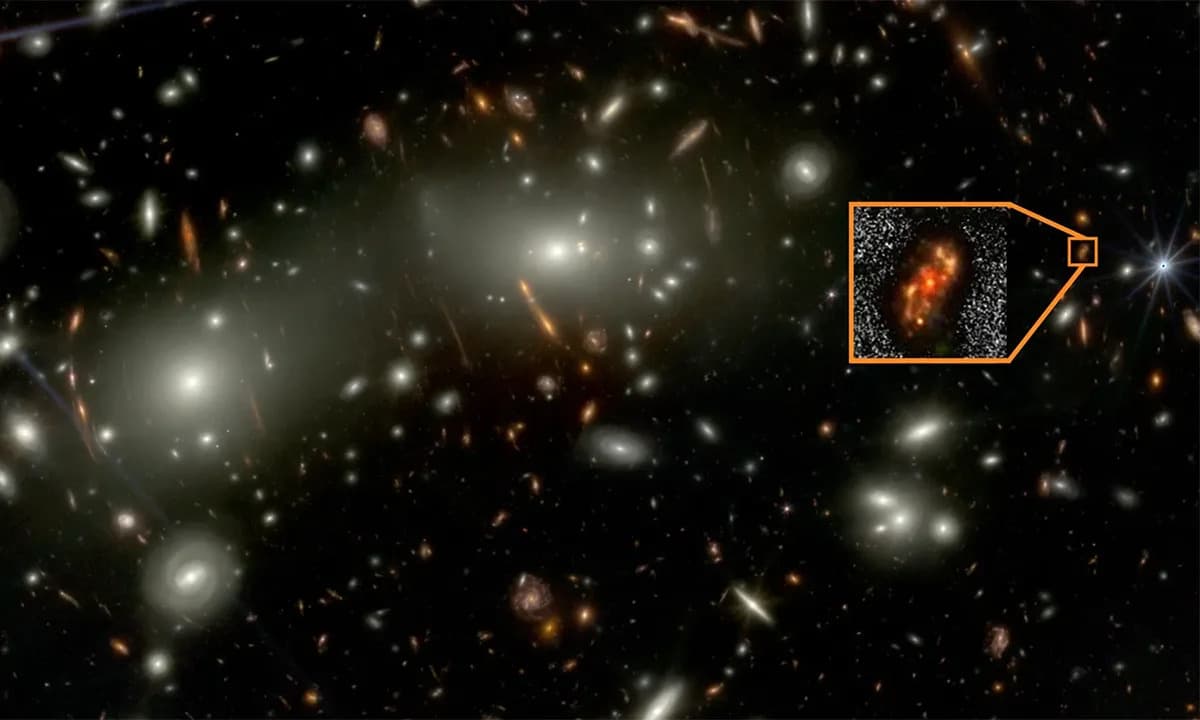
Using the Atacama Large Millimeter/submillimeter Array (ALMA), the research team measured the properties of the diffuse gas threading roughly 30 active galaxies in SPT2349-56. That intra-cluster medium is far hotter and more abundant than expected—temperatures that exceed the surface temperature of the Sun and are much larger than what astronomers typically observe in present-day clusters.
“We did not expect to find such a hot cluster atmosphere so early in cosmic history,” said Dazhi Zhou, a Ph.D. candidate at the University of British Columbia and lead author of the study published in Nature.
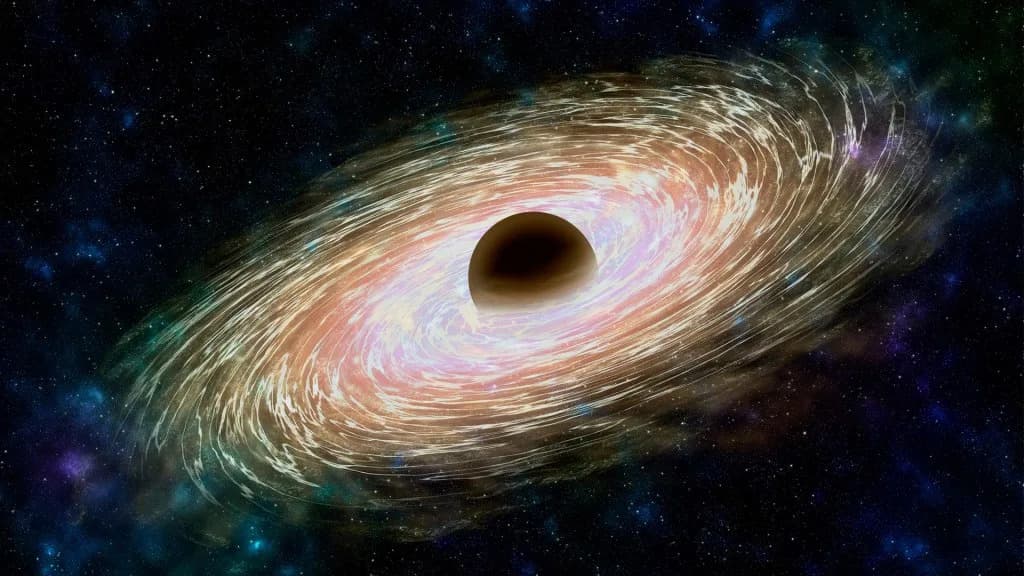
The results imply that vigorous energetic processes—whether from rapid galaxy mergers, intense star formation, growing supermassive black holes, or a combination of mechanisms—may have been more common in the young universe than current models allow. The team does not yet know which heating mechanism dominates; follow-up observations and detailed simulations will be needed to identify the source of the extraordinary heat.
Scott Chapman, a professor at Dalhousie University and co-author of the study, emphasized the broader significance: understanding galaxy clusters is essential to understanding the biggest galaxies in the universe, most of which form and grow inside clusters. This discovery adds a surprising new constraint that theorists must explain.
What’s next: Astronomers plan more ALMA observations, multiwavelength follow-up, and improved numerical models to probe the gas dynamics, energy sources, and assembly history of SPT2349-56 and similar systems.
Help us improve.