As attention turns toward the 2026 midterm elections, social media posts have mischaracterized voter ID rules in New York and California. A widely shared message claimed both states ‘‘banned use of ID to vote’’ and that it is ‘‘illegal to show your ID’’ at the polls. That claim is incorrect.
What was claimed
The viral post asserted that New York and California prohibit voters from presenting identification when casting a ballot, implying that the states prevent voters from using ID to confirm their identity.
What the law and guidance actually say
Neither state bars voters from voluntarily showing identification. Both states have systems that allow voters to present ID when it is necessary to verify or complete registration, but poll workers are instructed not to request ID unless a voter s record indicates it is required.
New York
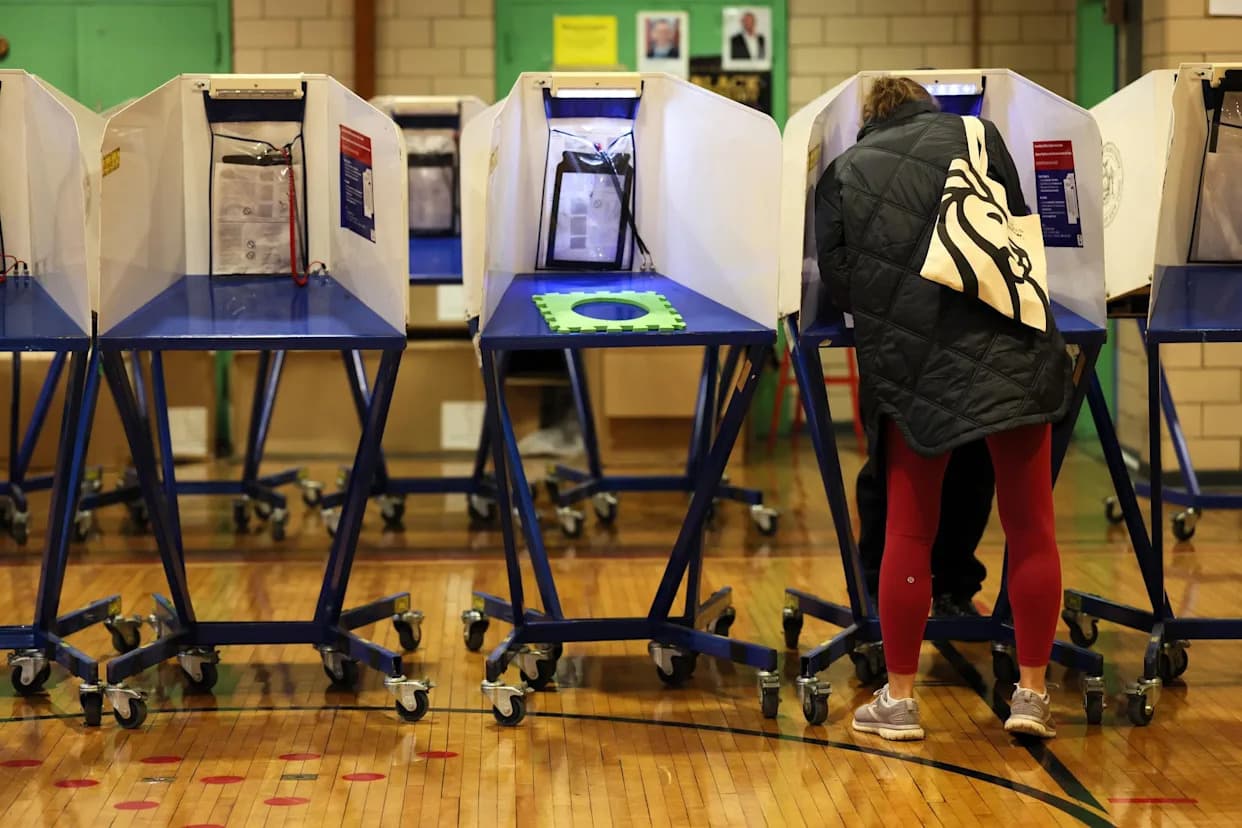
New York s registration form asks registrants to provide a Department of Motor Vehicles number or the last four digits of their Social Security number; voters may also give a valid photo ID or a government document showing name and address (for example, a utility bill). If a voter s identity cannot be verified before Election Day, poll workers will ask for ID at the polls.
“There is nothing unlawful about that voter presenting a form of photo identification at a poll site in addition to fulfilling the signature verification requirement outlined in the state s constitution,” said Kathleen McGrath, a spokesperson for the New York State Board of Elections. She added that some counties allow scanning a license to speed lookups in the e-pollbook, but that scanning cannot be legally required.
California
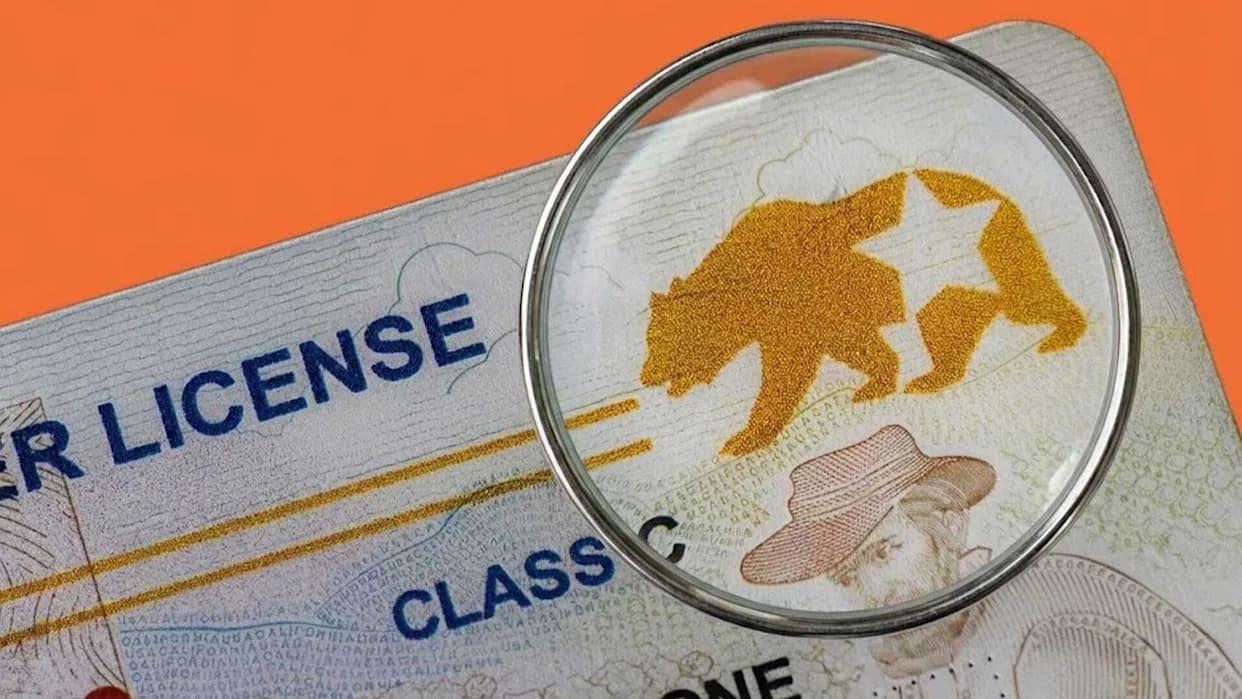
California law likewise does not prohibit a voter from voluntarily presenting identification. If a voter did not provide a driver s license number, state ID number or the last four digits of their Social Security number when registering, a different form of ID is required the first time they vote in a federal election after registering by mail or online. State guidance instructs poll workers not to ask for ID unless the voter list clearly indicates identification is required.
Context on vote-by-mail and polling access
Many active registered voters in both states receive ballots by mail: county election offices automatically mail ballots to active registrants. A large share of voters cast ballots by mail in recent elections, and some counties conduct little or no in-person voting, which affects how often ID must be presented at polling places.
The international graphic in the viral post
The post included an image listing 114 countries said to require ID to register or vote. While many countries do require ID for registration or voting, the graphic omitted or misrepresented some widely known exceptions. For example, in New Zealand, voters can enroll with a signed form and do not need to present ID at the polls; in Australia, voters do not need ID to cast a ballot and may have a registered person vouch for them when enrolling.
Bottom line
The claim that New York and California ban voters from showing identification is false. Both states permit voters to present ID when it is needed to verify registration, and official guidance directs poll workers not to request ID unless records indicate it is required. The viral post misrepresents state rules and overgeneralizes from an international comparison that contains exceptions.
Representatives for the post s author did not respond to requests for comment.