
India is undertaking a vast, fast-paced verification of voter rolls across 12 states and union territories, covering about 500 million people. Tens of thousands of officials, many of them schoolteachers, have been deployed to verify identities and re-enter records by hand. The drive highlights logistical hurdles — migration, name changes and missing identity documents — and has sparked political controversy, with opposition parties alleging targeted exclusions and the government defending the process as restoring accuracy to the roll.
Half a Billion Voters, One List: India’s Race To Verify The World’s Largest Electoral Roll

Cival servants like Ruby Verma (centre) are rushing to verify India's enormous voter database - Esha Mitra/CNN
India has launched an enormous, time-pressured effort to update what officials call the world’s longest voter list: the national electoral roll. Beginning in early November, a verification drive across 12 states and union territories aims to check roughly 500 million records before the next nationwide election cycle. Tens of thousands of government employees — many drafted from other roles such as schoolteachers — have been deployed as Booth Level Officers to verify identities, collect documents and enter data manually.
On The Ground: Long Hours And Small Stipends
At a government school outside New Delhi, teacher Prem Lata described the strain of the work: waking at 5 a.m., calling and visiting households, and often working late into the night. Officers receive a small additional payment of 1,000 rupees (about $11) per month for this task. Many report exhaustion, stress and mounting legal and administrative pressure as they race to meet tight deadlines.
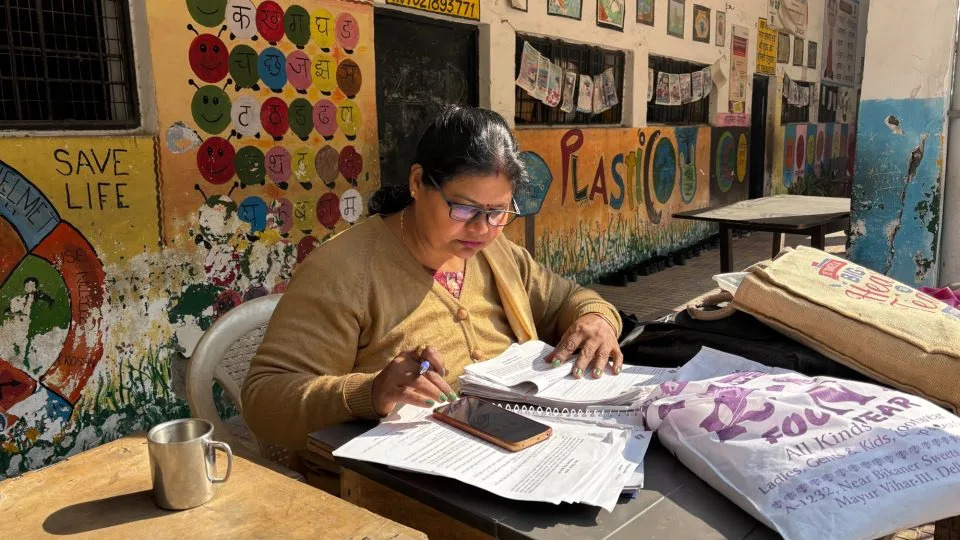
Schoolteacher Prem Lata is one of the over 500,000 government employees that have been pulled in to update India's vast voter list. - Esha Mitra/CNN
Why The Roll Needs Cleaning
Officials say the last comprehensive revision of the roll was in 2003, and since then India has seen massive internal migration, name changes (for example, after marriage), deaths and new voters reaching voting age. Authorities argue the revision is necessary to remove duplicate entries, deceased voters and others who no longer qualify — and to prevent people from voting in more than one place.
Practical Obstacles
The verification process faces major logistical problems: many poorer voters do not possess one of the 12 accepted government identity documents now required for verification; migrants have moved long distances and may not remember previous constituency details; and some electors are simply unaware of or unconvinced by the need for re-verification.
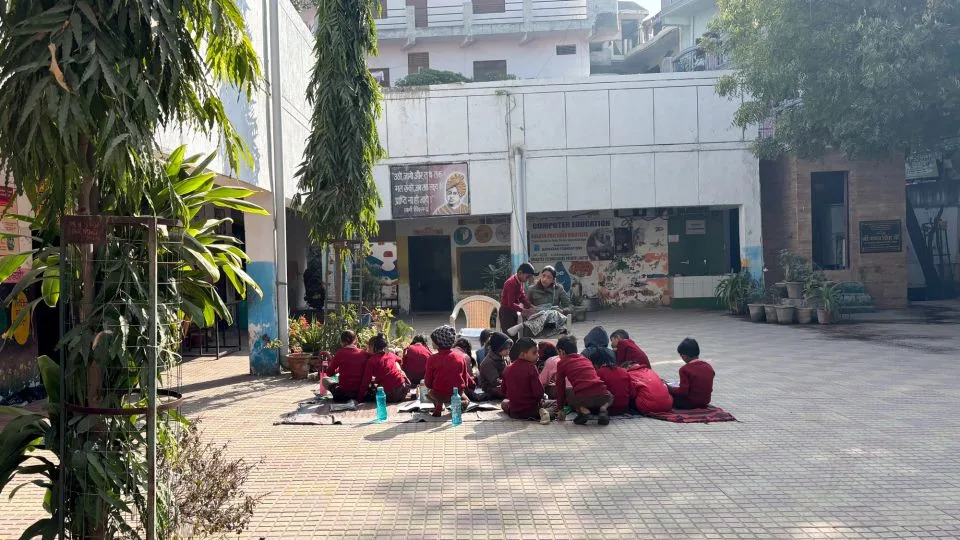
Students at a school in Noida sit in the sun coloring in their notebooks while their teachers update voter lists. - Esha Mitra/CNN
“There’s a lot of stress and pressure… and not enough time,” said Prem Lata, who has verified roughly 600 of 945 assigned voters.
Political Controversy And Legal Challenges
The exercise has drawn intense political scrutiny. Opposition parties and activists allege the ruling Hindu-nationalist government is using the revision to exclude minorities or political rivals — charges the government denies. Draft lists published in December show millions of deletions in several states: for example, West Bengal’s draft removed more than 5.8 million names, many listed as deceased, a decision disputed by the state’s ruling party. Parliamentarians have raised concerns; Home Minister Amit Shah has defended the effort as a legitimate verification of eligible voters.
The verification drive has also sparked legal complaints and, according to data cited in parliament, more than a dozen reported suicides among election workers under stress. Dozens of cases have been filed against Booth Level Officers for alleged negligence.
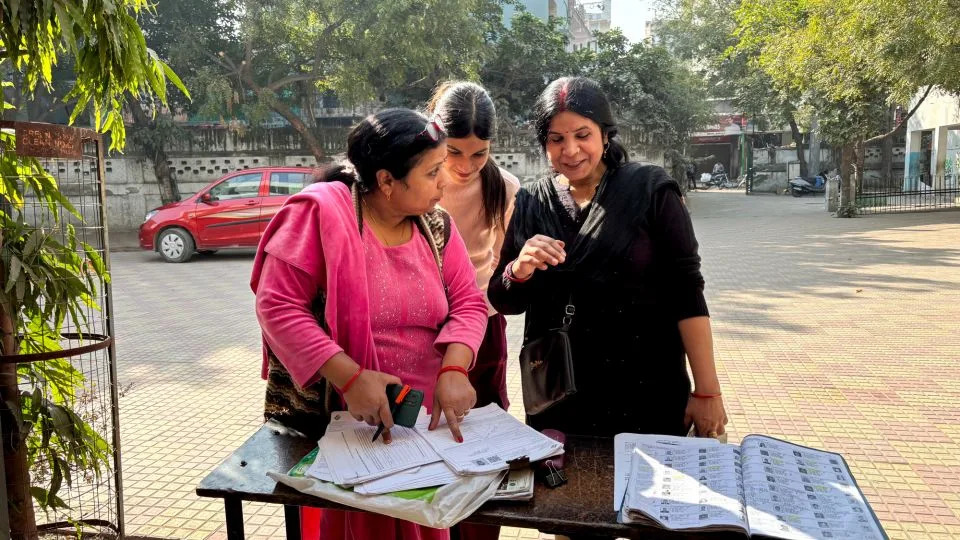
Geeta Rana (R) with her daughter has been trying to make sure her identity as a voter is registered. - Esha Mitra/CNN
Deadlines, Extensions And The Road Ahead
Authorities sought to complete initial verification in just one month, prompting extensions: most states received two deadline extensions, while Uttar Pradesh — India’s most populous state — had its deadline extended four times. Officials say the nationwide revision should be completed well before the next general election, scheduled for 2029. Even after the roll is updated, officers will need to register new voters and return to their regular jobs.
Note: This report was updated to reflect an extension of the deadline in Uttar Pradesh.


