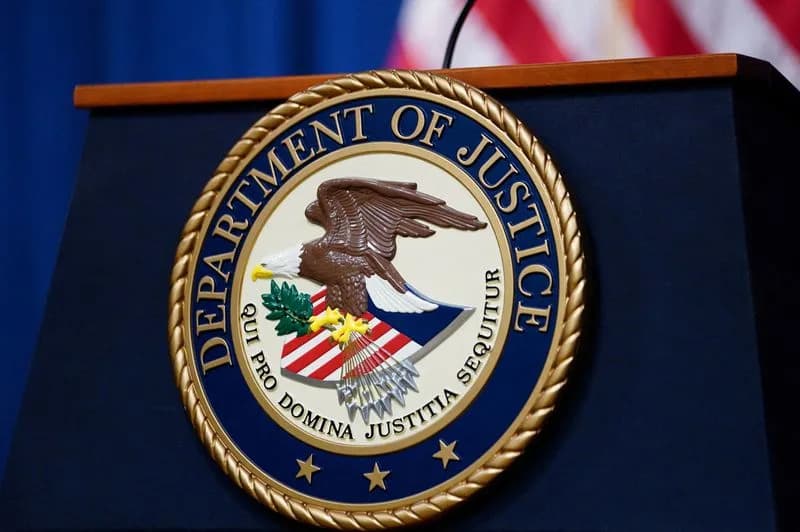
The Justice Department's Civil Rights Division sued Connecticut and Arizona after both states refused requests for detailed voter records, bringing the total number of states sued to 23 plus the District of Columbia. State officials say the demands raise privacy concerns and may conflict with state laws that restrict release of voter information; Arizona Secretary of State Adrian Fontes publicly rejected the request. The Justice Department says it seeks accurate voter rolls and will continue legal action, while Connecticut officials say they sought to cooperate but were met with lawsuits.
Justice Department Sues Connecticut and Arizona Over Requests for Detailed Voter Records
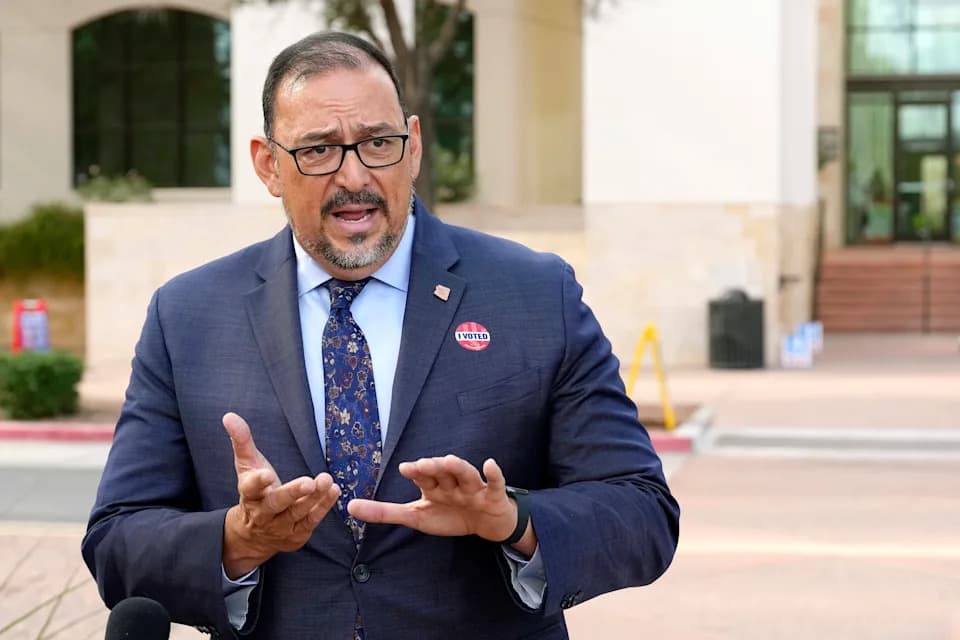
FILE - Adrian Fontes, Arizona Secretary of State, speaks during a news conference after voting on the first day of early in-person voting for the general election at Surprise City Hall, Oct. 9, 2024, in Surprise, Ariz. (AP Photo/Ross D. Franklin, File)(ASSOCIATED PRESS)
Officials in Connecticut and Arizona are defending their refusals to turn over detailed voter records after the U.S. Justice Department's Civil Rights Division filed lawsuits against both states as part of a broader effort to obtain similar data from multiple jurisdictions.
What the Justice Department Sought
The department requested extensive voter information, including names, dates of birth, residential addresses, driver’s license numbers and partial Social Security numbers, along with answers to questions about how states comply with federal voting laws. The inquiries have ranged from routine procedural questions to more specific items tied to perceived inconsistencies identified in a survey by the U.S. Election Assistance Commission.
Why States Are Resisting
State officials resisting the requests say they raise serious privacy concerns and may conflict with state laws that limit what voter data can be released publicly. Arizona Secretary of State Adrian Fontes posted on X, "Pound sand," asserting that releasing the records would violate state and federal law. Several secretaries of state and attorneys general argue they have not received clear explanations for why the Justice Department needs the data or how it plans to use it.
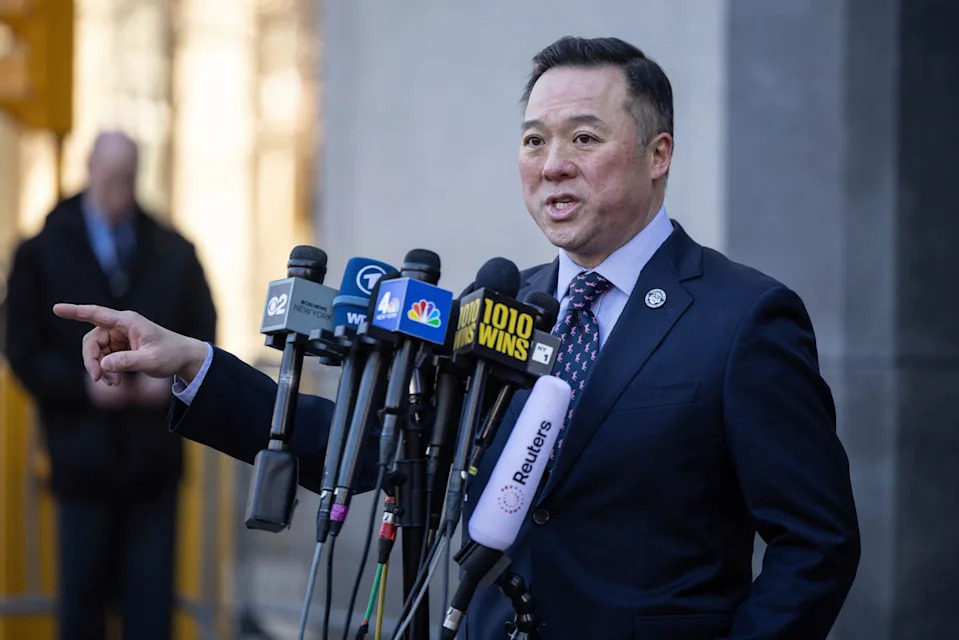
FILE - Connecticut Attorney General William Tong speaks during a news conference outside Manhattan federal court, Feb. 14, 2025, in New York. (AP Photo/Yuki Iwamura, File)(ASSOCIATED PRESS)
Justice Department Position
The Justice Department said it is pursuing the information to help ensure accurate voter rolls and said it will continue legal action when states do not comply. The department has now sued 23 states and the District of Columbia in its effort to obtain the requested records.
Responses and Political Context
Connecticut Attorney General William Tong, a Democrat, said his office tried to "work cooperatively" with the Justice Department to understand the legal basis for the requests but that federal officials "rushed to sue." Tong pledged that Connecticut "takes its obligations under federal laws very seriously" and would "vigorously defend the state against this meritless and deeply disappointing lawsuit."
Most of the lawsuits have targeted states led by Democrats. Last fall, 10 Democratic secretaries of state wrote to the Justice Department and the Department of Homeland Security after DHS said it had received voter data and planned to enter it into a federal program used to verify citizenship status—raising additional concerns about how the data might be used.
Two Republican state senators in Connecticut welcomed the federal lawsuit, pointing to a recent absentee ballot scandal in Bridgeport and saying the state had become a "national punchline."
Bottom line: The dispute pits the federal drive to review and verify voter rolls against state privacy protections and legal limits on releasing voter information. Expect further litigation and legal argument over both the scope of the requests and how the data would be handled.
Help us improve.