A federal judge in Santa Ana dismissed a DOJ lawsuit seeking detailed voter files for about 23 million California voters, calling the request "unprecedented and illegal." In a 33-page ruling, Judge David O. Carter said the executive branch cannot unilaterally seize authority over elections and warned that centralizing sensitive voter data could chill registration and threaten voting rights. The DOJ has sued 23 states and D.C. seeking detailed records, prompting concerns from state officials about data sharing and privacy.
Judge Calls DOJ Request 'Unprecedented and Illegal,' Dismisses Suit Seeking Detailed Voter Files for 23 Million Californians
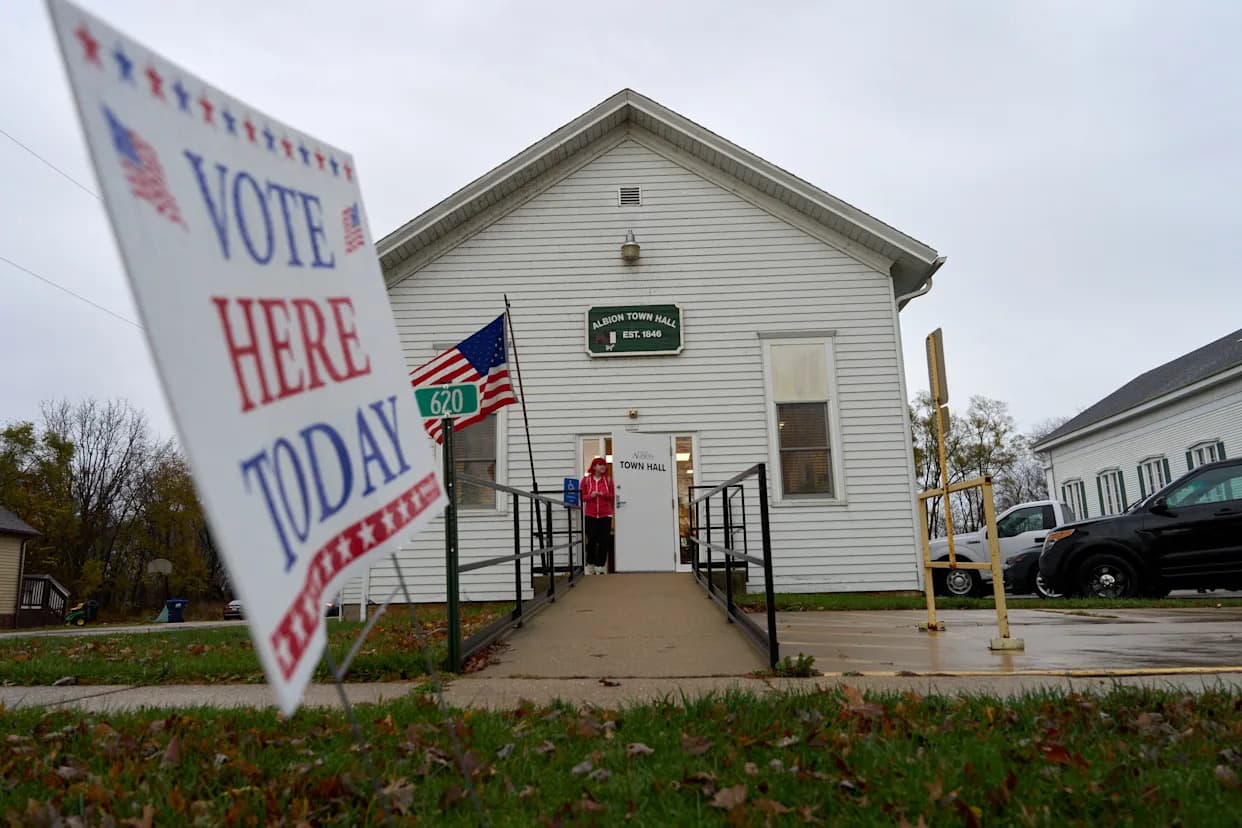
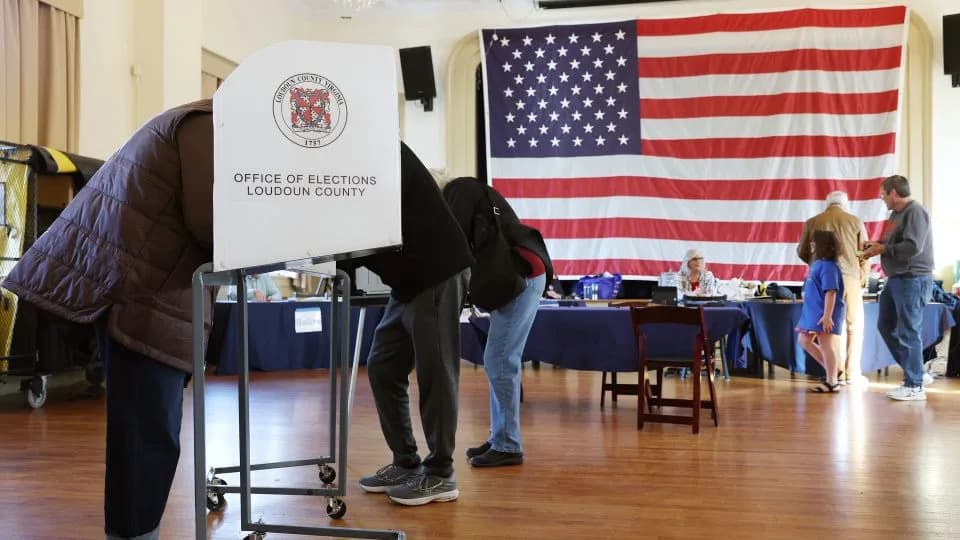
FILE - A voter leaves Albion Town hall after casting their ballot on Election Day, Nov. 5, 2024, in Albion, Wis. (AP Photo/Kayla Wolf, File)(ASSOCIATED PRESS)
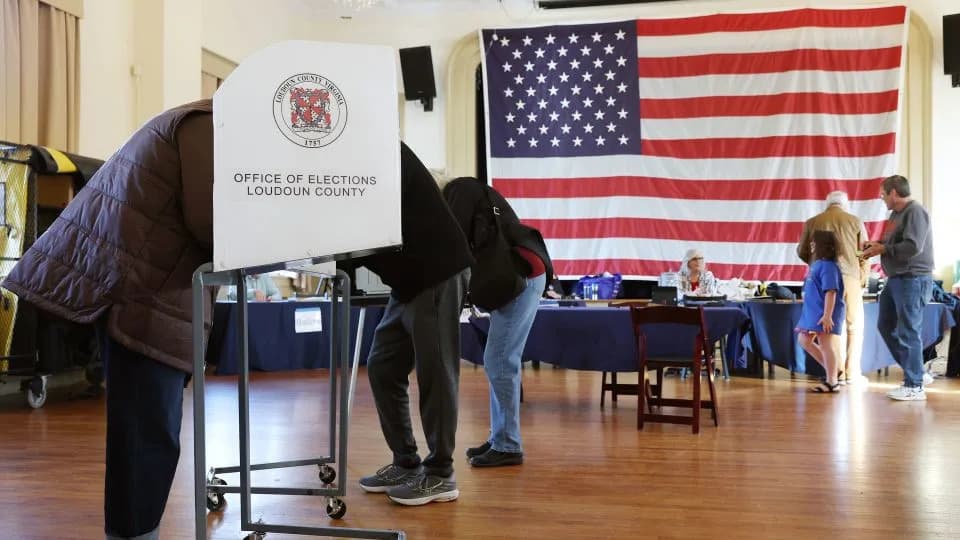
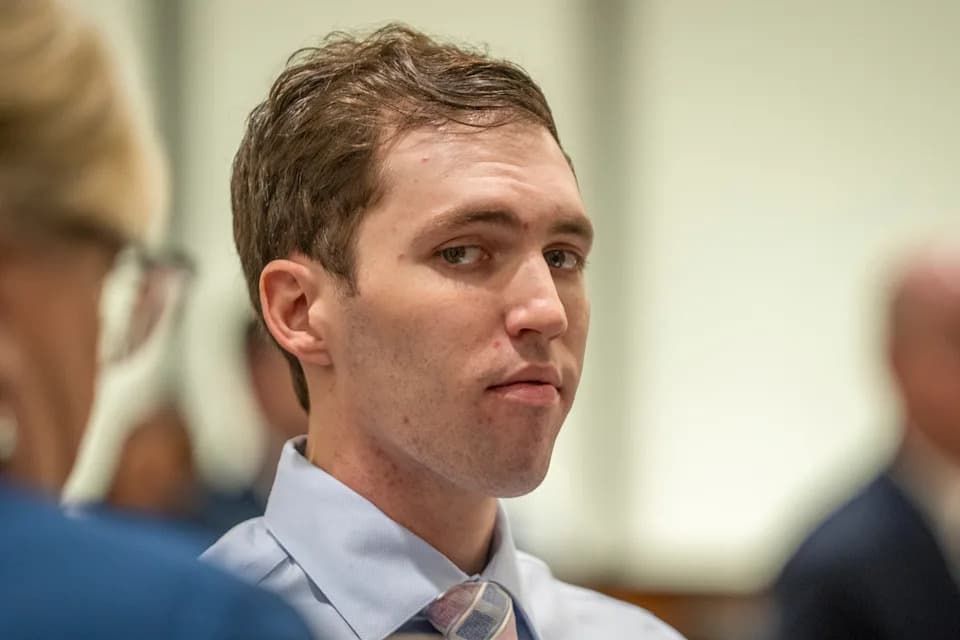
SANTA ANA, Calif. — A federal judge on Thursday dismissed a U.S. Department of Justice lawsuit that sought detailed voting records and other personal information for roughly 23 million registered California voters, calling the federal demand "unprecedented and illegal."
In a 33-page opinion, U.S. District Judge David O. Carter in Santa Ana ruled that the executive branch may not "unilaterally usurp the authority over elections." He warned that efforts to collect and centralize sensitive voter information would chill registration and participation and could threaten "the right to vote which is the cornerstone of American democracy."
"There cannot be unbridled consolidation of all elections power in the executive (branch) without action from Congress," Carter wrote. "This is antithetical to the promise of fair and free elections."
The Justice Department did not immediately respond to a request for comment. The agency has argued that some states failed to adequately explain how they maintain voter rolls and has filed suits against 23 states and the District of Columbia seeking detailed voter files that include names, dates of birth, residential addresses, driver's license numbers and partial Social Security numbers.
State election officials raised questions about how the DOJ would use and protect such information. Last fall, several state secretaries of state sent a letter to federal officials expressing concern about reports that state voter data might be shared with the Department of Homeland Security.
U.S. Citizenship and Immigration Services, part of DHS, operates programs that check immigration and citizenship status — a point state officials said heightened worries about potential misuse or exposure of personal data.
California Secretary of State Shirley Weber, the state's top elections official, said California would "continue to challenge this administration's disregard for the rule of law and our right to vote." Her office has repeatedly defended state controls over voter-file privacy and security.
The ruling is likely to shape ongoing disputes between the federal government and state election officials over access to voter-registration data and the balance of authority in administering elections.
Help us improve.