Texas A&M students are digitizing the archive of John Charles, former chief scientist of NASA's Human Research Program, to create an aerospace medicine library. Chancellor has acquired 27 boxes so far and is converting a conference room to store and catalog the materials for researcher access. The collection spans Charles' NASA career (1983–2018) and includes mission notes, Apollo-era footage, floppy disks and documents from the Manned Orbiting Laboratory. Researchers, including from industry, are already using the archive to analyze physiological data and mission artifacts, and the team plans to expand the collection.
Preserving Liftoff: Texas A&M Students Digitize John Charles' NASA Archive for New Aerospace Medicine Library

A stray floppy disk made Caroline Anderson pause as she worked through decades of materials collected by John Charles, former chief scientist of NASA's Human Research Program. Anderson, a biomedical sciences student, joined fellow Texas A&M students Madelyn Pham and Himaja Tummuru to digitize yellowing newspapers, printed emails, old photos, VHS tapes and other artifacts that document a lifetime of aerospace research.
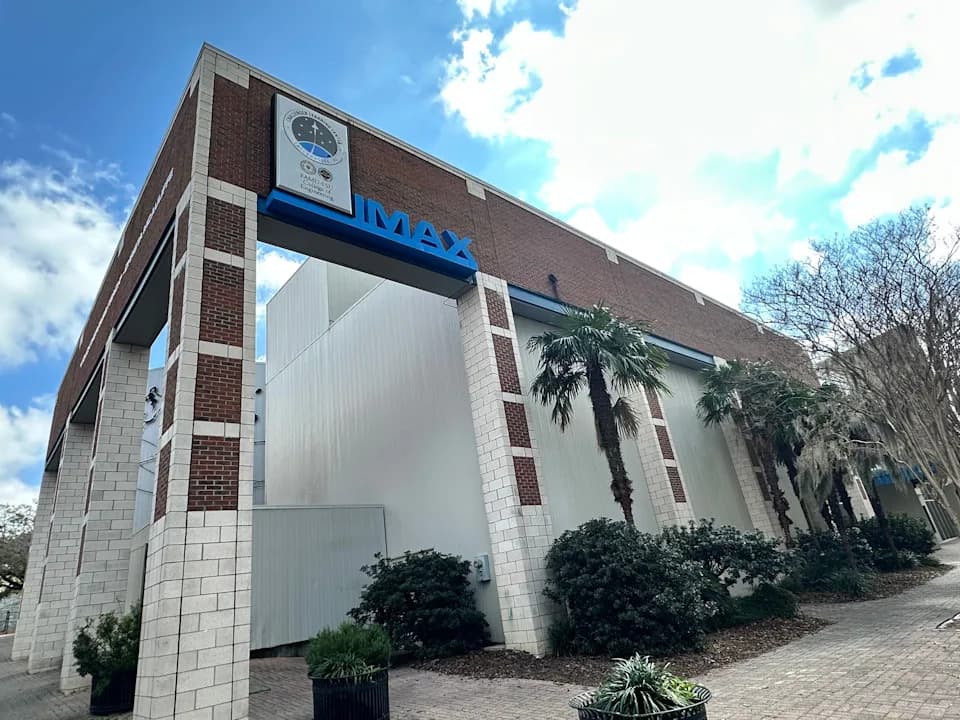
Jeffery Chancellor, director of the Texas A&M Aerospace Medicine Program, is leading the effort to convert the collection into an operational aerospace medicine library. Chancellor has received 27 boxes so far — roughly half of Charles' archive — and is transforming a university conference room into a climate-controlled space where the materials will be cataloged and made available to researchers.
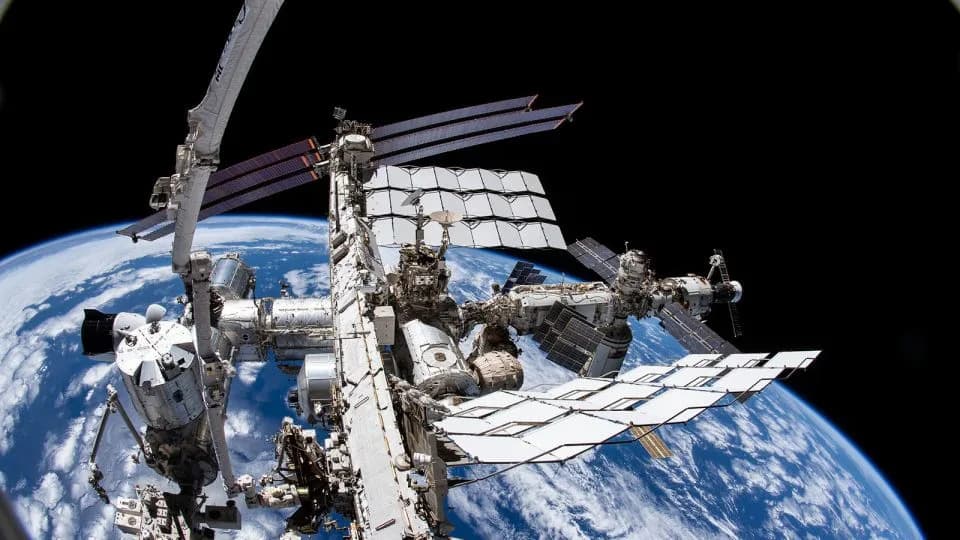
Charles worked at NASA from 1983 until 2018. His contributions included developing techniques to help astronauts recover from postflight faintness. He served as mission scientist on STS-95, the flight that returned John Glenn to space, and on STS-107, the Columbia mission that disintegrated on reentry. Charles also played a significant role in the NASA Twins Study, which compared astronaut Scott Kelly's time aboard the International Space Station with his twin brother Mark Kelly on Earth.
Beyond mission reports and technical notes, the boxes reveal the personal side of a career scientist: journals, printed emails, film and photos, Apollo 11 footage and documents from the 1960s Manned Orbiting Laboratory program. Robert Pearlman, founder and editor of the space-history site collectSPACE, called Charles a devoted aerospace historian whose careful collecting helps fill gaps left by pre-internet records.
Students rediscovered unexpected details while digitizing the collection. Anderson was drawn to Charles' early journal entries from 1983–1985, printed on whatever paper was at hand — junk mail or church flyers — showing how his personal and professional lives overlapped. Tummuru found science-fiction CDs among the technical media. Pham noted how printed correspondence reveals Charles' problem-solving process and the network of people he contacted.
Chancellor says the archive already supports contemporary research. A researcher at Blue Origin is cataloging physiological measurements — blood pressure, temperature, heart rate, respiratory rate and more — across the history of human spaceflight, and photographs in the collection have clarified spacesuit details for specific missions. Chancellor plans to expand access and to approach other flight surgeons and physician-astronauts about preserving their notes.
"There's a lot of NASA history tucked away in garages and storage units," Chancellor said. "Bringing these materials into an archive preserves institutional memory and makes it usable for future science and historical study." The project blends historical artifacts with modern research needs, creating a resource that connects past discoveries to ongoing work in aerospace medicine.
Help us improve.