NASA Administrator Jared Isaacman has paused plans to move Space Shuttle Discovery from the Smithsonian's Udvar-Hazy Center after officials concluded that transporting the orbiter intact would cost $120–$150 million — far more than the $85 million Congress allocated. The two Shuttle Carrier Aircraft are museum pieces, leaving disassembly and shipment as the only practical transport option, which would irreparably damage Discovery. Texas senators opened an inquiry after the museum described these challenges, and experts warn the disagreement highlights the need for congressional clarification to avoid setting a precedent for forced transfers of Smithsonian artifacts.
NASA Pauses Plan To Move Space Shuttle Discovery After Cost, Logistics Concerns

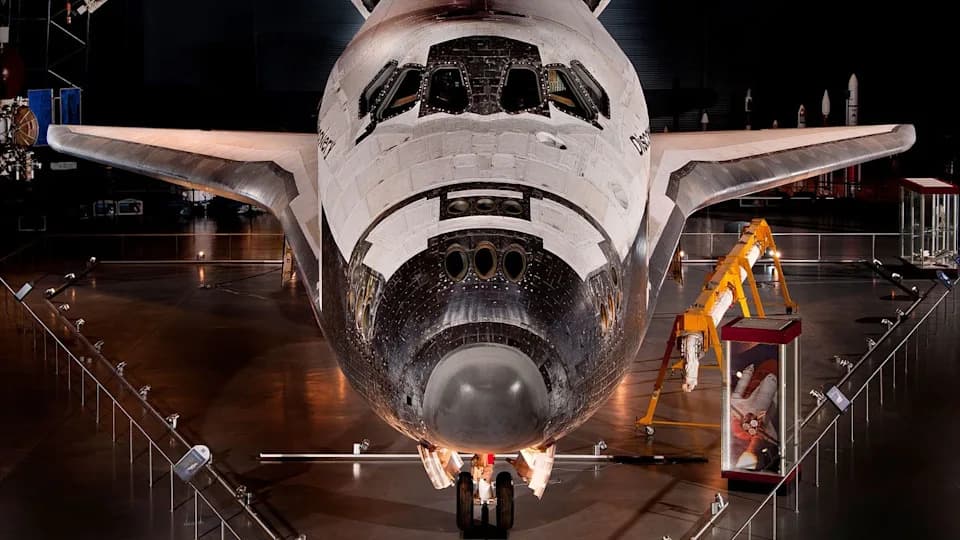
Space Shuttle Discovery on display at the Smithsonian Udvar-Hazy Center - Vlad G/Shutterstock
Space Shuttle Discovery is likely to remain on display at the Smithsonian's Steven F. Udvar-Hazy Center after NASA's new administrator, Jared Isaacman, paused plans to relocate the orbiter to Texas. Agency and museum officials say the physical and financial challenges of moving Discovery intact outweigh the budget Congress allocated, prompting a halt while alternatives are evaluated.
Why The Move Was Proposed
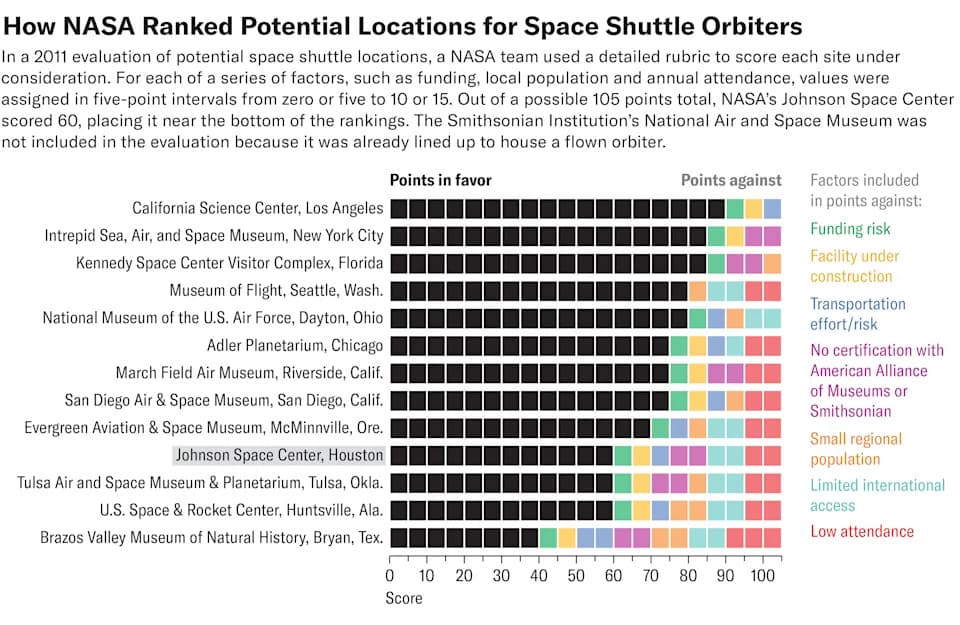
A provision in last year's so-called "Big Beautiful Bill" has been interpreted to require that a vehicle that "has flown into space" and "has carried astronauts" be transferred to an Administration field center involved in the Commercial Crew Program and then put on public exhibition within that field center's metropolitan area. Because the relevant field center is based in the Houston, Texas, area, the provision was widely understood to target Discovery.
Costs, Logistics, And Preservation Risks
NASA and the Smithsonian have concluded that moving Discovery intact would be far more expensive and risky than lawmakers anticipated. Space.com reports that transporting the orbiter without damage would cost an estimated $120–$150 million — well above the $85 million Congress set aside for both the transfer and construction of a new exhibit facility in Texas. The two Boeing 747 Shuttle Carrier Aircraft that once transported orbiters are now themselves immobile museum exhibits, leaving disassembly and shipment by land and sea as the only practical option. Smithsonian and NASA officials warn that cutting the orbiter into sections for transport would cause irreparable damage to the vehicle and to its historic integrity.
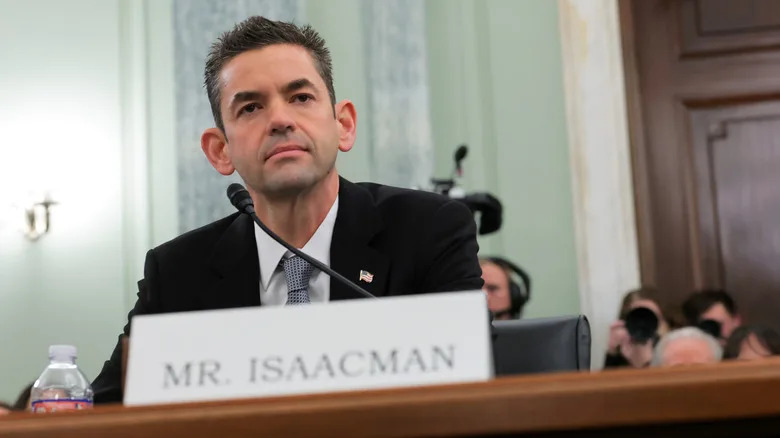
NASA Administrator Jared Isaacman at his confirmation hearing - Anna Moneymaker/Getty Images
Political Response And Inquiry
Texas Senators Ted Cruz and John Cornyn pressed for the transfer and subsequently opened an inquiry into the Smithsonian after museum officials described the logistical and budgetary obstacles. The senators have argued the museum should implement the statute; Smithsonian officials have replied that moving Discovery as required would likely destroy the artifact.
"My job now is to make sure we can undertake such a transportation within the budget dollars we have available and, of course, most importantly, ensuring the safety of the vehicle," Administrator Jared Isaacman told FOX 5 DC. The comment signals a preference for preserving Discovery intact while respecting statutory obligations.
Potential Alternatives And Bigger Implications
The law's broad language gives NASA and the Smithsonian some flexibility. The Smithsonian's Human Spaceflight collection includes many Mercury, Gemini and Apollo artifacts that technically meet the bill's criteria and could be moved to Houston within the existing budget — but none of these would be a Space Shuttle orbiter. That practical workaround highlights the tension between complying with the statute's letter and preserving historically significant artifacts.
Beyond the immediate custody question, experts and museum officials say this dispute raises a broader concern: whether Congress or the executive branch can compel transfer of Smithsonian artifacts and thereby set a precedent for federal control over museum collections. Many observers argue that resolving such a conflict should require congressional clarification rather than ad hoc decisions by agencies or museum administrators.
Current Status
For now, Isaacman has paused the relocation plan while NASA and the Smithsonian review options that protect Discovery's preservation. The dispute may ultimately prompt lawmakers to revisit the statute's language to balance legal requirements with conservation and public-history responsibilities.
Help us improve.