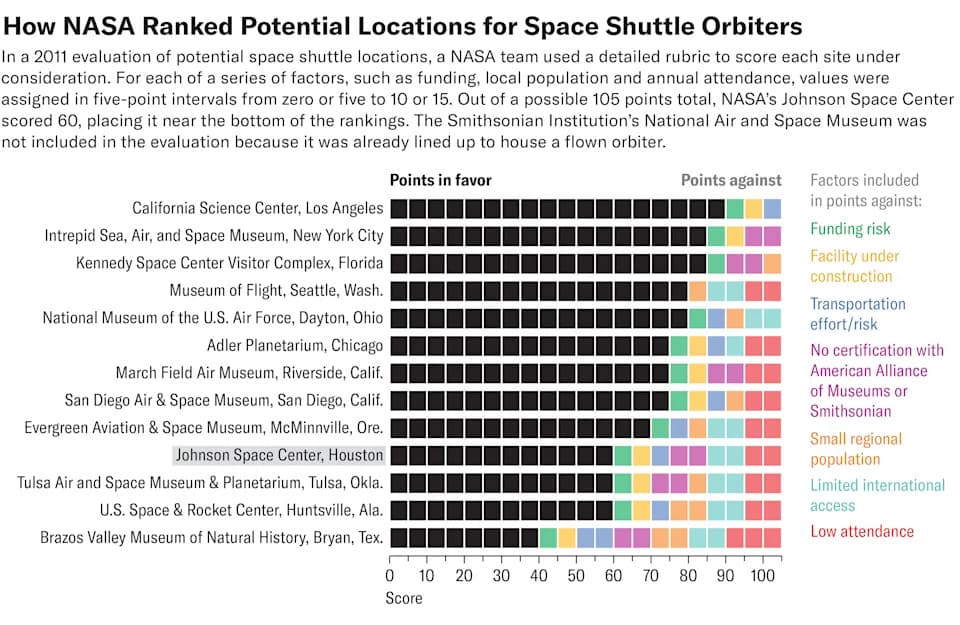
NASA Administrator Jared Isaacman cautioned that relocating space shuttle Discovery to Houston faces legal, technical and budgetary barriers. The orbiter was gifted to the Smithsonian in 2012, and Congress allocated $85 million while the Smithsonian estimates the move could cost up to $150 million. Discovery’s size and the retirement of Shuttle Carrier Aircraft complicate transport and may require risky disassembly. If the shuttle cannot be moved safely, NASA may instead display an Artemis moon spacecraft at Johnson Space Center.
NASA Says Discovery’s Move To Houston Is Uncertain — Artemis Mooncraft Could Fill the Gap
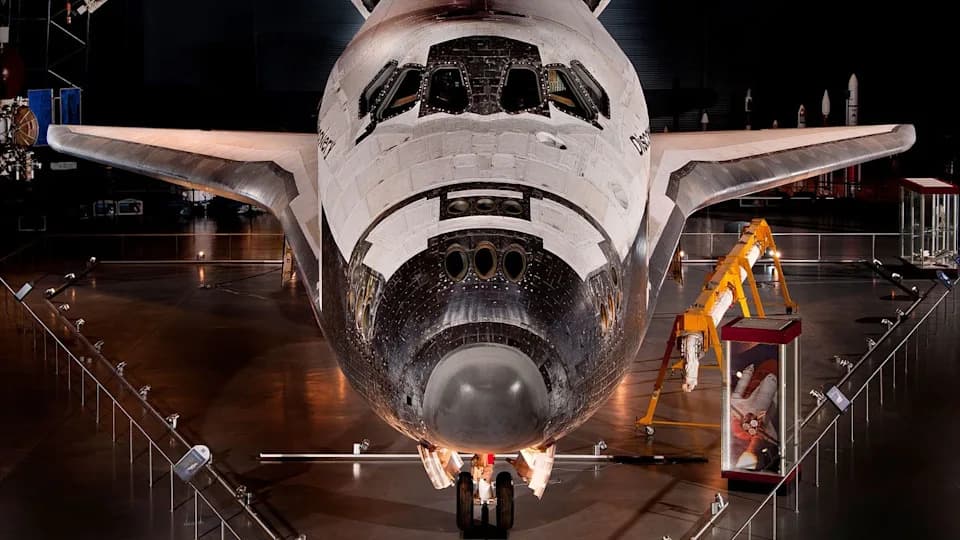
Space shuttle Discovery on display at the Smithsonian Air and Space Museum's Steven F. Udvar-Hazy Center in Virginia. | Credit: Smithsonian/Dane Penland
NASA Administrator Jared Isaacman warned that plans to relocate space shuttle Discovery to Houston face significant legal, safety and budget hurdles — and that the Johnson Space Center might instead receive a modern Artemis spacecraft if Discovery cannot be moved safely and affordably.
Background
The proposal to transfer Discovery from the Smithsonian National Air and Space Museum’s Steven F. Udvar-Hazy Center in Virginia to Houston was championed by Texas senators Ted Cruz and John Cornyn. Their amendment was included in the so-called One Big Beautiful Bill, which set aside $85 million for the move. Discovery, NASA’s most-flown orbiter, flew 39 missions between 1984 and 2011.
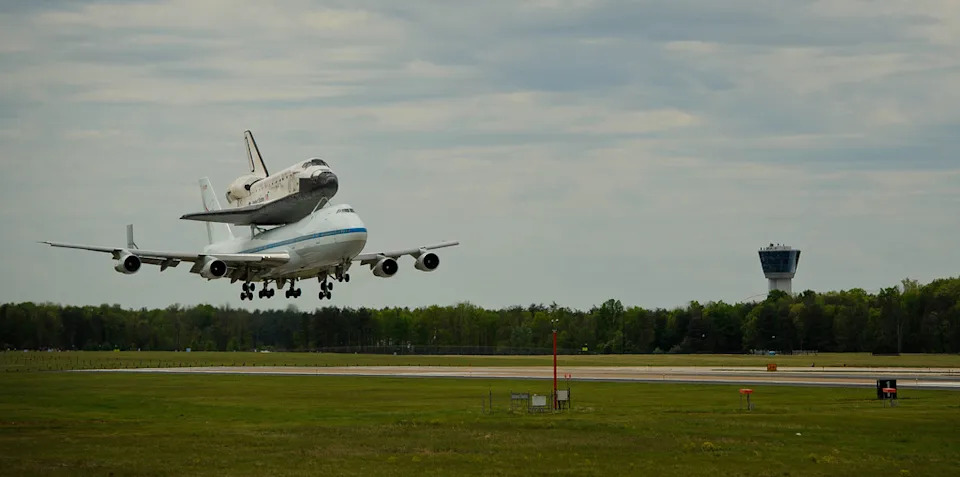
Space Shuttle Discovery mounted atop a 747 Shuttle Carrier Aircraft (SCA) approaches the runway for landing at Washington Dulles International Airport, Tuesday April 17, 2012, in Sterling, Va. NASA's shuttle carrier planes are now retired. | Credit: NASA/Paul E. Alers
Legal And Financial Obstacles
Moving Discovery is not straightforward. The orbiter was formally gifted to the Smithsonian in 2012, so any transfer would require the federal government to reclaim the vehicle. Although Congress earmarked $85 million for relocation, Smithsonian officials estimate the move alone could cost up to $150 million — not counting the cost to build or adapt a display facility in Houston.
Technical And Preservation Concerns
Discovery is a large, delicate artifact: about 122 feet (37.2 meters) long with a 78-foot (23.8-meter) wingspan. NASA originally ferried orbiters on modified Boeing 747 Shuttle Carrier Aircraft and used cranes to lower them into place. Both Shuttle Carrier Aircraft have since been retired, and Smithsonian staff have warned that any overland transport could require partial disassembly, increasing the risk of damage to the historic vehicle.
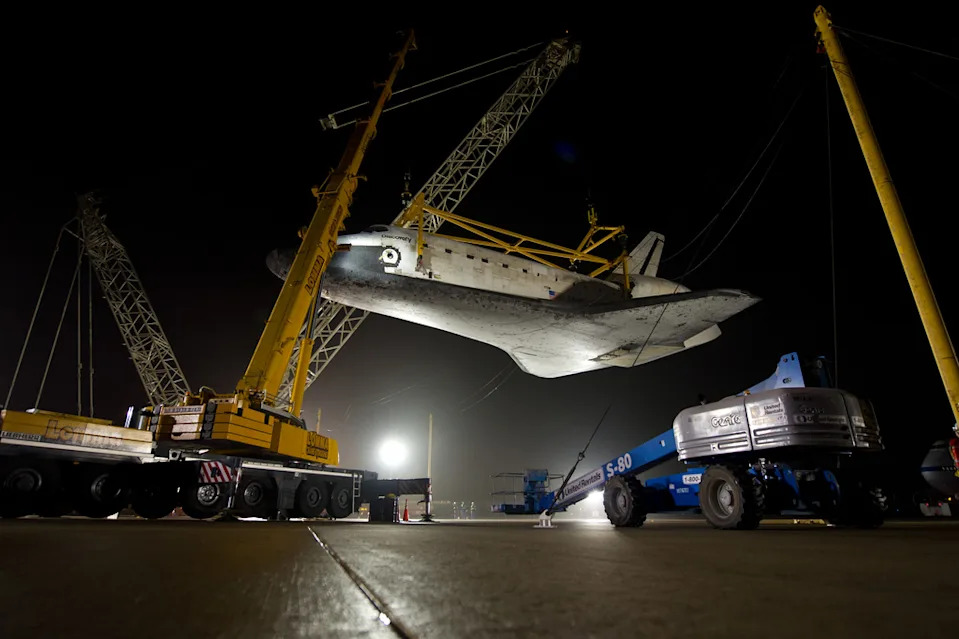
Space shuttle Discovery on display at the Smithsonian Air and Space Museum's Steven F. Udvar-Hazy Center in Virginia. | Credit: NASA/Bill Ingalls
What Isaacman Said
"My predecessor has already selected a vehicle," Isaacman told CNBC, referring to Transportation Secretary Sean Duffy. "My job now is to make sure that we can undertake such a transportation within the budget dollars that we have available and, of course most importantly, ensuring the safety of the vehicle."
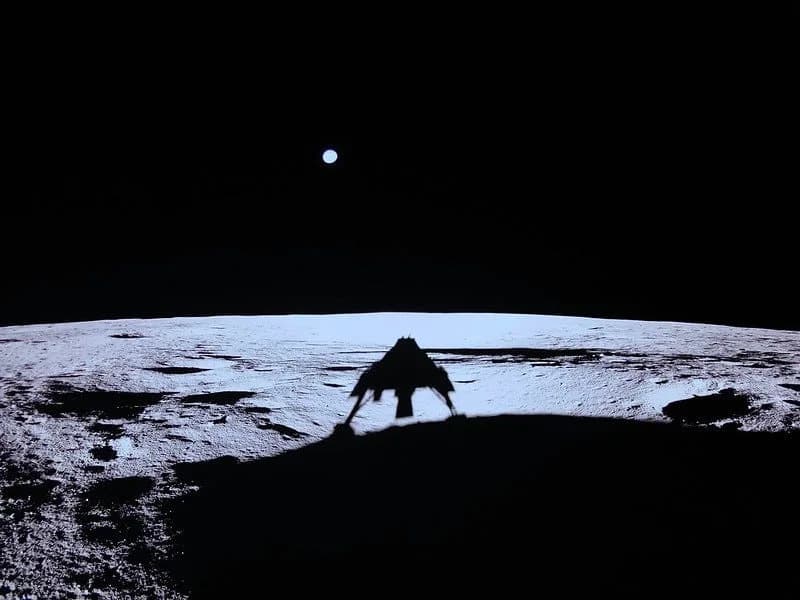
Isaacman added that if Discovery cannot be relocated without unacceptable risk or cost, NASA can instead showcase recent and upcoming human-spaceflight hardware: "And if we can't do that, you know what? We've got spacecraft that are going around the moon with Artemis 2, 3, 4 and 5."
Artemis Context
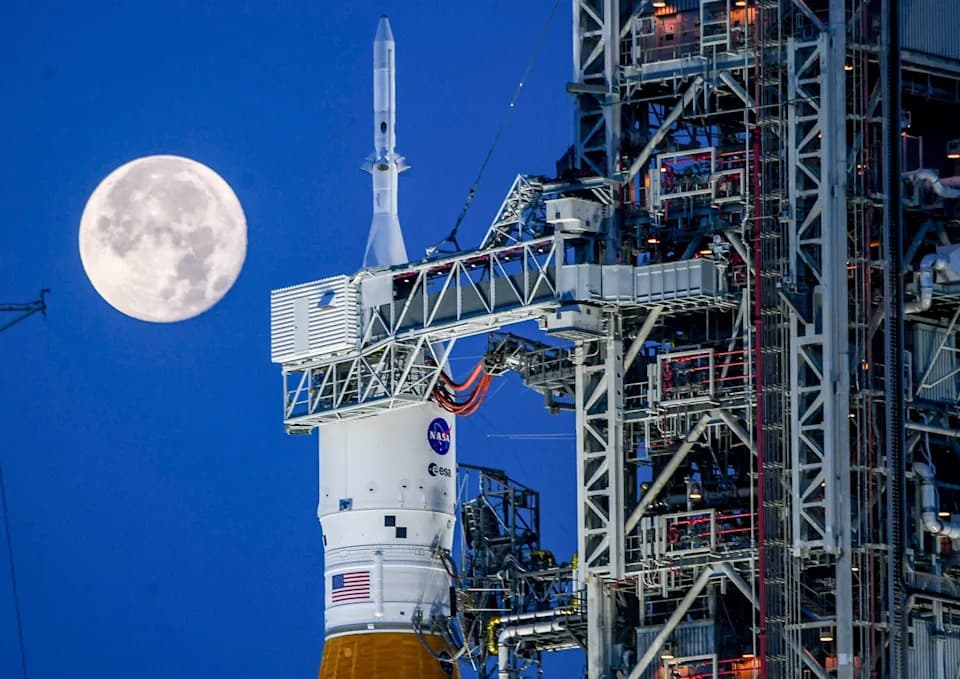
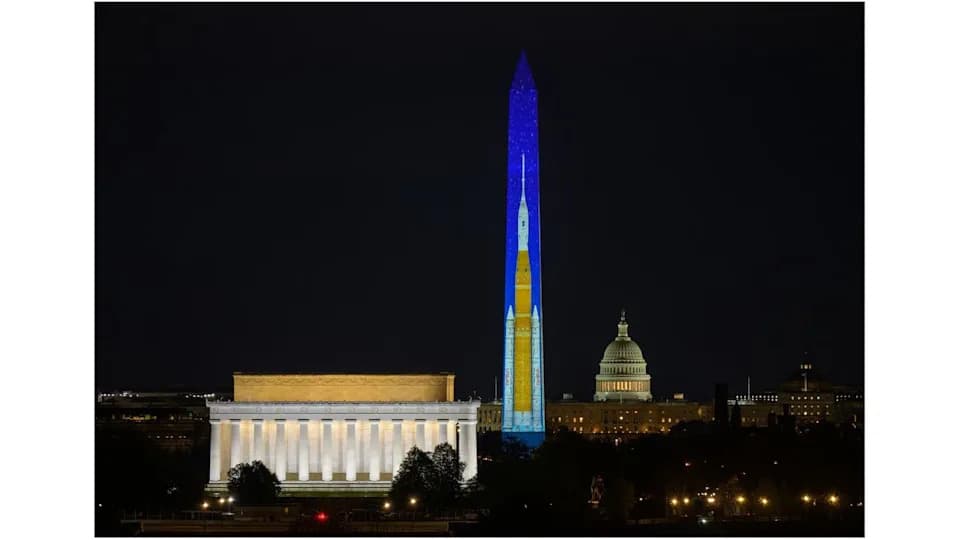
NASA is preparing to fly four Artemis 2 astronauts around the moon as soon as February 2026 and aims to land astronauts on Artemis 3 by 2028. Those missions — and follow-ups on Artemis 4 and 5 — will use the Orion spacecraft launched on the Space Launch System. Isaacman said the agency will work to ensure the Johnson Space Center gets an appropriate and historic spacecraft on public display.
Bottom line: The Discovery transfer remains possible but far from certain. Legal ownership, realistic budgeting, and the technical challenge of moving and preserving a fragile, iconic vehicle will determine whether Houston gets Discovery — or a different, modern spacecraft instead.
Help us improve.