Key points: US officials report China is buying more US-made goods, a move Washington views as easing trade tensions. Beijing has reportedly offered to raise imports to help reduce the US trade imbalance. Analysts describe China’s diplomatic push as unusually strong and warn that measures such as rare-earth export threats may be shifting leverage in China’s favor. The development raises questions about long-term implications for supply chains and US negotiation strategy.
China Boosts Purchases of US-Made Goods — Could Trade Leverage Be Shifting?

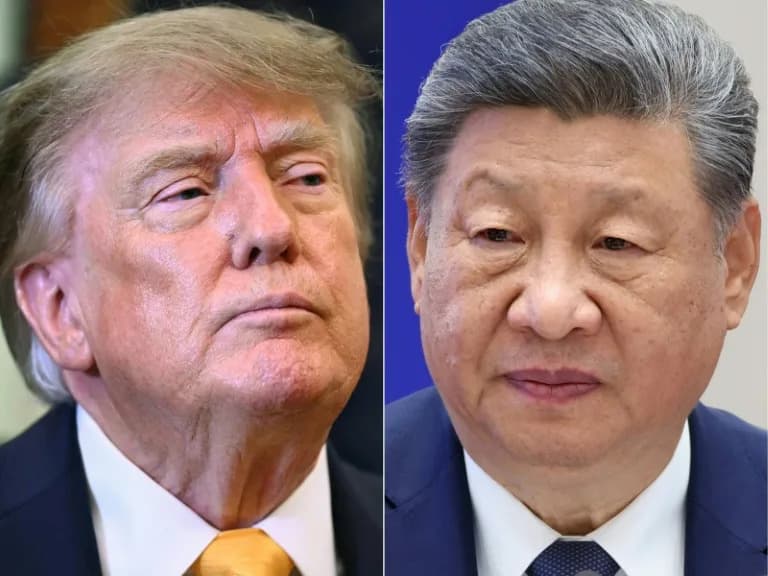
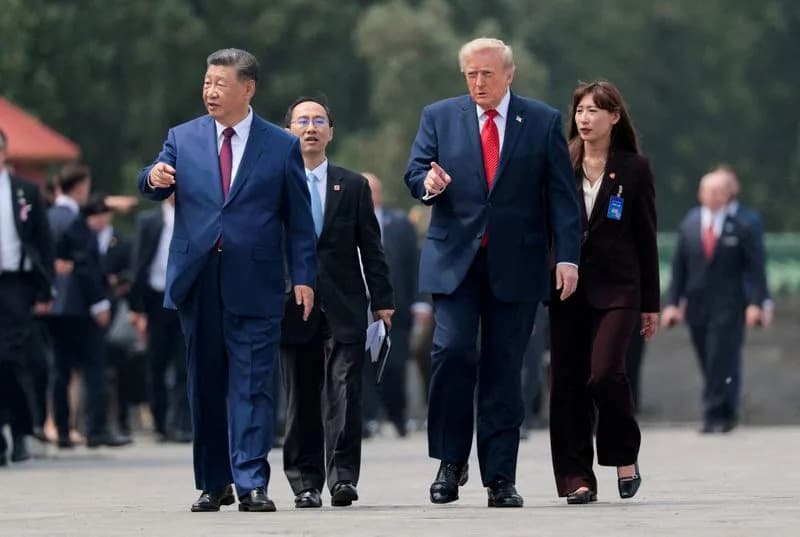
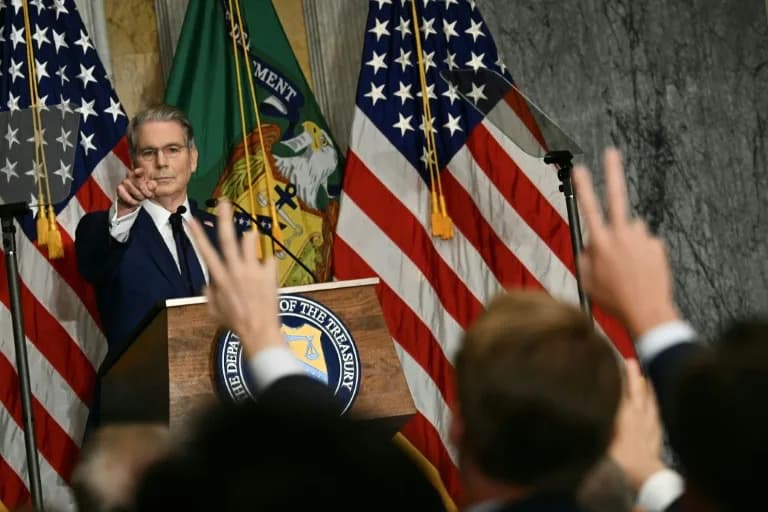
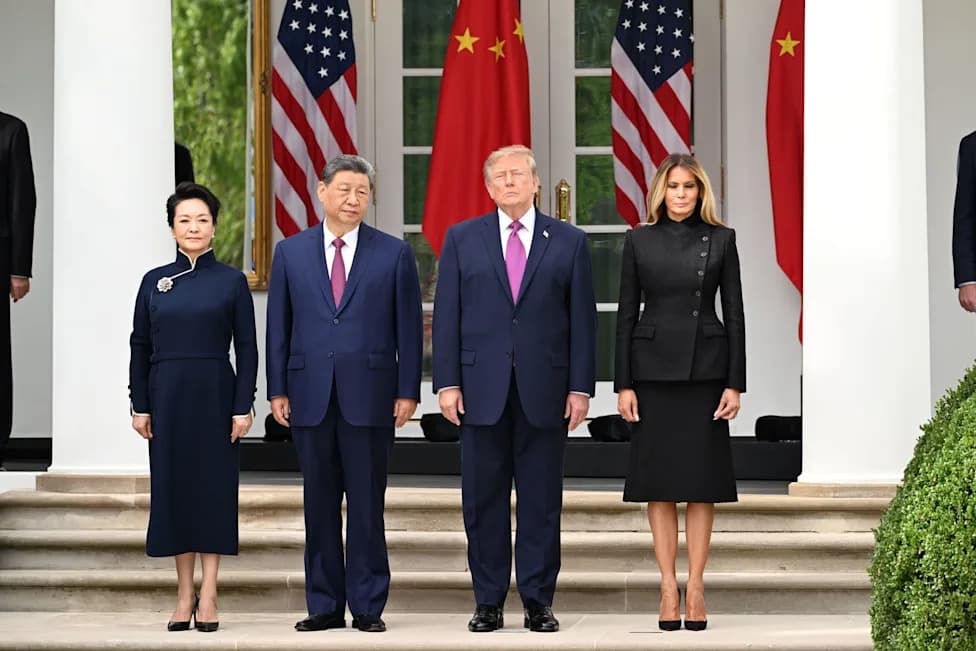
US officials, including President Donald Trump and the Treasury secretary, say China is increasing purchases of US-made goods — a move Washington cites as evidence of easing trade tensions between the two economies.
Addressing the longstanding US trade imbalance with China has been a priority for the administration. According to US officials, Beijing has offered to raise imports of American commodities as part of efforts to reduce bilateral friction and stabilize economic relations.
“remarkably strong year of diplomacy”
A commentator from Foreign Affairs described the diplomatic activity as a “remarkably strong year of diplomacy” for Beijing, noting that China has been actively managing its international posture while pursuing economic objectives.
Although President Trump entered his second term pledging to reshape relations with China, recent developments suggest Beijing’s tactics — including threats to curb rare-earth exports — have affected the balance of influence in trade talks. Jonathan Czin wrote that China now appears to be pushing for a new equilibrium, one determined “on Beijing’s, rather than Washington’s, terms.”
Rare-earth elements are critical inputs for electronics, renewable energy systems and defense technologies, so any suggestion of export restrictions carries significant leverage. That leverage has prompted US policymakers and industry leaders to weigh options such as diversifying supply chains, boosting domestic production and seeking alternative trading partners.
Implications for future negotiations remain uncertain: increased Chinese purchases could ease short-term tensions and help narrow the trade gap, but analysts warn that the shift may also reflect Beijing’s efforts to secure strategic advantages. Observers say the outcome will depend on the substance of any agreements and on broader geopolitical calculations.
Help us improve.